



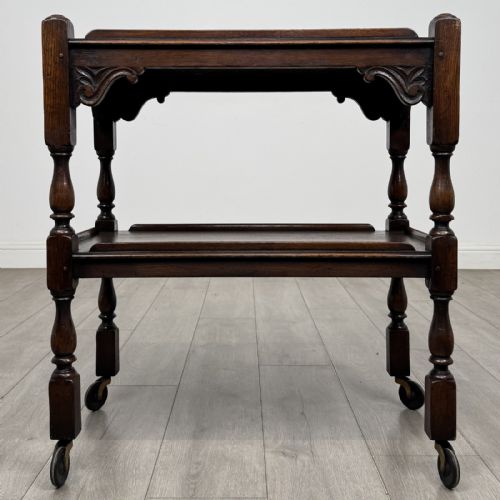
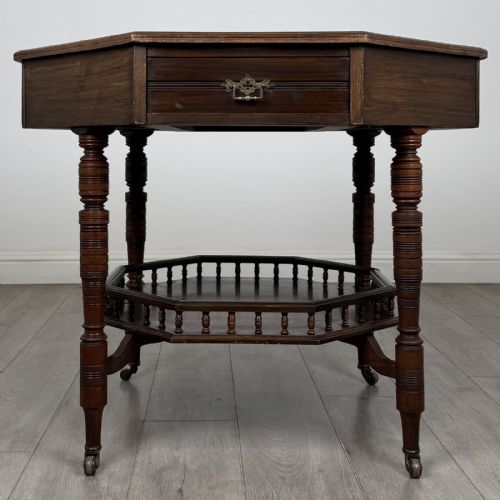
Brown Carved Tea Table
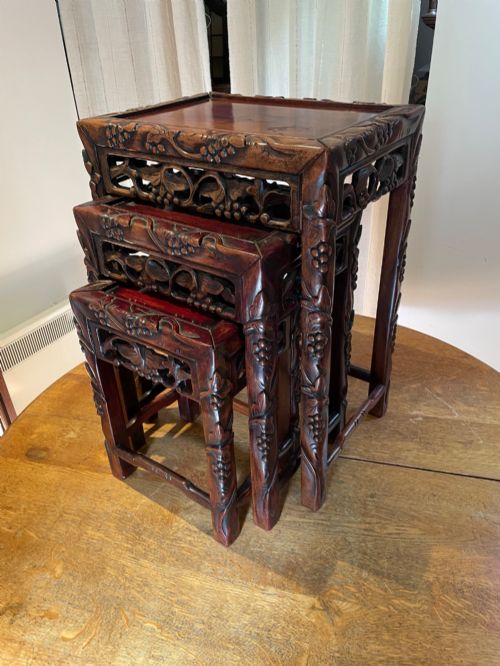
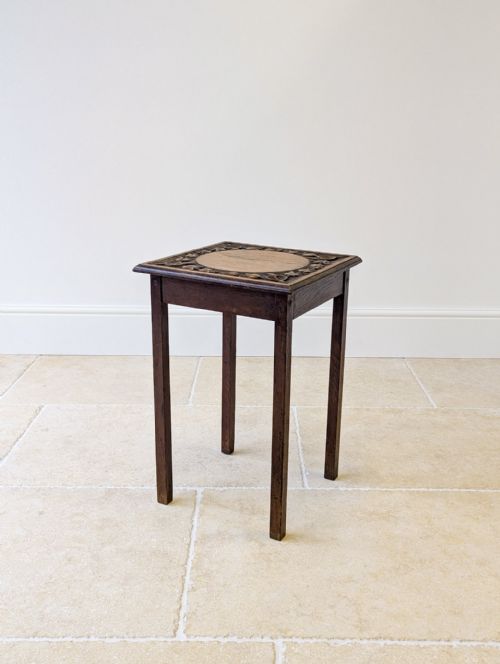
A brown carved tea table brings functional timber and detailed relief into a room, spanning periods from the eighteenth century to the twentieth.
Brown Carved Tea Table
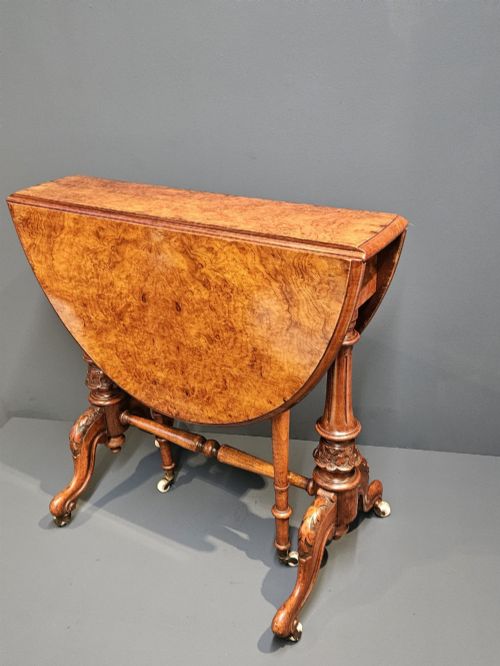
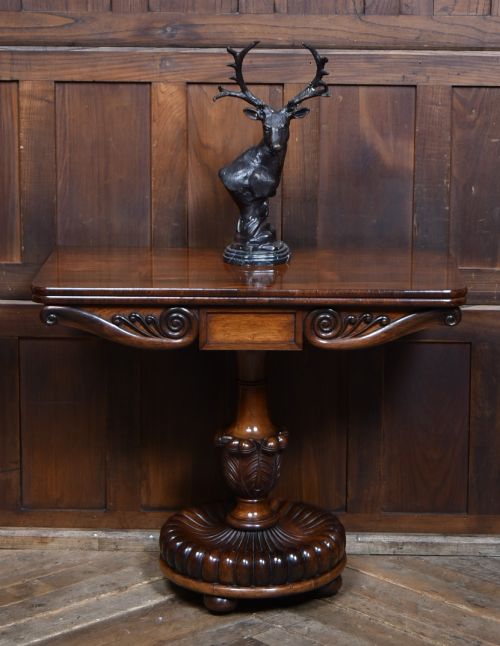
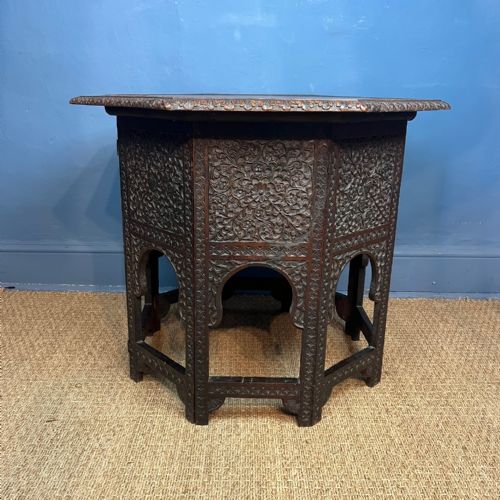
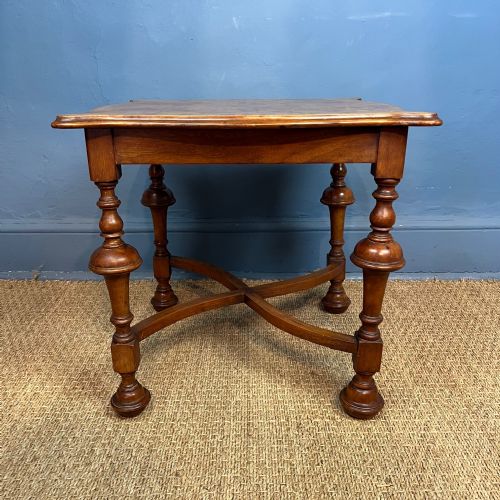
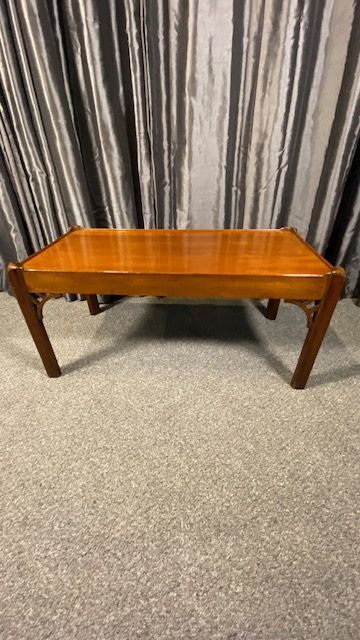
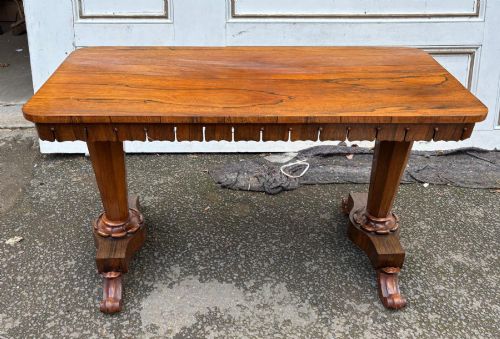
A brown carved tea table encompasses various occasional, coffee, tilt-top, and card tables shaped from rich timbers like mahogany and walnut. These brown carved tea table examples frequently display the heavy influence of Victorian, Edwardian, and earlier Georgian craftsmanship.
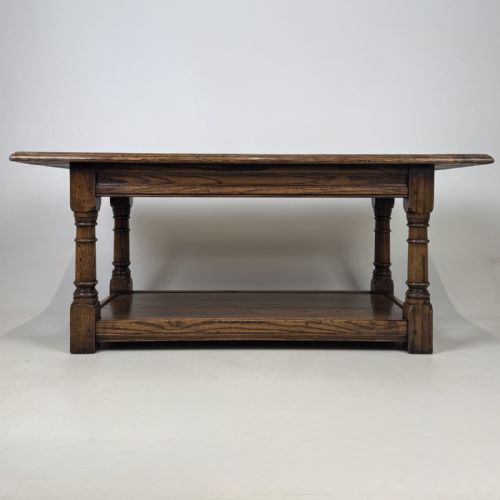
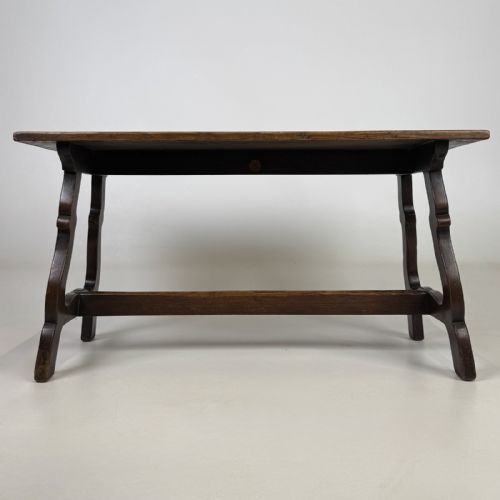
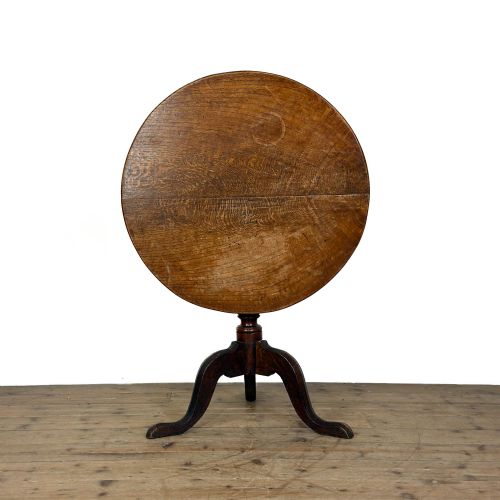
Buyers encounter different formats on this page, ranging from tilt-top tripod designs to fold-over games tables and solid oak coffee tables. The selection draws heavily upon nineteenth-century production, alongside eighteenth-century pieces and later twentieth-century iterations.
Makers and workshops of the past utilised diverse forms such as side tables, centre tables, and lamp tables to serve domestic spaces. Each brown carved tea table reflects the prevailing stylistic revivals of its period, from William IV robustness to Queen Anne elegance.
Materials and construction
Makers built these tables primarily from solid and veneered timbers, selecting walnut, burr walnut, mahogany, and oak for their distinct grains and warm brown tones. Secondary metals like brass appear in mechanisms and mounts, supporting folding leaves and tilt-top actions.
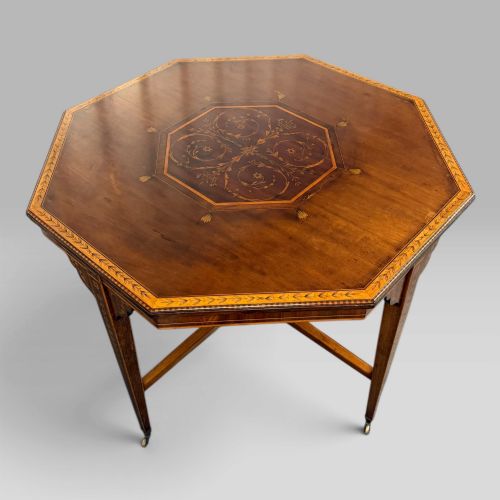
Carving provides the principal surface enrichment, executed directly into the hardwood frames, borders, and pedestals. Marquetry and inlay further enhance selected walnut and mahogany surfaces with contrasting linear details.
Brown Carved Tea Table Retail Price Guide 2026
Typical asking prices for brown carved tea table among the pieces listed under this phrase on Sellingantiques today, from the lower quarter to the upper quarter. They describe what is for sale here now, not the wider market.
Birdcage mechanisms let dining tables swivel like rotating stools before locking flat.
Assessing craftsmanship
Superior examples separate themselves through the selection of highly figured burr veneers and crisp, deep hand-carved relief work on the bases and friezes. The integration of complex mechanical functions, such as concertina actions, birdcage mechanisms, and smooth fold-over hinges, distinguishes higher workshop standards.
The density and weight of the timber, combined with precise joinery in the underframe and tripod supports, determine the structural longevity of the piece. Subtle details like parcel gilt highlights and precise marquetry patterns elevate certain tables above standard production items.
Trevor Page & Co·Giles Grendey·Holland & Sons Of London
The Brown Carved Tea Table Glossary
- Tilt-top table
- A table featuring a mechanism that allows the top to pivot into a vertical position when not in use. This design saved space in period drawing rooms.
- Burr walnut
- A highly prized timber cut from walnut tree growths, yielding intricate swirling grain patterns. Cabinet makers utilised these veneers for decorative table tops.
- Concertina action
- An expanding frame mechanism used on card tables that opens uniformly on all four sides. It provides sturdy support for the folded leaf when extended.
- Tripod table
- A small occasional table supported by a pillar above three spreading feet. This construction maintained stability on uneven historical floors.
Brown Carved Tea Table: Frequently Asked Questions
How do I identify a Victorian table?
Victorian tables frequently display rich burr walnut veneers, elaborate marquetry inlay, and robust carved bases designed for nineteenth-century drawing rooms.
Makers of this era utilised dark hardwoods and complex mechanical actions, including fold-over card surfaces and sissor mechanisms.
What is a tilt-top mechanism?
A tilt-top mechanism allows the wooden surface of the table to pivot ninety degrees on its central pillar.
This functional design enabled historical owners to store the furniture flat against a wall when the room was needed for other purposes.
How were card tables used?
Card tables served as multi-functional furniture, remaining folded against a perimeter wall until required for evening entertainment.
When unfolded, the baize-lined or polished wooden surface provided a stable area for games and conversation.
Where should I place an antique table?
These tables suit placement beside seating areas as lamp tables or serving as central display pieces in a reception room.
Their varied heights and surface dimensions accommodate everyday objects while introducing historical timber grain to modern interiors.