

Antique Indian Side Table
These antique Indian side tables bring intricate woodwork and rich timber into a room, offering both surface space and striking character.
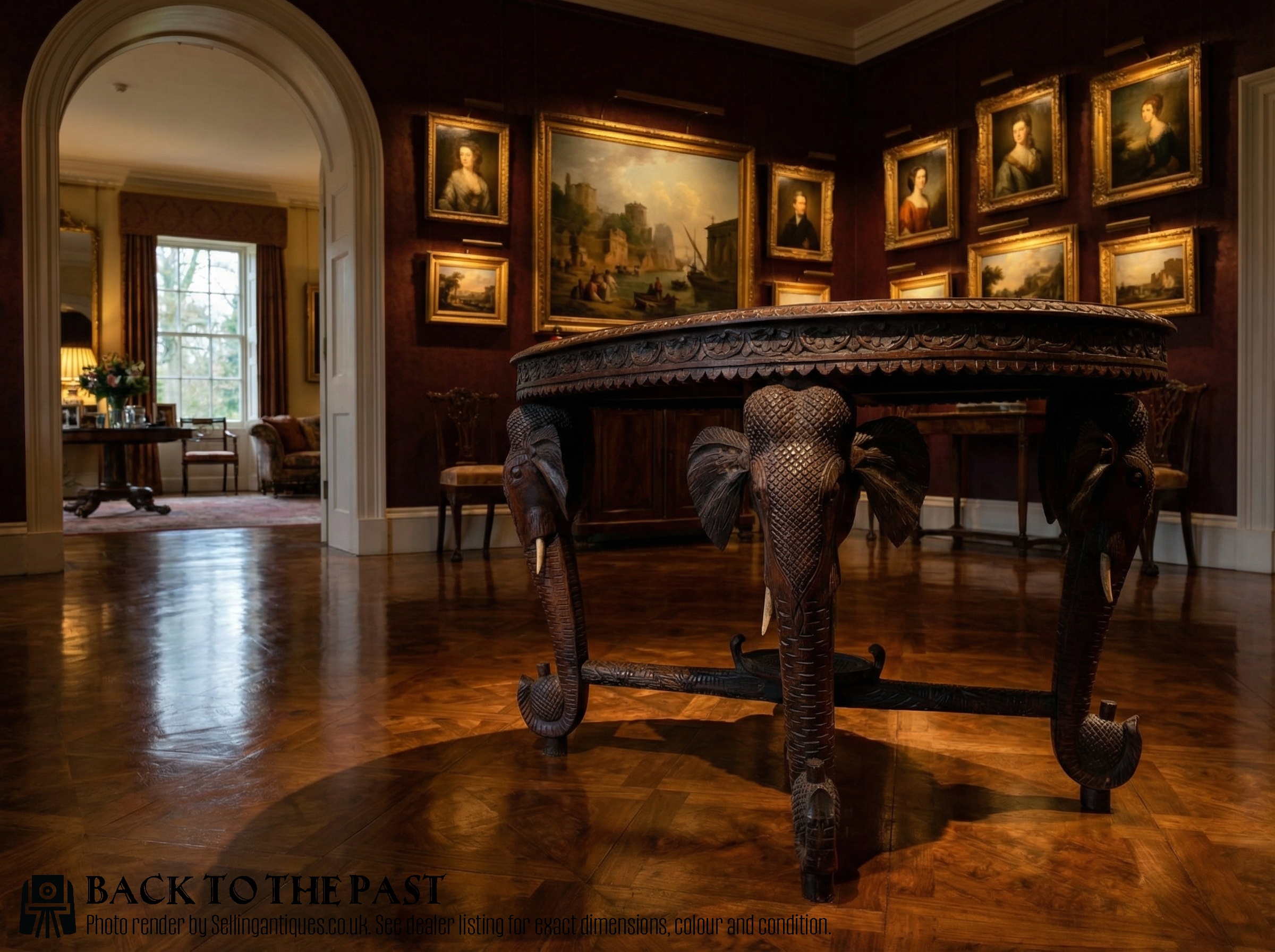
Antique Indian Side Table
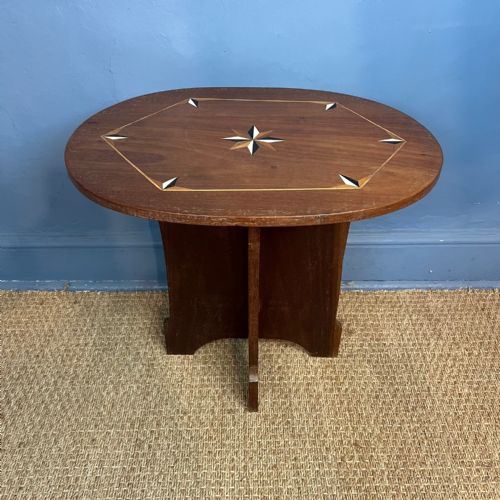
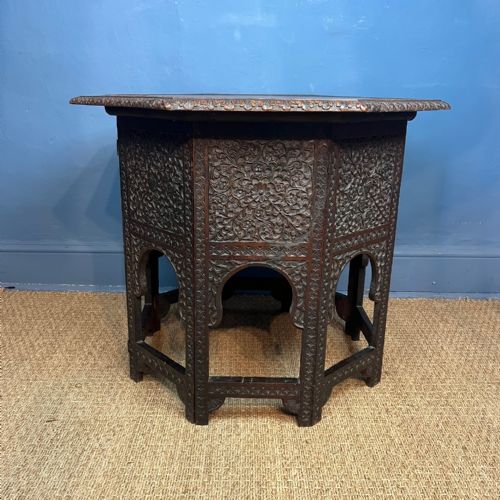
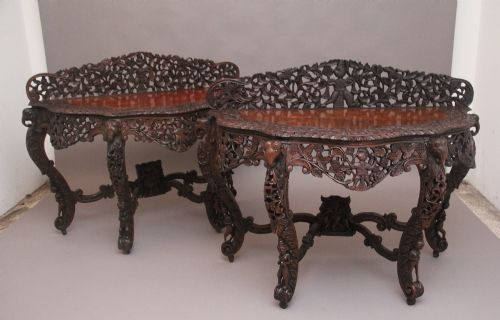
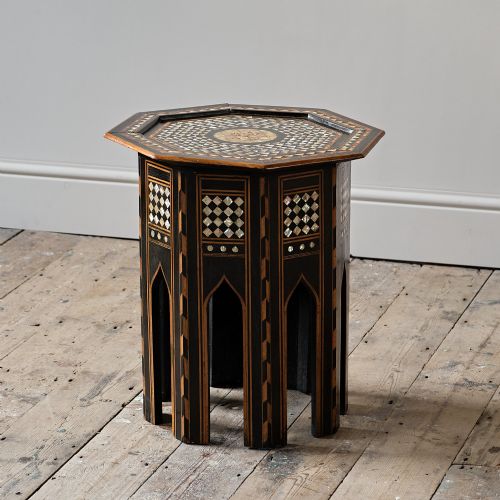
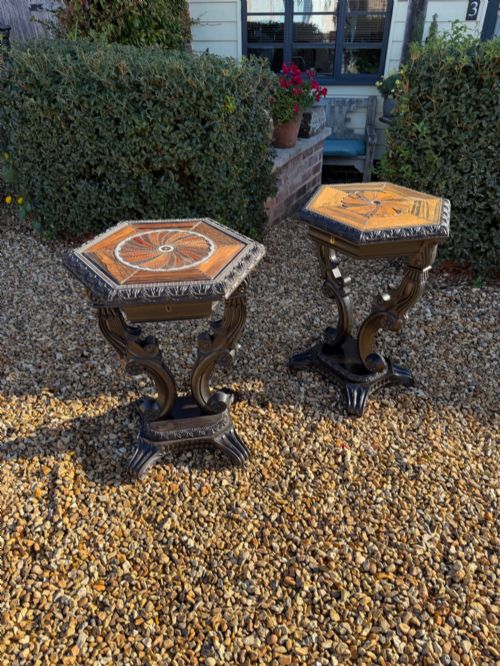
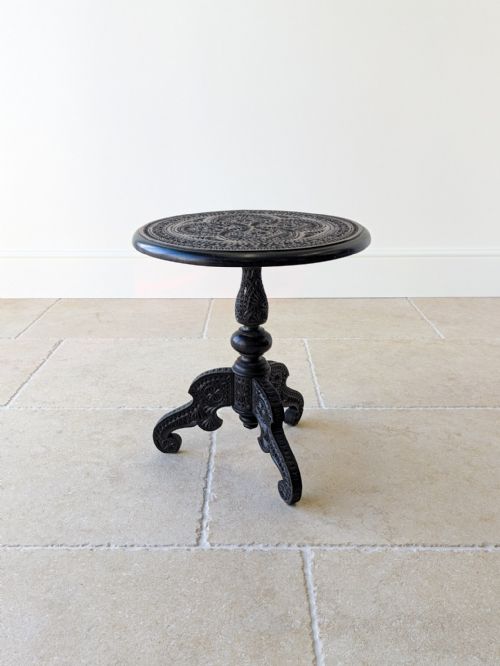
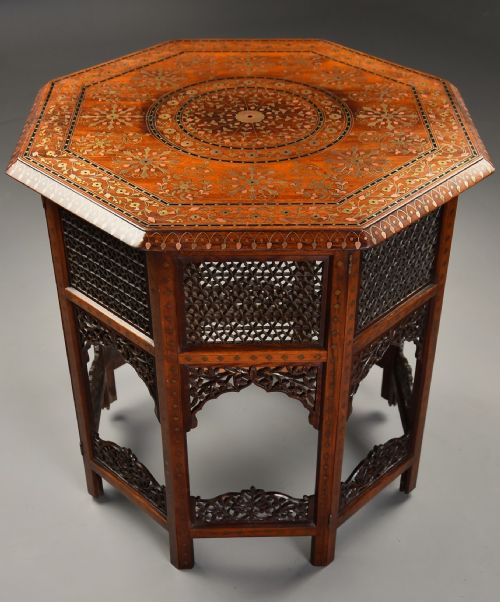
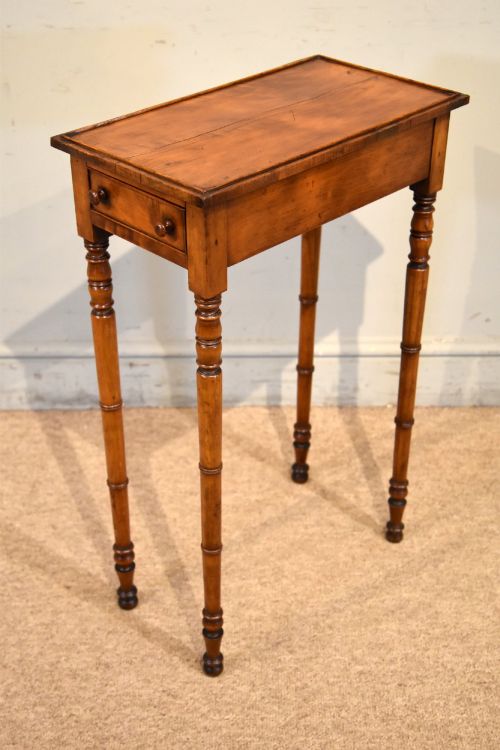
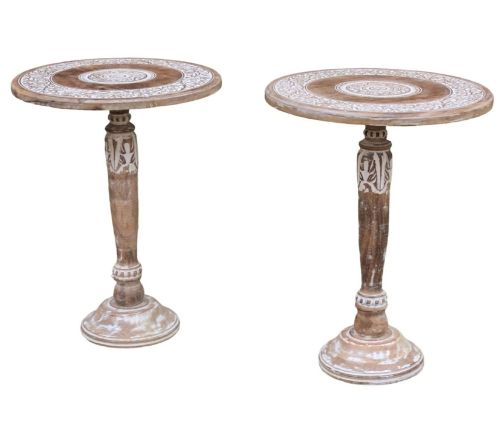
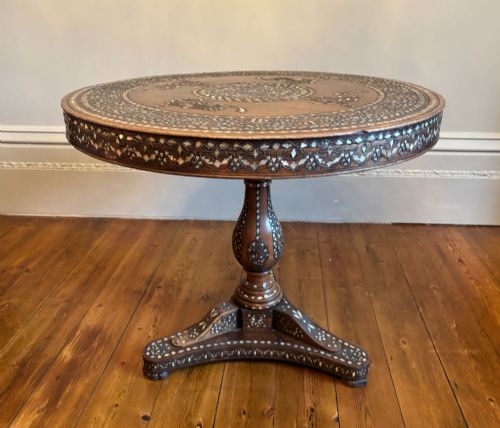
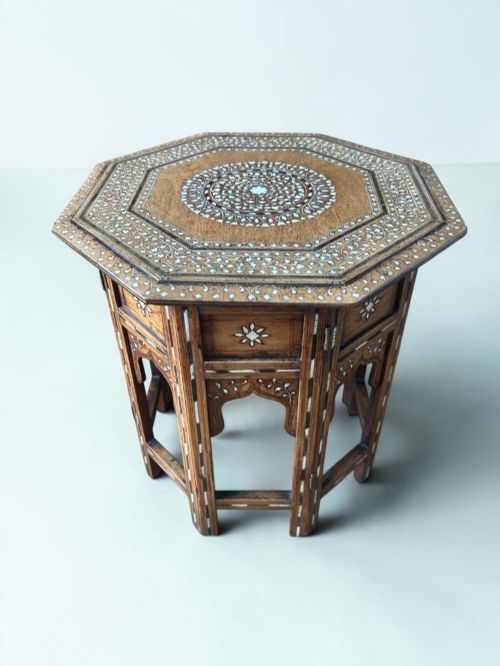
An antique Indian side table is typically encountered in formats such as circular, octagonal, oval, and square tables designed for occasional use, lamps, or display. The examples meeting this search phrase appear across the Victorian era, the late nineteenth century, and into the early decades of the twentieth century.
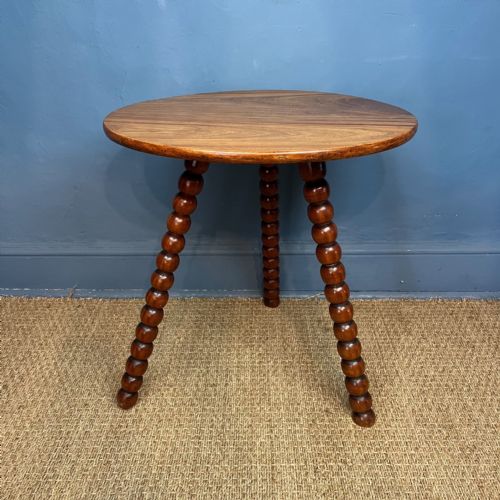
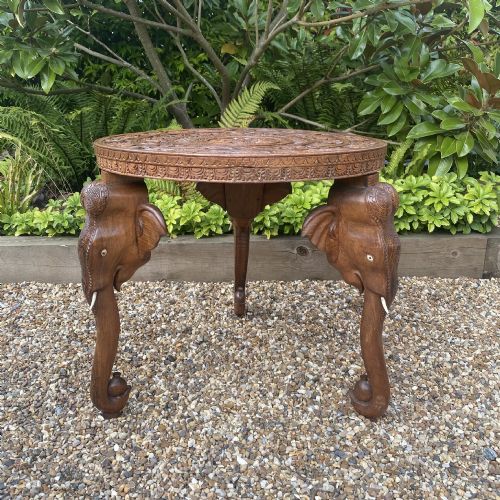
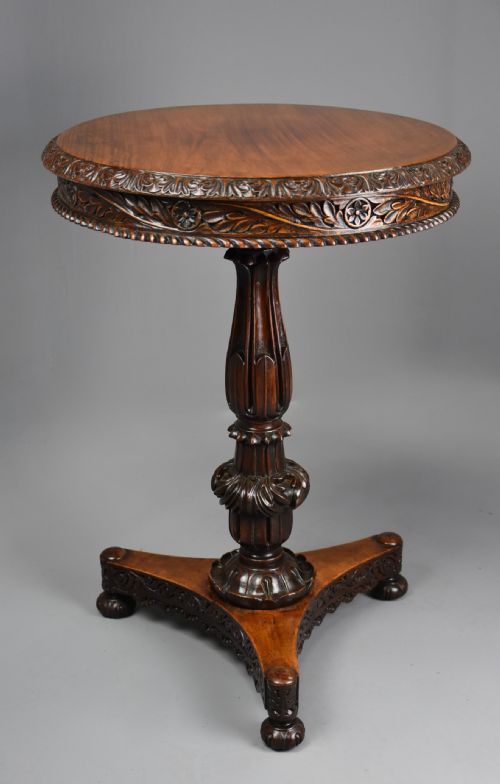
Many of these pieces belong to the Anglo-Indian and Anglo-Indian Colonial styles, reflecting the cultural exchange of the British Raj. Forms include folding campaign tables, tripod bases, and decorative figural pieces like elephant tables, alongside standard occasional and tea table formats.
How They Were Made
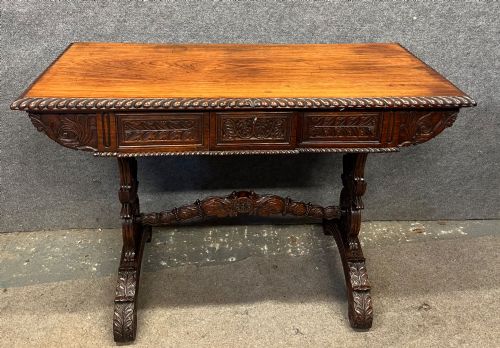
The construction relies heavily on dense timbers such as teak and rosewood, which provide a sturdy framework for detailed manipulation. Ebonised finishes also appear among the recorded pieces, offering a dark and uniform surface.
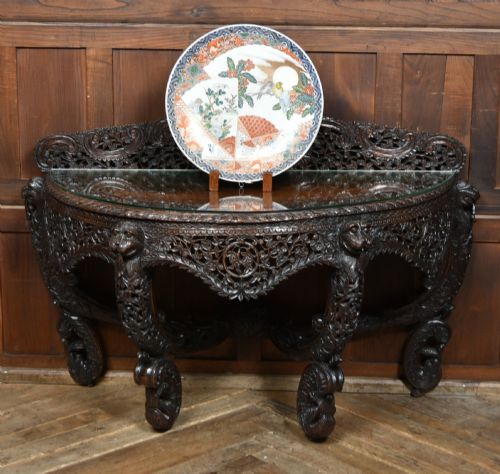
Makers employed deep carving, pierce-carved fretwork, and intricate bone or brass inlay work to decorate the surfaces. Folding mechanisms and campaign designs were integrated into the woodwork to allow portability.
Antique Indian Side Table Retail Price Guide 2026
Typical asking prices for indian side table among the pieces listed under this phrase on Sellingantiques today, from the lower quarter to the upper quarter. They describe what is for sale here now, not the wider market.
The listings span the Victorian period through to the nineteen-thirties, utilising teak, rosewood, bone, and brass.
What Varies in Quality
Quality rests primarily in the depth, crispness, and complexity of the carved ornamentation across the teak or rosewood surfaces. Pieces featuring intricate pierce-carved fretwork or precise bone and brass inlay demand a higher level of skill than plain carved variants.
The structural integrity of folding campaign mechanisms and the condition of inlaid materials also distinguish finer examples. The handling of specialised forms, such as figural elephant tables, shows variation in sculptural detail.
The Antique Indian Side Table Glossary
- Anglo-Indian
- A style describing furniture made in India during the British period, combining British furniture forms with traditional Indian craftsmanship and motifs.
- Campaign table
- A portable folding table originally designed for travel and military use during the nineteenth century.
- Hoshiarpur
- A region in Punjab known historically for its distinctive wood-carving traditions and intricate bone or brass inlay work.
- Pierce-carving
- A technique where wood is cut completely through to create openwork fretwork patterns and lace-like designs.
- Tripod side table
- A small occasional table supported by three legs radiating from a central pillar.
Antique Indian Side Table: Frequently Asked Questions
How were antique Indian side tables used?
These tables served various domestic functions, acting as lamp tables, tea tables, and general occasional surfaces in nineteenth and twentieth-century homes.
Portable campaign versions were also utilised for travel, featuring folding frames that packed flat when needed.
What woods are used in these tables?
The primary timbers recorded are teak and rosewood, chosen for their durability and suitability for detailed carving.
Ebonised finishes also appear on certain decorative and figural pieces to create a dark, polished appearance.
What is an Anglo-Indian table?
Anglo-Indian tables combine European furniture shapes with traditional Indian decorative techniques like deep carving and inlay.
They were produced during the nineteenth and early twentieth centuries to satisfy British and domestic demand.
How do I date an Indian side table?
Dating relies on stylistic clues, materials, and construction methods associated with Victorian production and the early twentieth century.
Pieces often link to specific periods such as the late nineteenth century or around nineteen hundred based on recorded evidence.