

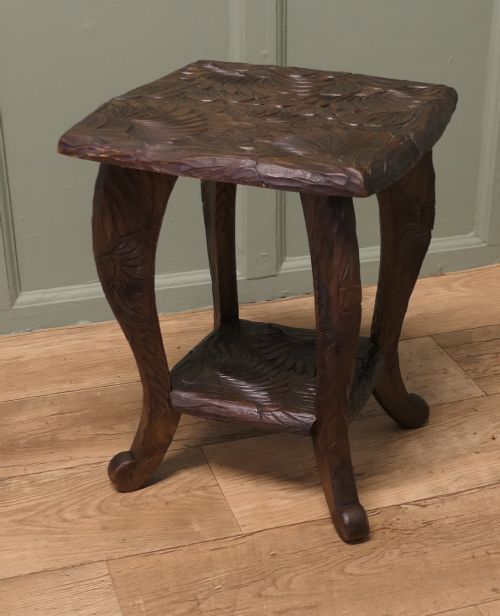
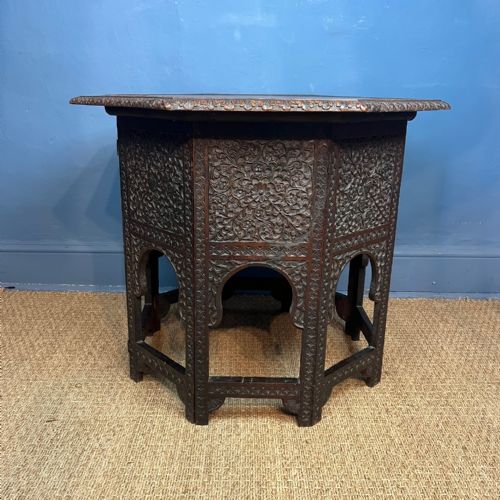
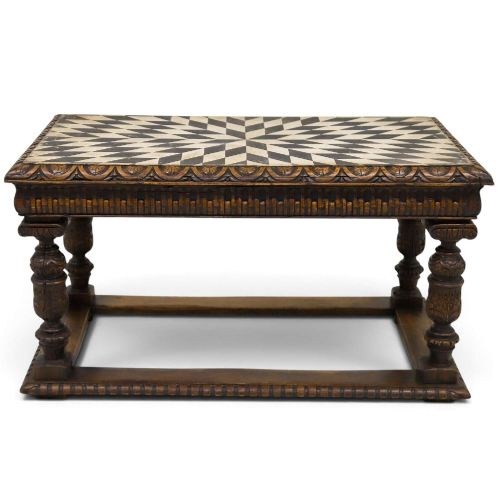
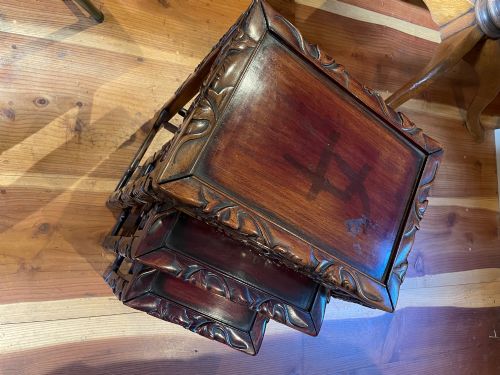
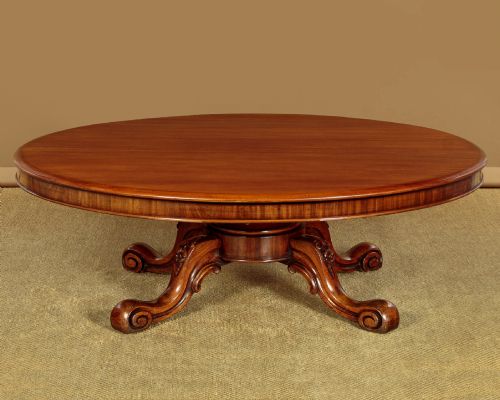
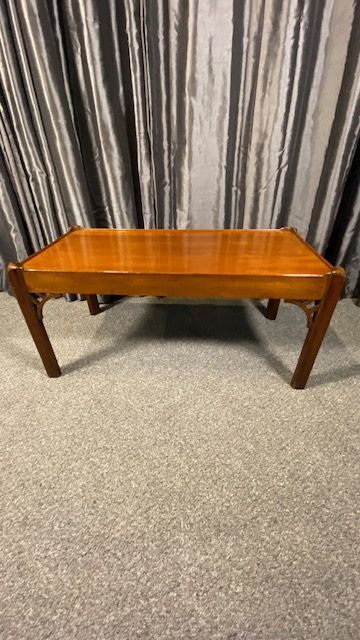
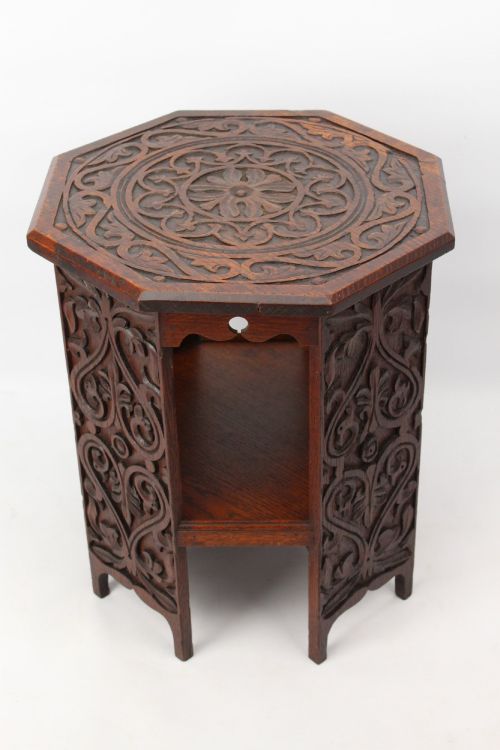
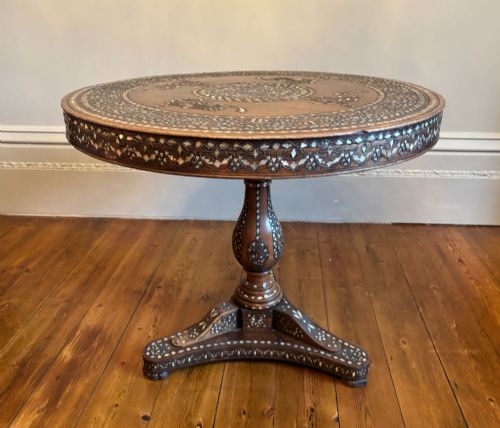
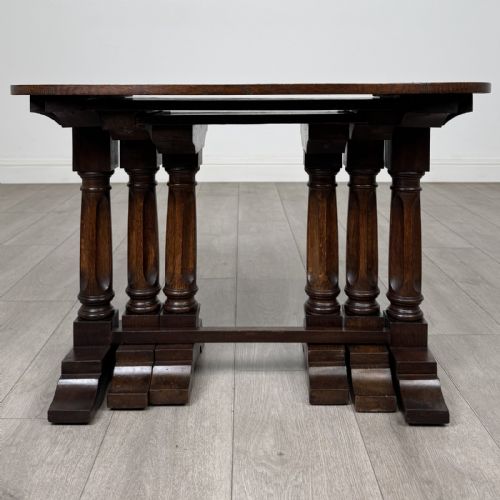
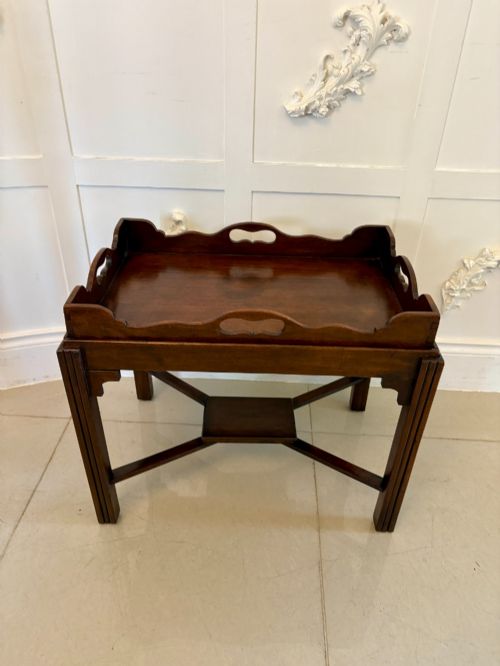
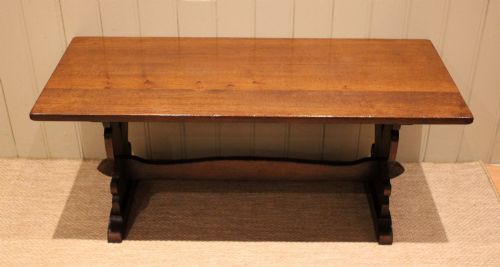
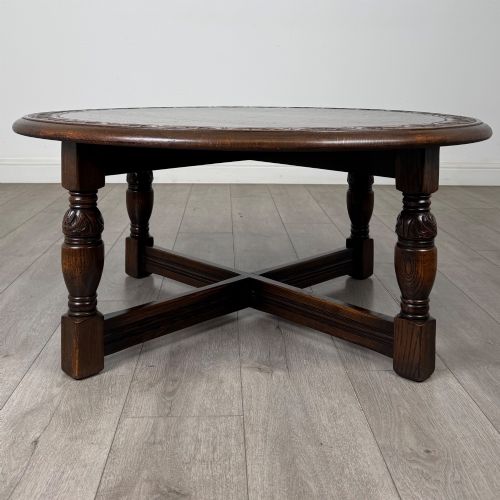
Carved Wood Coffee Table
A carved wood coffee table brings solid character and tactile grain into a room, offering distinct regional carving traditions from the nineteenth century onward.
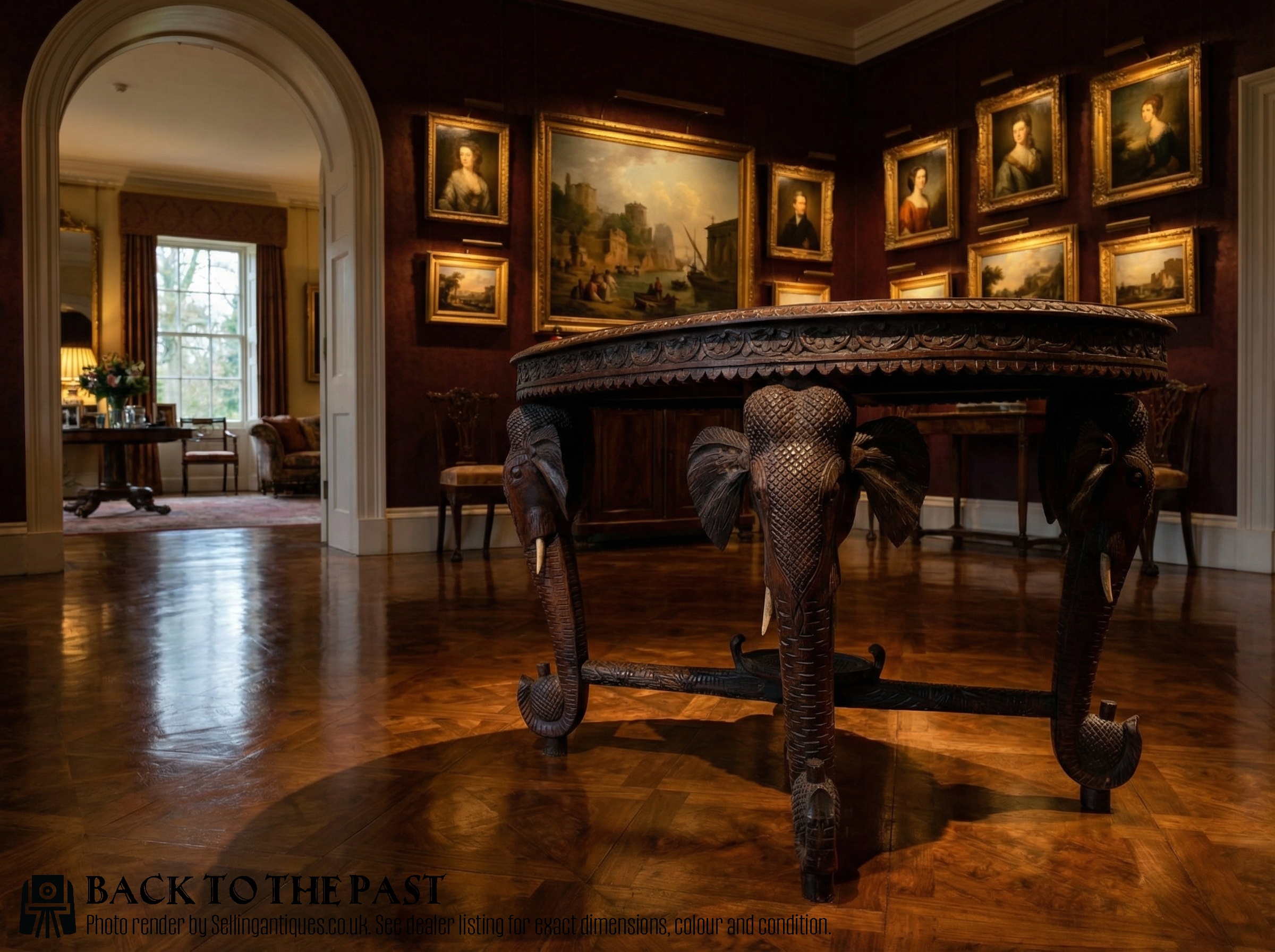
Carved Wood Coffee Table
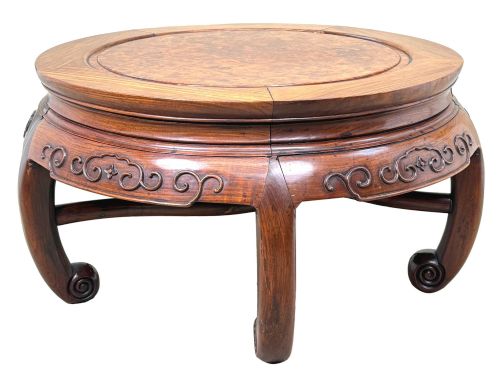
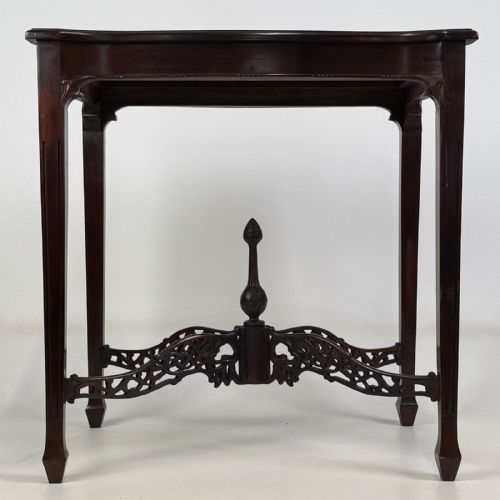
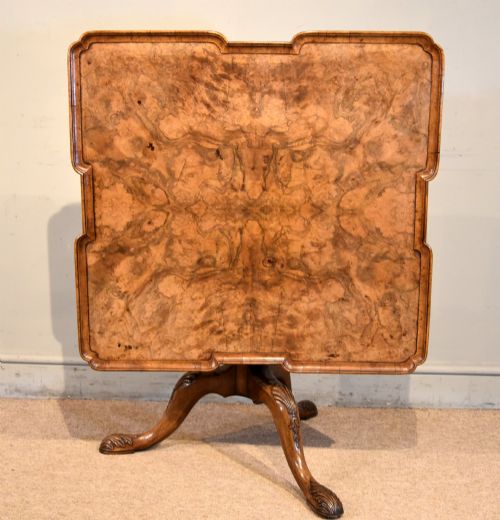
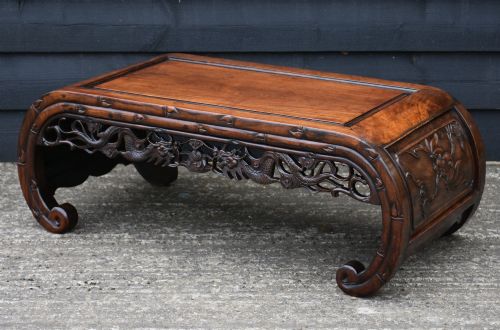
When you search for a carved wood coffee table, you encounter diverse forms ranging from low occasional tea tables to converted chests and side tables. The selection includes nineteenth-century pieces alongside Georgian and Regency examples, reflecting global craftsmanship.
Regional styles dominate the inventory, notably Anglo-Indian, Chinese Export, and Italian Baroque. Many items began as side tables, chests, or trays before finding new life as low reception tables.
Makers such as Hille appear alongside unbranded workshop pieces, spanning diverse periods including nineteen-thirty and nineteen-hundred. Hardwoods, teak, mahogany, and satinwood provide the structural foundation for these varied designs.

How they were made
Artisans utilised dense hardwoods, teak, mahogany, satinwood, and camphor wood to construct durable frames capable of withstanding elaborate surface carving. Relief work and pierced decoration often adorn the aprons, borders, and legs of these tables.
Secondary materials like brass, glass, marble, and textile sometimes integrate with the wooden structures, particularly in Chinese and Anglo-Indian export pieces. Paint and giltwood finishes enhance specific Italian Baroque and European revival forms.
Carved Wood Coffee Table Retail Price Guide 2026
Typical asking prices for carved wood coffee table among the pieces listed under this phrase on Sellingantiques today, from the lower quarter to the upper quarter. They describe what is for sale here now, not the wider market.
What varies in quality
Depth and crispness of the carving distinguish finer examples from simpler production, where shallow or mechanical work lacks definition. The choice of timber also dictates quality, with dense hardwoods and figured satinwood commanding greater appreciation.
Cohesion between the base and top determines structural integrity, especially on pieces comprising converted trays or chests. Original surfaces and patination elevate a piece far above heavily stripped or excessively restored alternatives.
Hille
The Carved Wood Coffee Table Glossary
- Anglo-Indian
- Furniture made in India during the British colonial period, often featuring intricate local carving combined with European forms. These pieces frequently utilise native hardwoods.
- Camphor wood
- A fragrant Asian timber prized for its insect-resistant properties and rich grain, commonly utilised in export chests that later convert to coffee tables.
- Giltwood
- Wood that has been coated with gold leaf or gold paint, frequently seen on Italian Baroque and revival frames in this category.
- Hardwood
- Timber from broad-leaved trees such as mahogany, teak, and satinwood, offering the density required for deep relief carving.
- Benares tray
- A traditional brass tray from India, often paired with a folding or carved wooden stand to serve as a low table.
Carved Wood Coffee Table: Frequently Asked Questions
Are these tables original low tables?
Many examples began life as taller side tables, chests, or decorative trays rather than low coffee tables. Artisans and later owners often adapted these forms to suit modern seating heights.
This adaptation practice remains common across nineteenth-century and export furniture, blending historical utility with contemporary domestic needs.
How do I identify Anglo-Indian carving?
Anglo-Indian pieces typically display dense, deeply undercut foliage, animal figures, or geometric motifs carved into native hardwoods. These designs reflect traditional Indian craft techniques applied to British furniture forms.
Such tables often show considerable weight and distinct regional timber characteristics compared to standard European output.
What maintenance do these tables need?
Regular dusting with a dry, soft cloth preserves the intricate crevices of the carved wooden surfaces. Avoid harsh chemical polishes that can build up within the recessed details.
Applying a traditional beeswax occasionally helps nourish hardwood and satinwood surfaces without damaging historic patination.
How do I date a carved wood table?
Dating relies upon examining the timber species, tool marks, construction joints, and stylistic markers associated with periods like the Georgian era or the nineteenth century. Regional export traits also provide strong chronological clues.
Comparing construction methods with documented pieces helps narrow down the period of manufacture.