



Solid Oak Low Table
A solid oak low table brings dense grain and sturdy presence to a sitting room, anchoring the space with enduring timber.

Solid Oak Low Table
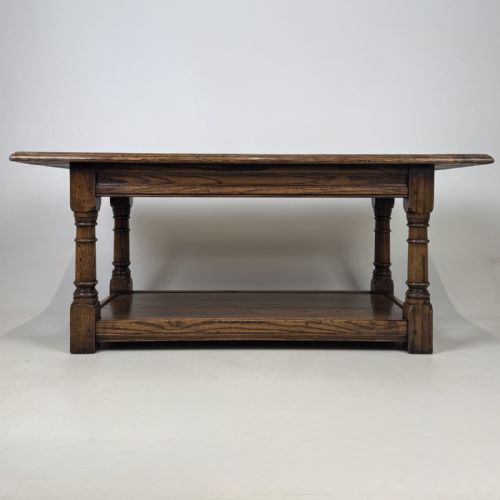
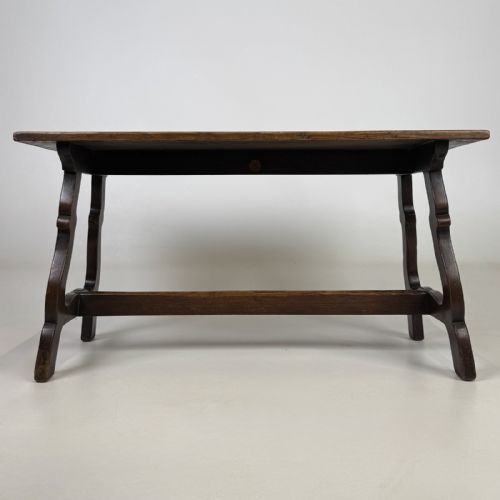
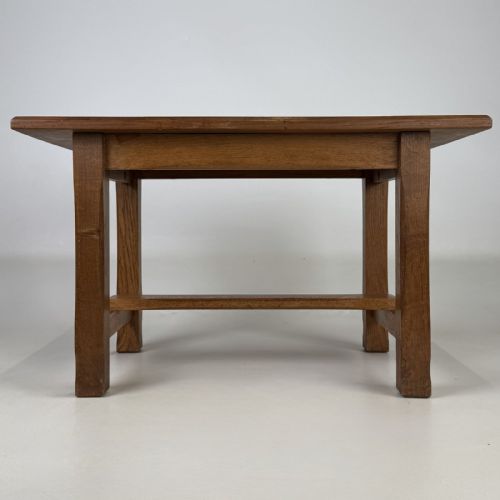
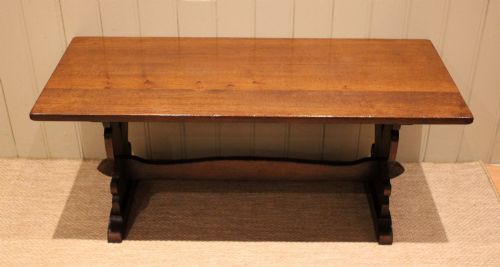
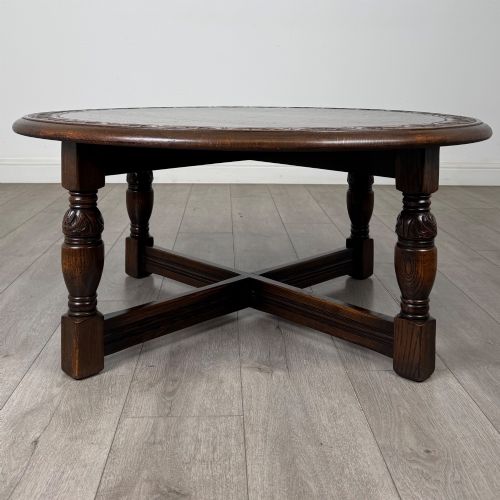
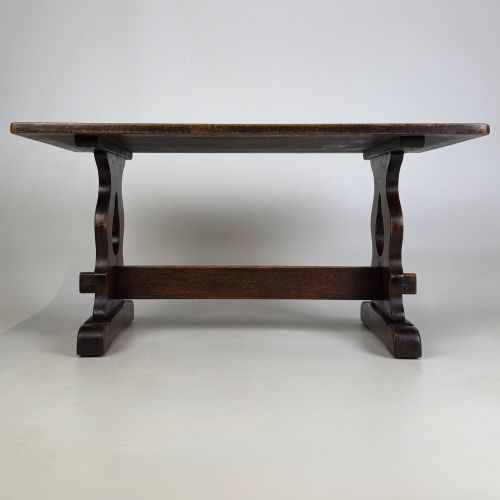
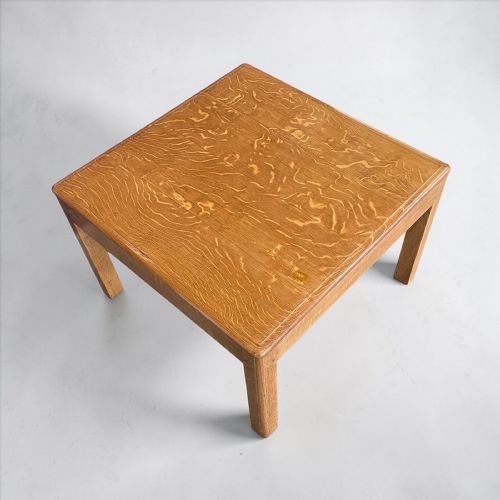
A solid oak low table appears in forms ranging from early joint stools and lowboy side tables to twentieth-century coffee tables and occasional pieces. Buyers searching for a solid oak low table encounter robust timber constructions shaped by decades or centuries of domestic use. The selection spans utilitarian forms and refined revival pieces, each displaying the characteristic grain of native hardwood.
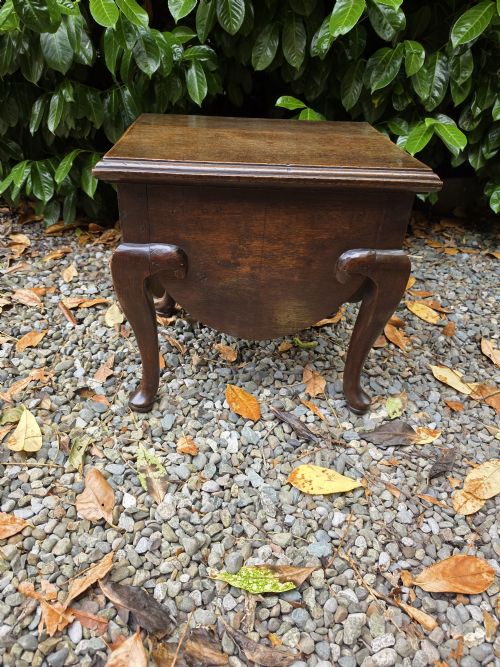
Edwardian and nineteen-twenties coffee tables dominate the selection, alongside older vernacular furniture repurposed for low placement. Early examples include seventeenth-century dresser bases and eighteenth-century lowboys adapted for modern living. French and English interpretations provide variety in proportion and leg turning, from cabriole supports to simple structural stretchers.
Materials and Construction
Makers built these pieces primarily from solid oak, sometimes combining it with walnut, sycamore, paint, ceramic tiles, iron or brass fittings. Joinery relies on traditional methods such as mortise and tenon joints, pegging and tongue-and-groove construction. Turned legs, plank tops and jointed frames define the structural approach used across the periods represented.
Surface treatments range from waxed and polished timber to painted finishes and inset ceramic tiles. Iron and brass hardware appear on drawers or structural braces where applicable. The emphasis remains on heavy timber and secure joints designed to withstand daily weight and use.
Solid Oak Low Table Retail Price Guide 2026
Typical asking prices for solid oak low table among the pieces listed under this phrase on Sellingantiques today, from the lower quarter to the upper quarter. They describe what is for sale here now, not the wider market.
Several low tables began life as seventeenth-century dresser bases or sturdy seating stools before finding new purpose near the floor.
Assessing Quality and Execution
Quality rests in the selection of the timber and the integrity of the joinery rather than surface embellishment. Superior pieces exhibit tight, well-figured oak grain and tight joints that require no modern stabilization. The weight of the timber and the crispness of the hand-turned legs or carved details separate workshop pieces from basic vernacular items.
Proportion and structural balance dictate the success of tables adapted from older furniture forms like stools and lowboys. Tables retaining original hardware, uncompromised timber thickness and authentic period patination command greater regard. The harmony between the top boards and the base support reveals the maker's competence.
Betty Joel·Waring and Gillows
The Solid Oak Low Table Glossary
- Lowboy
- A small oak or walnut side table featuring one or more rows of drawers beneath the top. These eighteenth-century forms often function as low coffee tables in contemporary settings.
- Joint Stool
- A sturdy wooden seat constructed with mortise and tenon joints and pegged framing. Their low height and flat tops make them suitable for use as small coffee tables.
- Plank Top
- A table surface constructed from solid boards joined edge to edge. This method shows the natural grain and growth rings of the timber clearly.
- Cabriole Leg
- A furniture leg that curves out and then in, resembling an animal's curving leg. This form appears on eighteenth-century pieces and later revival styles.
Solid Oak Low Table: Frequently Asked Questions
How do I style a solid oak low table?
Pair the heavy timber with softer textures like wool rugs and upholstered seating to balance the room. Keep surface decoration minimal to let the natural grain remain visible.
Allow clearance around the table for movement, ensuring chairs and sofas sit at a comfortable distance from the edges.
Are these tables suitable for daily use?
Solid oak construction provides high durability and resistance to everyday wear. The dense hardwood withstands weight and minor impacts without sustaining structural damage.
Use coasters to protect waxed or polished surfaces from moisture rings and heat marks.
How do I identify the age of an oak table?
Examine the underside and joints for hand-cut tool marks, pegged joinery and timber shrinkage patterns. Machine-sawn boards and modern metal fixings typically indicate twentieth-century production or later alterations.
Consider the style of the turning and the wear around the base to confirm the period.
What maintenance does solid oak require?
Apply natural beeswax periodically to nourish the timber and maintain a soft sheen. Avoid placing the table near direct heat sources or strong sunlight to prevent wood splitting.
Dust regularly with a dry cloth and wipe spills immediately to preserve the finish.