




English Oak Coffee Table
An english oak coffee table brings solid timber grain and centuries of character into a sitting room.
English Oak Coffee Table
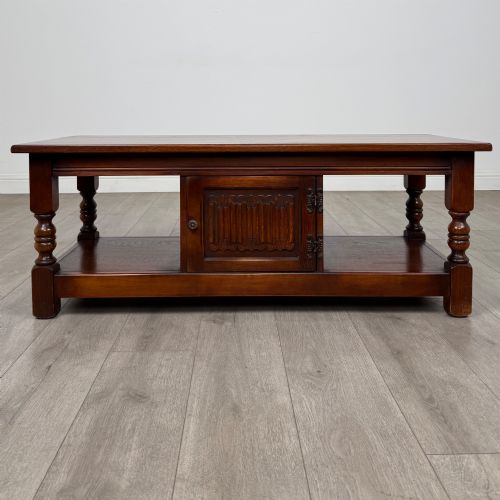
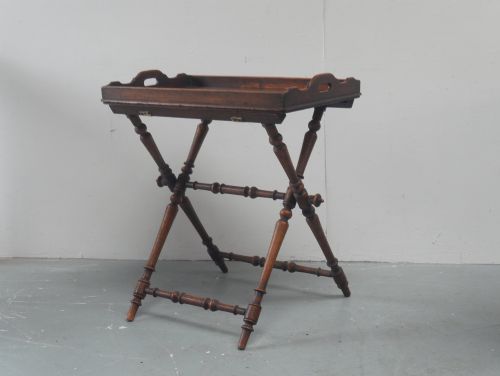
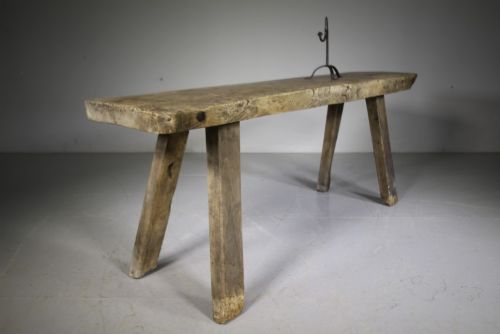
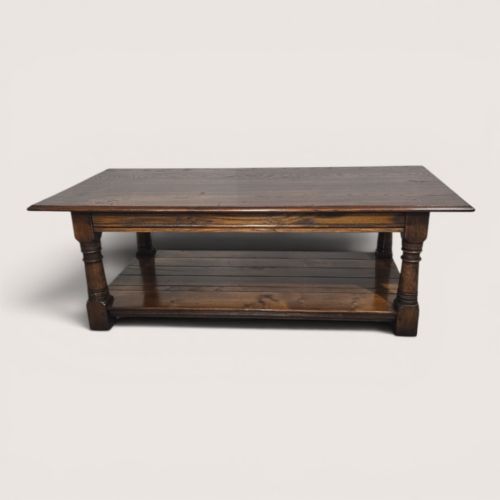
An english oak coffee table encompasses low occasional pieces, converted chests, and benches derived from earlier furniture forms. Buyers seek these tables for their sturdy timber construction and the rich patina built over generations.
The selections span distinct periods from the eighteenth century through to Art Deco modernist pieces of nineteen thirty. Among these, nineteenth-century examples and Edwardian low tables appear most frequently alongside converted Georgian blanket chests and pig benches.
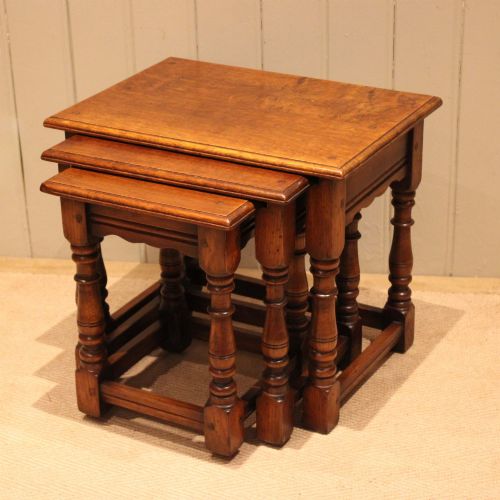
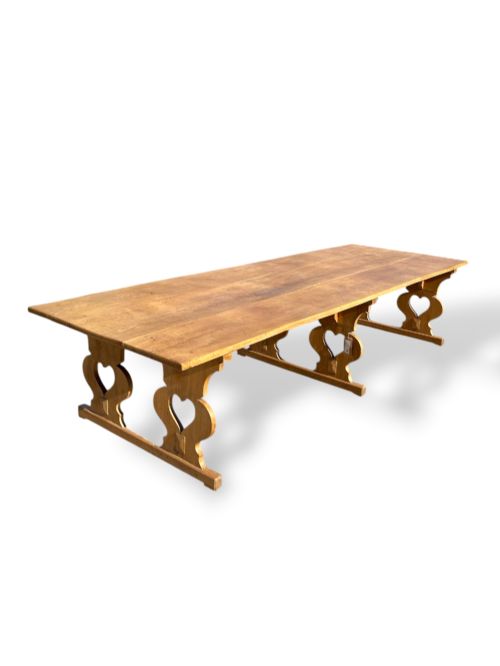
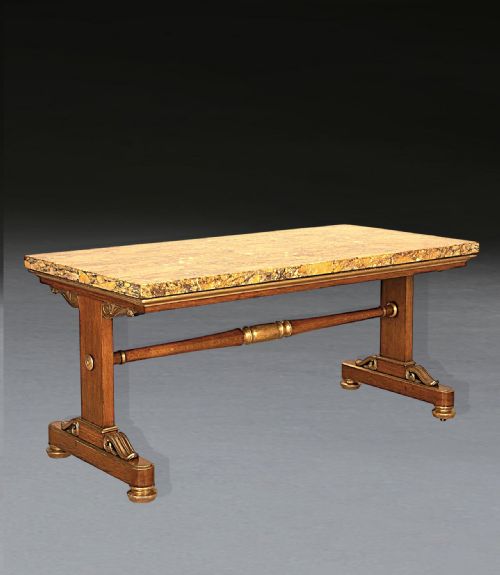
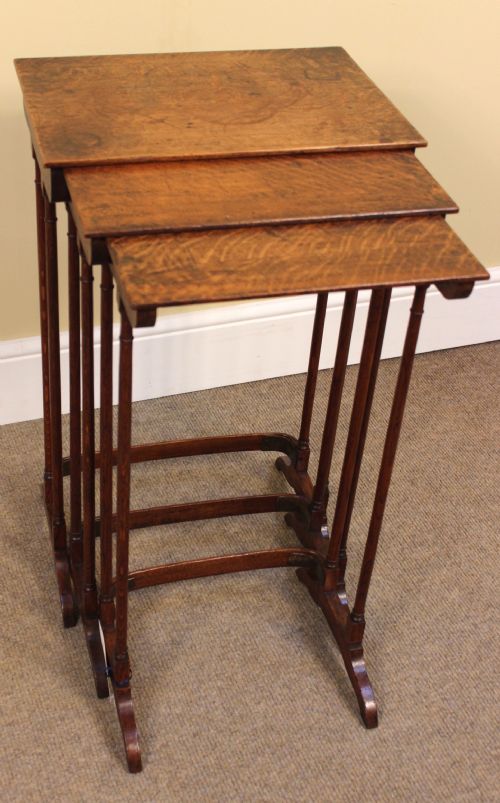
Forms vary widely from simple plank and trestle tables to circular centre tables, gatelegs, and nests of three. Certain variants incorporate alternative materials, pairing the oak with siena marble, giltwood, metal, or leather details.
What Varies in Quality
Quality rests upon the integrity of the timber and the honesty of the conversion when older chests or benches are adapted into tables. Tables retaining their original surface patination and uncompromised structural proportions command greater appreciation.
The distinction between a standard production piece and a finer example lies in the crispness of carved details and the selection of figured oak boards. Refined proportions and thoughtful integration of materials such as giltwood or marble elevate the piece.
Listings feature oak alongside diverse materials including siena marble, giltwood, leather, and ebonised wood.
The English Oak Coffee Table Glossary
- Pig bench
- A low wooden bench traditionally used in rural farmhouses, now repurposed as a coffee table. These pieces often display heavy boards and weathered surfaces.
- Gateleg table
- A table with hinged drop leaves supported by swing-out legs. This form offers adjustable surface space while maintaining a compact footprint.
- Blonde oak
- A lighter-toned variety of oak timber frequently utilised in Art Deco and modernist designs. It provides a cleaner, more contemporary aesthetic than dark antique finishes.
- Marquetry
- Decorative inlay work using various woods to create pictorial or geometric patterns on the surface. It adds a layer of intricate craftsmanship to Victorian tables.
- Siena marble
- A yellow-brown decorative marble quarried in Italy, occasionally set into the tops of nineteenth-century centre tables. It introduces a striking contrast to dark oak timber.
English Oak Coffee Table: Frequently Asked Questions
Are these tables converted from older items?
Many low coffee tables originate as eighteenth or nineteenth-century blanket chests, tool trunks, or pig benches adapted for modern seating heights.
This adaptive history is standard for the category and preserves utilitarian timber furniture for contemporary living rooms.
How do I care for an oak surface?
Maintain the timber by applying appropriate beeswax or natural oils to nourish the grain and protect against moisture.
Avoid placing the table near direct heat sources to prevent the solid oak boards from splitting or warping over time.
What periods do these tables represent?
The inventory spans the eighteenth century, the Victorian and Edwardian eras, through to nineteen thirty Art Deco designs.
Earlier pieces showcase rustic country craftsmanship, while nineteen-thirties examples lean towards modernist blonde oak aesthetics.
How do I identify a Georgian piece?
Georgian furniture often displays heavier proportions, hand-cut joinery, and deep patination earned through long use.
Items from this period frequently include converted chests and robust plank tables showing minimal modern intervention.