


Brown Oak Low Table
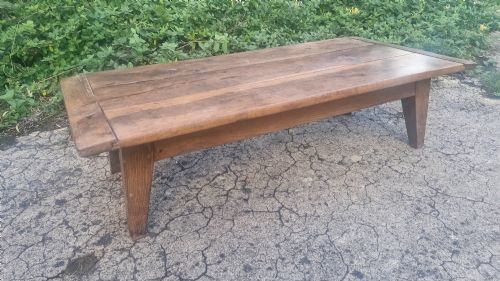
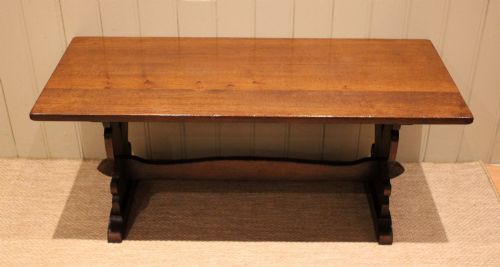
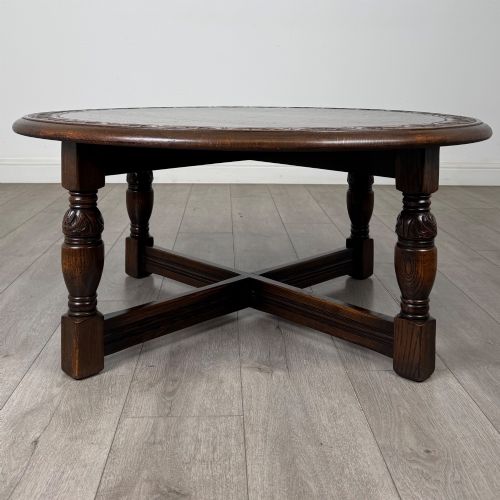
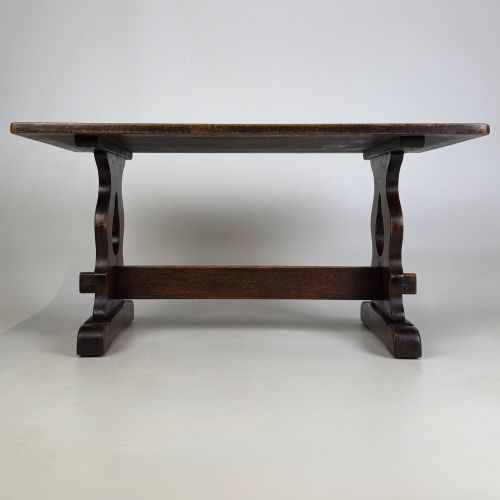
A brown oak low table brings substantial timber and low-slung proportions into a room, offering a sturdy surface derived from centuries-old forms.

Brown Oak Low Table
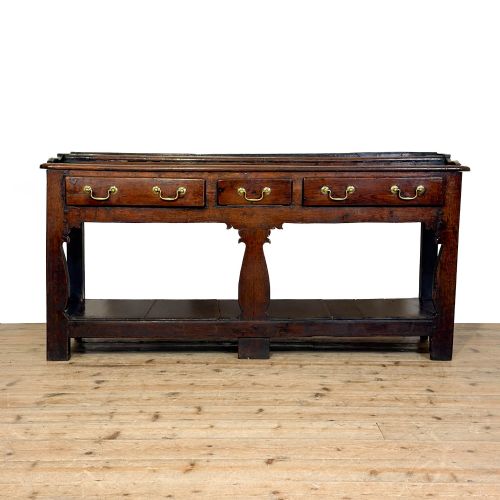
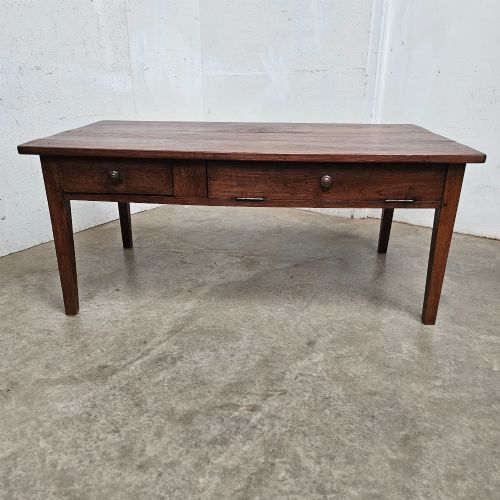
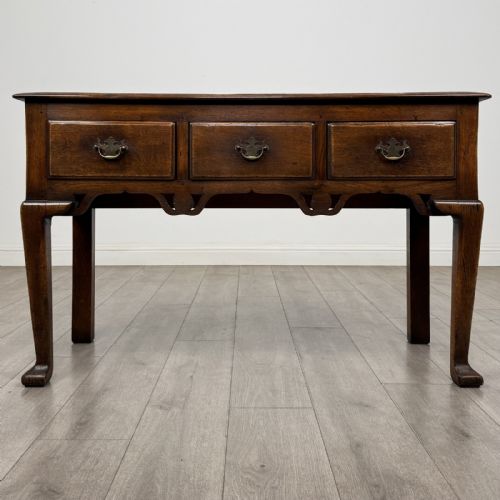
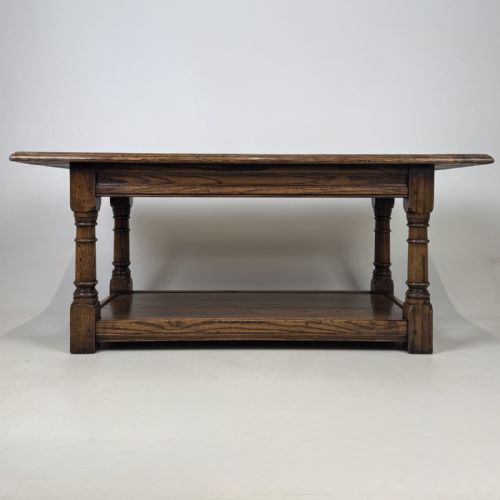
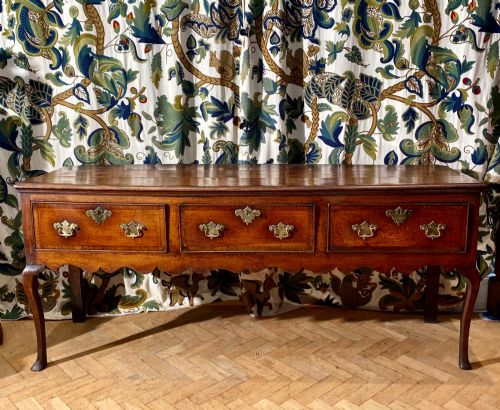
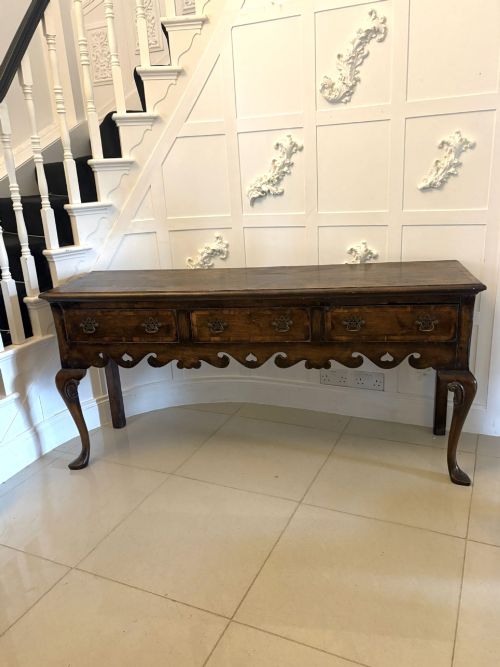
A brown oak low table encompasses various low-level furniture forms found on this page, ranging from adapted antique benches and dressers to purpose-built coffee tables. When searching for a brown oak low table, buyers encounter pieces originating from the seventeenth, eighteenth, nineteenth, and twentieth centuries, including Edwardian and Georgian periods.
How they were made
Construction relies heavily on solid oak timber and assorted hardwoods, shaped using traditional joinery methods suited to heavy-use furniture. Workshops utilised hand tools to cut planks, joint stools, and frame bases, integrating brass or iron fittings where structural reinforcement was required.
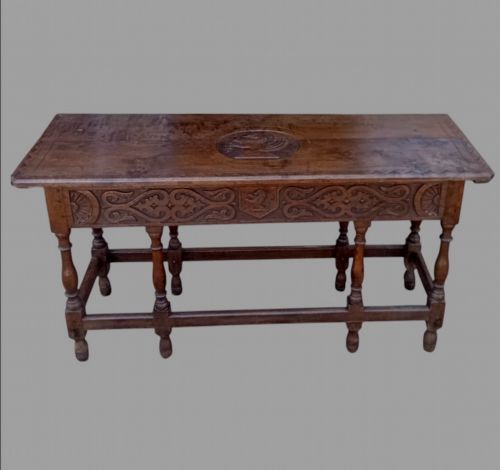
Surfaces often show carved details or plain plank tops, depending on whether the item began as a utilitarian pig bench, a dresser base, or a dedicated side table. The finishing techniques applied by makers left natural grain patterns exposed, highlighting the dense character of the wood.
Brown Oak Low Table Retail Price Guide 2026
Typical asking prices for brown oak low table among the pieces listed under this phrase on Sellingantiques today, from the lower quarter to the upper quarter. They describe what is for sale here now, not the wider market.
Several heavy wooden benches once used for agricultural tasks now happily hold morning coffee cups.
What varies in quality
The distinction between items rests in the integrity of the timber and the honesty of the conversion from taller forms to low tables. Pieces retaining their original seventeenth or eighteenth-century proportions and joinery display a different character compared to later adaptations.
Surface depth and timber patination also differentiate examples, with older Georgian and Victorian items showing richer depth in the wood grain. The quality of the carving and the stability of the low frame dictate the overall substance of the piece.
The Brown Oak Low Table Glossary
- Dresser base
- The lower section of a traditional dining room storage unit, frequently adapted into a low console or side table. These pieces usually feature banks of drawers or cupboards beneath a wide timber top.
- Joint stool
- A sturdy wooden stool built with mortise and tenon joints, often used as a small seat or low stand. Surviving examples demonstrate early domestic carpentry techniques.
- Pig bench
- A low wooden bench historically used in agricultural settings, now repurposed as a long coffee table. They are characterised by thick timber tops and simple, robust legs.
- Refractory style
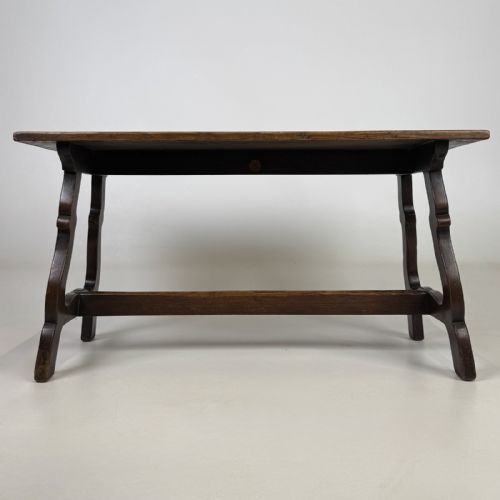
- A heavy table design featuring substantial legs connected by a low stretcher rail. This format provides high stability for dining or low-level surface use.
- Low boy
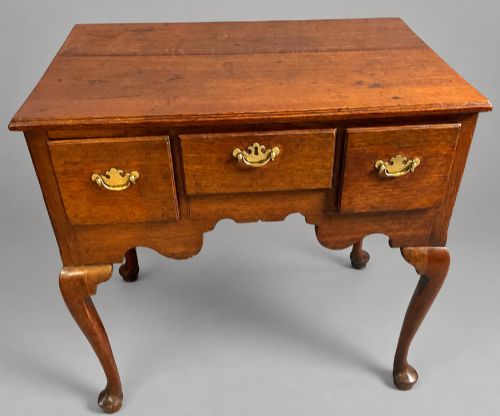
- A traditional eighteenth-century side table with a low drawer arrangement raised on slender legs. These items served various domestic functions in period interiors.
Brown Oak Low Table: Frequently Asked Questions
What is a brown oak low table?
A brown oak low table is a low-level furnishing created from aged oak timber, spanning historical styles from seventeenth-century joinery to Edwardian adaptations.
These pieces often originate as repurposed benches, side tables, or dresser bases brought down to coffee table height for contemporary living spaces.
How were these low tables used originally?
Many items started life as utilitarian furniture such as kitchen work bases, agricultural pig benches, or dining seating rather than low coffee tables.
Over time, changing domestic habits led to the shortening of taller tables and the repurposing of sturdy benches to suit modern seating arrangements.
How do I identify the period of an oak table?
Dating relies on observing construction methods, joinery types, and the style of the legs, such as cabriole designs or turned supports characteristic of Georgian and Victorian eras.
Tool marks and the natural ageing of the oak timber also provide reliable indicators of whether a piece dates to the seventeenth, eighteenth, or nineteenth century.
Are these tables made from solid oak?
The listings demonstrate construction primarily from solid oak, timber, and related hardwoods like elm, reflecting heavy-duty historical manufacture.
Makers built these items to withstand demanding daily use, resulting in dense, heavy structures that endure across centuries.