






Chinese Carved Table
A Chinese carved table brings dense timber, intricate relief work, and centuries of regional design traditions directly into a modern interior.

Chinese Carved Table
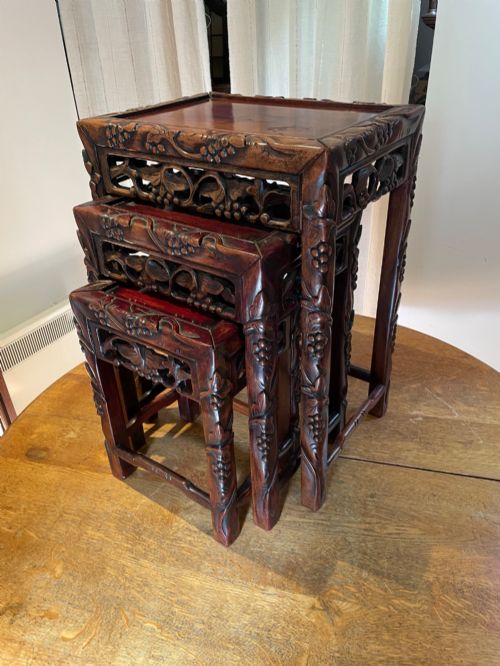
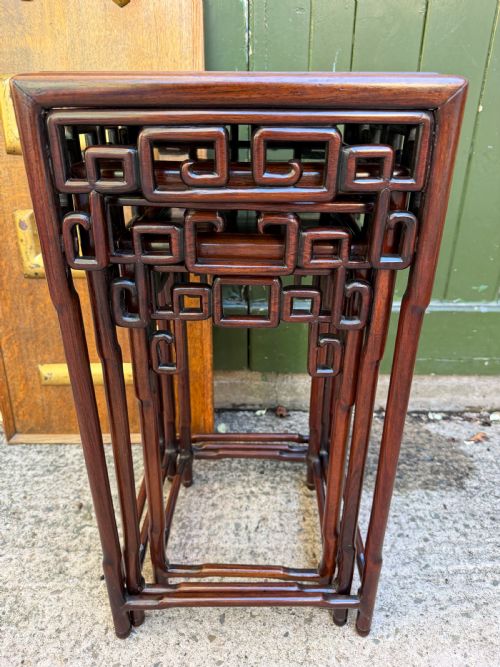
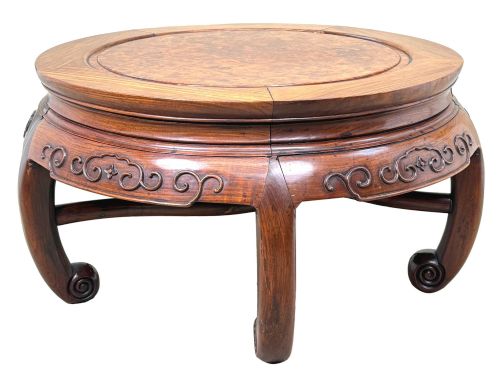
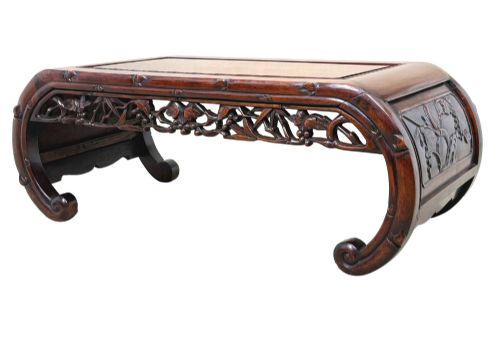
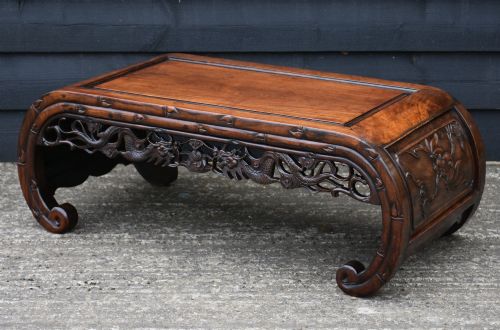
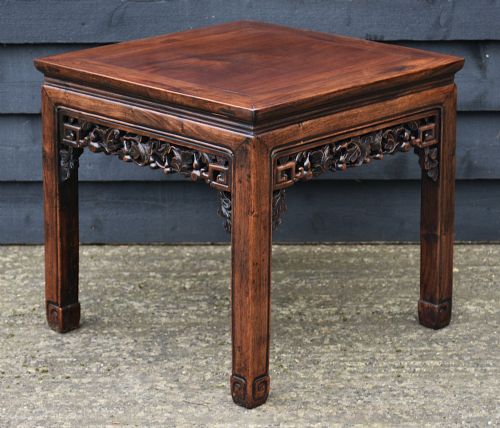
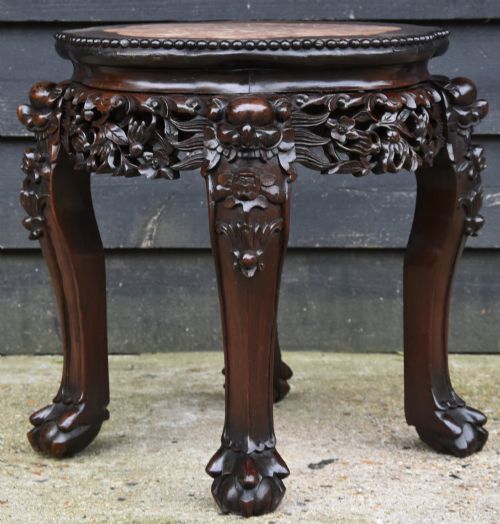
A Chinese carved table encompasses a diverse range of domestic furniture, stretching from low opium tables and altar benches to nests of four graduated tables and tall plant stands. Buyers selecting a Chinese carved table often encounter pieces dating from the nineteenth century through the early twentieth century, reflecting Qing Dynasty and Chinese Export traditions.
Surviving examples frequently utilise dense native timbers, while surface decoration incorporates traditional motifs such as dragons, foliage, and geometric fretwork panels. Many low forms double as coffee tables in contemporary settings, bridging historical utility with modern interior demands.
Materials and Technique
Cabinetmakers relied on heavy, durable hardwoods such as rosewood, hongmu, and huanghuali, alongside regional timbers like elm and camphor wood. These woods were chosen for their natural grain patterns and structural resilience under intricate hand-carving.
Joinery techniques often bypassed metal nails entirely, employing precise mortise and tenon joints that allowed the dense timbers to expand and contract naturally. Surfaces were frequently embellished with deep relief carving, mother of pearl inlay, or inset marble panels to contrast with the dark wood.
Chinese Carved Table Retail Price Guide 2026
Typical asking prices for chinese carved table among the pieces listed under this phrase on Sellingantiques today, from the lower quarter to the upper quarter. They describe what is for sale here now, not the wider market.
Common forms include plant stands, opium tables, altar tables, and nests of four graduated tables.
Judging Quality
The distinction between standard and superior pieces lies primarily in the crispness of the hand-carved relief and the selection of the timber grain. Finer examples display deep, undercut carving with sharp botanical or mythical details rather than shallow, mechanical moulding.
The choice of secondary materials also dictates grade, such as the quality of the veined marble inset into a tabletop or the precision of fitted mother of pearl inlay. Structural integrity, original surface patina, and the weight of the dense hardwood further separate exceptional pieces from ordinary ones.
The Chinese Carved Table Glossary
- Hongmu
- A category of dense, heavy Chinese hardwoods prized for deep reddish-brown tones. Cabinetmakers utilised this timber for formal furniture and display pieces.
- Kang table
- A low domestic table traditionally used for sitting or dining on a heated brick platform. These compact pieces now function frequently as coffee tables.
- Quartetto tables
- A matched set of four graduated nesting tables designed to slide neatly beneath one another. They appeared in numerous nineteenth-century export inventories.
- Altar table
- A long, elevated rectangular table historically placed against a wall for ceremonial offerings. They feature slender proportions and carved aprons.
Chinese Carved Table: Frequently Asked Questions
What is an opium table?
An opium table is a low, sturdy piece traditionally designed for domestic leisure or smoking customs within Qing Dynasty interiors. These tables sit close to the floor and often display subtle dragon carvings or curved legs.
Today, their compact proportions make them well suited for use as low coffee tables in contemporary living spaces.
How do I style a nest of tables?
A nest of tables provides flexible surface space that can be expanded across a room or stacked together when floor area is at a premium. They work effectively beside a sofa or as individual lamp stands.
Because the tables graduate in size, they allow for varied display heights while maintaining a cohesive aesthetic through matching carved details.
Are marble top tables original?
Marble inserts were commonly fitted into the tops of nineteenth-century plant stands, jardiniere tables, and low reception pieces. The stone provided a cool, heat-resistant surface for heavy porcelain vessels and plants.
Original inset marble slabs usually show natural veining and sit flush within the surrounding hardwood frame.
How should I care for antique hardwood?
Antique hardwoods benefit from stable indoor humidity and protection from direct sunlight to prevent timber shrinkage or splitting. Regular dusting with a dry, soft cloth maintains the natural patina.
Avoid using silicone-based polishes, as they can build up over older finishes and dull the grain of rosewood or hongmu.