

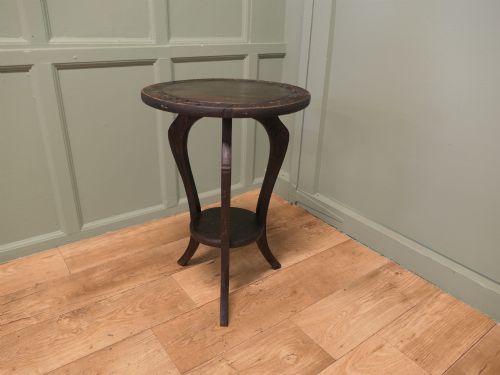
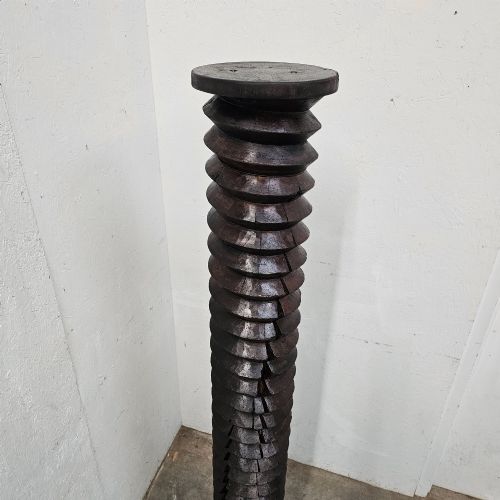
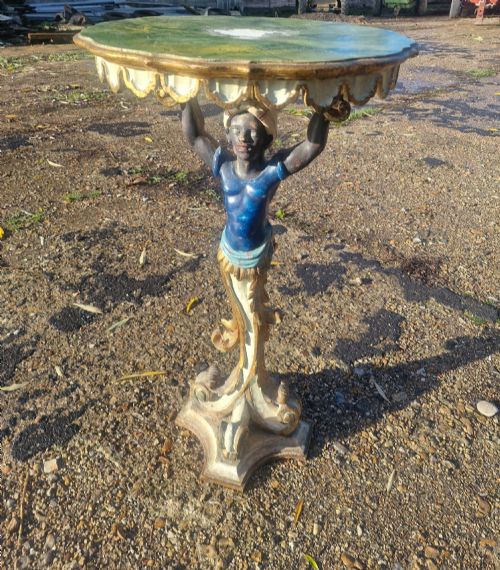
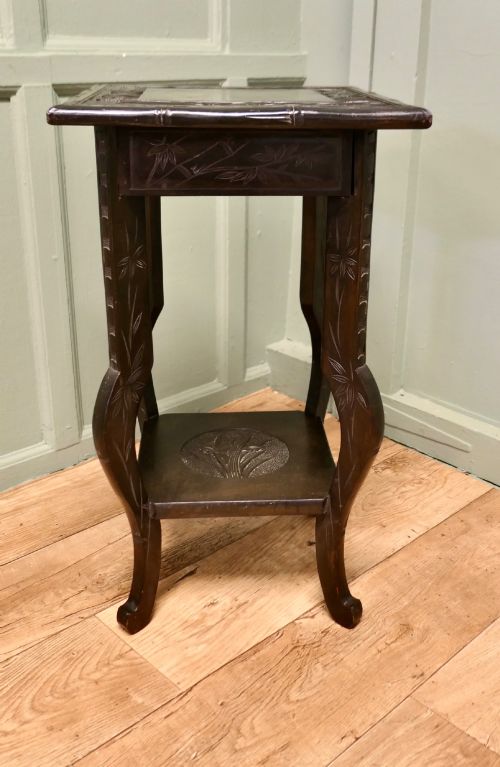


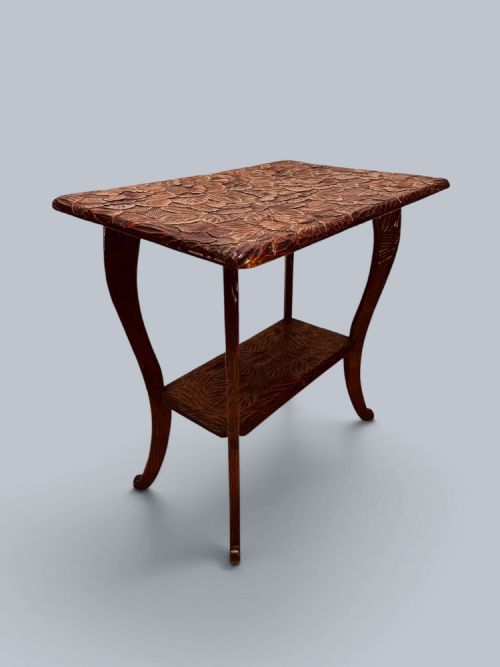
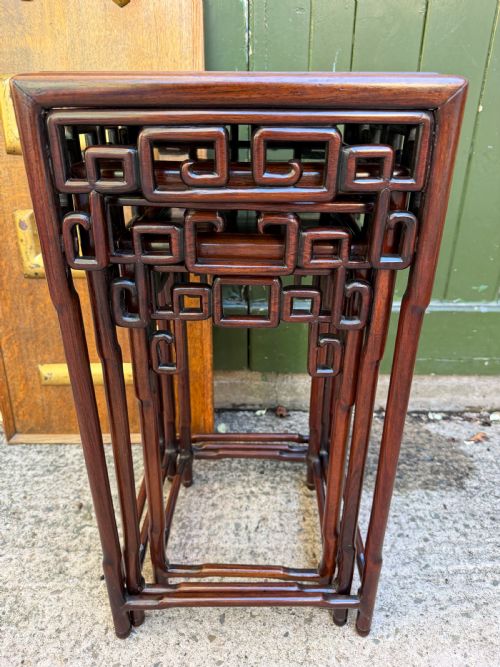
Carved Plant Stand
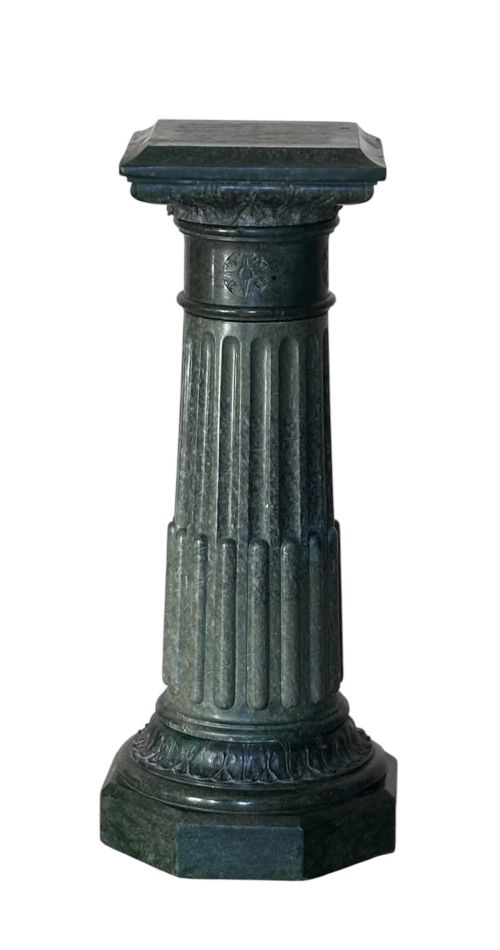
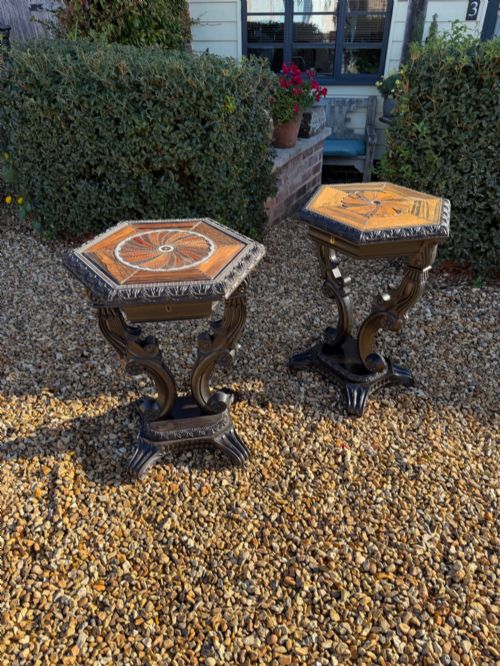
When you search for a carved plant stand, you look for elevated timber and stone surfaces designed to display plants, urns, and lamps.
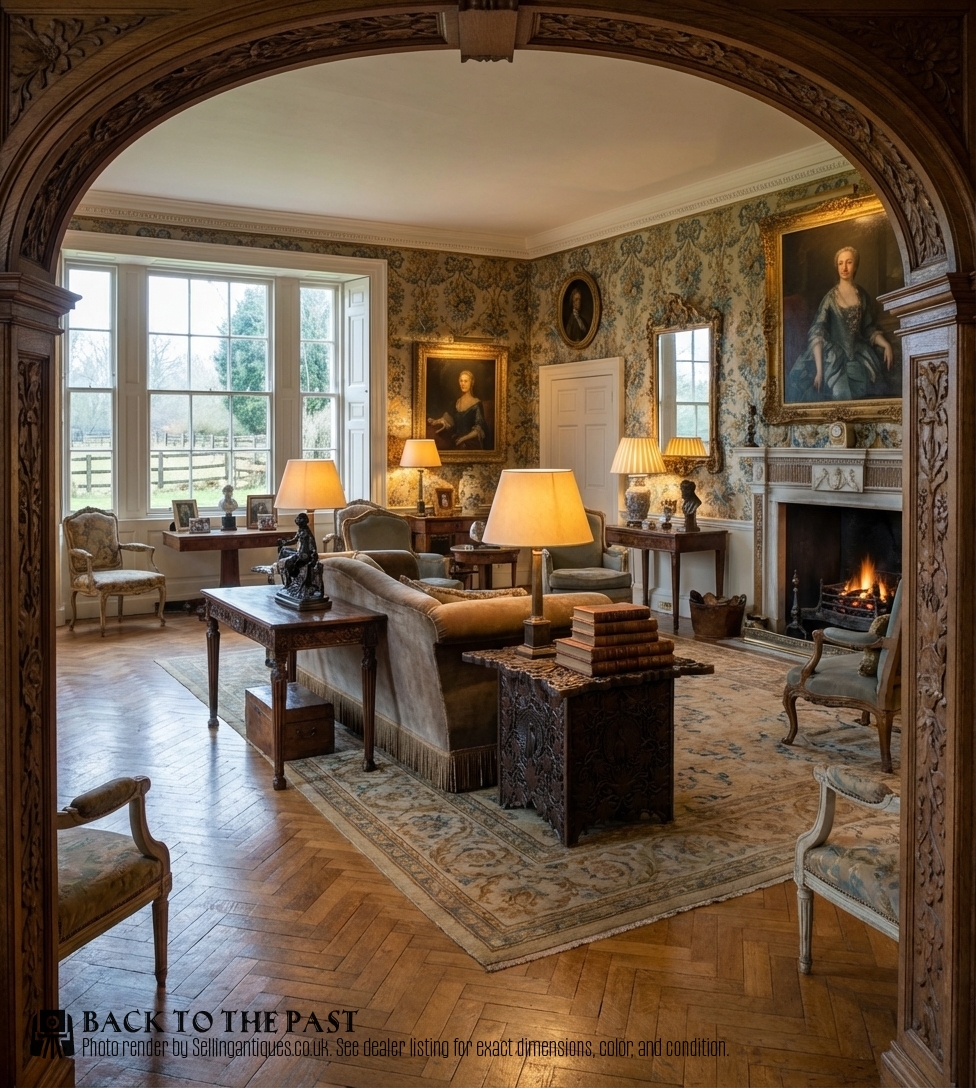
Carved Plant Stand
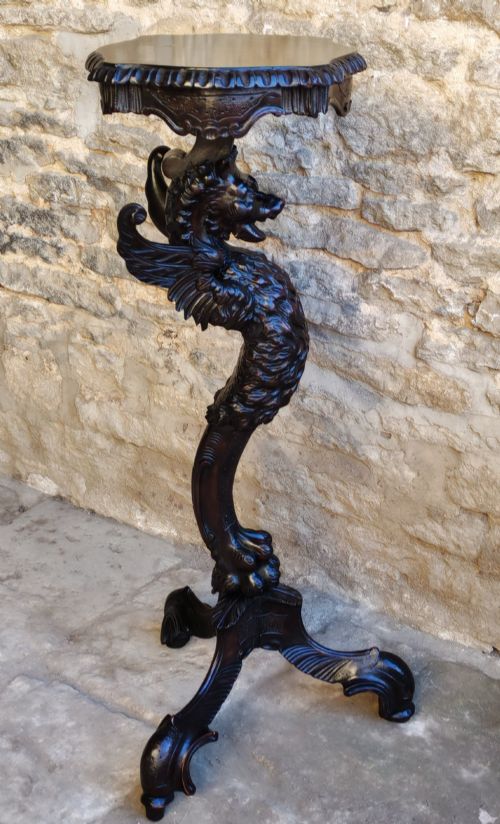
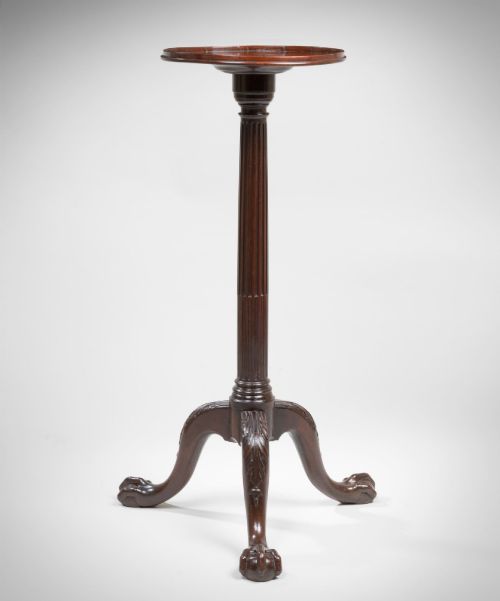
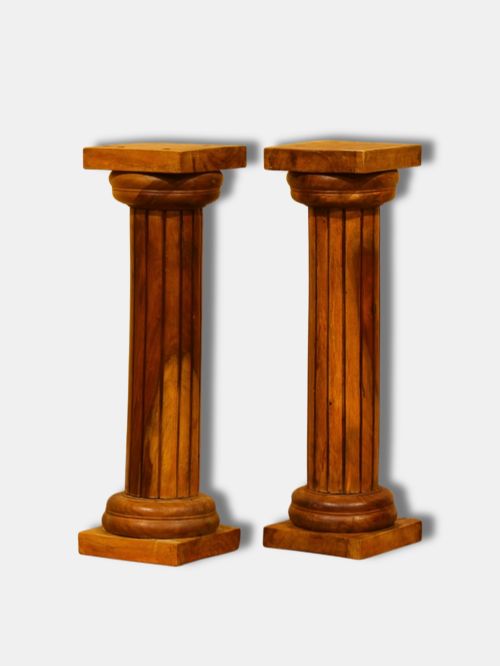
A carved plant stand acts as a pedestal, column, or torchere raised to hold botanical displays and decorative pieces off the floor. These items emerge in diverse forms across the eighteenth, nineteenth, and early twentieth centuries, spanning European revival styles and traditional Asian craftsmanship.
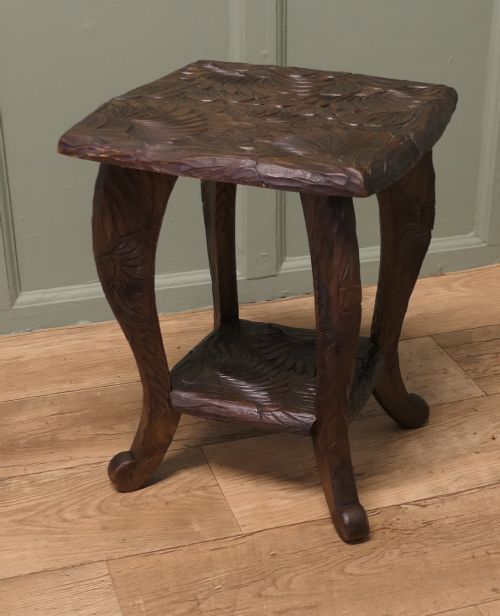
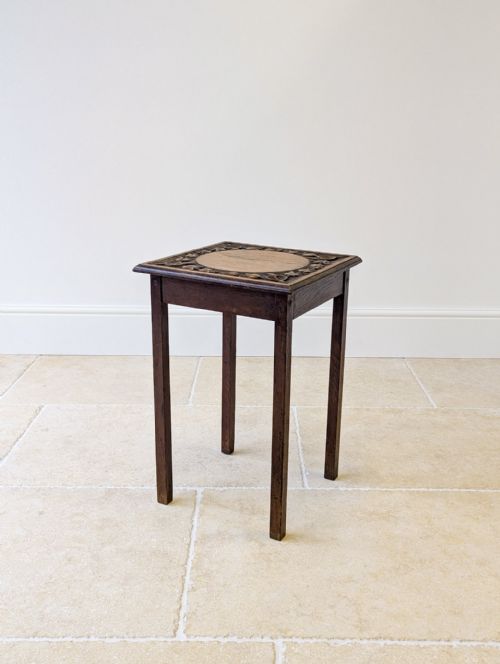
On this page, you frequently encounter Edwardian oak examples alongside nineteenth-century mahogany torcheres and Chinese rosewood stands set with marble. The selection bridges formal domestic interiors and arts and crafts utility through varied heights and silhouette profiles.
Materials and Construction Techniques
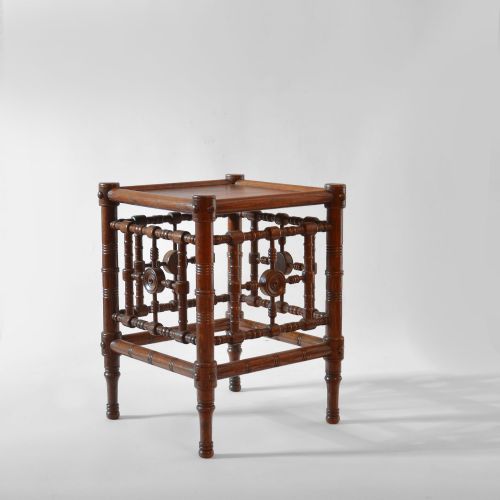
Carpenters shape these stands from dense timbers such as oak, mahogany, walnut, and rosewood, often integrating inset marble slabs to support damp flowerpots safely. Workshops utilise traditional joinery alongside turned columns, spiral barley twist legs, and chip carving.
Surface treatments range from polished hardwoods to ebonised finishes and applied mother of pearl inlay. Metal liners sometimes protect the wooden interiors of jardiniere stands from water damage.
Carved Plant Stand Retail Price Guide 2026
Typical asking prices for carved plant stand among the pieces listed under this phrase on Sellingantiques today, from the lower quarter to the upper quarter. They describe what is for sale here now, not the wider market.
One late Victorian elephant table comes complete with painted wooden tusks ready to hold your botanical displays.
Distinctions in Execution
Quality rests in the crispness of the carving and the selection of timber figures, where deep, hand-chiselled relief work separates superior examples from mechanical production. The integration of materials, such as a tightly fitted marble insert within a rosewood frame, demonstrates skilled cabinet-making.
Proportion and stability define the better pieces, ensuring that slender torcheres and tripod columns maintain structural balance while carrying heavy ornamental vases or plant pots.
Trevor Page & Co·Liberty & Co·A.A Winfield of Mansfield
The Carved Plant Stand Glossary
- Torchere
- A tall, slender stand designed originally to hold a light and later utilised for plants or urns.
- Jardiniere
- An ornamental pot or stand for holding plants and flowers, occasionally equipped with a metal liner.
- Pedestal
- A structural support or column raised to display sculpture, urns, or botanical arrangements.
- Solomonic
- A helical or twist column shape resembling a spiral staircase, popular in seventeenth-century revival furniture.
- Inlay
- Pieces of contrasting material such as marble or mother of pearl embedded into a wood surface to form a design.
Carved Plant Stand: Frequently Asked Questions
What is the difference between a torchere and a plant stand?
A torchere traditionally refers to a tall, slender column originally designed for holding a lighting device, whereas a plant stand specifically accommodates pots and urns. In practice, makers adapted both forms interchangeably for botanical display.
Many nineteenth-century examples share identical tripod bases and narrow circular tops, making them suitable for either lamps or foliage depending on the room arrangement.
How do I place a carved plant stand in a modern room?
These stands fit well into corners, beside seating, or beneath windows where natural light supports potted greenery. Their vertical proportions add height and architectural interest to empty floor spaces.
Pairing a dark oak or mahogany stand with a simple ceramic pot balances heavy historical carving with clean contemporary interiors.
Why do some stands feature marble inserts?
Marble tops provided a durable, water-resistant surface that protected the underlying timber from moisture when watering plants. This practical addition was common on Chinese rosewood and European Victorian jardiniere tables.
The stone insert also added weight to the base, improving stability for taller display columns.
How do I distinguish between Victorian and Edwardian stands?
Victorian pieces tend to feature heavy, dark timbers, dense carving, and ornate details such as barley twist legs or ebonised surfaces. They lean towards formal revival styles and rich patination.
Edwardian stands often reflect lighter oak construction, arts and crafts simplicity, or cleaner lines, though traditional carving methods persisted into the twentieth century.