






Antique Japanese Furniture
These antique japanese furniture pieces combine traditional craftsmanship with distinctive Far Eastern motifs, offering functional storage and striking focal points for modern interiors.

Antique Japanese Furniture
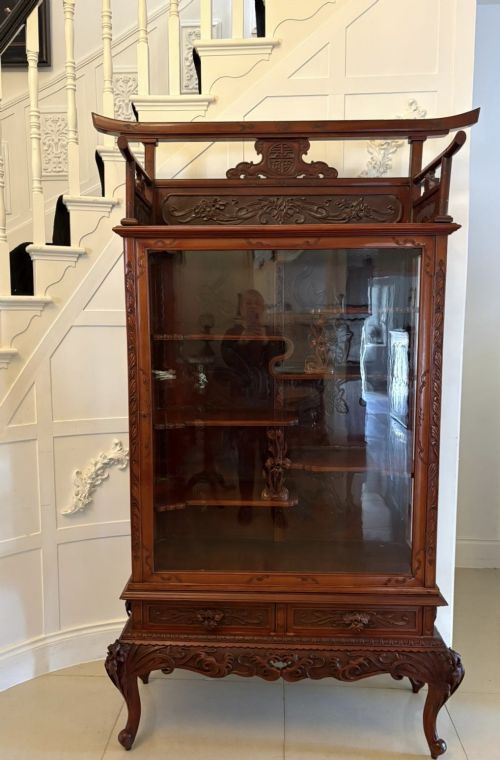
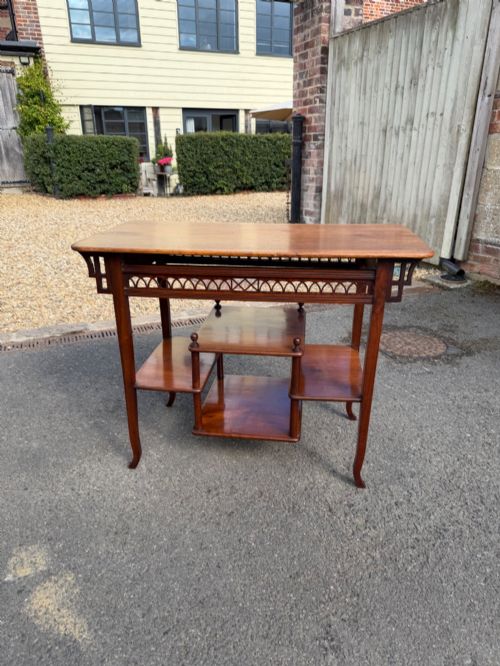
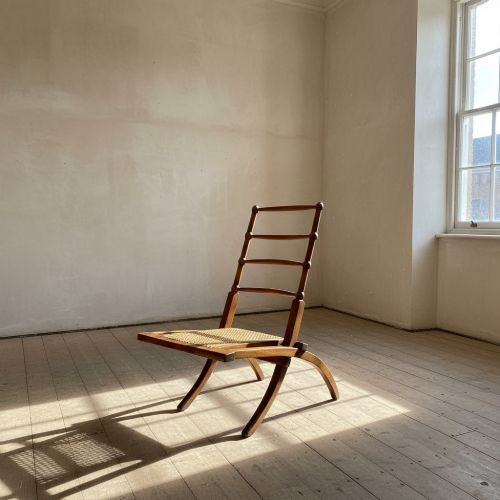
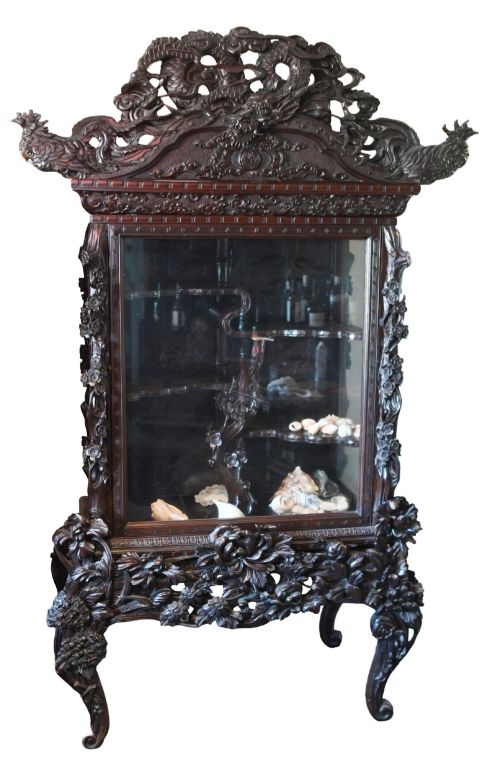
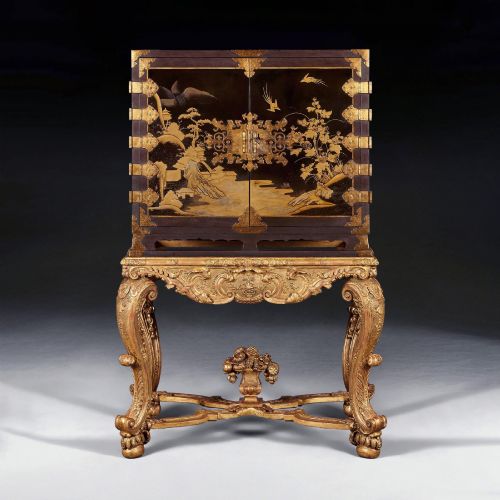
When buyers search for antique japanese furniture, they encounter various storage pieces, display cabinets, and smaller tables created during the nineteenth and early twentieth centuries. These works include traditional regional items such as tansu chests and shodana cabinets alongside pieces produced under European influence.
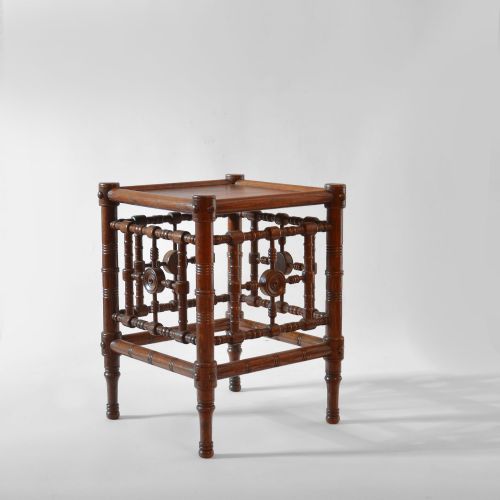
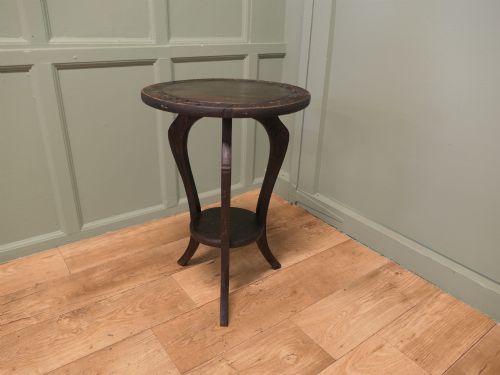
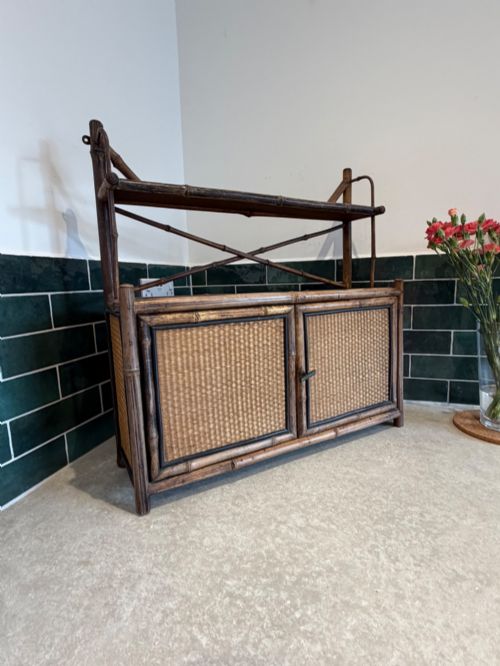
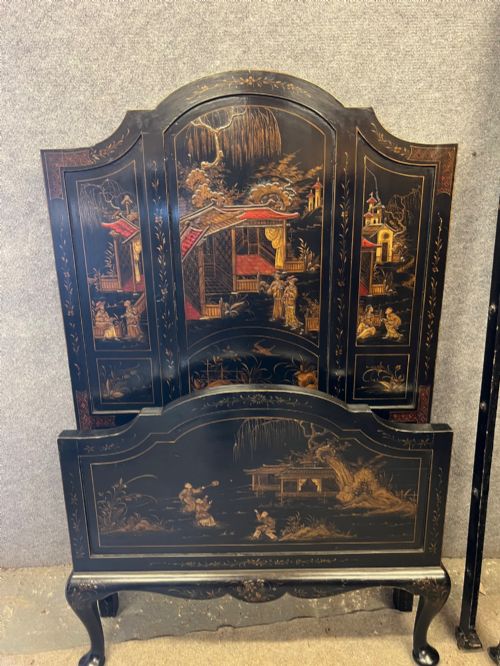
The selection ranges from utilitarian merchant chests and larder cupboards in zelkova, elm, or kiri wood to highly decorative lacquered display cabinets. Buyers frequently find items reflecting nineteenth-century European adaptations, including bamboo and ebonised creations influenced by the Aesthetic Movement.
Originating largely from the Meiji and Taisho periods, these domestic objects bring authentic Far Eastern utility and craftsmanship into contemporary homes. The selection captures both indigenous Japanese workshop traditions and the period appetite for exotic design.
Materials and construction
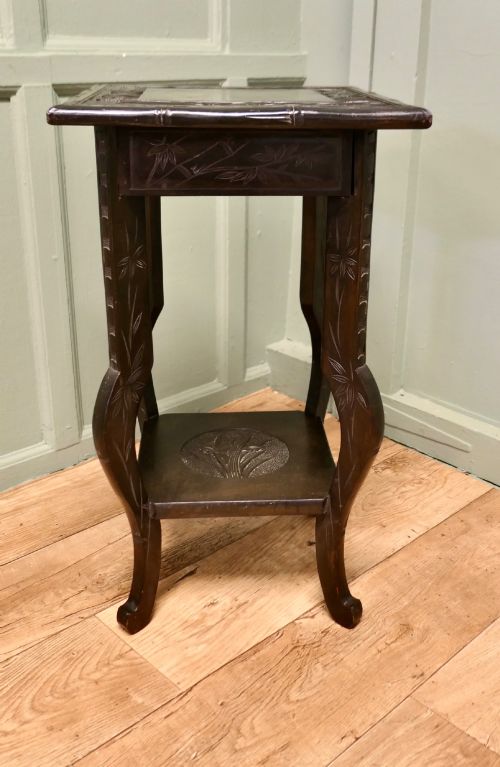
These items utilise traditional timbers such as zelkova, keyaki, elm, kiri, and bamboo, frequently combined with iron hardware, brass mounts, and delicate joinery. Artisans applied successive layers of lacquer to create deep red or black surfaces, occasionally embellishing panels with hand carving.
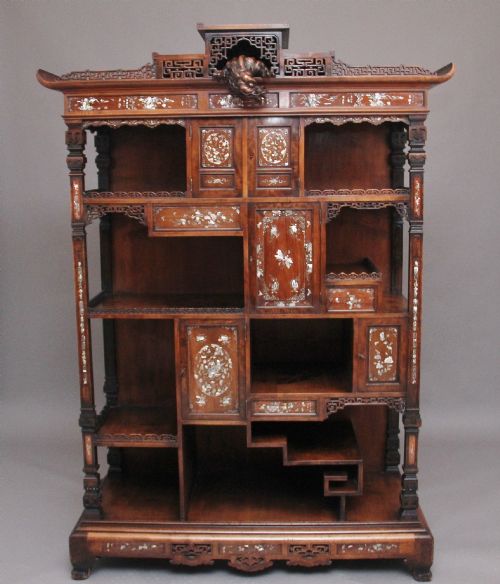
Makers utilised native hardwoods alongside imported materials, constructing sturdy tansu storage chests with iron fittings designed for portability and daily merchant use. Display cabinets and shodana units relied on intricate shelving layouts and multi-tiered timber construction.
Antique Japanese Furniture Retail Price Guide 2026
Typical asking prices for japanese furniture among the pieces listed under this phrase on Sellingantiques today, from the lower quarter to the upper quarter. They describe what is for sale here now, not the wider market.
Assessing quality in construction and finish
Quality reveals itself in the integrity of the timber selection, the weight and finish of the patinated iron or brass hardware, and the depth of the lacquer layers. Superior examples display precise joinery and well-preserved surface finishes without extensive modern intervention.
The distinction between standard utility items and finer workshop pieces lies in the complexity of the internal configuration, the sharpness of hand carving, and the overall balance of the proportions.
Maples and Co·Liberty and Co·Leonard Wyburd·Blyth and Son·Garnett and Sons·Gabriel Viardot
The Antique Japanese Furniture Glossary
- Tansu
- A traditional mobile Japanese storage chest fitted with iron hardware, designed for domestic or merchant use. These pieces often feature multiple internal drawers behind sliding or hinged doors.
- Shodana
- A decorative Japanese display cabinet featuring asymmetrical shelving and small cupboards intended for exhibiting treasured objects. They represent high-status interior furnishings from the Meiji period.
- Aesthetic Movement
- A nineteenth-century design style that embraced exotic influences, including Japanese art and craftsmanship. Furniture in this idiom often utilised ebonised wood, bamboo, and gilt highlights.
- Japonisme
- A Western term describing the nineteenth-century European fascination with Japanese art and aesthetics. It heavily influenced furniture makers who integrated Eastern motifs into domestic British interiors.
Antique Japanese Furniture: Frequently Asked Questions
What is a tansu chest used for?
Traditional tansu chests served as movable storage units for clothing, documents, and valuables in Japanese homes and merchant shops. Their robust iron mountings allowed them to be easily transported during fires or household relocations.
Today, these practical wooden chests function well as sideboards, bedside units, or statement storage pieces in living rooms and hallways.
How do I identify a Meiji period shodana?
A shodana is characterised by its distinctive asymmetrical arrangement of shelves, small compartments, and sliding doors. These cabinets were built for displaying ornaments and ceramics.
They often feature intricate hand carving and fine joinery, reflecting the peak of decorative craftsmanship during the late nineteenth century.
What distinguishes bamboo furniture from this era?
Bamboo items from this period reflect the Victorian enthusiasm for exotic design, often incorporating tiger bamboo or ebonised wood frames. They emerged from the Aesthetic Movement as lighter alternatives to heavy mahogany furnishings.
These pieces suit conservatories, bedrooms, and eclectic living spaces where a lighter touch is desired.
How should I care for lacquered wooden surfaces?
Lacquered surfaces require protection from direct sunlight and extreme temperature fluctuations to prevent cracking or fading. Dusting gently with a dry, soft cloth is usually sufficient for regular maintenance.
Avoid chemical polishes and abrasive cleaners, as they can permanently damage the delicate historical finish.