

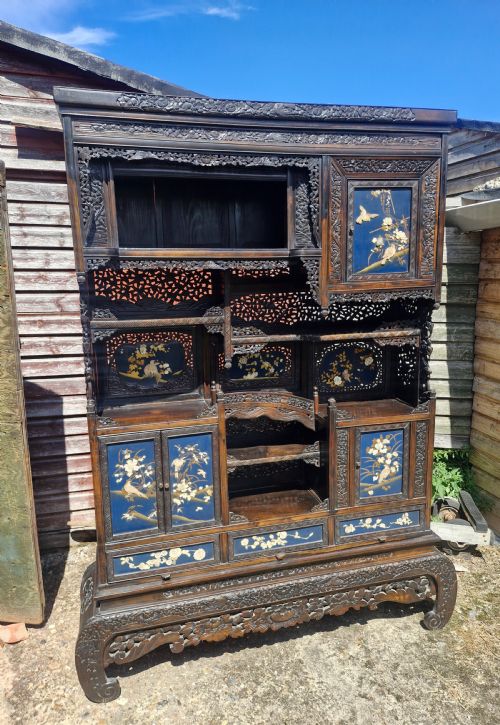


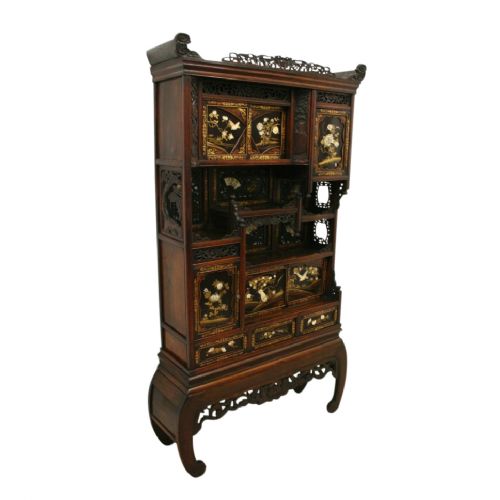


Japanese Shodana Cabinet
A Japanese shodana cabinet is a tiered display piece crafted for shelving and exhibiting small treasures, bringing intricate Meiji period artistry straight into your room.
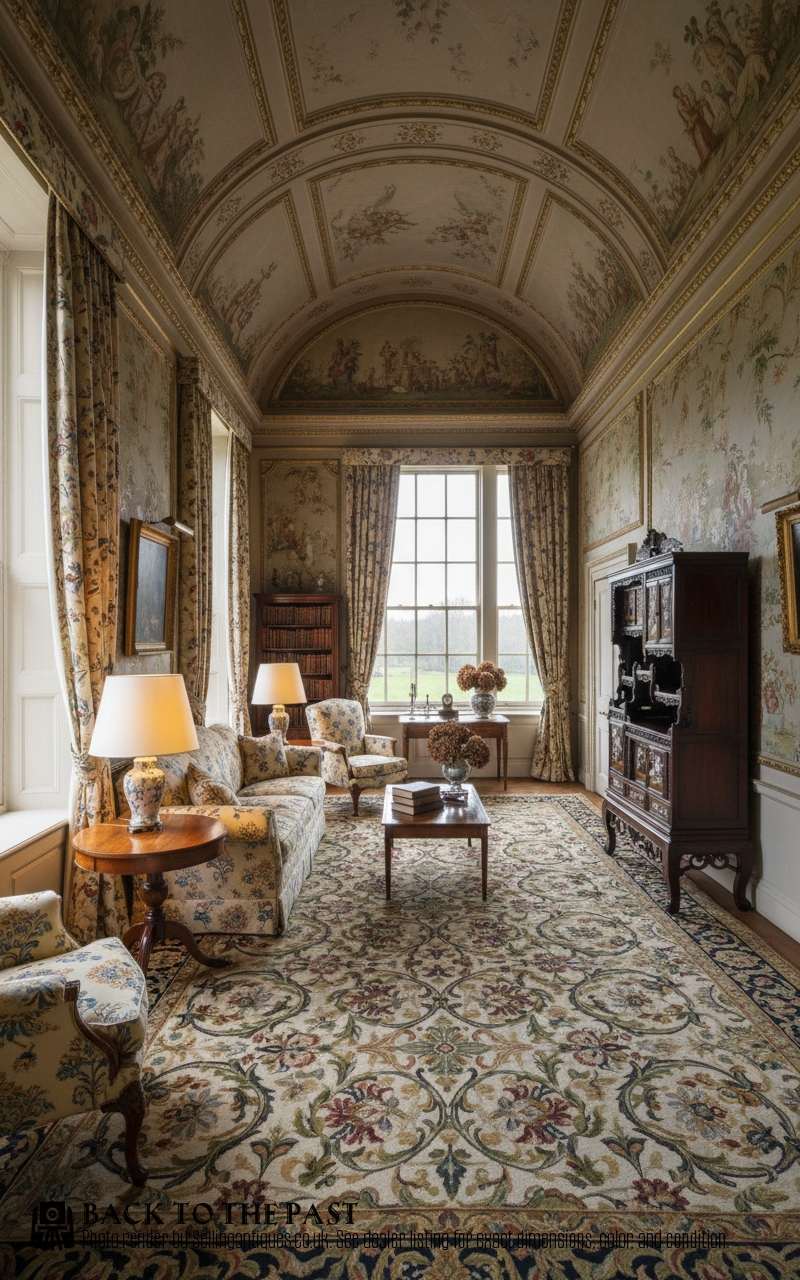
Japanese Shodana Cabinet
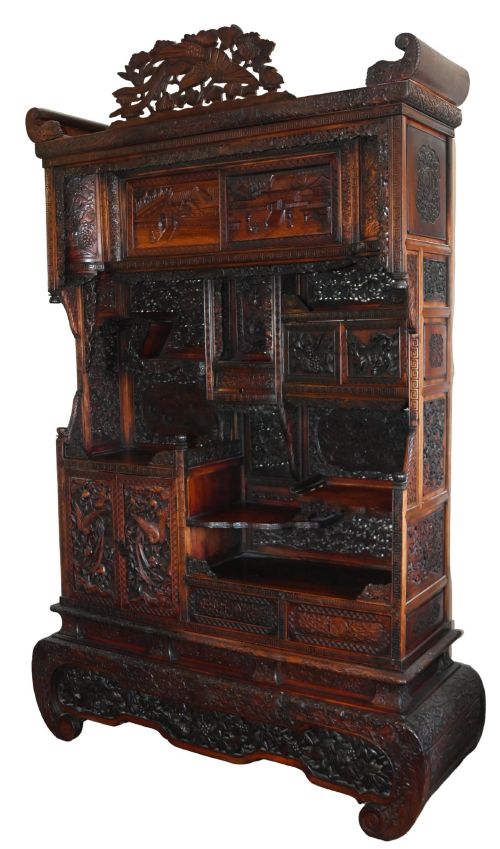
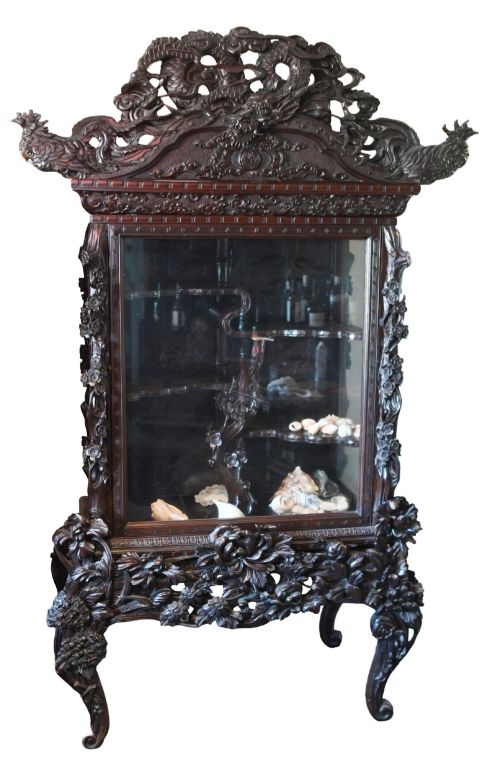
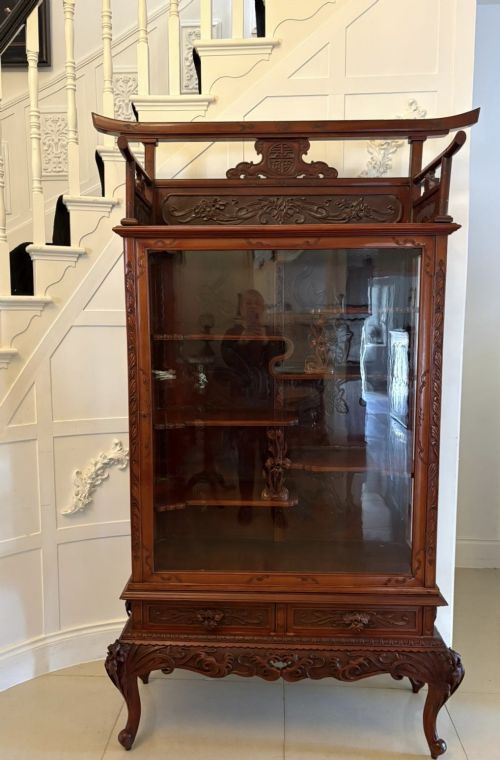
A japanese shodana cabinet is a multi-tiered display case designed for organising and exhibiting small decorative objects. The pieces found here predominantly belong to the Meiji period and the nineteenth century, ranging from compact table versions to large floor-standing units.
Most examples hail from the late nineteenth century and showcase the characteristic asymmetric shelving arrangement typical of the era. Buyers frequently encounter formats that include small cupboards, sliding doors, and open display areas combined within a single frame.
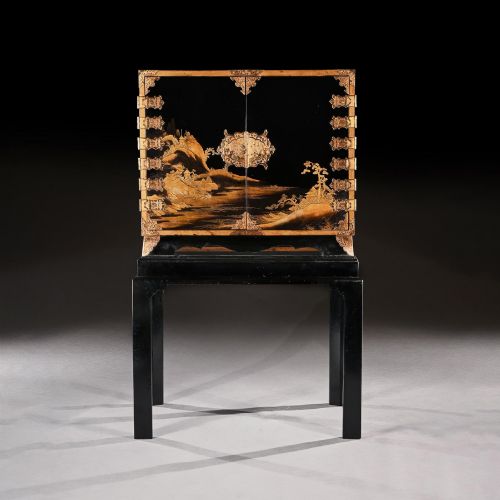
Variations in scale span from miniature cabinets to substantial cabinets-on-stand. Certain larger models incorporate distinct separate stands or incorporate elaborate lacquered panels within their primary structure.
Materials and construction methods
Construction relies heavily on hardwood and elm, providing a robust structural framework for the intricate surface decoration. Artisans applied traditional black, red, and gold lacquer finishes to build rich, glossy surfaces across the panels.
Surface ornamentation incorporates diverse materials such as bone, metal, tortoiseshell, glass, and mother-of-pearl inlay. Many items feature shibayama decoration, integrating delicate organic materials into the lacquered panels to create pictorial scenes.
Japanese Shodana Cabinet Retail Price Guide 2026
Typical asking prices for japanese shodana cabinet among the pieces listed under this phrase on Sellingantiques today, from the lower quarter to the upper quarter. They describe what is for sale here now, not the wider market.
Miniature cabinets squeezed the grand aesthetic of a Meiji reception room down to tabletop scale.
Distinguishing quality across examples
Quality separates along the complexity and depth of the decorative programme, particularly in the execution of gold lacquer and inlaid panels. Finely produced specimens display intricate shibayama work and precise carving that command closer attention.
The integration of secondary elements like metal mountings and specialised joinery defines the upper tier of production. Superior pieces balance structural integrity with elaborate surface detailing without appearing cluttered.
Komai of Kyoto
The Japanese Shodana Cabinet Glossary
- Shodana
- A Japanese tiered display cabinet designed for presenting decorative objects and curiosities. These pieces typically feature asymmetrical shelving combined with small cupboards and drawers.
- Meiji Period
- The historical Japanese era spanning from 1868 to 1912, noted for opening trade and extraordinary decorative arts output. Most cabinets found here originate from this specific timeframe.
- Shibayama
- A decorative technique involving inlay using precious materials like shell, ivory, bone, and metal to form detailed pictorial subjects. This method appears frequently on high-grade lacquer panels.
- Yosegi
- A traditional Japanese marquetry method utilising natural wood grains and colours to create geometric mosaic patterns. This technique forms intricate surfaces without relying on paint or lacquer.
- Lacquer
- A durable resin finish applied in multiple layers and polished to a hard, lustrous sheen. Historic examples often utilise black, red, or gold variants.
Japanese Shodana Cabinet: Frequently Asked Questions
What is a shodana cabinet used for?
A shodana cabinet serves as a display piece intended for exhibiting small ornaments, ceramics, and scholarly items. The varied compartments allow for a balanced arrangement of diverse miniature objects.
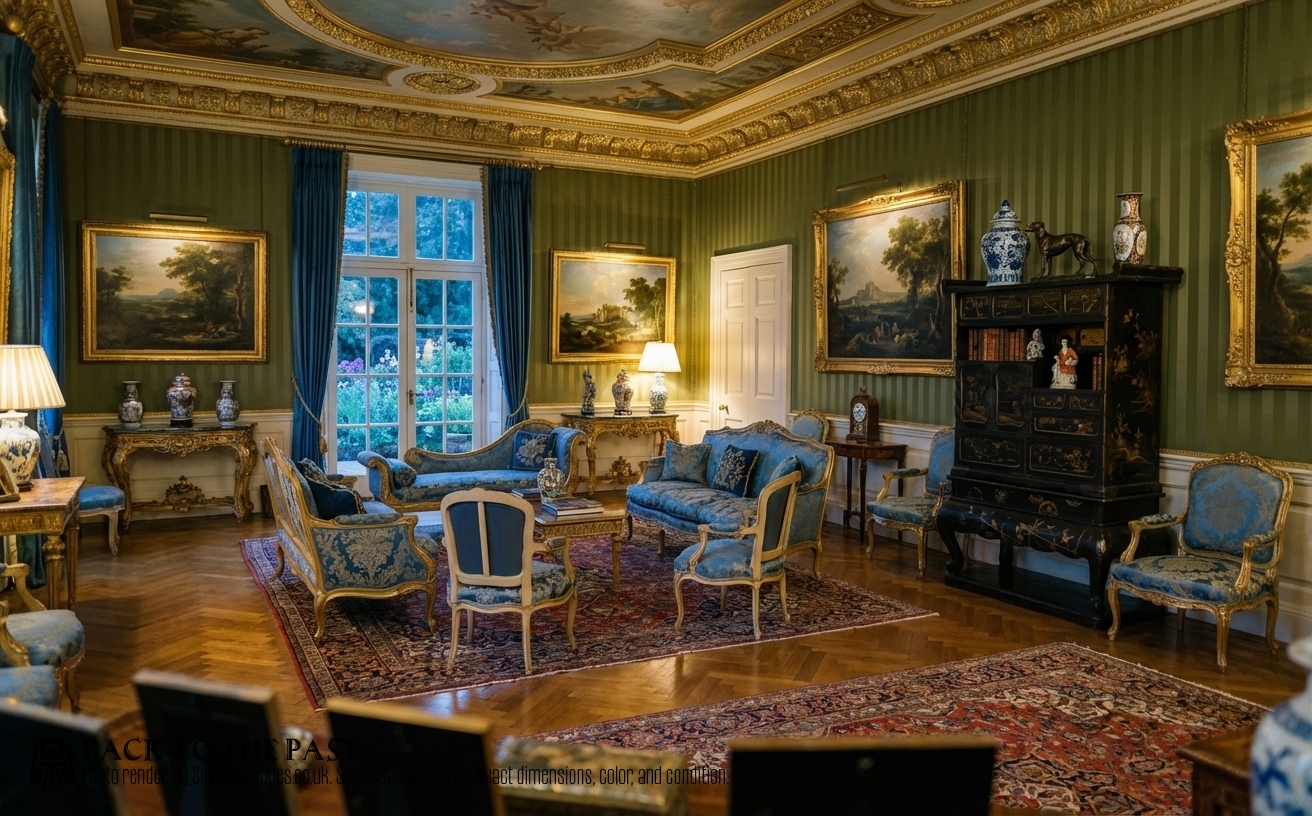
Historically, these cabinets sat within reception rooms to display the refined tastes of their owners through intricate craftsmanship and curated contents.
How do I date a Japanese shodana cabinet?
Dating relies on stylistic indicators, construction materials, and the presence of Meiji period characteristics. Cabinets from the late nineteenth century often combine hardwood structures with detailed lacquer and shibayama panels.
Examining the underlying woodwork and the integration of inlay work helps distinguish nineteenth-century examples from later productions.
Where were shodana cabinets placed in the home?
These cabinets sat upon tables or stood directly on the floor depending on their overall scale. Smaller table versions rested on desks or sideboards for close viewing of intricate details.
Larger cabinets-on-stand functioned as standalone focal points within a room, utilising their height and tiered shelves to anchor the surrounding decor.
What makes shibayama decoration different?
Shibayama decoration utilises raised inlays of organic materials such as mother-of-pearl, bone, and tortoiseshell set into a lacquer ground. This technique creates a tactile, three-dimensional pictorial effect across cabinet doors and panels.
Pieces featuring this style demand significant time from artisans, resulting in highly detailed surface designs.