
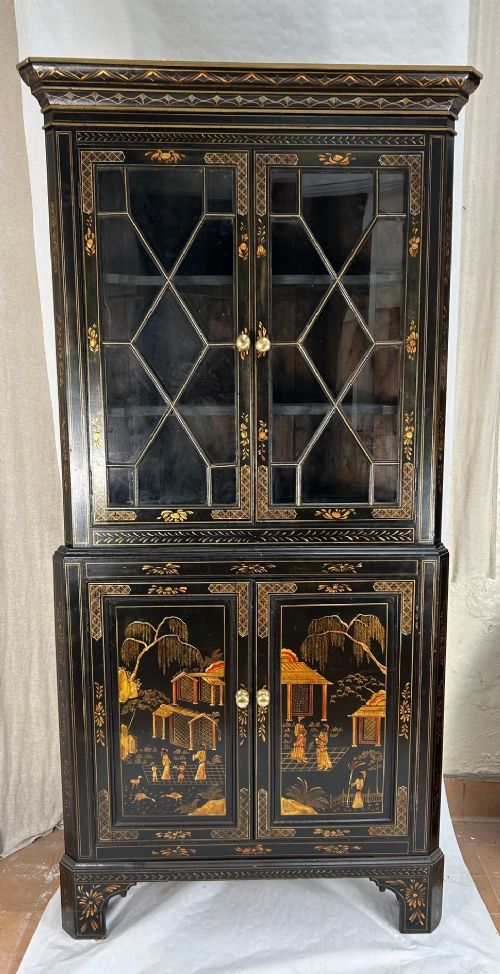
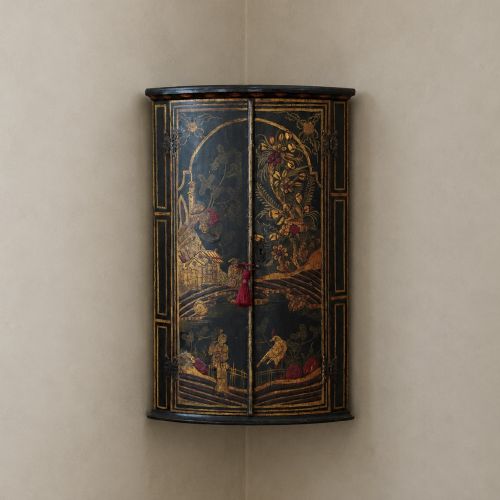
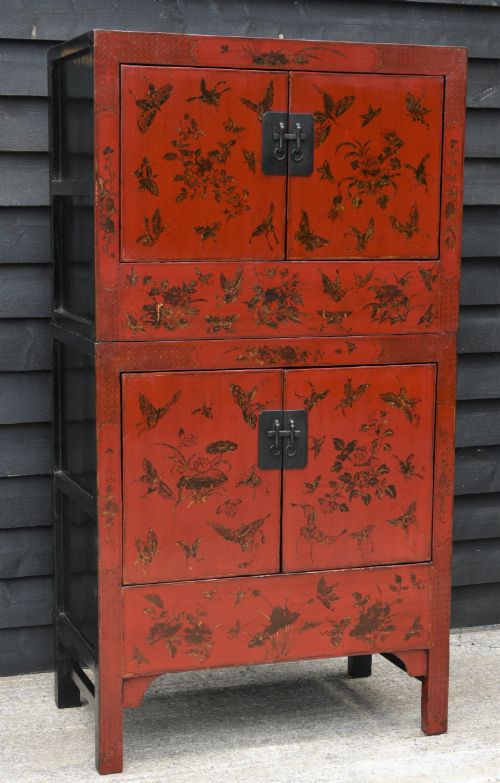
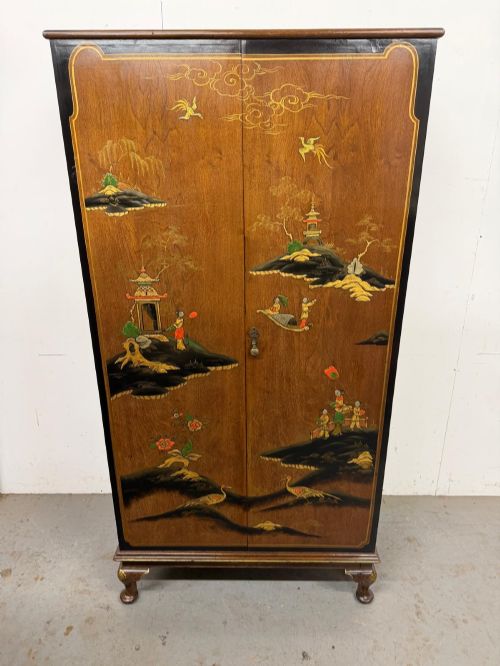
Oriental Lacquered Cupboard
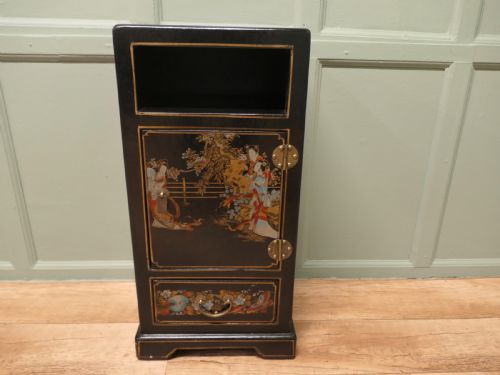
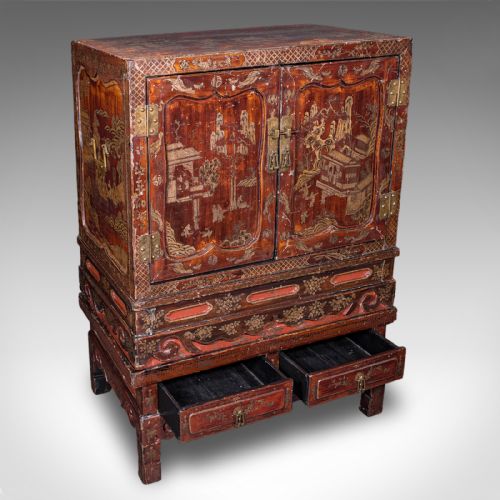
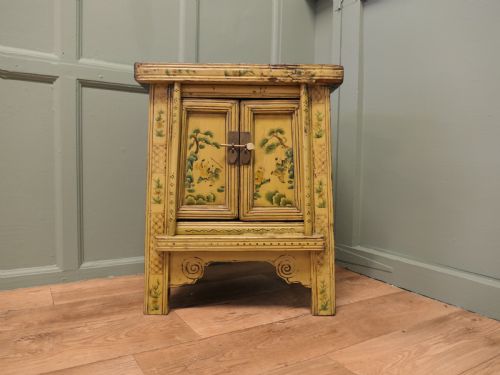
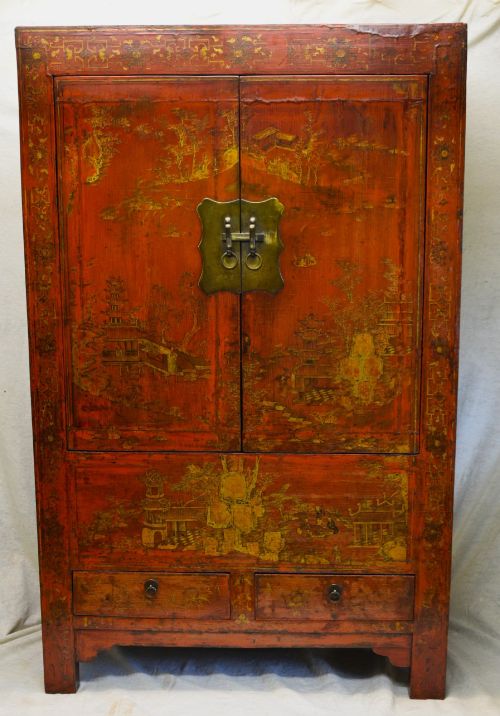
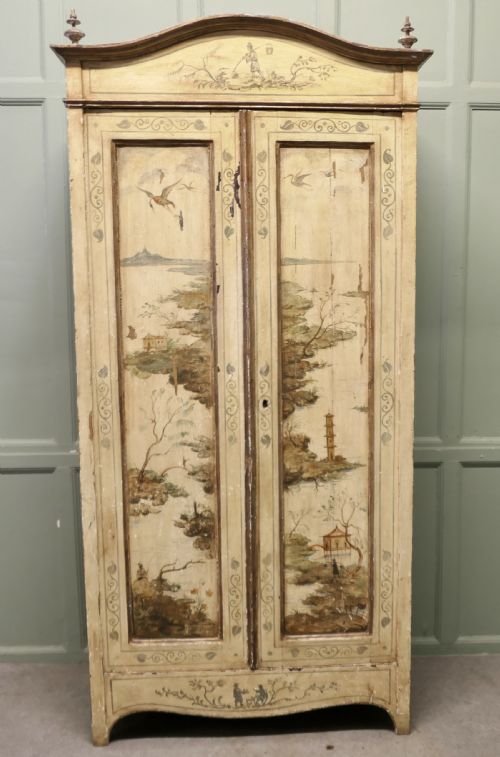
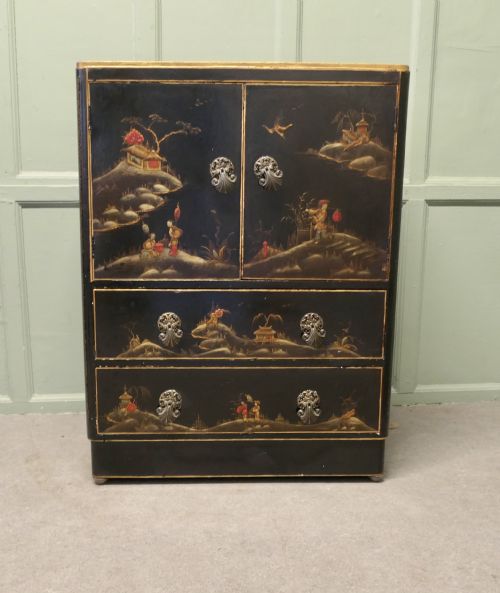
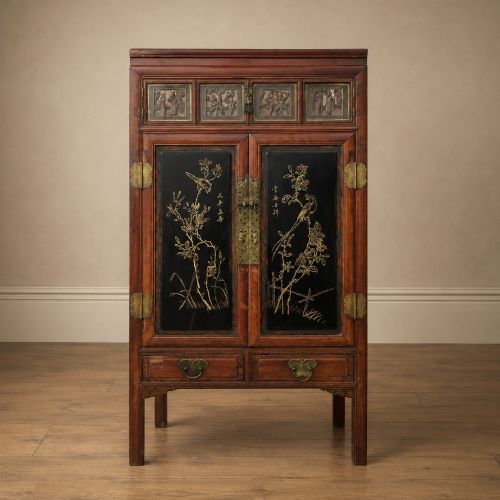
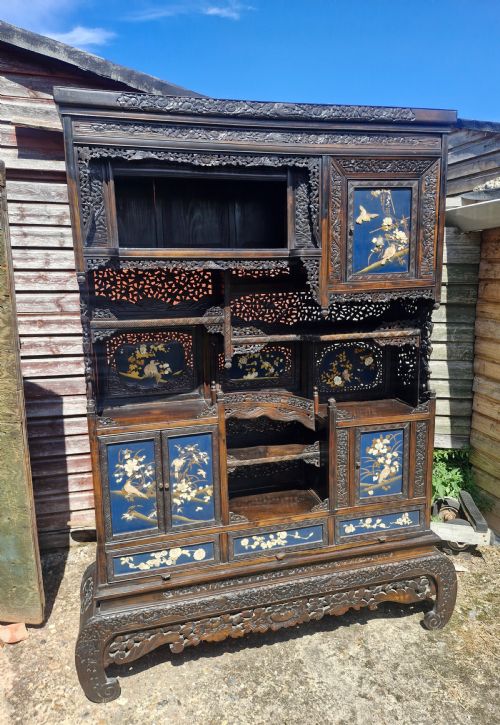
An oriental lacquered cupboard brings rich colour and figurative scenes into a room, offering striking storage across periods from the seventeenth century to the twentieth.
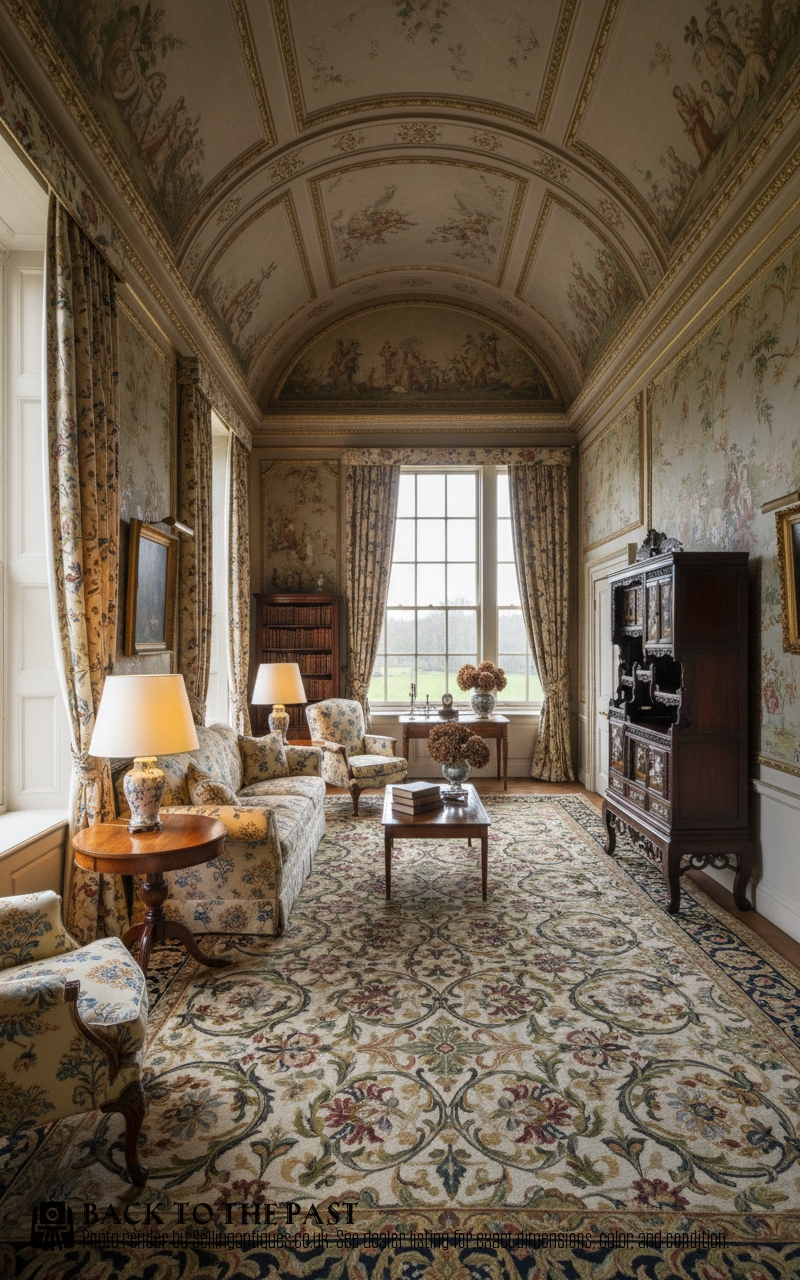
Oriental Lacquered Cupboard
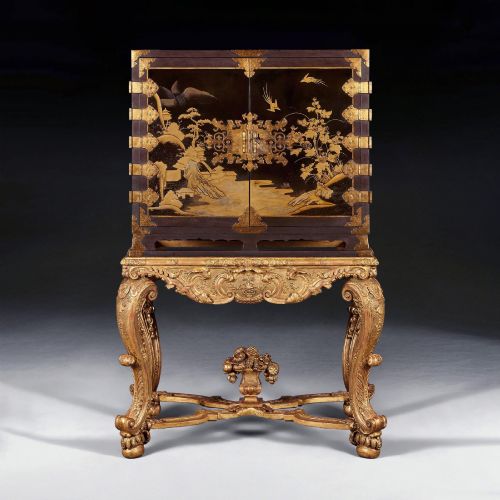
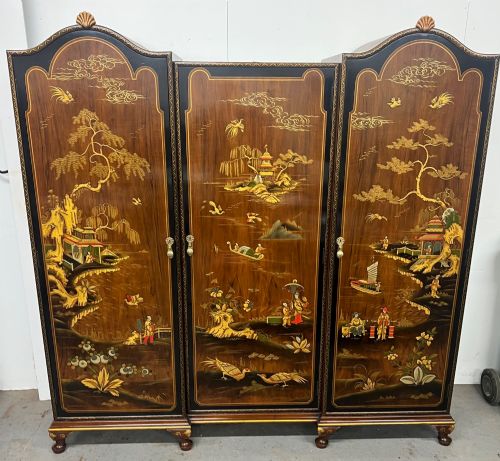
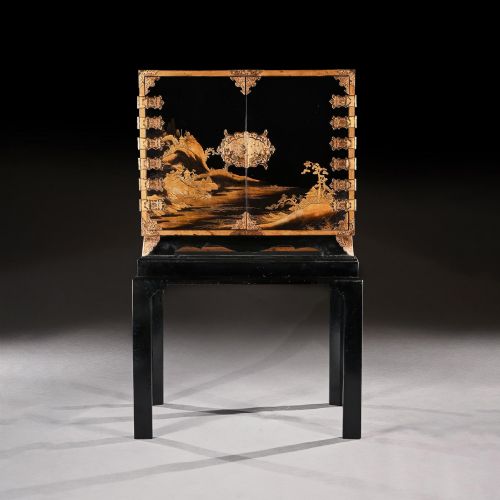
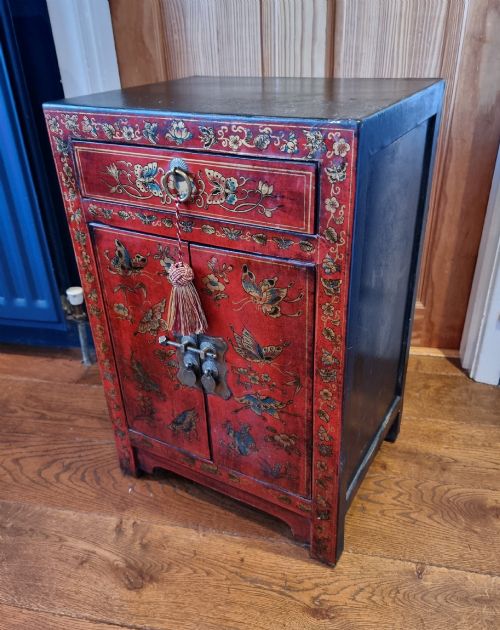
When buyers search for an oriental lacquered cupboard, they encounter a diverse range of storage forms including corner cupboards, side cabinets, wedding cabinets, and tall wardrobes.
The pieces on this page span several centuries, with nineteenth century items appearing frequently alongside earlier examples from the seventeenth and eighteenth centuries, as well as twentieth century interpretations.
Origins vary across traditional Chinese, Qing dynasty, Japanese Meiji period, and European Chinoiserie styles, reflecting both authentic Eastern craftsmanship and Western adaptation.
How they were made
Craftsmen built these pieces using solid wood and hardwood foundations, often applying layers of lacquer to create smooth, durable surfaces suitable for detailed painting and carving.
Decoration relied heavily on gold leaf, gilt, and paint to render outdoor scenes and intricate motifs, frequently complemented by brass hardware for hinges and locks.
Listings feature woods such as hardwood and elm, finished with lacquer, gold leaf, and brass hardware across multiple centuries.
What varies in quality
The skill of the hand-painted decoration determines the visual depth of the outdoor scenes and figurative motifs, distinguishing masterwork surfaces from simpler applied finishes.
The integrity of the underlying woodwork and the original condition of the lacquer layers dictate the structural permanence and historical authenticity of the piece.
Maples & Co.·Harrods
The Oriental Lacquered Cupboard Glossary
- Chinoiserie
- European decorative style in the imitation of Chinese artistic traditions. This aesthetic influenced many eighteenth and nineteenth century English pieces.
- Japanned
- European technique mimicking East Asian lacquer using resin varnishes. It gained popularity on Georgian corner cupboards and cabinets.
- Shodana
- Japanese tiered display cabinet featuring asymmetrical shelving. These pieces often showcase intricate woodwork from the Meiji period.
- Tansu
- Traditional Japanese mobile storage chest built from wood. They frequently incorporate iron or brass fittings for functional daily use.
- Compactum
- Fitted wardrobe designed for efficient compartmentalised storage. Edwardian makers occasionally applied lacquer decoration to these large forms.
Oriental Lacquered Cupboard: Frequently Asked Questions
What is an oriental lacquered cupboard?
An oriental lacquered cupboard is a storage cabinet finished with layered lacquer and often decorated with painted or gilded motifs. These pieces range from traditional marriage cabinets to European Chinoiserie corner cupboards.
They serve as functional storage while introducing rich colour and pictorial design to domestic interiors.
How do I identify a period piece?
Dating relies on examining the underlying construction timber, the composition of the lacquer, and the style of the decorative scenes. Seventeenth and eighteenth century examples often feature distinct stand configurations and European Japanning.
Nineteenth and twentieth century pieces incorporate broader regional variations, including Chinese elm frames and Japanese Meiji period details.
Where were these cupboards placed?
Historically, these cabinets stood in principal rooms, halls, and bedrooms to store clothing, valuables, or household goods. Corner cupboards fitted neatly into domestic architecture to maximise floor space.
Table cabinets and smaller chests sat upon dedicated stands or furniture surfaces for accessible daily use.
How do I care for lacquer furniture?
Maintenance requires keeping pieces away from direct sunlight and maintaining stable room humidity to protect the delicate lacquer surface. Gentle dusting with a dry, soft cloth preserves the gilt and painted details.
Harsh chemical cleaning agents should be avoided entirely to prevent damage to the historic finish.