


Antique Lacquer Cabinet
An antique lacquer cabinet brings layers of hand-painted narrative, deep colour and historic craftsmanship directly into a modern room.
Antique Lacquer Cabinet
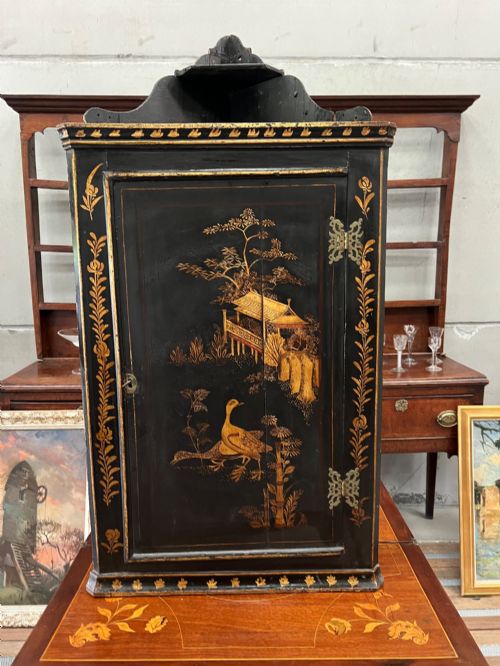
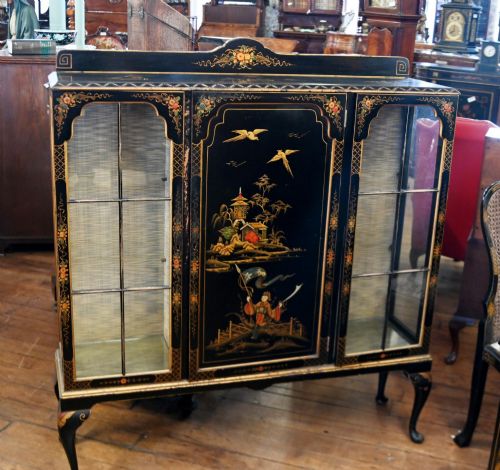
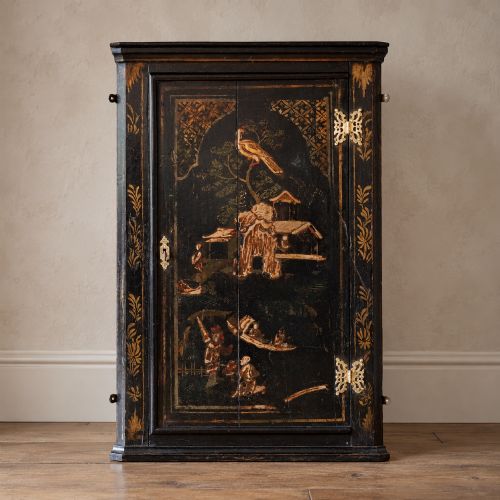
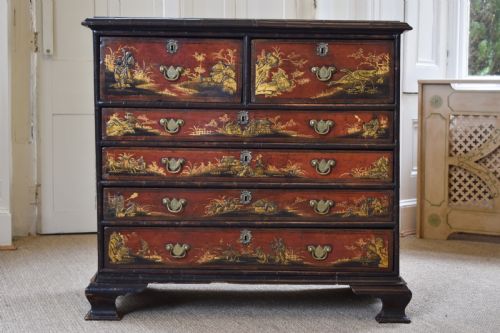
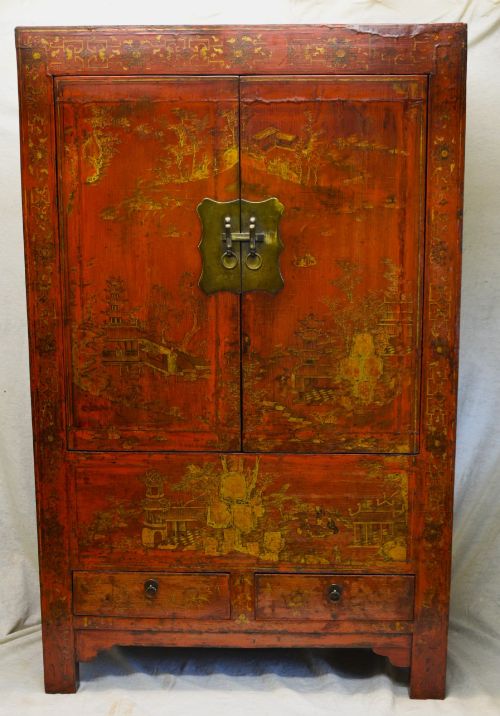
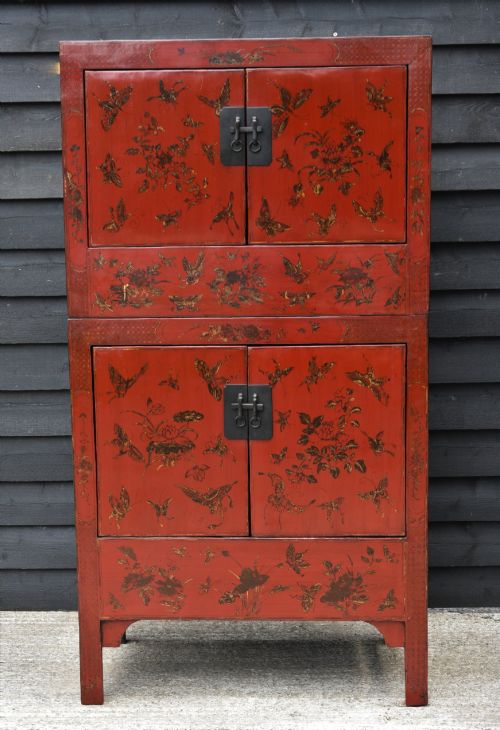
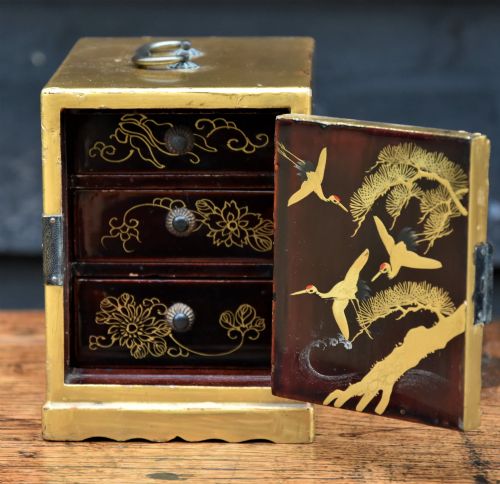
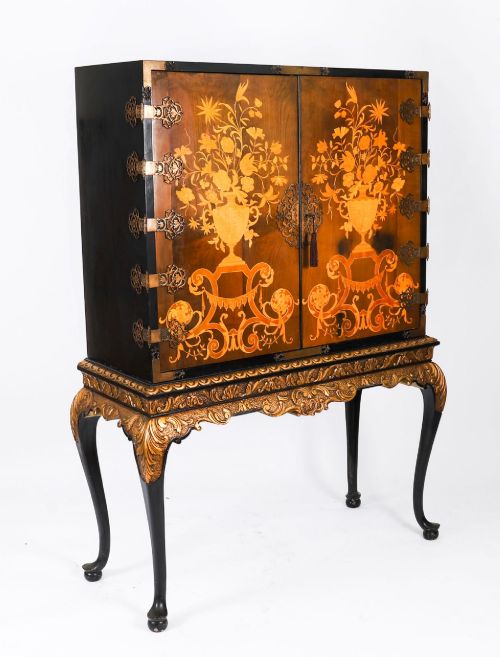
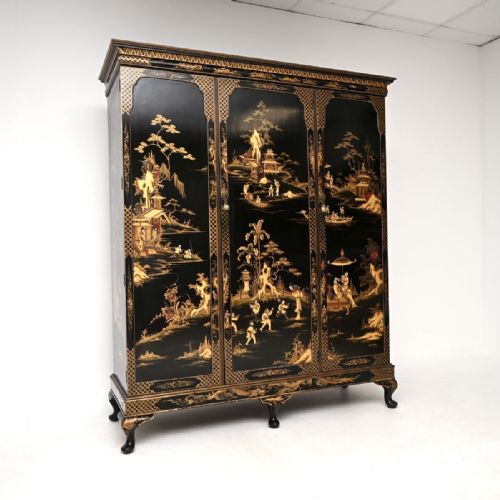
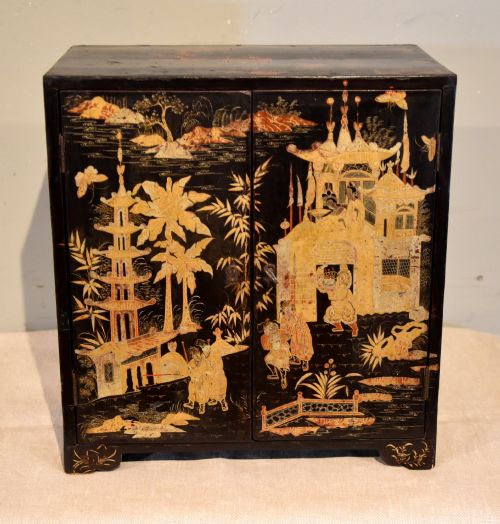
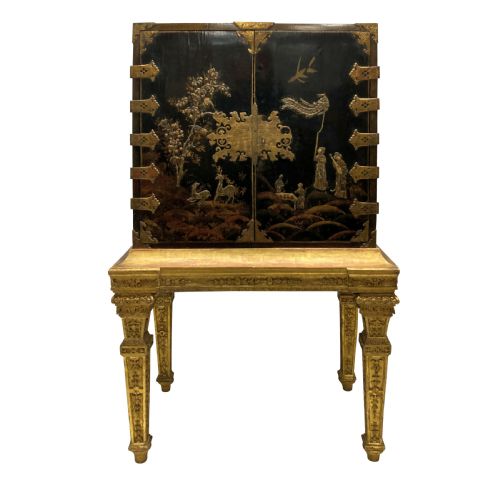
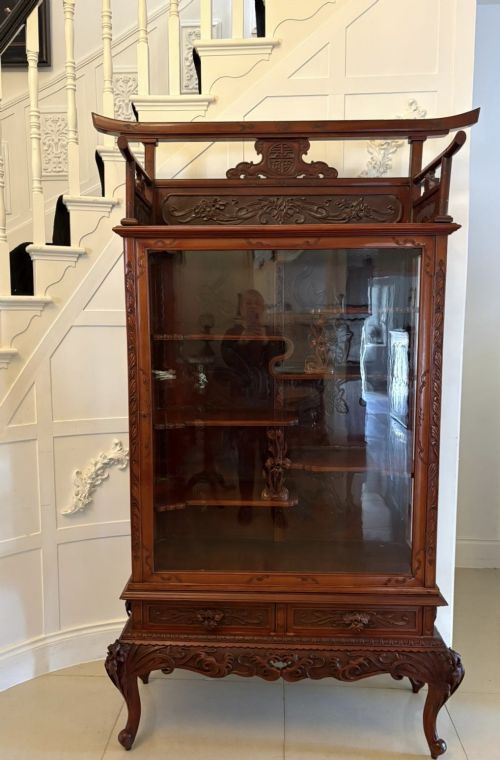
When searching for an antique lacquer cabinet, collectors encounter a diverse group of storage forms spanning European interpretations and Asian traditions. The selection ranges from towering wedding armoires and corner cupboards to table-top kodansu boxes and elaborate pieces raised on carved stands.
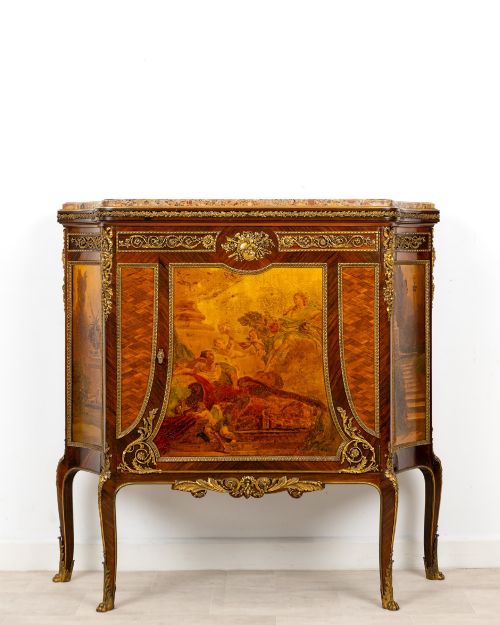
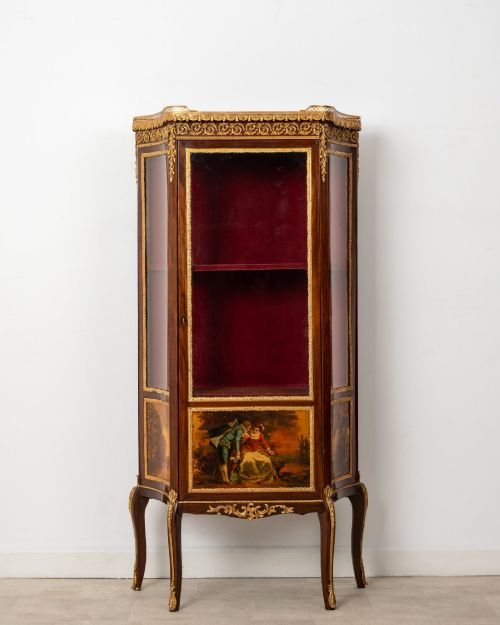
The aesthetic bridges several centuries, taking in 17th-century export pieces, English japanned furniture, French Vernis Martin creations, and later Chinoiserie revivals. Pieces built on raised stands or designed with fitted interiors appear frequently, uniting decorative impact with practical utility.
How they were made
The construction relies on stable timbers such as hardwood, elm, or mahogany as a foundation for multiple coats of resin or varnish. Artisans then applied delicate detailing using gold leaf, gilt, and painted outdoor scenes directly onto the prepared surface.
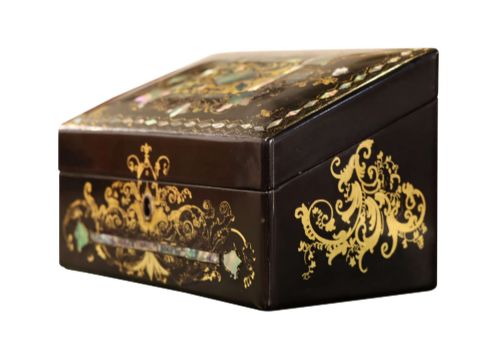
European makers often utilised japanning techniques and gilt bronze or ormolu mounts to emulate Asian imports. Stands were frequently carved from softwood or hardwood and gilded to elevate the main storage body.
Antique Lacquer Cabinet Retail Price Guide 2026
Typical asking prices for lacquer cabinet among the pieces listed under this phrase on Sellingantiques today, from the lower quarter to the upper quarter. They describe what is for sale here now, not the wider market.
Certain apothecary chests contain up to eighty tiny drawers originally designed for sorting traditional dried herbs and remedies.
What varies in quality
The depth of the finish and the complexity of the hand-painted decoration distinguish superior examples from simpler utilitarian storage. Execution of the pictorial scenes, particularly the precision of the figures and landscapes, reveals the hand of a more accomplished workshop.
Cohesion between the cabinet body and its underlying stand dictates the visual balance of pieces built on legs. Finer examples retain integrated hardware, well-preserved gilded highlights, and interior fittings that match the exterior ambition.
Maples and Co·Hille and Co
The Antique Lacquer Cabinet Glossary
- Chinoiserie
- European decorative style reflecting Chinese artistic influences, popular in furniture and interior design during various periods.
- Japanning
- European imitation of Asian lacquerwork created using layered varnishes and metallic dust.
- Shodana
- Traditional Japanese multi-shelved display cabinet utilised for showing small art objects.
- Vernis Martin
- 18th-century French imitation lacquer developed by the Martin brothers, often seen on fine secrétaires.
- Kodansu
- Small Japanese table-top cabinet featuring multiple drawers and compartments for valuables.
Antique Lacquer Cabinet: Frequently Asked Questions
How do I identify Chinese versus Japanese pieces?
Chinese examples often present robust elm or softwood construction with bold red or black pigments, frequently taking the form of marriage cabinets or apothecary chests. Japanese pieces tend towards finer detailing on display items like shodanas and table cabinets.
Motifs also help separate the two origins. Chinese design frequently incorporates symbolic wedding symbols or landscape narratives, while Japanese examples often focus on intricate floral panels and distinct lacquer layering techniques.
What is a cabinet on stand?
A cabinet on stand consists of a main storage enclosure resting upon a separate, supporting base with legs. This configuration lifts the decorative surface closer to eye level.
Originating in the 17th century and revived in later periods, the stand itself is often carved and gilded to complement the pictorial scenes on the cabinet doors.
Where should I place a lacquer cabinet?
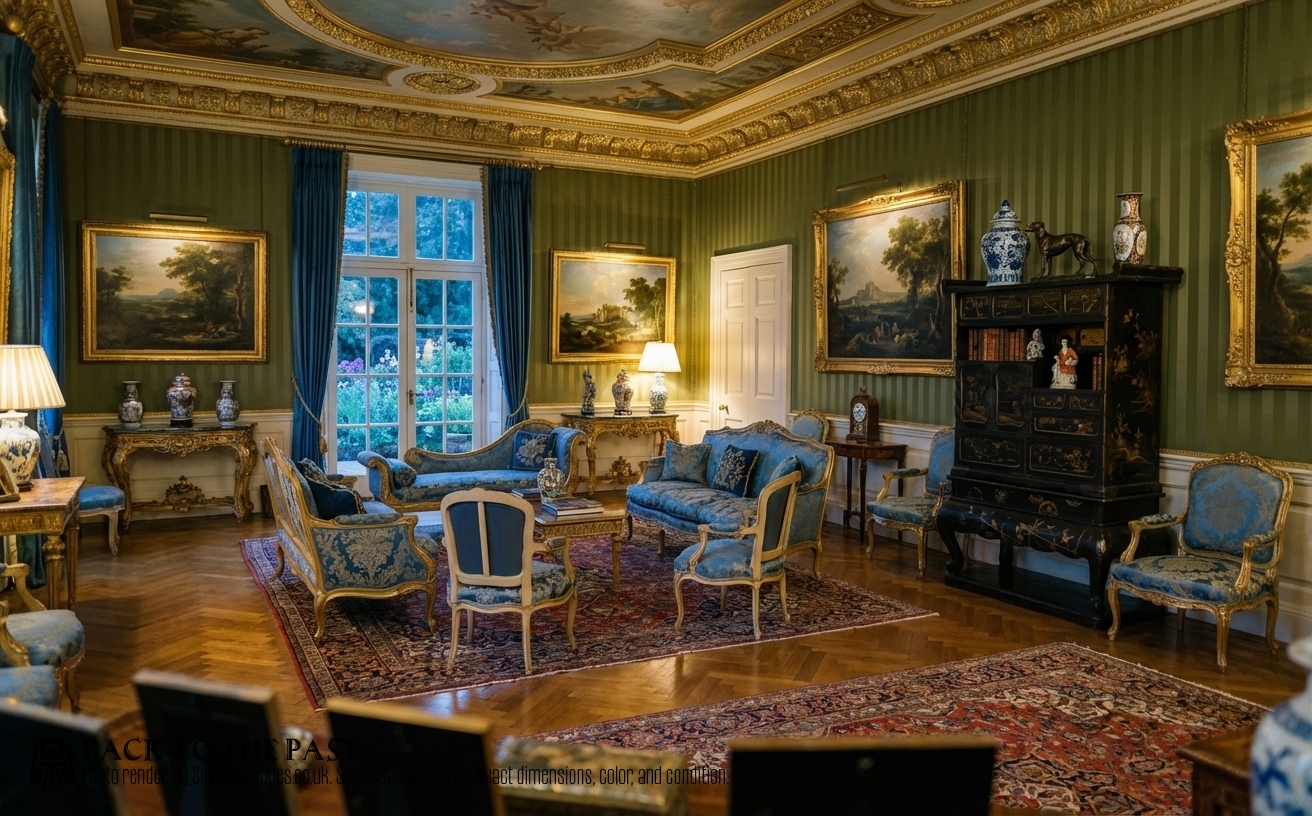
These pieces function well as focal points in reception rooms, hallways, or dining areas where their reflective surfaces and painted scenes receive ambient light. Taller wedding cabinets provide substantial vertical storage.
Smaller table cabinets and corner cupboards fit into compact spaces while retaining strong decorative presence. Placement away from direct sunlight preserves the painted pigments and gilded highlights.
How do I clean an antique lacquer surface?
Routine maintenance requires only a soft, dry microfiber cloth to remove dust from the intricate painted panels. Moisture and chemical cleaning agents must be avoided entirely.
Professional restoration is recommended for any significant finish loss or structural instability. Gentle handling protects the historical varnish and underlying metallic leaf.