

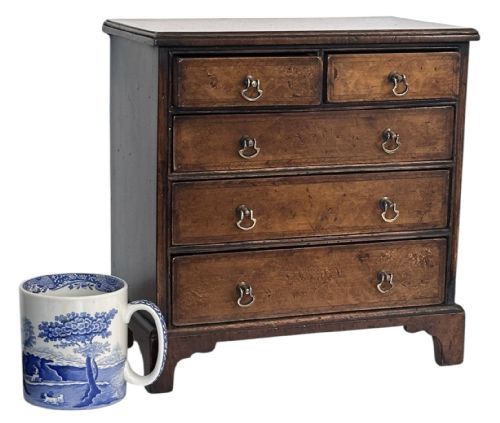


18th Century Collector Chest
An 18th century collector chest organises small treasures and curiosities with exceptional cabinet-making skill.
18th Century Collector Chest
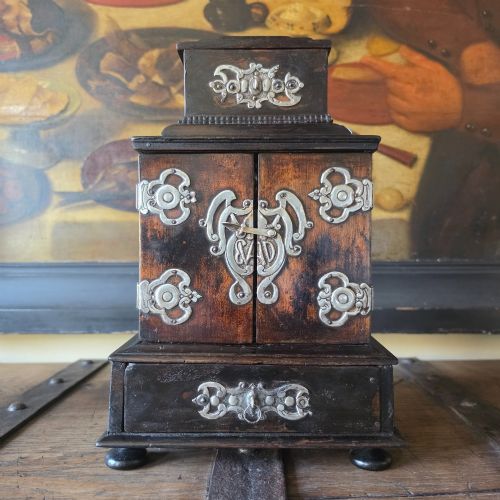
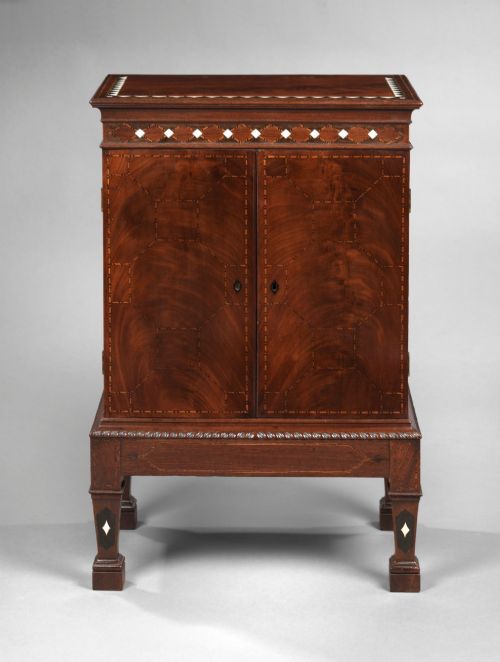
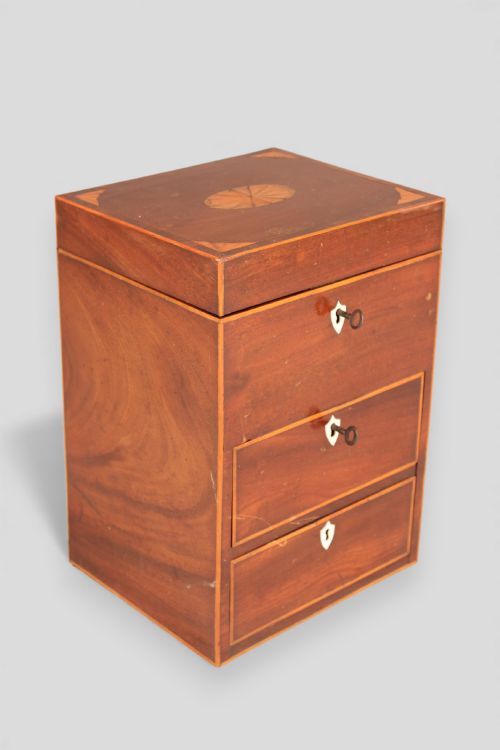
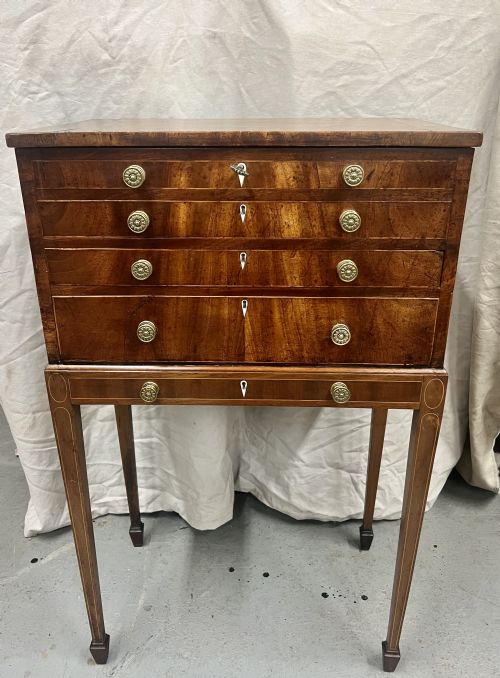
An 18th century collector chest encompasses compact storage forms designed for natural specimens, coins, medals, and documents during the Georgian era. Buyers seeking an 18th century collector chest find pieces ranging from diminutive table cabinets to floor-standing folio cabinets and small chests of drawers.
The selections on this page span the 18th century, Early Georgian, George I, George II, and George III periods, alongside Dutch Rococo and Chippendale styles. Object types vary from spice cabinets and apothecary boxes to fitted estate cabinets and specimen cabinets.
Makers utilised various timber forms, producing pieces in mahogany, walnut, oak, elm, yew wood, and Spanish walnut. Miniature furniture and apprentice chests of drawers also appear, reflecting the scale and proportion characteristic of the era.
How they were made
Cabinet-makers constructed these pieces using dense hardwoods such as mahogany, walnut, and oak, often mounting them on stands or incorporating small internal drawers. Joinery relied on precise framing to house multiple miniature drawers safely.
Surface ornamentation involved boxwood inlay, japanned lacquer work, penwork decoration, and brass hardware such as carrying handles and escutcheons. Selected examples feature original gilded lettering denoting their administrative or estate use.
An apprentice chest allowed a young woodworker to demonstrate mastery of dovetails and miniature proportions before joining a guild.
What varies in quality
Quality rests in the choice of timber figure, such as Cuban mahogany, red walnut, or figured yew wood, combined with the crispness of boxwood inlay and penwork decoration. Superior examples maintain diminutive or floor-standing proportions with intact internal fittings.
The sophistication of the internal drawer configuration and the retention of original surface patination distinguish finer items from standard storage boxes.
The 18th Century Collector Chest Glossary
- Specimen cabinet
- A piece of furniture fitted with multiple shallow drawers designed to store natural history specimens, fossils, or minerals. These cabinets ensure safe organisation for delicate objects.
- Japanned
- European furniture decorated with oriental-inspired lacquer work, often featuring raised motifs in gold on a dark ground. This technique emulated Asian export goods popular during the period.
- Folio cabinet
- A large storage piece built to hold paper folios, prints, or maps. They appear in floor-standing formats from the George III period.
- Apothecary box
- A fitted wooden container holding medical phials, scales, and ingredients. These boxes utilise compact compartments for secure storage.
- Penwork
- A decorative technique using fine ink lines on wood to create intricate pictorial or geometric designs. It appears on table cabinets from the late 18th century.
18th Century Collector Chest: Frequently Asked Questions
What is an 18th century collector chest used for?
These chests served to store precious items, ranging from natural history specimens and coins to medals and documents. The numerous small drawers kept delicate collections ordered and protected.
Today, they suit the display of small curiosities or function as decorative focal points in a study or library.
How do I identify a George III collector chest?
George III pieces frequently utilise mahogany timber, sometimes featuring boxwood inlay or brass fittings. Their design often aligns with Chippendale styles or utilitarian estate requirements.
Look for refined proportions, original brass hardware, and well-executed internal drawer arrangements typical of the late 18th century.
What is the difference between a spice cabinet and a specimen cabinet?
Spice cabinets originated earlier in the period, often constructed from oak or walnut with small panelled doors enclosing interior drawers for domestic provisions. Specimen cabinets emerged for scientific and collecting pursuits.
Specimen cabinets usually contain numerous shallow drawers tailored for natural or numismatic collections rather than household goods.
Where should I place a miniature chest of drawers at home?
Miniature chests and table cabinets sit well on sideboards, desks, or tabletops where their fine scale and timber grain can be appreciated up close. Their compact dimensions allow placement in smaller rooms without dominating the floor space.
Keep them away from direct sunlight and strong heat sources to protect the historic wood and internal linings.