



Japanese Chest of Drawers
These Japanese chest of drawers pieces bring remarkable joinery and rich timber grain to an interior.

Japanese Chest of Drawers
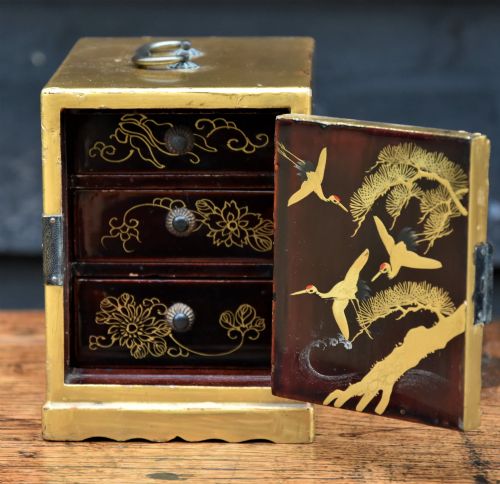
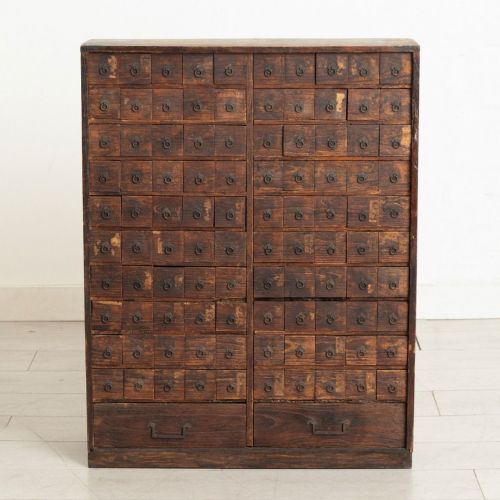
A japanese chest of drawers usually takes the form of a tansu chest, a traditional storage piece designed for versatility and everyday utility in historic homes. These sturdy units range from large floor-standing storage to smaller table cabinets and apothecary banks with numerous compartments.
How they were made
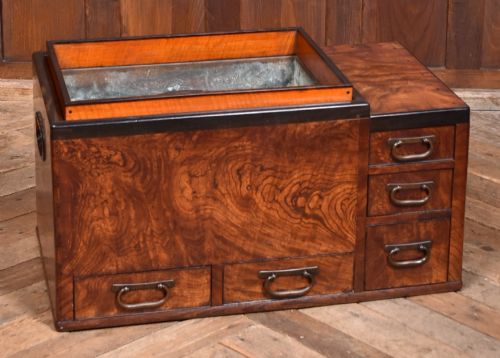
Construction relies heavily on traditional timbers such as cedar, elm, and zelkova wood, chosen for their durability and distinctive grain patterns. Artisans incorporated robust iron and brass hardware, including heavy corner straps, lock plates, and carrying handles.
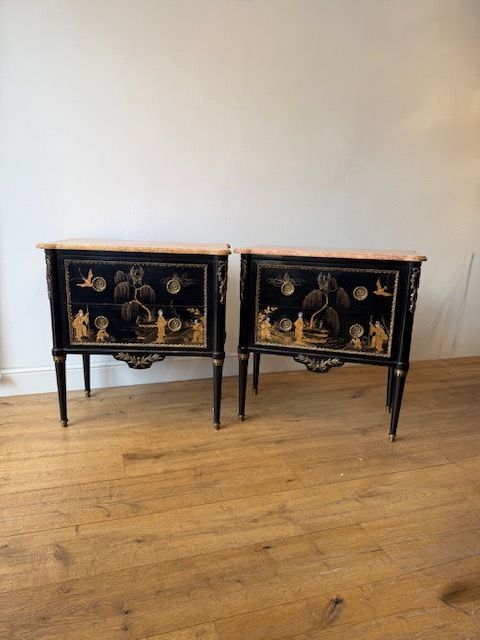
Surface finishes include black and red lacquer applications, while select pieces display intricate parquetry or bronze animal decoration. Joinery was executed without relying on modern fasteners, allowing the timber to expand and contract naturally.
Japanese Chest of Drawers Retail Price Guide 2026
Typical asking prices for japanese chest of drawers among the pieces listed under this phrase on Sellingantiques today, from the lower quarter to the upper quarter. They describe what is for sale here now, not the wider market.
Several tansu chests arrive with heavy iron wheels attached, designed so the household could roll their worldly goods away swiftly during a fire.
What varies in quality
Quality rests upon the selection of timber and the precision of the underlying joinery, where tight, durable joints distinguish finer examples from standard utility pieces. The complexity of the internal arrangement, such as multiple small drawers in an apothecary cabinet, also separates standard items from finer work.
The refinement of the metal hardware and the depth of the lacquer finish indicate the original maker's investment of time and skill. Surviving original iron or brass mounts and uncompromised surface patination elevate the standing of a piece.
The Japanese Chest of Drawers Glossary
- Tansu
- Traditional Japanese mobile storage cabinetry designed for domestic use. These pieces often feature iron reinforcing mounts and specialised internal compartments.
- Mizuya
- A traditional kitchen tansu used for storing food, utensils, and dishware. They generally feature sliding slatted or panelled doors.
- Kaidan tansu
- A step chest constructed in a staircase configuration for domestic utility and storage. These dual-purpose pieces maximised space in historic interiors.
- Kodansu
- A small table top cabinet used for storing documents, seals, or valuables. They frequently showcase fine lacquer or detailed metalwork.
- Zelkova wood
- A durable hardwood native to Japan with a prominent grain. Craftsmen utilised this timber for the fascias and structural elements of quality tansu.
- Meiji period
- The era of Japanese history spanning from eighteen sixty-eight to nineteen twelve. Pieces from this time often exhibit exceptional decorative hardware and lacquerwork.
Japanese Chest of Drawers: Frequently Asked Questions
What is a tansu chest?
A tansu is a traditional form of Japanese mobile cabinetry used for storing clothing, documents, and household goods. These pieces were built for utility and transportation, featuring robust timber construction and heavy metal mounts.
Over time, different regions and trades developed specific tansu forms, ranging from kitchen cabinets to multi-drawer apothecary chests. Their adaptable nature makes them practical for modern storage needs.
How do I care for lacquer?
Lacquered surfaces require gentle treatment to maintain their finish. Keep them away from direct sunlight and sources of extreme heat or dryness to prevent the lacquer from cracking.
Dust the surface regularly with a soft, dry cloth. Avoid chemical cleaning agents, polishes, or abrasive materials that could scratch the delicate finish.
Where were these pieces used?
These chests originated in Japanese domestic and commercial settings, where they served as practical storage furniture. Step chests were placed against walls to function as staircases while housing household items.
Smaller table cabinets and apothecary banks sat on desks or counters to organise smaller goods. Today, their compact forms allow them to function easily as bedside tables or accent storage in living spaces.
How do I date a tansu?
Dating relies on observing the timber species, construction techniques, and the style of the iron or brass hardware. Nineteenth-century pieces often display hand-forged iron mounts and traditional joinery without modern fasteners.
Later pieces from the Meiji and Taisho periods may incorporate machine-cut elements alongside traditional handcraft. Examining the wear patterns on the wood and the base helps confirm the period.