


Antique Wooden Tansu
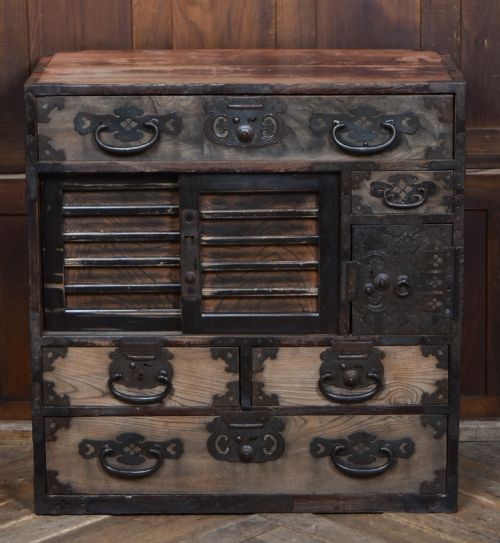
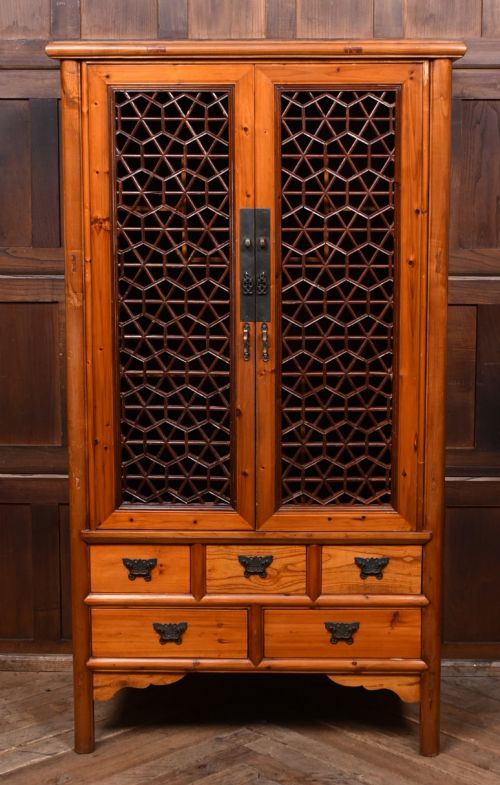
These antique wooden tansu are traditional Japanese storage pieces built for domestic use, offering clever compartmentalisation and robust joinery that suit modern interiors.
Antique Wooden Tansu
An antique wooden tansu represents a traditional Japanese mobile storage unit or cabinet, frequently produced during the 19th century and the early 20th century. Buyers browsing this selection encounter various regional and functional forms, including merchant chests, kitchen cabinets, and wheeled variants.
The inventory on this page spans specific historical eras such as the Edo period, Meiji period, and Taisho period. Common structural formats include step chests, larder cupboards, and dedicated money boxes designed for domestic or commercial utility.
How they were made
These cabinets rely on native timbers such as cedar, elm, pine, chestnut, and keyaki wood for their primary construction. Artisans selected these woods for structural stability and distinct grain patterns before assembling the carcasses.
Forged iron hardware, including heavy strap hinges, elaborate lock plates, and corner brackets, reinforces the joints. Red lacquer finishes appear on select examples to provide an additional protective layer.
The selection includes specialised forms such as step chests, money boxes, and kitchen cupboards dating across the 19th and early 20th centuries.
What varies in quality
The standard of an antique wooden tansu depends heavily on the complexity of its internal configuration and the selection of timber. Dense woods like keyaki or cedar command attention for their durability and finished appearance.
The refinement of the forged iron mounts and the preservation of original red lacquer surfaces further differentiate standard utility pieces from more elaborate mercantile or domestic storage chests.
The Antique Wooden Tansu Glossary
- Tansu
- A traditional Japanese mobile storage chest or cabinet designed for domestic utility. These pieces utilise various timbers and iron hardware.
- Mizuya
- A traditional Japanese kitchen tansu used for storing food and utensils. This form originates from domestic domestic interiors.
- Kaidan tansu
- A traditional Japanese step chest configured for climbing between floor levels while providing integrated storage drawers. This form combines architectural utility with cabinetry.
- Zenibako
- A traditional Japanese money box fitted with secure compartments for currency storage. These small commercial boxes feature robust wooden construction and metal fittings.
Antique Wooden Tansu: Frequently Asked Questions
What is a tansu chest?
A tansu is a traditional Japanese mobile cabinet or chest built for domestic storage. These pieces utilise regional timbers and heavy iron hardware for daily utility.
Craftsmen produced various specialised forms for merchants and households, ranging from simple storage cabinets to complex step chests.
How are different periods identified?
Pieces dating to the 19th century often display traditional joinery and hand-forged iron mounts typical of the Edo and Meiji eras. Later examples from the early 20th century reflect Taisho period design adjustments.
Examining the specific timber varieties, such as cedar or elm, helps contextualise the origin and production era of each cabinet.
How do I use a tansu at home?
These storage chests function effectively as freestanding sideboards, media consoles, or entryway cabinets in contemporary interiors. Their numerous drawers and compartments accommodate modern organisation needs.
Specialised forms like step chests also serve as architectural dividers or display shelving within living spaces.
What woods were used?
Japanese artisans constructed these cabinets using native timber species including cedar, elm, pine, chestnut, and keyaki wood. Each wood offered specific structural benefits and distinct grain characteristics.
Iron hardware reinforced the wooden frames and provided secure locking mechanisms for valuable contents.