


Japanese Tansu Cabinet
A japanese tansu cabinet is a traditional storage chest offering robust construction and striking hardware, perfect for adding practical heritage to any interior.
Japanese Tansu Cabinet
When you search for a japanese tansu cabinet, you encounter a range of functional storage forms rooted in historical Japanese craftsmanship. These pieces span the nineteenth century up to the early twentieth century, including the Meiji and Taisho periods.
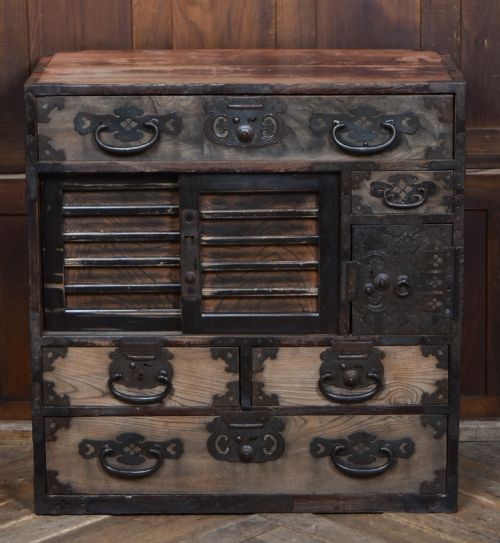
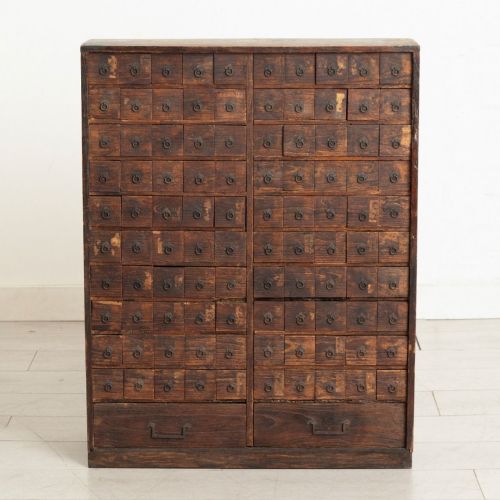
The selections available here most frequently include traditional chests of drawers alongside specialised storage formats like table cabinets, merchant chests, and apothecary banks of drawers. Buyers often find regional variations such as ship chests and step chests.
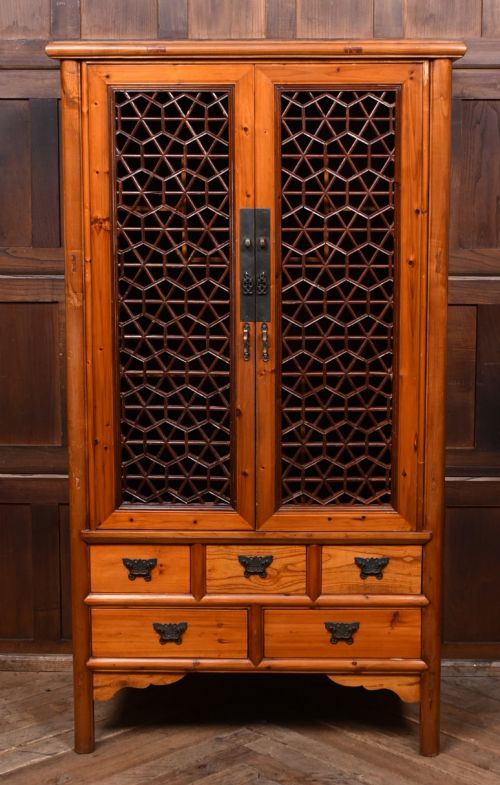
Mizuya kitchen tansu and larder cupboards also appear, demonstrating the diverse domestic uses these wooden storage units served. Cedar, elm, pine, and zelkova wood provide the structural integrity for these enduring forms.
Materials and construction methods
Master cabinetmakers utilised native timbers including cedar, keyaki, kiri, elm, and pine, often pairing durable woods with striking iron or brass hardware. Lacquer finishes appear on select examples to protect and enhance the wooden surfaces.
Construction techniques prioritised portability and strength, seen in robust merchant chests and specialised ship tansu fitted with secure metal reinforcements. Wheels are incorporated into specific mobile cabinet designs from the early twentieth century.
Materials recorded across the inventory include iron, brass, lacquer, cedar, zelkova, pine, elm, and keyaki wood.
Assessing quality in tansu pieces
The refinement of the joinery and the selection of timber dictate the standing of an individual piece, with dense hardwoods like zelkova and keyaki commanding attention. The weight and complexity of the iron or brass mounts further distinguish finer examples.
Preservation of original surfaces, including aged lacquer and patinated metalwork, elevates the character of a chest. Pieces retaining their original wheels or intricate internal drawer configurations demonstrate superior craftsmanship.
The Japanese Tansu Cabinet Glossary
- Tansu
- A traditional Japanese mobile wooden storage chest or cabinet built for domestic or mercantile use.
- Meiji Period
- The historical era spanning from eighteen sixty-eight to nineteen twelve, known for significant cultural output and craftsmanship.
- Keyaki
- A species of Japanese elm highly valued for its dense grain and durability in cabinetmaking.
- Kiri
- Japanese paulownia wood, utilised for storage pieces due to its lightweight and warp-resistant properties.
- Mizuya
- A traditional Japanese kitchen tansu designed for storing culinary equipment and provisions.
Japanese Tansu Cabinet: Frequently Asked Questions
What is a tansu used for?
These cabinets served as portable storage for clothing, documents, and household goods in traditional Japanese homes.
Today, they function effectively as standalone storage units, bedside tables, or distinctive media consoles in contemporary interiors.
How do I date a tansu?
Dating relies on identifying the period of manufacture, such as the nineteenth century or the subsequent Taisho period, through timber choice and construction traits.
Hardware styles and regional forms also offer strong chronological indicators for dealers and collectors.
Are tansu cabinets heavy?
Many examples are constructed from solid timbers like cedar and elm, giving them substantial weight despite their portable origins.
Certain forms, such as ship tansu or pieces on wheels, were specifically engineered for ease of movement.
What woods are used in tansu?
Maker workshops utilised accessible regional timbers including cedar, pine, and elm alongside premium hardwoods like keyaki and kiri.
Iron and brass fixtures reinforced these woods, creating durable structures designed to withstand daily use.