


Traditional Japanese Chest
A traditional japanese chest is a sturdy wooden piece built for household storage, offering functional compartments and distinct regional craftsmanship.
Traditional Japanese Chest
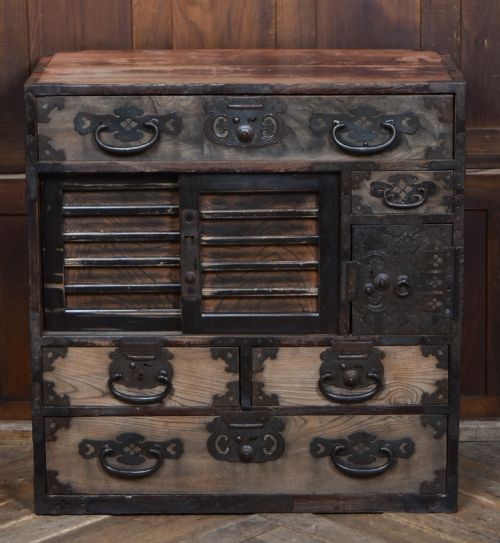
When you search for a traditional japanese chest, you encounter various forms designed for specific domestic and mercantile uses. The inventory spans from the nineteenth century into the early twentieth century, capturing periods such as the Meiji and Taisho eras. These items serve practical storage needs while displaying distinct structural forms shaped by their original purposes.
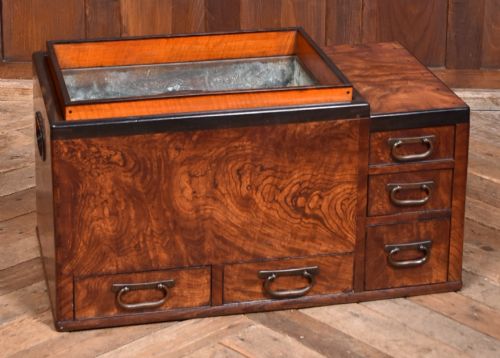
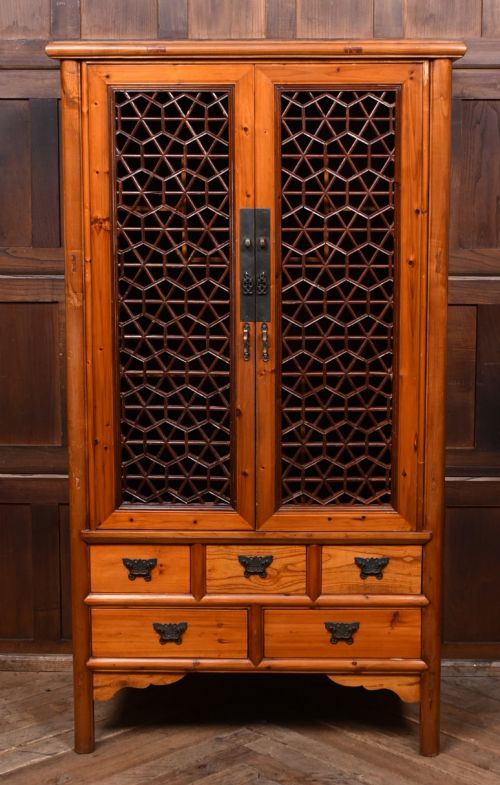
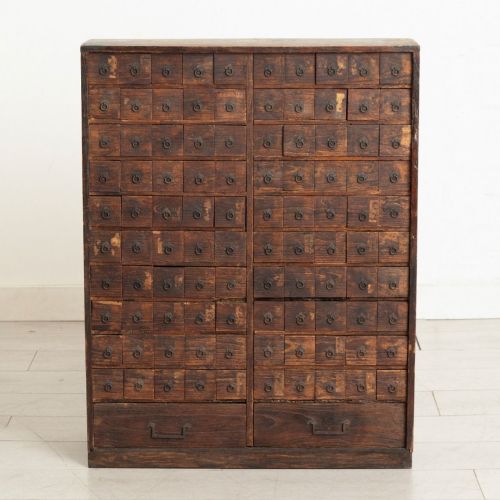
The most common examples on this page are tansu chests, alongside specialised storage cabinets, apothecary banks of drawers, and larder cupboards. Materials vary across these pieces, incorporating woods such as cedar, elm, pine, zelkova, and keyaki. Alongside chests of drawers, you find specific regional variants like wheeled kuruma-dansu, kitchen mizuya, and step-shaped kaidan tansu.
Regional and functional differences dictate the layout of doors, handles, and internal compartments within each piece. Makers constructed these units to hold clothing, documents, kitchenware, or medicines depending on the intended household role. Each form reflects the domestic organisation and architectural traditions of historical Japanese interiors.
Materials and construction methods
Makers constructed these storage pieces using domestic timbers such as cedar, pine, elm, and zelkova wood. Joinery techniques allowed panels to expand and contract with seasonal humidity shifts without damaging the primary structure. Structural integrity relied on precise fitting rather than modern adhesives or fixings.
Makers reinforced corners, edges, and drawer fronts with heavy iron hardware, including strap hinges, lock plates, and corner brackets. Certain pieces also feature red lacquer finishes that protected the timber surface while adding visual depth. Wheels on specific variants, such as kuruma-dansu, incorporated durable wooden and metal assemblies designed for mobility.
Certain merchant chests came with built-in wheels so owners could roll their life savings out the door during a fire.
Assessing quality in traditional japanese chest examples
Quality separates pieces by the selection of primary timbers, such as figured zelkova or keyaki wood, compared to plain pine or cedar. The density of the grain and the selection of unblemished boards indicate a higher tier of production. Superior examples exhibit tighter joinery and more substantial timber thickness throughout the carcass.
The complexity and execution of the iron hardware also distinguish finer items from simpler utility pieces. Hand-forged iron mounts, intricate lock plates, and robust drawer pulls demonstrate greater craftsmanship than standard mass-produced fittings. The preservation of original lacquer finishes and unaltered drawer linings further determines the standing of an individual piece.
The Traditional Japanese Chest Glossary
- Tansu
- A traditional mobile or stationary Japanese cabinet or chest used for storage. These pieces evolved specific regional styles for holding clothing, valuables, or household goods.
- Kuruma-Dansu
- A wheeled Japanese chest typically used by merchants for secure transport of valuables. The wheels allowed the heavy wooden unit to be moved quickly during fires.
- Keyaki
- Japanese zelkova wood, prized for its dense grain and durability in cabinetmaking. Makers utilised this hardwood for visible surfaces and structural elements requiring strength.
- Mizuya
- A traditional Japanese kitchen tansu used for storing food, utensils, and dishware. These storage cabinets feature slatted sliding doors and multiple small drawers.
- Kaidan Tansu
- A traditional step chest built in a staircase configuration to access upper loft spaces. This dual-purpose form incorporates hidden storage compartments beneath each tread.
Traditional Japanese Chest: Frequently Asked Questions
What is a tansu chest?
A tansu chest is a traditional Japanese mobile or stationary cabinet built for household storage. Makers designed these wooden units with varied drawer configurations to hold clothing, documents, or valuables.
These pieces reflect historical domestic practices in Japan, utilising native timbers and robust iron hardware. They range from simple merchant chests to elaborate multi-section storage units.
How were wheeled chests used?
Wheeled chests, known as kuruma-dansu, allowed merchants to move heavy inventories quickly during emergencies such as fires. The integrated wooden and iron wheels facilitated transport within urban Japanese dwellings.
Owners kept valuable goods inside these secured compartments for rapid evacuation when necessary. The heavy iron straps provided structural reinforcement during movement.
What wood is keyaki?
Keyaki is Japanese zelkova wood, recognised for its heavy weight, durability, and pronounced grain pattern. Makers selected this hardwood for premium cabinet fronts and structural framing.
Its resistance to wear made it suitable for high-use furniture and architectural applications. Pieces featuring keyaki often display a rich, textured surface appearance.
How do I live with a tansu?
You can integrate a tansu into modern interiors as a standalone media console, hallway storage unit, or bedside cabinet. The sturdy construction accommodates contemporary household items while adding historical character to a room.
Position the piece away from direct heat sources and sudden humidity changes to protect the timber and iron hardware. Regular dusting preserves the dry-scraped or lacquered wood finishes.
What is a kaidan tansu?
A kaidan tansu is a step chest constructed in a staircase shape to reach upper levels in traditional Japanese buildings. The stepped structure incorporates drawers and cupboards beneath each step.
This design combined vertical circulation with functional storage in compact domestic spaces. The dual-purpose form remains a distinct example of historical Japanese joinery.