



Antique Tansu Cabinet
An antique tansu cabinet brings traditional Japanese storage into a modern room, offering sliding doors, heavy iron mounts and deep drawers built for daily use.
Antique Tansu Cabinet
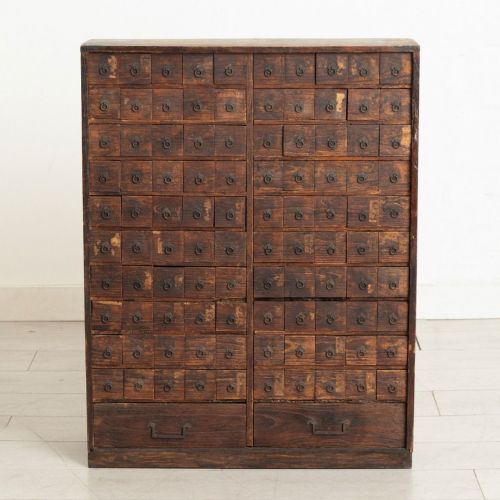
An antique tansu cabinet covers a diverse group of portable storage chests and cupboards originating from Japan during the nineteenth and early twentieth centuries. These pieces encompass regional forms such as merchant chests, kitchen tansu, apothecary banks of drawers and step chests.
The versions most commonly met on this page date from the nineteenth century through the 1920s, reflecting the Meiji and Taisho periods. Buyers encounter everything from large lacquer table cabinets to heavy elm and cedar storage units mounted on wheels.
Every antique tansu cabinet serves a practical function rooted in historical Japanese domestic life, whether storing household goods, provisions or merchant ledgers. Their robust construction allows these historic pieces to continue functioning as focal points in contemporary interiors.
How they were made
Joiners built each antique tansu cabinet using native timbers such as zelkova, elm, cedar, pine and kiri wood. These woods provided structural stability while remaining light enough to transport across rooms or load onto vessels.
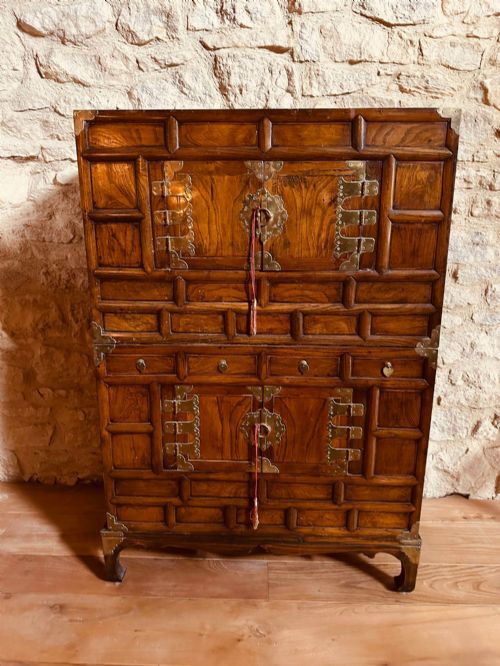
Cabinet makers reinforced the wooden frames with substantial iron and brass hardware, including decorative corner brackets, heavy drop handles and complex locking plates. Surfaces frequently received protective finishes of lacquer to guard against wear and moisture.
Antique Tansu Cabinet Retail Price Guide 2026
Typical asking prices for tansu cabinet among the pieces listed under this phrase on Sellingantiques today, from the lower quarter to the upper quarter. They describe what is for sale here now, not the wider market.
Certain nineteenth-century storage chests come fitted with wheels, proving that portable furniture management is centuries old.
What varies in quality
The quality of an antique tansu cabinet rests upon the selection of timber and the precision of the joinery. Dense hardwoods like zelkova and elm command attention for their grain patterns and structural durability.
The execution and weight of the iron or brass mounts further distinguish superior examples. Hand-forged hardware with intricate locking mechanisms indicates skilled craftsmanship applied to utilitarian objects.
The Antique Tansu Cabinet Glossary
- Tansu
- A traditional Japanese mobile storage chest or cabinet built for domestic or commercial use. These pieces rely on timber frames and metal hardware.
- Mizuya
- A traditional Japanese kitchen tansu used for storing food and utensils. These large cupboards feature slatted sliding doors and multiple small drawers.
- Kaidan tansu
- A Japanese step chest designed to double as a staircase in multi-level traditional homes. The stepped sections house hidden drawers and compartments.
- Zelkova
- A hardwood native to Japan, known locally as keyaki, valued for its distinctive grain and strength. Makers utilised this timber for formal furniture fronts.
- Meiji
- A historical period in Japan spanning from 1868 to 1912, marked by rapid modernisation and distinctive craftsmanship. Many surviving pieces date from this era.
Antique Tansu Cabinet: Frequently Asked Questions
What is a tansu cabinet used for?
An antique tansu cabinet originally served as flexible storage for clothing, kitchen provisions, or merchant documents in traditional Japanese homes and businesses.
Today, buyers utilise these cabinets as credenzas, sideboards, or bedside tables, placing them in living rooms and hallways to store modern household items.
How do I identify a Meiji period tansu?
Meiji period pieces often display traditional Japanese joinery combined with the opening of trade routes that influenced decorative hardware design.
Examining the wood species, such as cedar, elm, or keyaki, alongside hand-forged iron mounts helps date the piece to the late nineteenth or early twentieth century.
Are tansu cabinets heavy?
The weight of an antique tansu cabinet depends heavily on the primary timber utilised by the maker. Zelkova and elm examples are notably heavy, while kiri wood versions remain surprisingly light.
Some larger storage units and merchant chests include integrated wheels or heavy iron drop handles designed to ease movement across tatami mats.
How do I clean an antique tansu?
Maintaining the surface of an antique tansu cabinet requires gentle dusting with a soft, dry cloth to protect the historic wood and lacquer finishes.
Harsh chemical cleaners and excessive moisture should be avoided entirely, as they damage the original patina and weaken the iron hardware brackets.