


Oriental Lacquered Side Table
An oriental lacquered side table brings rich surface pattern and dark sheen into a room, offering a functional surface rooted in global trade and design traditions.
Oriental Lacquered Side Table
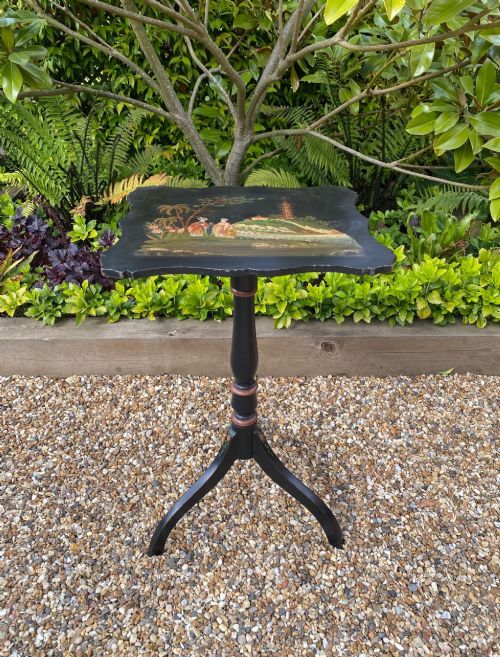
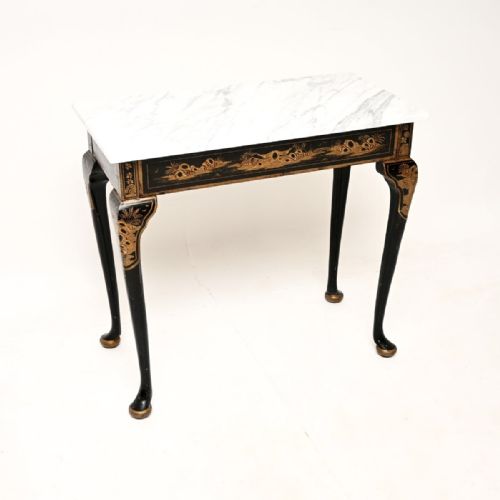
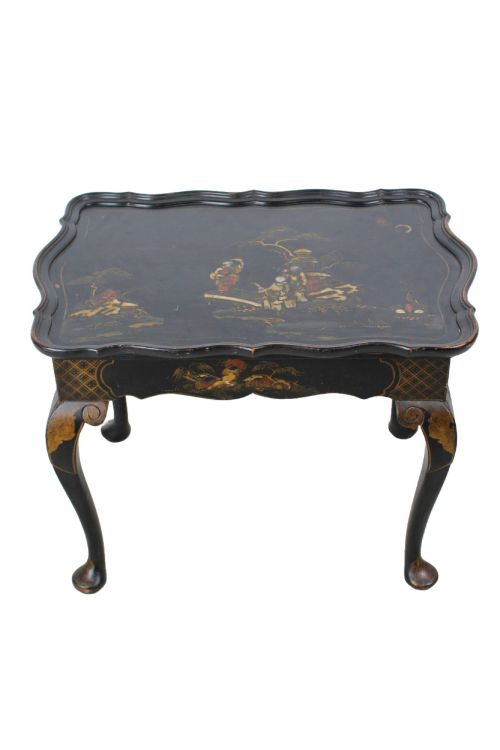
When you search for an oriental lacquered side table, you encounter low occasional pieces, tripod stands, and nests of tables finished in glossy coatings. These items emerge from various periods, notably the nineteenth century, Edwardian era, and the early decades of the twentieth century.
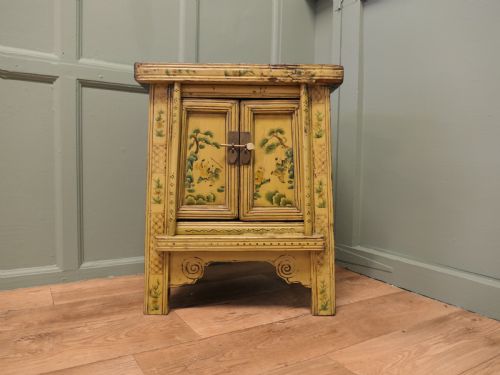
The selections span distinct stylistic traditions including Chinoiserie, Qing Dynasty designs, and Chinese provincial work. Alongside standard side tables, the listings incorporate related forms like coffee tables, plant stands, and occasional trays.
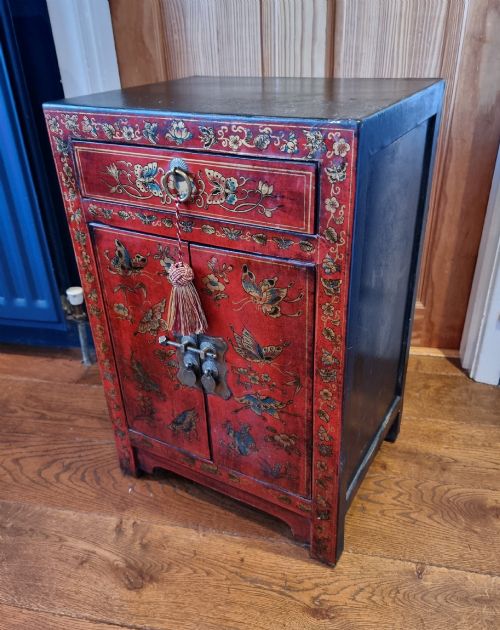
Origin points visible across the pieces extend from Chinese workshops to British interpretations of eastern motifs. Buyers find both deep red lacquer finishes and dark ebonised surfaces built for practical daily placement beside chairs or sofas.
Materials and construction
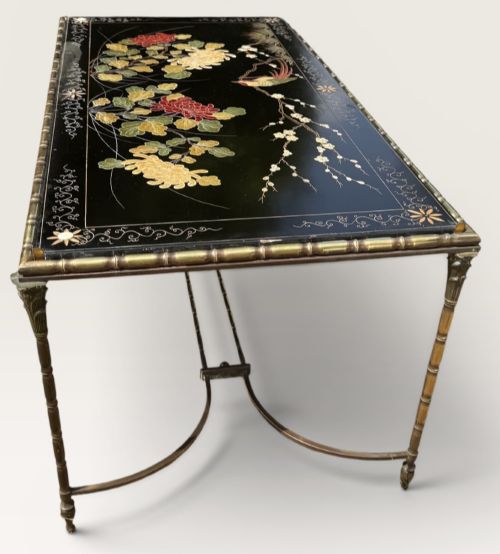
Carpenters utilised sturdy native timbers such as elm and bamboo alongside general wood carcases to build these tables. Surfaces then received layers of lacquer, paint, and gold leaf to create the characteristic deep gloss and metallic detailing.
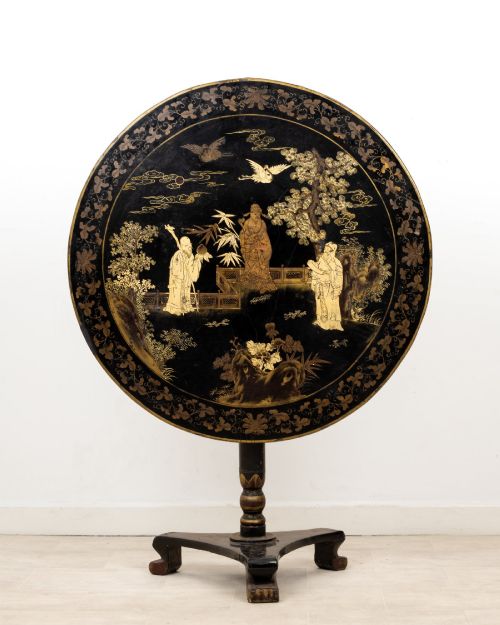
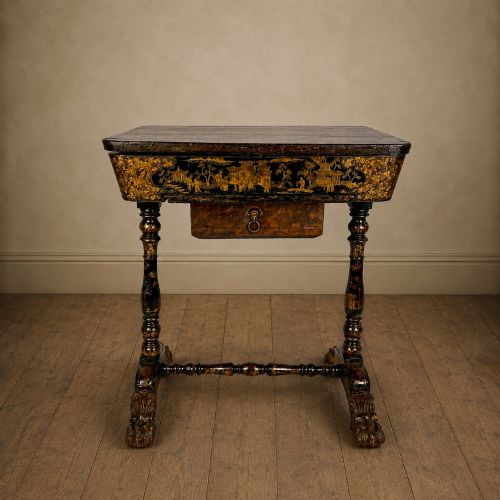
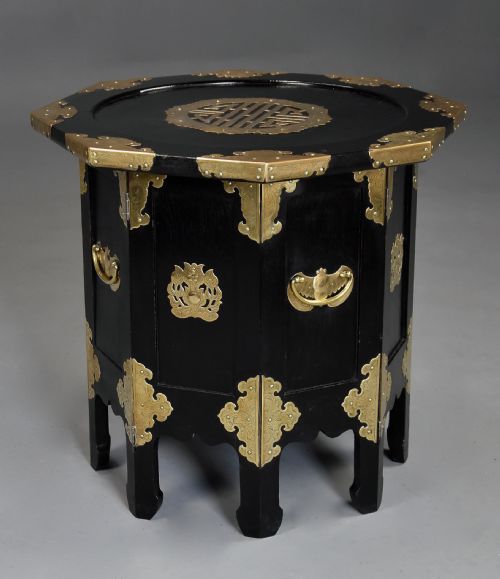
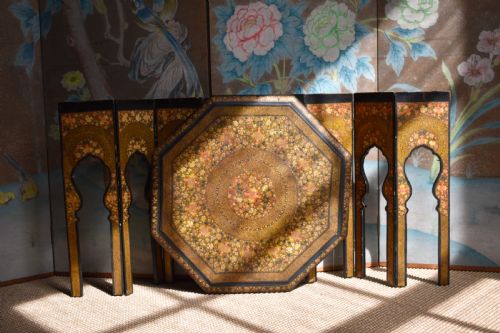
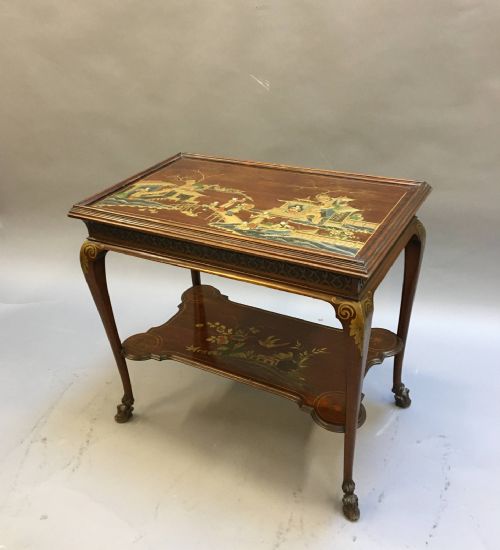
Decorative elements often involved hand-painted Chinoiserie scenes, brass mounts, or inlaid cloisonné panels. Artisans applied successive coats of varnish and pigment to achieve a durable sheen that endures across generations.
Oriental Lacquered Side Table Retail Price Guide 2026
Typical asking prices for oriental lacquered side table among the pieces listed under this phrase on Sellingantiques today, from the lower quarter to the upper quarter. They describe what is for sale here now, not the wider market.
Listings feature woods including elm and bamboo, finished with lacquer, gold leaf, and paint across nineteenth and early twentieth century periods.
Evaluating the craftsmanship
Quality rests upon the depth of the lacquer finish and the stability of the underlying timber joinery. Superior examples display crisp hand-painted motifs in gold leaf and paint rather than mechanical transfers.
The integrity of the original surface finish dictates the desirability of each piece. Tables retaining their early patination and intact structural joints command greater interest than heavily restored alternatives.
Maison Bagues
The Oriental Lacquered Side Table Glossary
- Chinoiserie
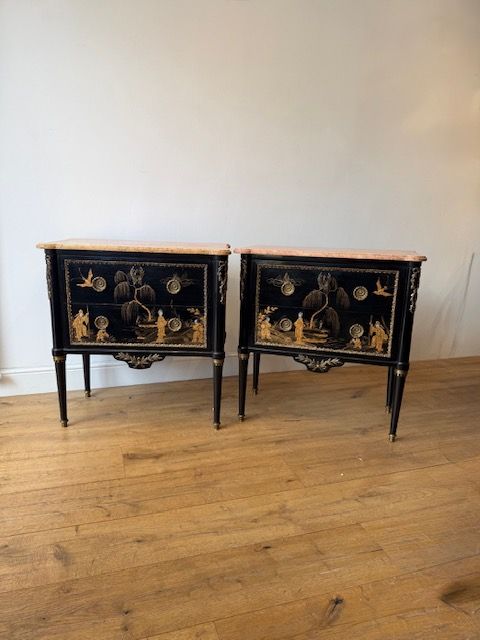
- European artistic interpretation of Chinese and East Asian decorative styles, popular in furniture and interior design. This style often employs painted figures, pagodas, and landscapes against dark lacquer.
- Lacquer
- A durable resin finish applied in multiple layers to wood surfaces and polished to a high gloss. It protects the timber while providing a smooth canvas for painted decoration.
- Elm
- A resilient hardwood commonly utilised in Chinese cabinetmaking for its tough, interlocking grain. It provides a stable structural base for lacquered furniture.
- Ebonised
- Wood treated with a chemical stain or black finish to imitate expensive ebony. This technique gained popularity during the Victorian and Edwardian periods.
- Cloisonné
- Enamelwork technique where thin metal wires form compartments on a surface to hold coloured pastes. These decorative panels sometimes appear inset into table tops.
Oriental Lacquered Side Table: Frequently Asked Questions
How do I style an oriental lacquered side table at home?
Place the table beside a neutral sofa or reading chair to let the dark sheen and gold leaf details stand out against plain fabrics. Keep surface objects minimal so the painted motifs remain visible.
Combine the piece with modern lighting or textured textiles to ground the rich history of the lacquer within a contemporary living space.
How should I clean and maintain a lacquered surface?
Dust the surface regularly with a soft, dry cloth to prevent abrasive particles from scratching the delicate finish. Avoid using chemical polishes, modern detergents, or excessive water.
Keep the table away from direct sunlight and strong heat sources to prevent the lacquer from drying out, cracking, or fading over time.
What is the difference between Chinoiserie and Chinese provincial pieces?
Chinoiserie refers primarily to European-made or European-influenced interpretations of East Asian design, featuring whimsical painted landscapes and gilt figures. These items frequently date from the Victorian or Edwardian eras.
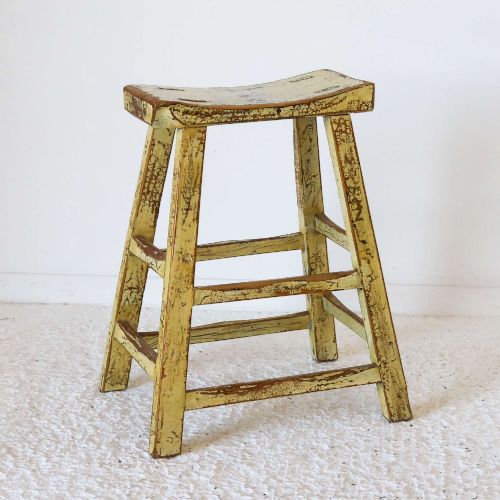
Chinese provincial pieces represent functional furniture made within China for local use, often utilising exposed elm wood and simpler red or black lacquer finishes from the nineteenth century.
Are nest of tables practical for everyday use?
Nests of tables offer flexible surface space that you can expand when entertaining and tuck away compactly when floor space is required. They serve well as moveable lamp or coffee tables.
Ensure that you lift each table rather than sliding them across one another to protect the lacquered tops from unnecessary friction and wear.