






Chinoiserie Tea Table
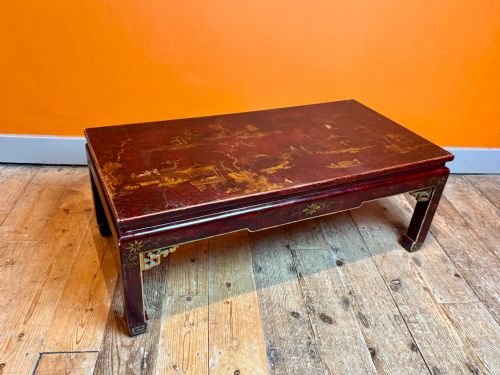
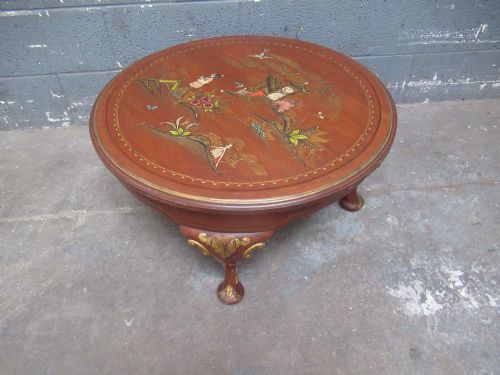
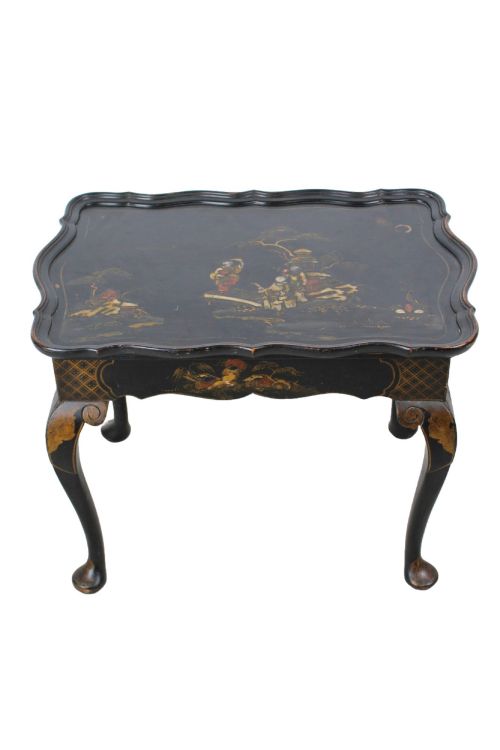
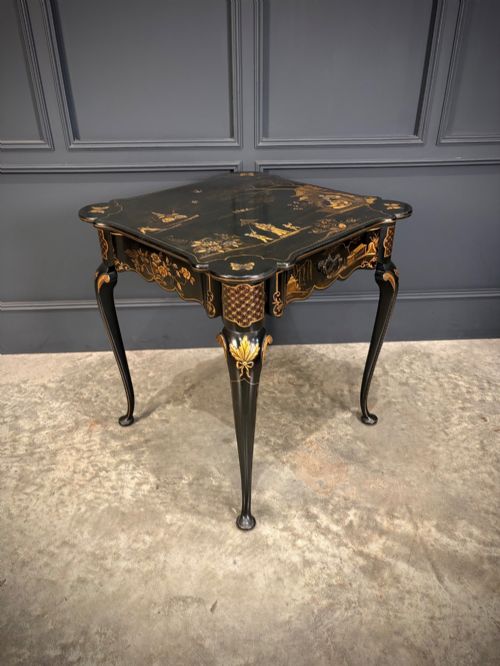
A chinoiserie tea table brings hand-painted lacquer, gilt motifs and rich ebonised wood into a room, offering both a surface for drinks and a striking decorative centrepiece.
Chinoiserie Tea Table
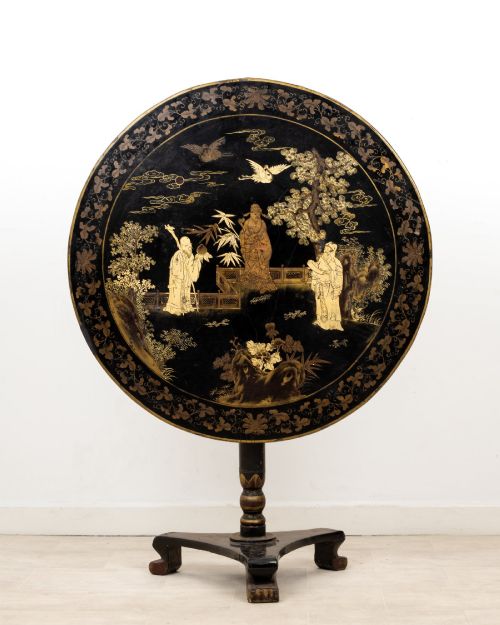
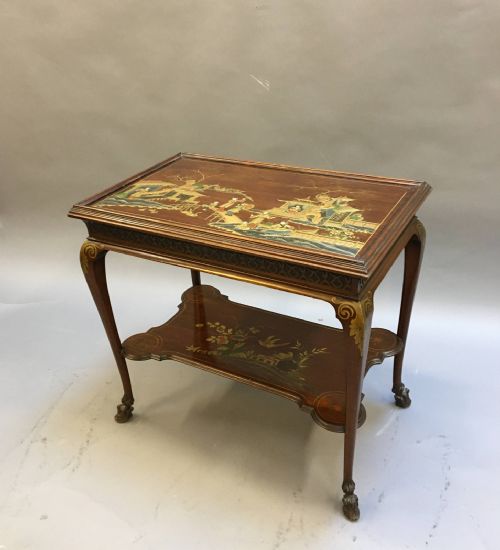
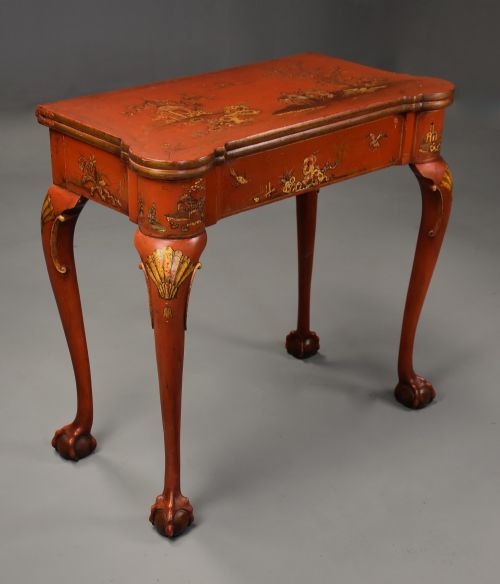
A chinoiserie tea table combines European furniture forms with decorative motifs inspired by traditional East Asian art. The selections span compact occasional pieces, tray tables on folding stands, and versatile card or games tables.
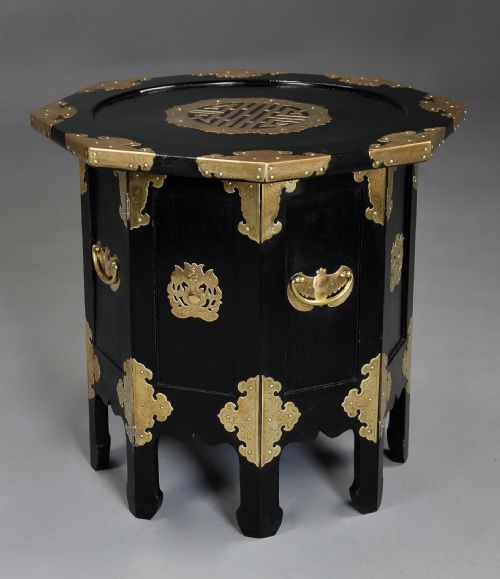
The most common versions met on this page are Edwardian and Victorian tray tables, alongside black or red lacquered coffee tables from the early twentieth century. These low and occasional formats adapt easily to modern living spaces while retaining distinct period character.
Pieces range from simple ebonised occasional tables to elaborately painted tilt-top designs and nesting sets. Originating through various eras, they bridge functional domestic use with decorative display.
How they were made
Wood provides the structural base for most pieces, utilising hardwoods, ebonised timber, and papier-mâché for specific forms like moulded serving trays. Frames are built using traditional joinery before receiving surface preparation.
Makers applied layers of lacquer, sometimes finished with japanning techniques to emulate Asian export wares. Gold leaf and hand-painted pigments were then layered on top to create the characteristic figural and floral scenes.
Details such as brass fittings, tilt-top mechanisms, and folding stands complete the construction of tray and occasional tables. These materials combine to deliver both durability and intricate surface ornamentation.
Chinoiserie Tea Table Retail Price Guide 2026
Typical asking prices for chinoiserie tea table among the pieces listed under this phrase on Sellingantiques today, from the lower quarter to the upper quarter. They describe what is for sale here now, not the wider market.
A tea ceremony gong with a carved stand waits patiently among the tables to summon guests to the afternoon pot.
What varies in quality
The depth and execution of the hand-painted decoration set the finer pieces apart from standard workshop production. Superior examples display crisp detail in the gilt motifs and careful layering of the lacquer finish.
Structural integrity of the stands, especially on folding tray tables and tilt-top mechanisms, dictates the day-to-day usability of the piece. Well-balanced proportions and stable leg assemblies mark out superior craftsmanship.
The preservation of the original lacquered or japanned surface determines collector appeal. Examples that retain their original sheen and hand-painted details without heavy modern intervention hold greater visual authority.
Gillows
The Chinoiserie Tea Table Glossary
- Chinoiserie
- European artistic style reflecting Chinese and East Asian motifs. It appeared across furniture, porcelain and textiles during the eighteenth century and experienced revivals in the Victorian and Edwardian periods.
- Japanning
- European imitation of East Asian lacquerwork. Artisans applied layers of varnish and heated the surface to create a hard, glossy finish decorated with raised gilt designs.
- Papier-mâché
- Composite material made from paper pulp or layers of paper bound with glue, then pressed and dried. It formed lightweight, durable tea trays that were subsequently lacquered and painted.
- Tilt-top
- Table construction featuring a mechanism that allows the top to pivot to a vertical position. This saved floor space when the table was not in use.
- Ebonised
- Wood treated to resemble ebony through staining or painting. This dark finish provided a high-contrast background for gold leaf and colourful chinoiserie decoration.
Chinoiserie Tea Table: Frequently Asked Questions
What is a tray table?
A tray table consists of a removable serving tray supported by a folding or fixed wooden stand. This dual-purpose form allowed servants to bring refreshments to guests and then set the tray down on a matching base.
Today, these pieces function well as coffee tables or side surfaces in a drawing room. The removable tray offers practical versatility for serving drinks.
How do I care for lacquer?
Lacquered surfaces require gentle treatment to preserve the delicate painted decoration and finish. Dusting with a soft, dry cloth is usually sufficient for regular maintenance.
Keep these tables away from direct sunlight and heat sources to prevent the lacquer from cracking or fading. Avoid placing wet glasses directly on antique surfaces without coasters.
How do I date a piece?
Dating relies on examining the construction methods, wood types, and decorative styles present in the piece. Victorian and Edwardian examples often feature machine-sawn timber elements alongside hand-applied lacquer.
Earlier Georgian and Regency versions display distinct cabinet-making techniques and specific hardware styles. Comparing the painted motifs to period pattern books also helps narrow down the decade.