




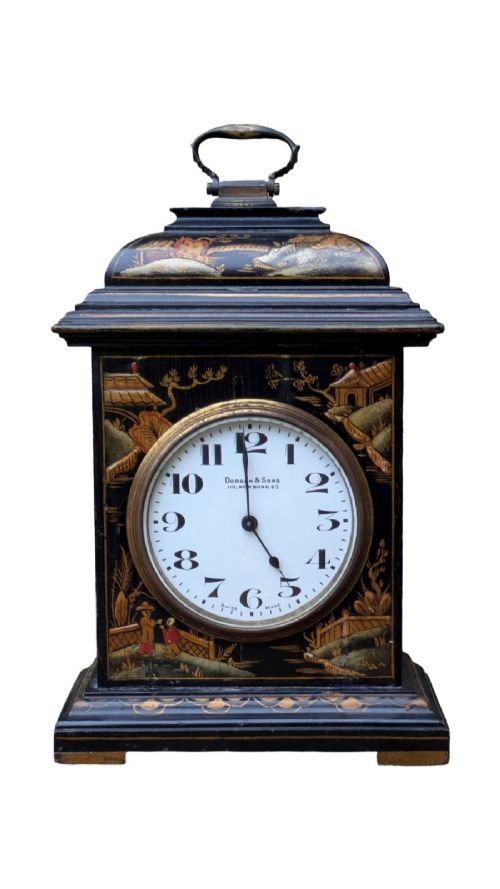


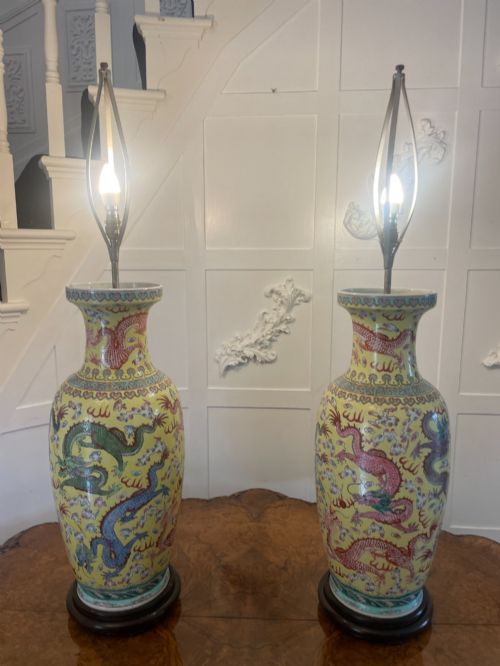
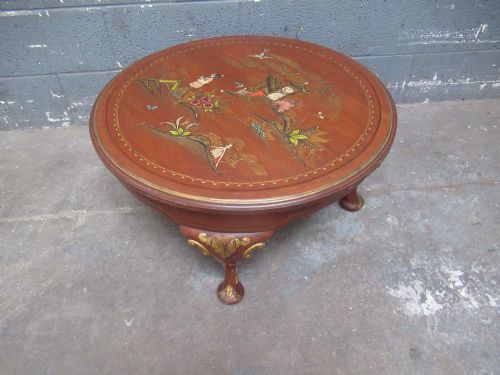
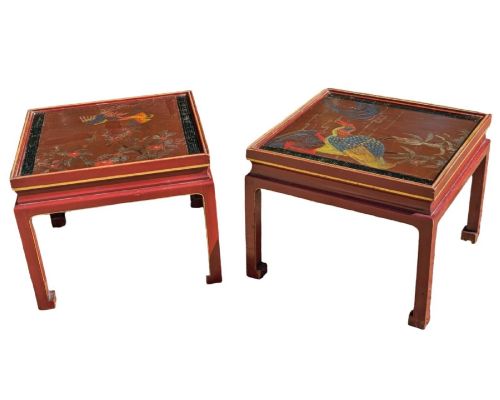

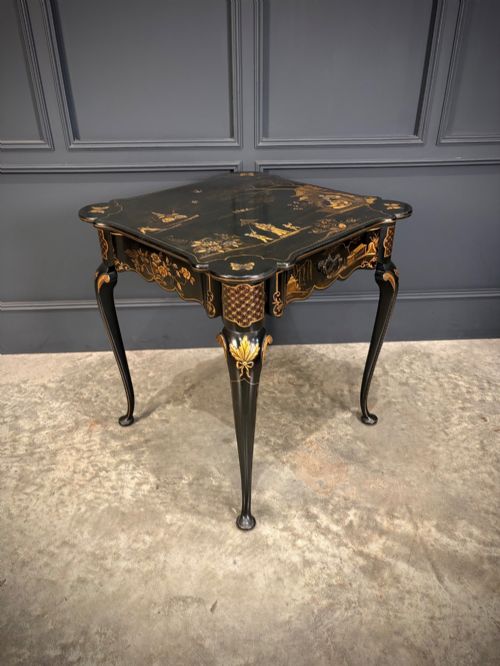
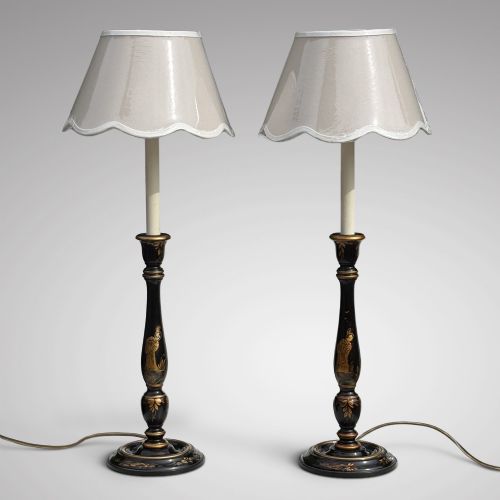
Hand Painted Chinoiserie Table
These hand painted chinoiserie table examples bring evocative Orientalist motifs into a room, offering striking focal points for collectors of historic decorative arts.
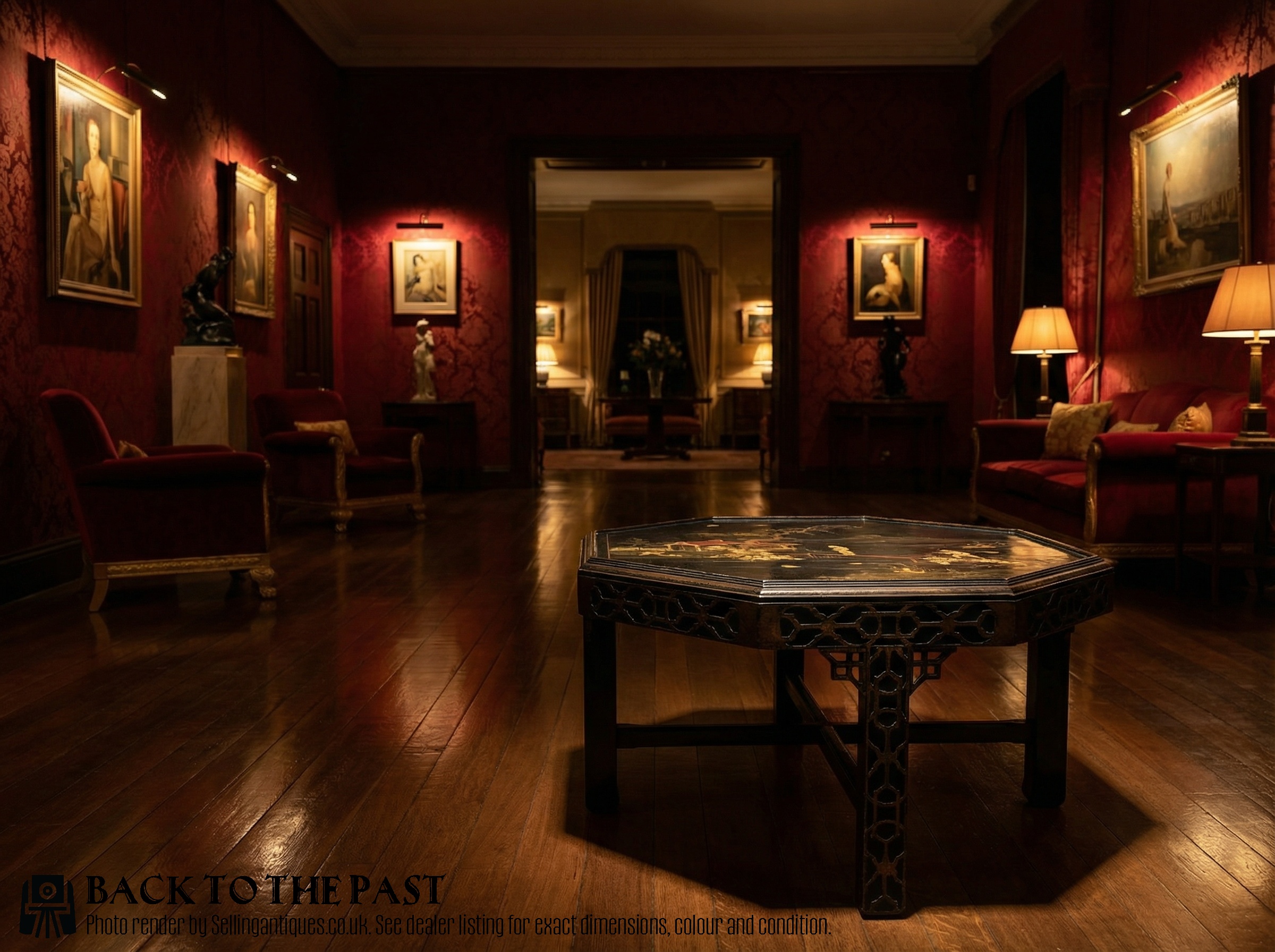
Hand Painted Chinoiserie Table
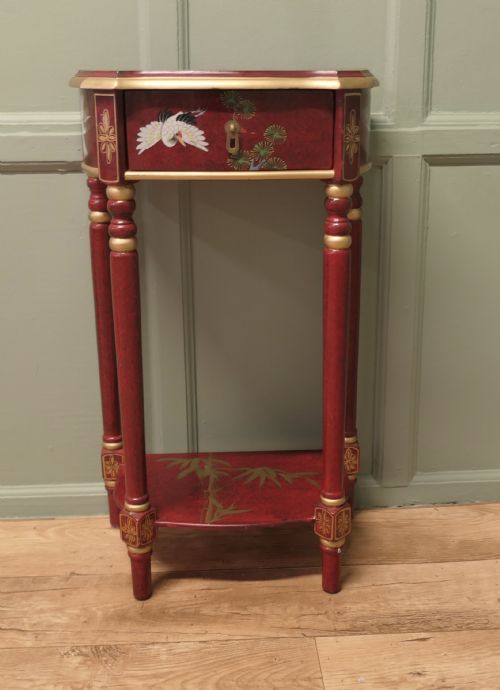
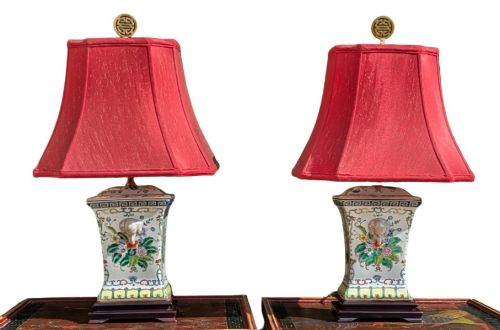
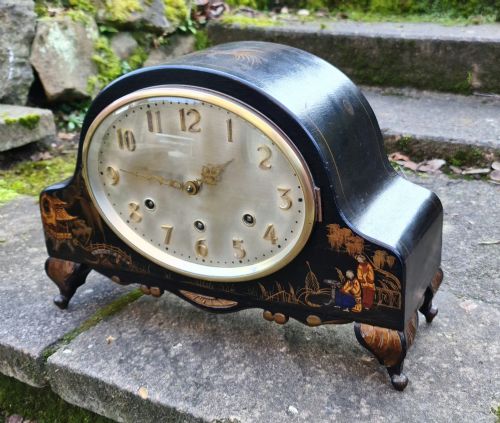
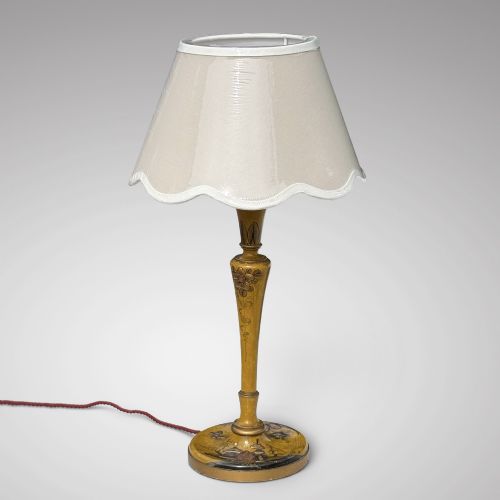
When you search for a hand painted chinoiserie table, you are looking at decorative surface work inspired by European interpretations of East Asian art. The pieces gathered here span several distinct forms, including occasional tables, games tables, coffee tables, and tilt top tables.
The versions most likely to appear on this page include red lacquered card tables, black lacquered occasional tables, and painted tray tables. These examples range across the nineteenth and early twentieth centuries, drawing on Regency style and Edwardian chinoiserie aesthetics alongside earlier eighteenth century inspirations.
Materials and construction methods
These items rely on timber foundations, sometimes employing papier-mache or lacquered timber. Artisans applied successive layers of lacquer to build up deep, reflective surfaces before detailing the designs.
Decoration involves hand painted pigment, gilt paint, and gold leaf highlights applied over the dark or brightly coloured ground. Brass fittings occasionally appear on the hardware of these furnishings.
Hand Painted Chinoiserie Table Retail Price Guide 2026
Typical asking prices for hand painted chinoiserie table among the pieces listed under this phrase on Sellingantiques today, from the lower quarter to the upper quarter. They describe what is for sale here now, not the wider market.
Materials documented across these tables include wood, lacquer, gilt, gold leaf, papier-mache, and brass.
Assessing quality and execution
The distinction between ordinary and superior pieces rests entirely on the depth of the lacquer work and the fidelity of the hand painted details. Finer examples display intricate narrative scenes executed with a steady brush, whereas lesser work relies on repetitive stencilling.
The choice of ground colour also dictates visual impact, with deep black and rich red lacquers offering different levels of contrast for the gold leaf and gilt paint. Structural integrity in the legs and tilt top mechanisms separates robust surviving furniture from fragile survivals.
The Hand Painted Chinoiserie Table Glossary
- Japanned
- European imitation of Japanese and Chinese lacquerwork. The technique uses heat-cured varnishes to replicate Asian finishes.
- Tilt top table
- A small occasional table with a hinged top that pivots to a vertical position when not in use. This mechanism allowed for easy storage against a wall.
- Occasional table
- A small, light table intended for minor, varied uses around a sitting room. These versatile items appear frequently in Edwardian interiors.
Hand Painted Chinoiserie Table: Frequently Asked Questions
What is a chinoiserie table?
A chinoiserie table is a piece of furniture decorated with European interpretations of Chinese and Japanese artistic motifs. These designs often depict landscapes, figures, and floral patterns against lacquered backgrounds.
Such furnishings serve as decorative accents in traditional and eclectic interiors. They provide both a functional surface and a strong visual statement.
How do I date a painted table?
Dating relies on examining the timber construction, the composition of the lacquer, and the style of the painted decoration. Pieces from the nineteenth and early twentieth centuries often adopt Regency or Edwardian design vocabulary.
Comparing the specific shade of the gilt paint and the wear patterns on the lacquer helps narrow down the period. Archival examples demonstrate that similar decorative schemes persisted across multiple decades.
Were these tables made in England?
Many examples found in Western collections are English interpretations of Asian lacquerwork, often referred to as Japanned furniture. Local workshops produced these items to satisfy a long-standing European fascination with Eastern aesthetics.
Craftsmen adapted traditional joinery methods to support delicate painted surfaces. This created a distinct hybrid tradition of furniture making.
How should I care for lacquer?
Lacquer and hand painted surfaces require gentle treatment to preserve the underlying gold leaf and pigments. Keep these items away from direct sunlight and excessive moisture to prevent cracking.
Dusting should be done softly with a dry cloth without using harsh chemical polishes. Proper environmental controls protect the delicate finish for years to come.