

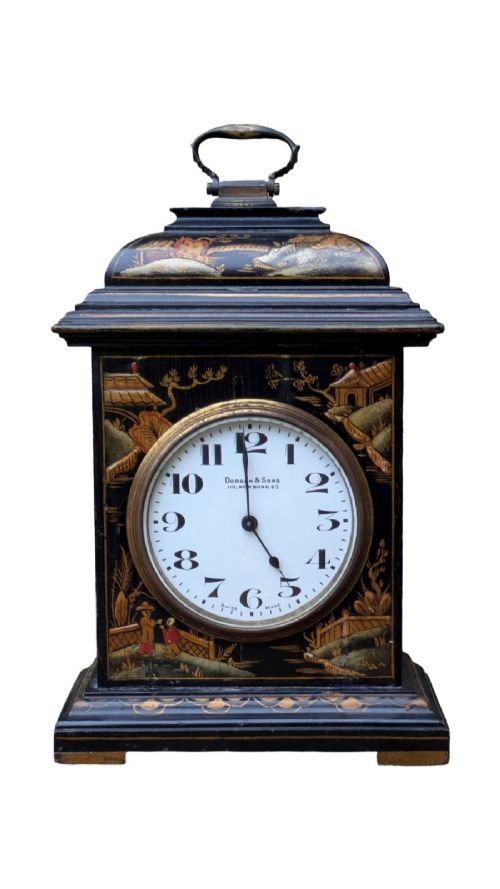
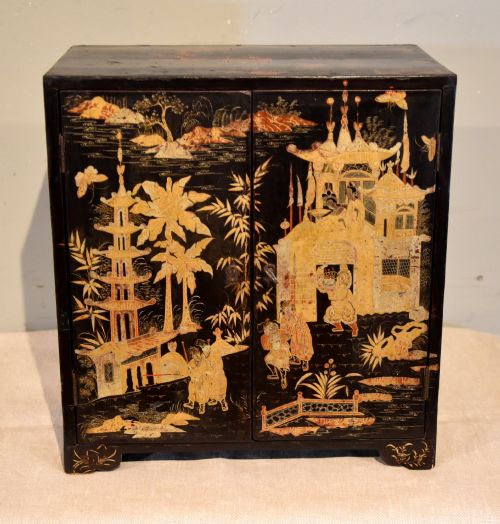
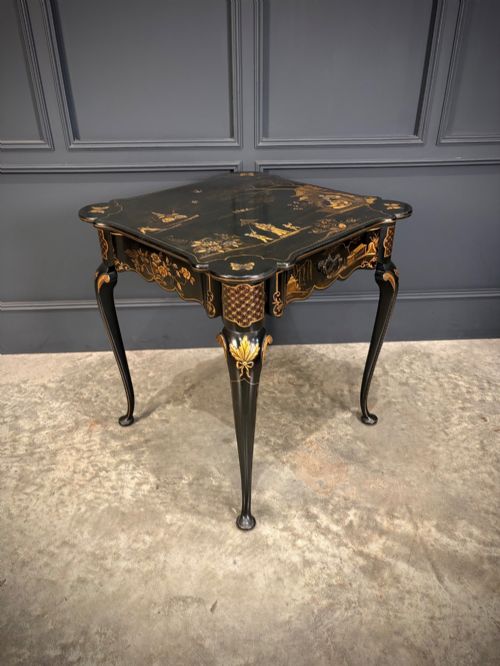


Black Japanned Table
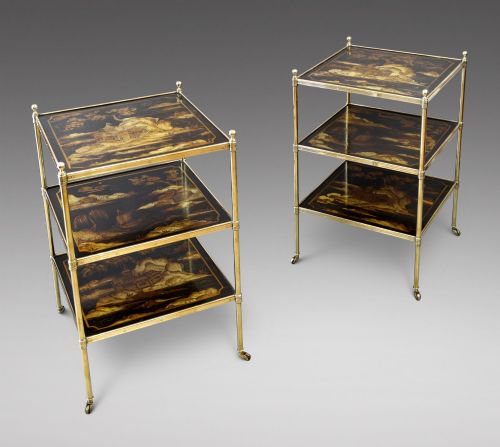
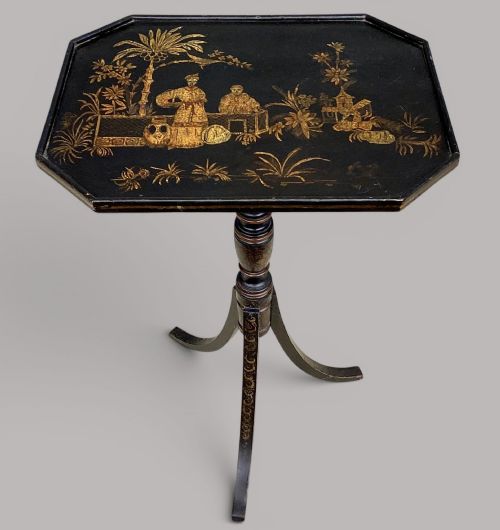
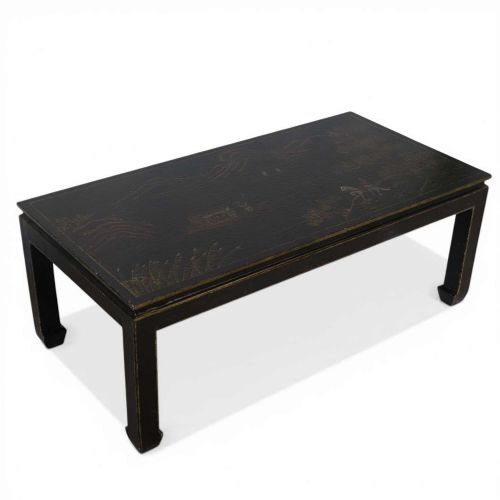
A black japanned table brings dark lacquer and gilded detail into a room, offering a surface steeped in historic decorative tradition.
Black Japanned Table
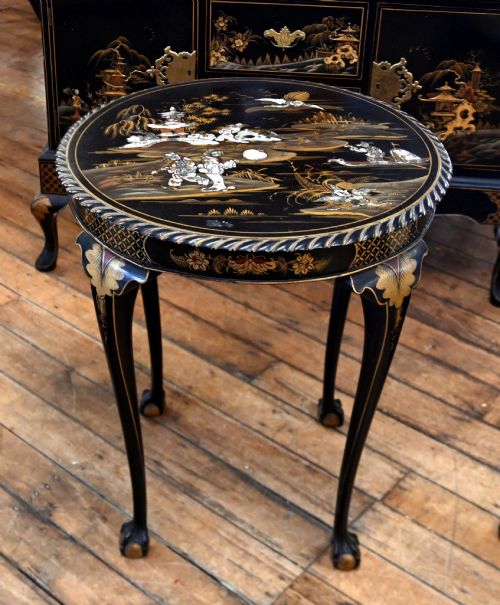
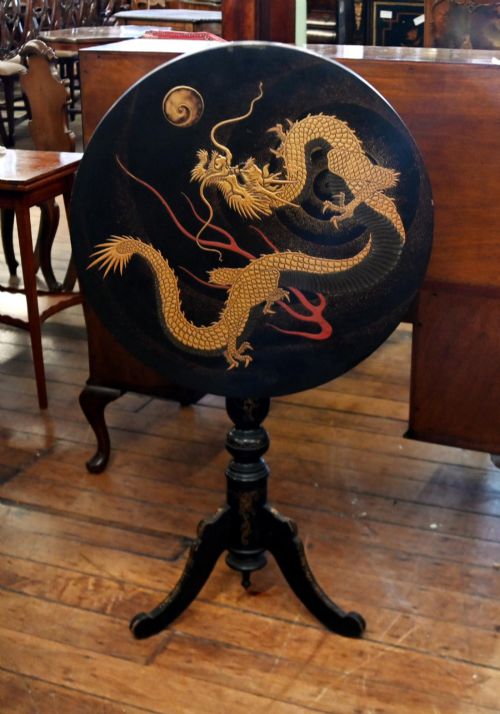
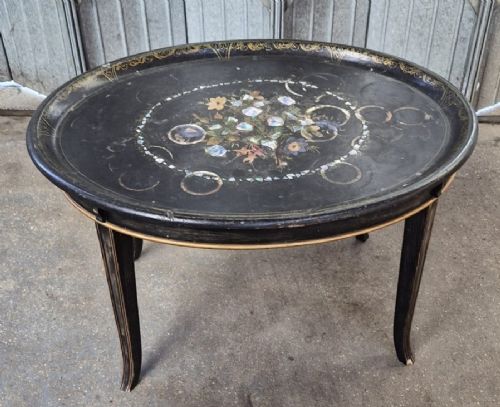
A black japanned table encompasses various forms designed for daily utility and display, from compact occasional surfaces to tray tables and nests. Buyers seeking a black japanned table frequently encounter pieces finished with painted decorative scenes drawing on Chinoiserie and Regency styles.
The selection spans centuries of production, incorporating items originating from the eighteenth, nineteenth, and early twentieth centuries. Alongside standard occasional pieces, related forms such as side tables, coffee tables, and dressing tables appear across the periods.
What varies in quality
The refinement of the hand-painted decoration determines the visual depth of the surface, distinguishing standard decorative work from intricate artistic execution. Superior examples display precise brushwork in the gold leaf and painted scenes, maintaining clarity across complex motifs.
The integrity of the underlying lacquer ground and the stability of the wood or papier-mâché structure dictate the durability of the piece. Tables retaining their original surface patination without extensive modern repainting demonstrate greater historical authenticity.
Black Japanned Table Retail Price Guide 2026
Typical asking prices for black japanned table among the pieces listed under this phrase on Sellingantiques today, from the lower quarter to the upper quarter. They describe what is for sale here now, not the wider market.
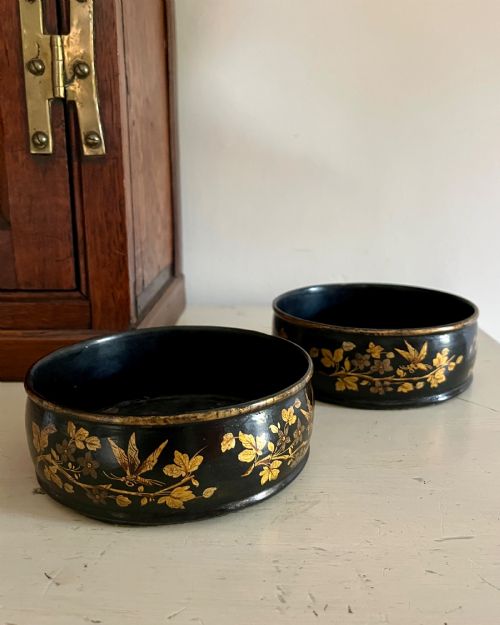
Listings feature pieces incorporating lacquer, wood, papier-mâché, brass, and gold leaf across the nineteenth and twentieth centuries.
Jennens and Bettridge·Henry Clay
The Black Japanned Table Glossary
- Japanning
- European imitation of East Asian lacquerwork, created by applying layers of varnish and resin followed by decorative painting and gilding. This technique became popular during the seventeenth and eighteenth centuries for furniture and decorative objects.
- Chinoiserie
- European decorative style reflecting Chinese and East Asian artistic motifs, prominent in furniture and interior design. The style utilises asymmetrical compositions, pavilions, figures, and landscapes.
- Papier-mâché
- Composite material made from paper pulp or sheets mixed with glue and pressed into moulds before drying and finishing. It provided a smooth, lightweight foundation for lacquer and japanned decoration.
- Gilt
- Application of gold leaf or powder to a surface to impart a metallic sheen and decorative contrast against dark backgrounds. This finish catches the light and highlights painted details.
- Toleware
- Painted or japanned sheet metal objects, including trays and table lamps, finished with dark lacquer and gilt decoration. These items mirror the aesthetic of wooden japanned furniture.
Black Japanned Table: Frequently Asked Questions
What is a black japanned table?
A black japanned table is a piece of furniture finished with dark European lacquer, often featuring hand-painted gilt decoration and Chinoiserie motifs. These surfaces imitate East Asian lacquerwork using traditional Western techniques.
Such tables appear in forms ranging from small occasional stands to coffee tables and tray tables, spanning the eighteenth to the twentieth centuries.
How do I clean a japanned surface?
Cleaning requires a soft, dry cloth to remove dust without disturbing the aged lacquer or delicate gilding. Moisture and chemical cleaning agents should be avoided to protect the historic finish.
Preserving the original surface involves keeping the table away from direct sunlight and excessive humidity.
Are tray tables removable?
Many tray tables feature a detachable top resting upon a folding or fixed wooden stand. This design allowed the tray to serve both for carrying items and as a static surface.
Other examples integrate the tray permanently into the structure as a fixed tier.
How can I tell the period of a lacquer table?
Dating relies on examining the construction methods of the wooden frame, the composition of the base material, and the style of the painted decoration. Regency and eighteenth-century examples display different structural proportions compared to early twentieth-century pieces.
Materials like papier-mâché also point towards specific manufacturing periods during the nineteenth century.