

Victorian Tripod Occasional Table
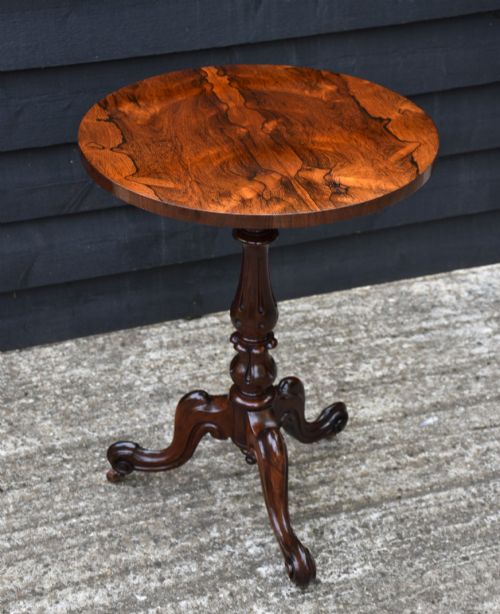
A victorian tripod occasional table brings compact warmth and versatile utility to any room, anchored by a central pedestal and three supportive legs.
Victorian Tripod Occasional Table
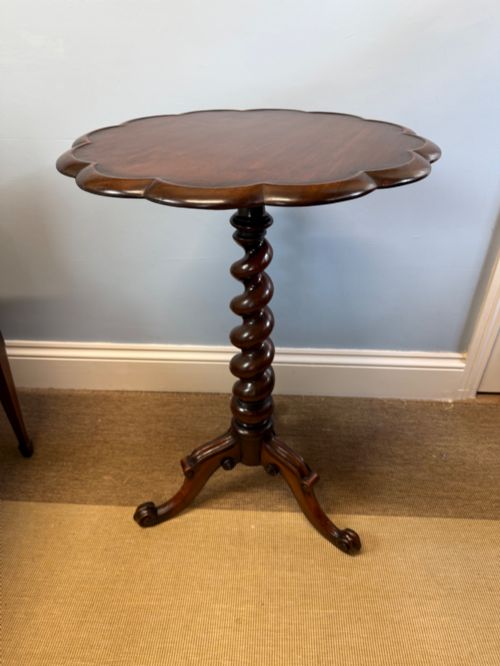
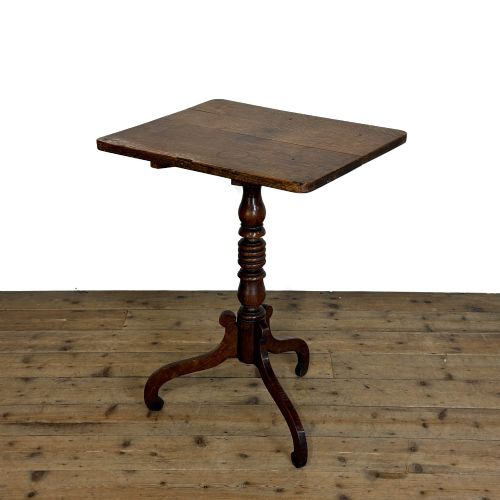
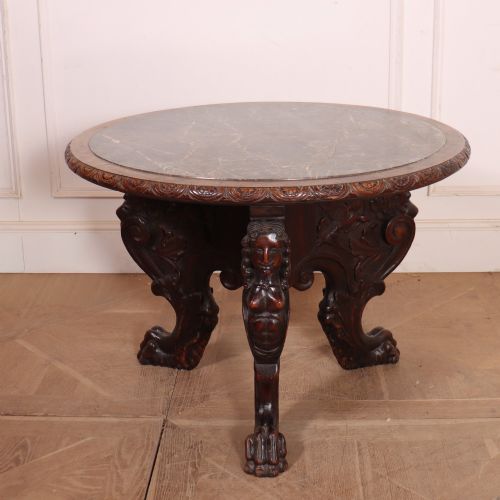
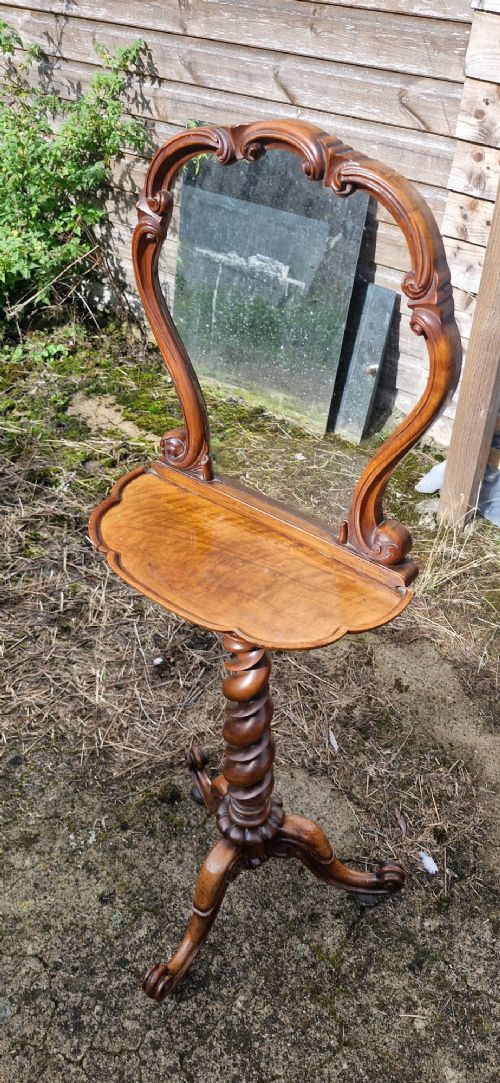
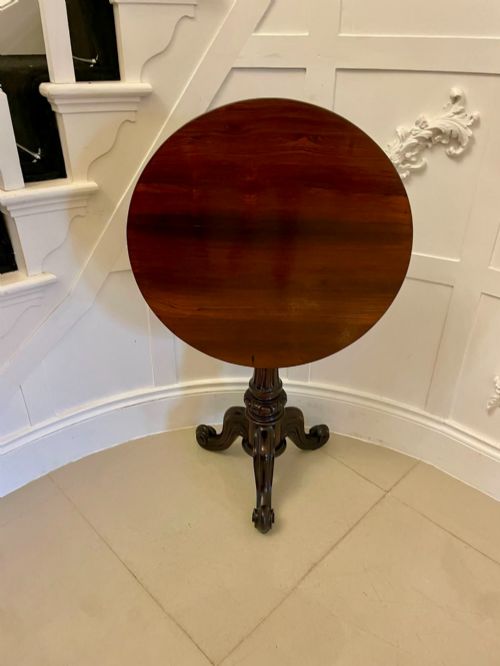
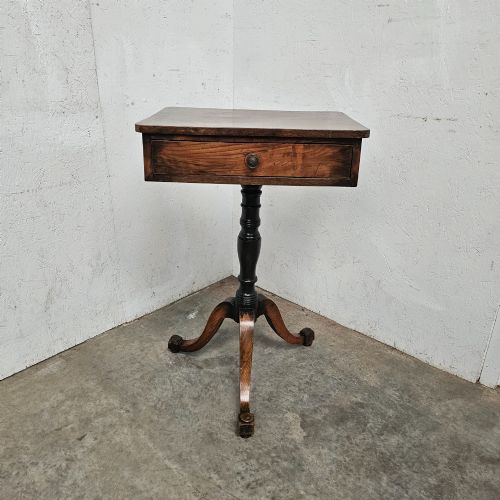
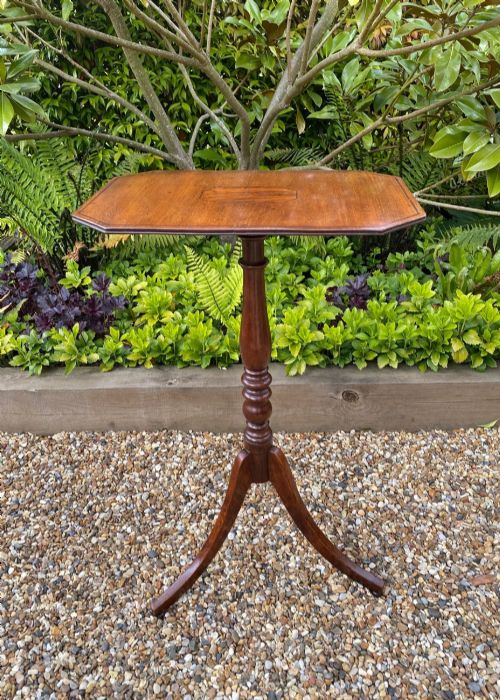
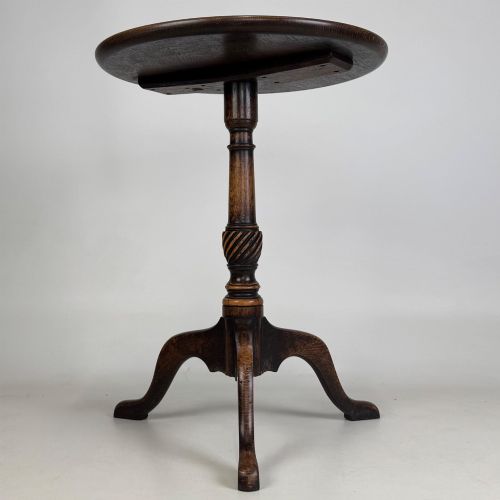
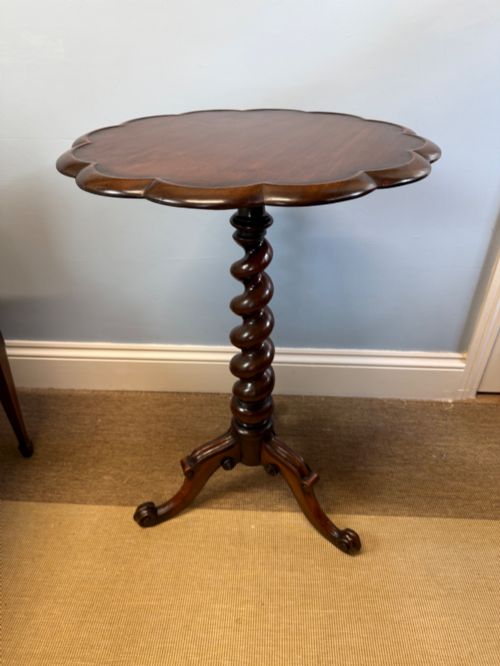
A victorian tripod occasional table typically serves as a lamp, wine, or side table, designed to occupy small spaces beside seating or in corners. These pieces rest upon a central turned or carved pedestal supported by three swept legs.
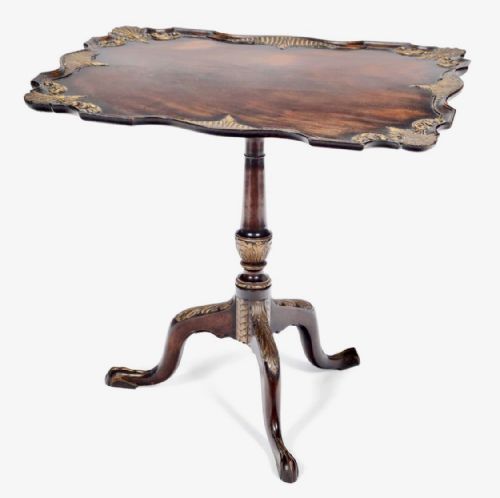
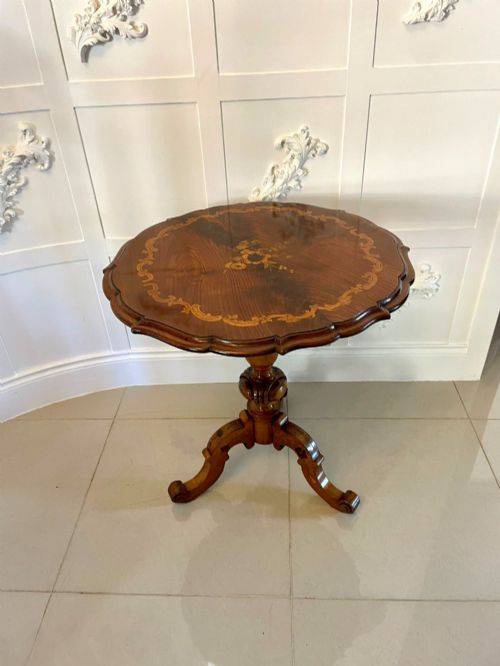
The selections span standard circular tops, tilt-top mechanisms, and trefoil or piecrust edges. Common variations include chess tables, reading stands, and display stands dating across the nineteenth century.
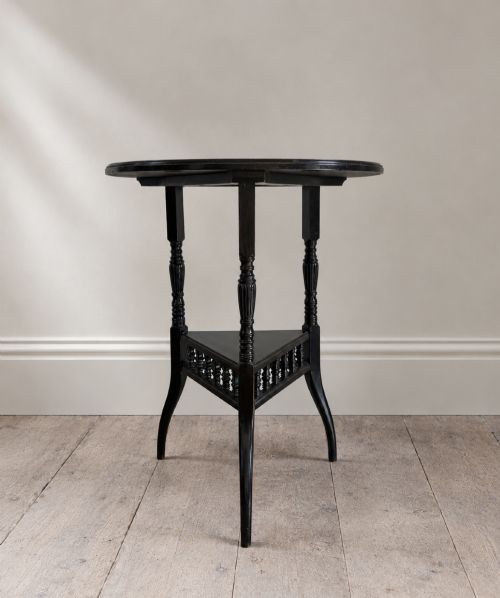
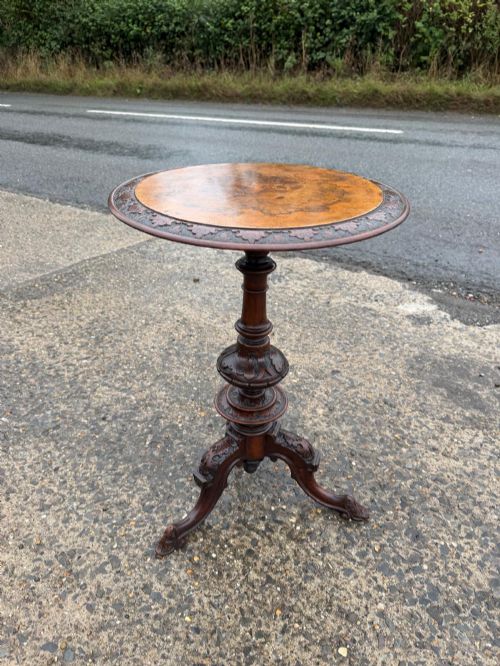
Mahogany and walnut form the predominant timbers, alongside rosewood and burr walnut veneers. Period accents introduce marquetry inlay, parcel gilding, and ebonised finishes.
How They Were Made
Cabinet makers utilised solid hardwoods and rich veneers, applying mahogany, walnut, and rosewood over secondary structural woods. Tops frequently feature figured grains or decorative marquetry inlay.
Turned wooden columns join to tripod bases using sturdy joinery, sometimes incorporating tilt-top brass catches or hinges. Carved details such as piecrust rims, parcel gilding, and chip-carving enhance the surfaces.
Victorian Tripod Occasional Table Retail Price Guide 2026
Typical asking prices for victorian tripod occasional table among the pieces listed under this phrase on Sellingantiques today, from the lower quarter to the upper quarter. They describe what is for sale here now, not the wider market.
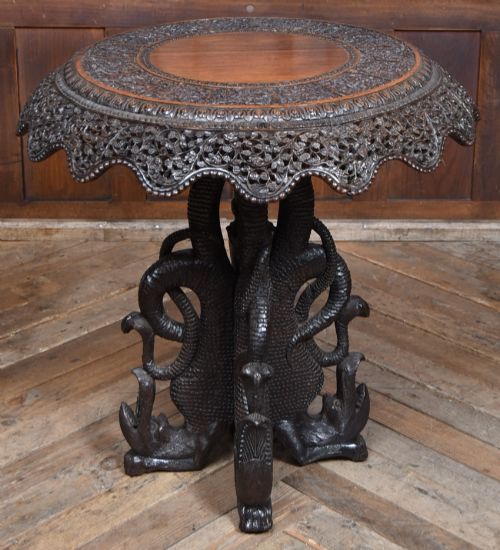
One late Victorian example includes an elephant table complete with painted wooden tusks.
What Varies in Quality
Construction methods determine durability, visible in the snugness of the central column joint and the stability of the three legs. Superior examples employ dense, highly figured timbers and precise marquetry rather than plain veneers.
Carved ornamentation reveals the maker's hand, where crisp, deep relief work distinguishes finer commissions from simpler production pieces. Mechanism execution, such as smooth tilt-top action, marks the better grade.
Gillows·EW Godwin
The Victorian Tripod Occasional Table Glossary
- Tilt-top table
- A table featuring a hinged top that rotates into a vertical position for storage against a wall. This mechanism often uses a brass catch to secure the surface horizontally.
- Tripod base
- A furniture support consisting of three legs radiating from a central pillar. These swept legs frequently terminate in pad or scroll feet.
- Marquetry
- The art of applying decorative pieces of veneer to a structure to form intricate patterns or pictures. Walnut and satinwood frequently appear in these geometric or floral designs.
- Piecrust edge
- A raised, carved tabletop border shaped with undulating curves resembling pastry work. This decorative edge typically appears on finer mahogany wine tables.
- Burr walnut
- A prized timber harvested from walnut tree growths, displaying complex swirling grain patterns. Cabinet makers utilised these veneers on tabletops for striking visual depth.
Victorian Tripod Occasional Table: Frequently Asked Questions
What was a victorian tripod occasional table used for?
These tables served flexible domestic functions, holding lamps, wine glasses, books, or decorative objects beside armchairs and in parlours. Their compact footprints made them easy to move around the home as daily needs shifted.
Tilt-top versions allowed households to clear floor space quickly by folding the surface flat against the wall when not in use.
How do I identify a Victorian table?
Look for characteristic timber selections such as mahogany, rosewood, and walnut, often paired with turned pedestal columns and swept tripod legs. Details like marquetry inlay, ebonised finishes, and specific edge treatments point directly to nineteenth-century design.
Proportions remain smaller than modern furniture, reflecting the domestic scale of Victorian rooms and drawing rooms.
Where should I place it at home?
These pieces fit naturally beside sofas, armchairs, or in empty hallway corners where a surface is needed for a reading lamp or small plant. Their slender profiles ensure they do not overwhelm small spaces.
Avoid placing them in direct sunlight or beside active heat sources to protect the polished wood finishes and delicate veneers.
Can I use a tilt-top table daily?
The tipping mechanism is robust enough for regular use, provided the brass catch and pivot block remain secure and well-aligned. Many owners leave them permanently horizontal as standard lamp tables.
When folding the top, support the weight gently to prevent strain on the central wooden hinge block.