








Victorian Papier Mache Table
A victorian papier mache table brings together durable pressed pulp, deep lacquer and hand-painted detail for a practical surface with immense visual charm.
Victorian Papier Mache Table
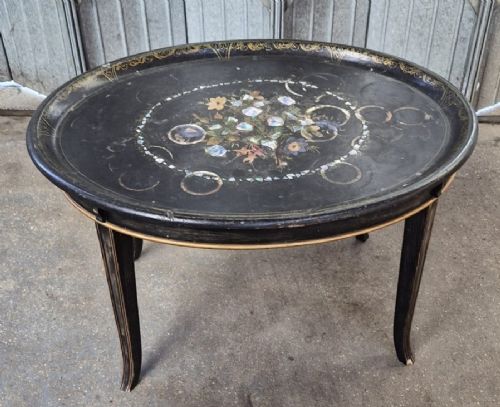
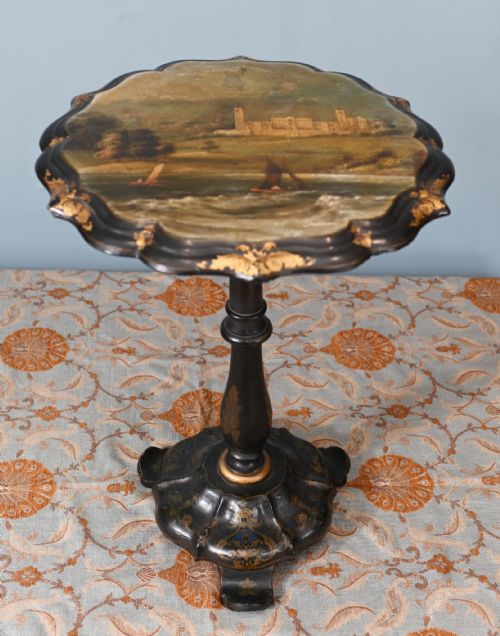
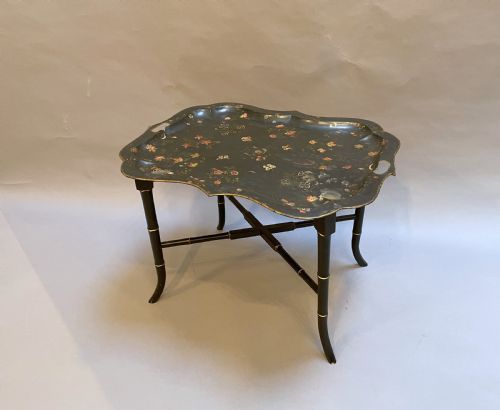
When you search for a victorian papier mache table, you encounter pieces designed primarily for occasional use, such as wine tables, games tables and tilt-top supper tables. These items frequently take the form of deep trays mounted on folding or fixed stands, spanning the nineteenth century with origins in English workshops.
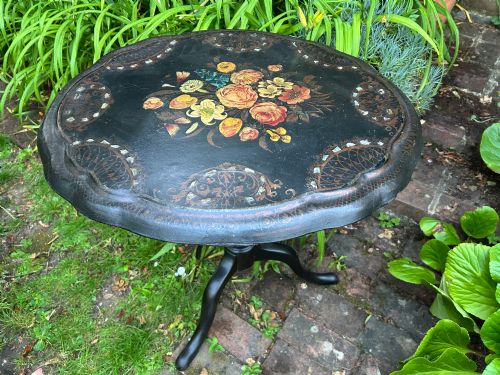
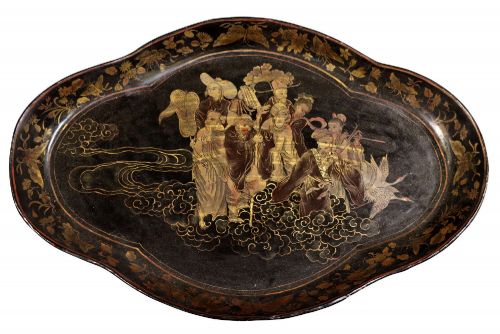
The most common versions on this page are occasional and side tables featuring tilt-top mechanisms, alongside trays set onto later stands. Many examples incorporate chinoiserie decoration or ebonised surfaces, reflecting the dominant aesthetic tastes of the Victorian period.
Materials and Technique
Maker's workshops built these pieces using layers of paper pulp and glue pressed in metal moulds under heavy pressure, creating a remarkably tough board that resisted warping far better than solid timber. Artisans then coated this papier-mâché core in multiple layers of dark lacquer, rubbing each coat smooth before applying paint.
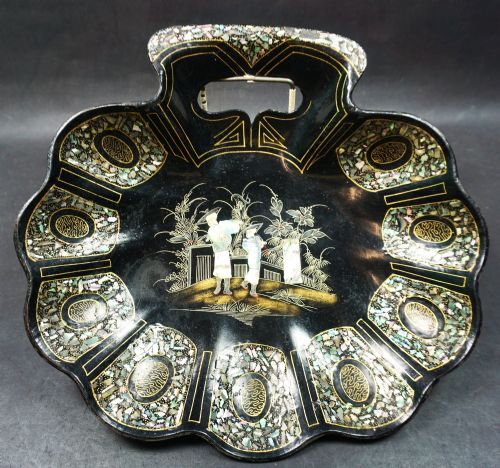
Decoration relied heavily on hand-applied paint, gold leaf and gilt work, frequently enhanced with inlaid pieces of iridescent mother-of-pearl to catch the light. Stands were commonly fashioned from wood or iron to support the lightweight top securely.
Victorian Papier Mache Table Retail Price Guide 2026
Typical asking prices for victorian papier mache table among the pieces listed under this phrase on Sellingantiques today, from the lower quarter to the upper quarter. They describe what is for sale here now, not the wider market.
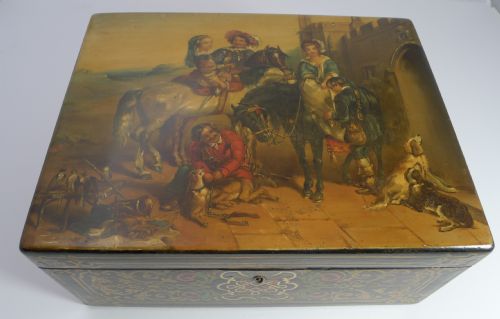
Several tables doubling as sewing boxes invite you to hide your buttons inside miniature lacquer sarcophagi.
Craftsmanship and Detail
The distinction between standard production and the finest work lies in the depth of the painted detail and the precision of the mother-of-pearl inlay. Superior pieces exhibit intricate brushwork and securely embedded shell fragments that sit flush within the lacquer surface rather than protruding above it.
The integrity of the original lacquer finish and the mechanical reliability of tilt-top hinges and stands heavily influence the overall standard of a table. Tables that retain their original integrated bases command greater interest than those paired with later replacement stands.
Jennens & Bettridge
The Victorian Papier Mache Table Glossary
- Papier-mâché
- A composite material formed from paper pulp mixed with binding agents and pressed into rigid shapes. It provides a stable, lightweight base for decorative lacquer furniture.
- Tilt-top
- A hinged table mechanism allowing the surface to fold vertically when not in use. This clever design saved valuable floor space in Victorian parlours.
- Chinoiserie
- European artistic style reflecting Chinese decorative motifs. Artisans used gold paint and lacquer to depict imaginary landscapes, figures and pavilions.
- Mother-of-pearl
- The iridescent inner layer of certain mollusc shells, sliced into thin sheets and inlaid into lacquer. It creates shimmering highlights against dark ebonised surfaces.
- Ebonisation
- A chemical or paint process applied to timber to imitate costly ebony wood. It creates a dark, uniform background that makes painted and gilded details stand out.
Victorian Papier Mache Table: Frequently Asked Questions
What is a tilt-top table used for?
Victorian households utilised tilt-top tables as flexible furniture pieces for serving supper, playing games or holding drinks during evening gatherings. The folding mechanism allowed servants to store the tables flat against parlour walls when the room was needed for other activities.
Today, these tables serve well as bedside stands or compact coffee tables where their decorative surfaces remain visible. Their lightweight construction makes them easy to reposition around a room as needed.
How do I clean papier mache furniture?
Maintenance requires only a soft, dry cloth to remove dust gently from the lacquered and painted surfaces. Moisture can damage old lacquer and lift delicate gold leaf or mother-of-pearl inlay, so water and chemical polishes must be avoided entirely.
Keeping the table away from direct sunlight and strong heat sources protects the historic finish from cracking or fading. Regular gentle dusting preserves the original gloss without risking abrasion to the painted decoration.
Are these tables sturdy enough for daily use?
The compressed paper core is surprisingly resilient and handles normal placement of books or cups without difficulty. However, the delicate painted decoration and lacquer finish require mindful handling to prevent scratches or chips from hard objects.
Careful placement away from heavy traffic areas ensures the table remains undamaged while serving its purpose. Using coasters protects the antique lacquer from rings caused by hot or cold drinks.
How can I identify a genuine nineteenth century piece?
Authentic examples display the characteristic weight, density and construction methods of pressed paper pulp rather than modern plastic or fibreglass substitutes. Close inspection of the underside often reveals the original unpainted or primed paper layers used by period makers.
Hand-mixed pigments, crazing in the aged lacquer and traditional joinery on the wooden stands provide further confirmation of nineteenth-century origin. Maker stamps or signatures occasionally appear on the underside of finer trays and tables.