




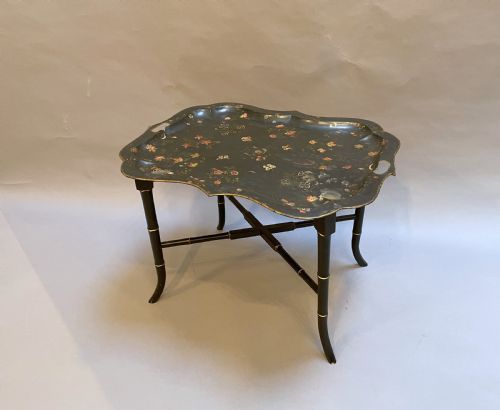


Gilt Papier Mache Table
These gilt papier mache table pieces bring functional elegance to a room, offering gilded warmth and practical surfaces for daily use.
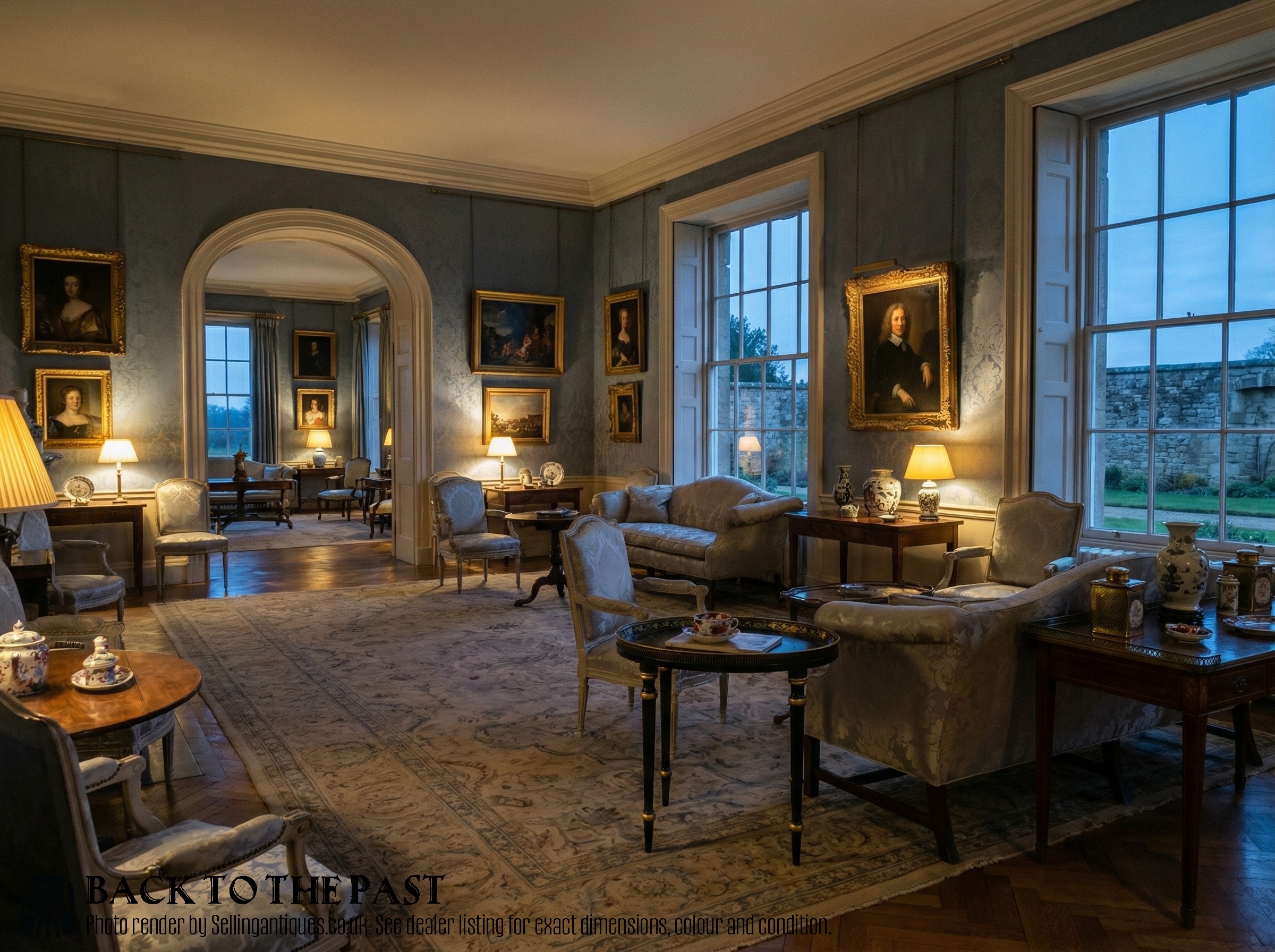
Gilt Papier Mache Table
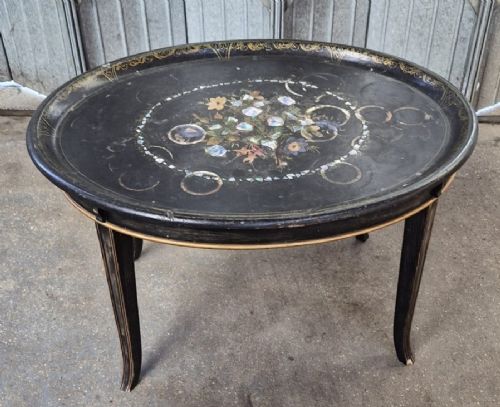
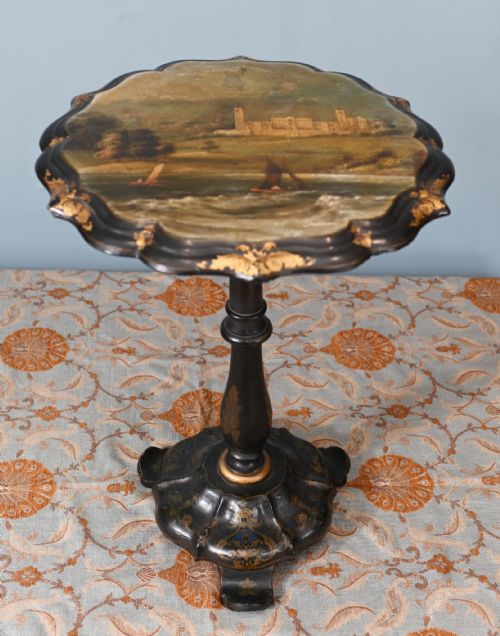
Buyers most frequently encounter tray tables where a detachable tray sits upon a folding or fixed timber stand. These forms often incorporate painted and mother of pearl inlaid details alongside traditional gilt decoration.
How they were made
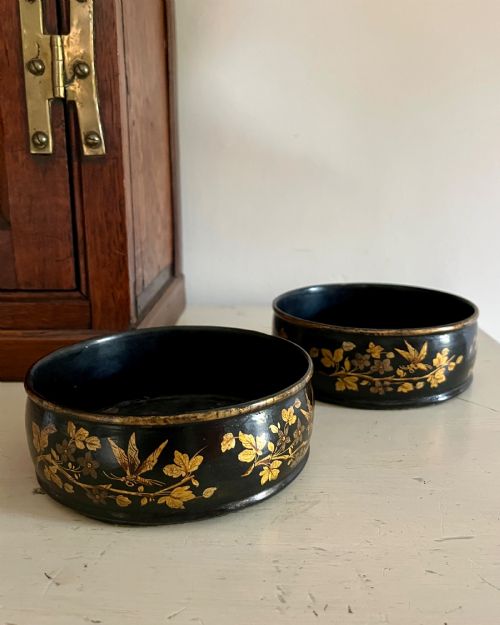
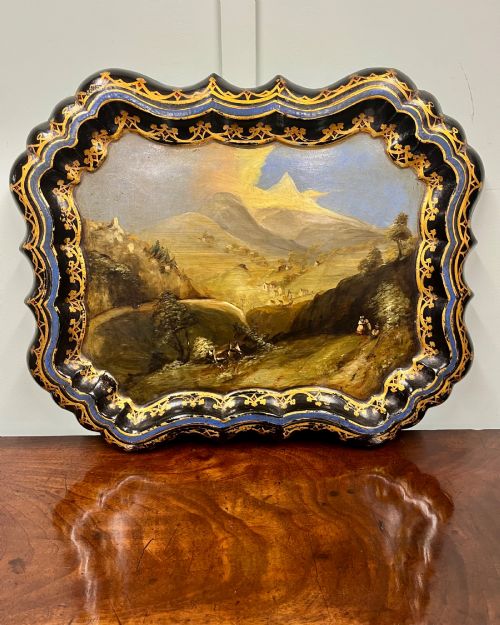
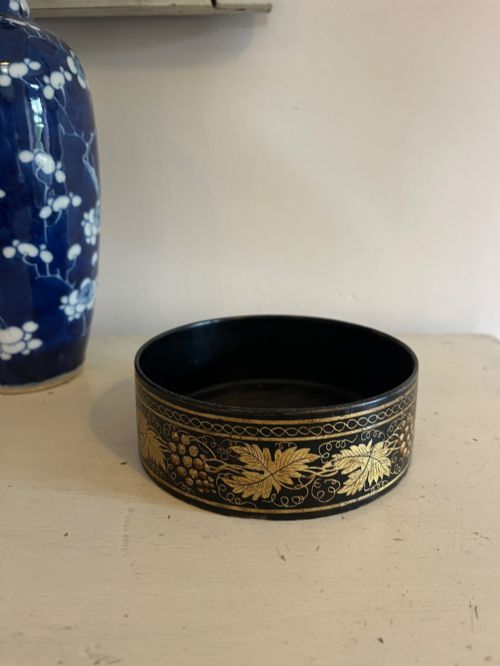
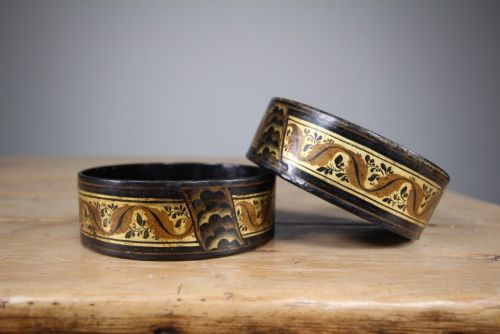
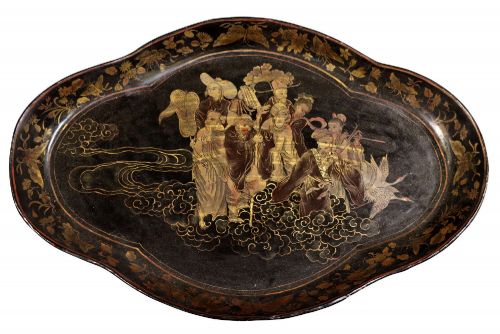
Makers formed these items using papier mache, lacquer, and timber, applying gold leaf and gilding to accentuate the surfaces. Brass components appear on stands and fittings.
Artisans combined painted ornamentation and mother of pearl inlay with lacquer work and gilt decoration, mounting trays onto wooden supports or adjustable poles.
Gilt Papier Mache Table Retail Price Guide 2026
Typical asking prices for gilt papier mache table among the pieces listed under this phrase on Sellingantiques today, from the lower quarter to the upper quarter. They describe what is for sale here now, not the wider market.
A nineteenth century pole screen allows you to block the hearth's fierce glare without scorching your face.
What varies in quality
Quality differences lie in the finesse of the painted decoration and the precision of the mother of pearl inlay work. Finer examples display meticulous gilt detailing and superior lacquer finishes.
The sophistication of the timber support structure and the harmony between the tray and its stand distinguish standard production from exceptional craftsmanship.
Henry Clay
The Gilt Papier Mache Table Glossary
- Papier mache
- A composite material made from paper pulp or layers of paper glued, pressed, and dried into a rigid form. It provides a smooth base for lacquer and paint.
- Gilt
- Covered thinly with gold leaf or gold paint. This technique adds reflective highlights and decorative brilliance to the surface.
- Tray table
- A removable serving tray supported by a folding or fixed stand. It functions as a flexible piece of furniture for a room.
- Mother of pearl
- An iridescent inner layer of mollusc shell used for inlay. Craftsmen shape it into decorative motifs embedded within the lacquer.
Gilt Papier Mache Table: Frequently Asked Questions
How were tray tables used historically?
Historically, the tray portion served for carrying refreshments or display items before being placed securely onto a dedicated folding or fixed stand for use as an occasional table.
This dual functionality allowed rooms to be arranged flexibly for entertaining guests or for private tea service.
How do I style these tables at home?
Place a tray table beside a seating area where its reflective gilt surface and painted details can catch the light. Keep decorative objects minimal to let the lacquer and inlay work remain visible.
Ensure the table is positioned away from excessive moisture to protect the historic materials.
How do I identify a Regency piece?
Regency items often display classical restraint alongside Chinoiserie influences, utilising black lacquer backgrounds with detailed gilt decoration and painted motifs. The stands frequently feature elegant turned timber supports typical of the early nineteenth century.
Comparing the construction methods and decorative styles helps distinguish these pieces from later Victorian revivals.