

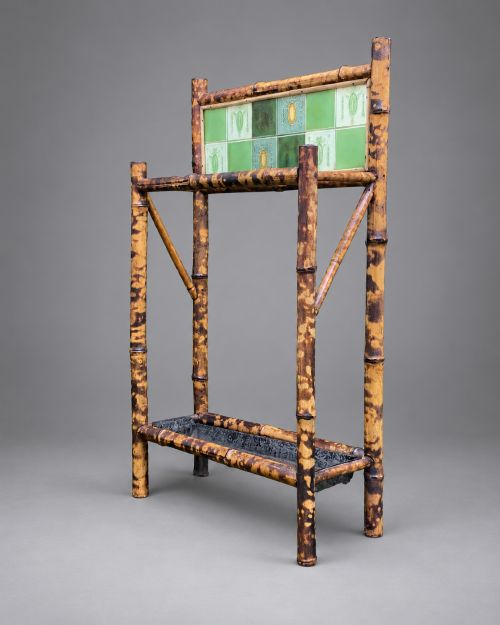
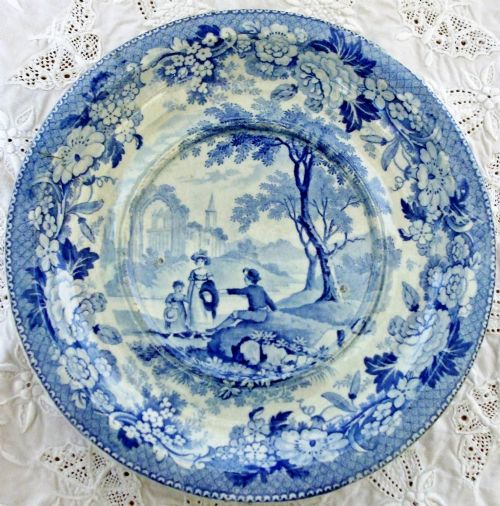
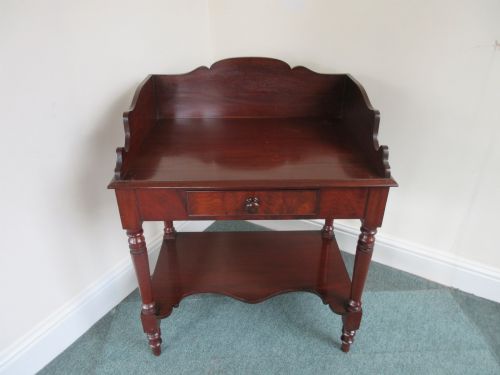
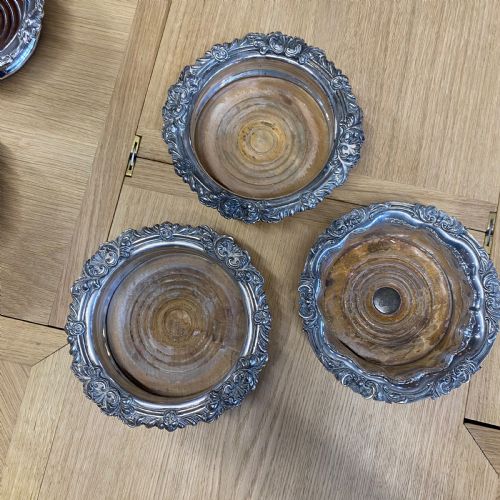
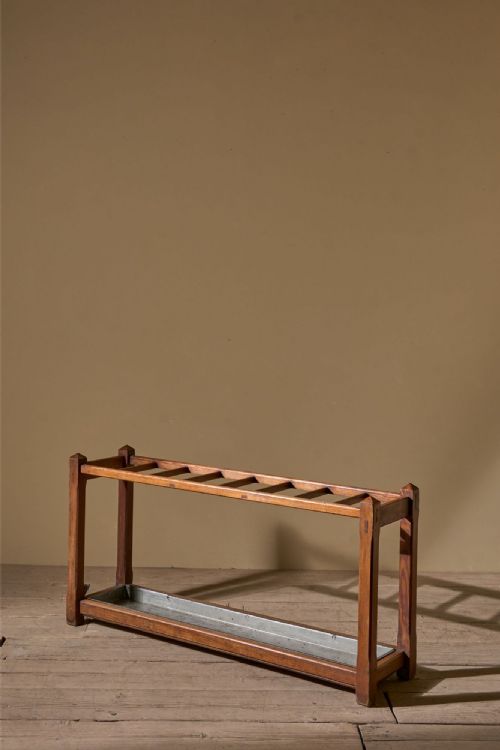
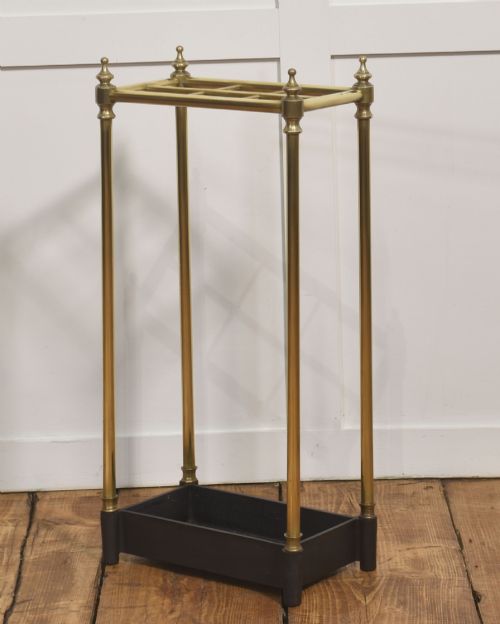
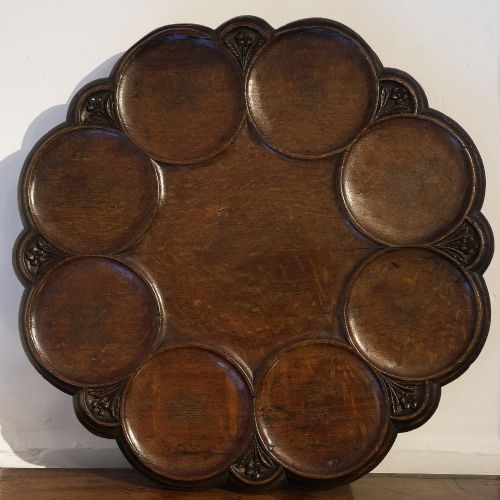

19th Century Tray Stand
A 19th century tray stand offers practical side service with folding portability, pairing a removable tray with a dedicated support.
19th Century Tray Stand
When you search for a 19th century tray stand, you encounter portable serving tables designed for domestic utility and entertaining. These pieces combine a detachable tray, often with hinged sides or carrying handles, with a folding or fixed wooden frame.
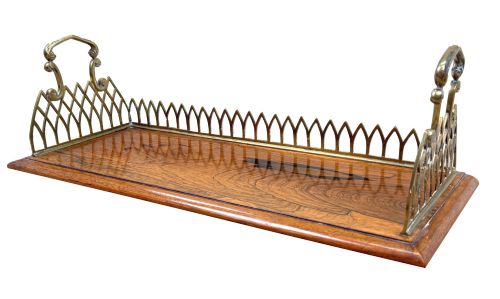
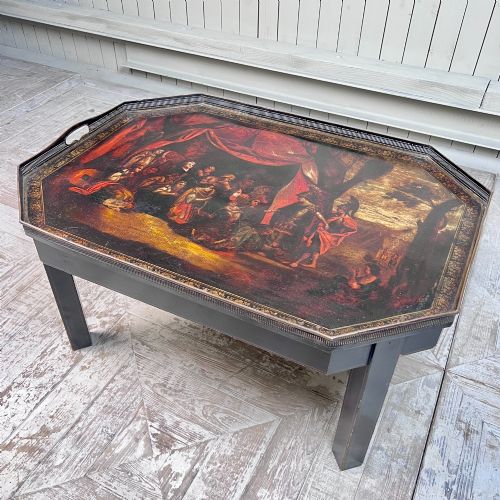
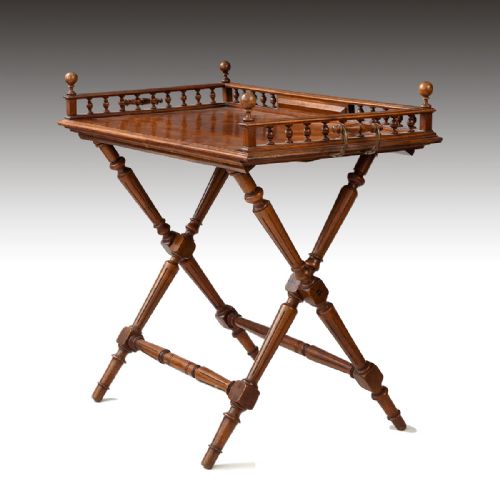
The examples seen on this page belong to the 19th century, spanning styles from William IV to Gothic Revival and Victorian periods. Mahogany and oak dominate the surviving pieces, accompanied by occasional papier-mâché and brass variants.
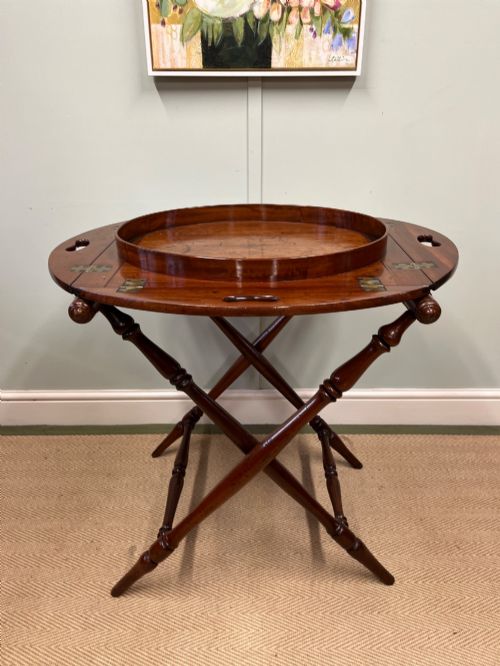
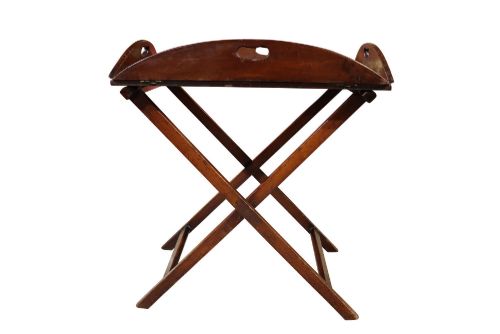
Most entries function as occasional tables or tray tables, with butler's trays representing the primary form. Their dual nature allows the top to lift off independently from its support for serving guests.
Materials and Construction
Cabinetmakers utilised hardwoods such as mahogany, oak, walnut, rosewood, and pitch pine to construct both the trays and the supporting bases. Joinery methods included dovetailed tray corners and pegged or hinged joints on the folding stands.
Surface elaboration involved carved oak details, inlaid woodwork, and painted or decorated papier-mâché surfaces. Brass handles and hinges appeared frequently to facilitate the lifting and folding actions required of portable furniture.
19th Century Tray Stand Retail Price Guide 2026
Typical asking prices for 19th century tray stand among the pieces listed under this phrase on Sellingantiques today, from the lower quarter to the upper quarter. They describe what is for sale here now, not the wider market.
The inventory records occasional tables and tray tables styled in Victorian, William IV, and Gothic Revival aesthetics.
Distinctions in Execution
The distinction between standard utility items and finer examples rests in timber selection and decorative detail. Solid mahogany or quarter-sawn oak with crisp carved mouldings or intricate inlays represent higher tiers of craftsmanship.
Originality of the pairing influences the standing of a piece, as stands were occasionally replaced or modernised over time. Uniform patination between the upper tray and the lower support indicates a cohesive origin.
The 19th Century Tray Stand Glossary
- Butler's tray
- A rectangular tray featuring hinged sides that fold down flat or lock upright with brass brackets for carrying. This form forms the primary component of most stands on this page.
- Tray stand
- A folding or rigid wooden frame designed to elevate a removable tray to table height. These stands allow the top to convert from a serving implement into an occasional table.
- Papier-mâché
- A composite material made from paper pulp or layers of paper bound with glue, then moulded and lacquered. It provided a smooth surface for painted decoration on Victorian trays.
- Gothic Revival
- An architectural and decorative style drawing on medieval pointed arches and structural motifs. In woodwork, it manifests through pointed tracery and heavy carved oak detailing.
- William IV
- A transitional design period bridging Regency and early Victorian eras, spanning the 1830s. Pieces from this era often display robust proportions and restrained classical ornamentation.
19th Century Tray Stand: Frequently Asked Questions
What is a 19th century tray stand used for?
These pieces function primarily as occasional tables, serving drinks or small items in a living space. The removable top allowed servants to carry provisions into a room before mounting the tray onto the folding base.
Today, owners utilise them beside seating areas or as decorative display surfaces. Their portability makes them adaptable for temporary placement throughout a home.
Are the tray and stand always original to each other?
Trays and stands were handled as separate items during the period and sometimes became separated over decades of use. Because wooden trays experienced heavy wear, replacement stands from later dates do occur in the market.
Evaluating the match involves comparing the timber species, wear patterns, and patination of both components. Matching wood tones and corresponding period characteristics suggest an original pair.
How do I care for a wooden tray stand?
Wooden surfaces require protection from excessive moisture, direct heat sources, and strong sunlight. Regular dusting with a dry cloth maintains the finish without stripping natural oils from the timber.
Applying a traditional beeswax polish occasionally helps nourish hardwood surfaces like mahogany and oak. Care must be taken around brass hinges and folding mechanisms to prevent moisture accumulation.
How do I identify a Victorian tray stand?
Victorian examples frequently incorporate dense mahogany or oak, often reflecting Gothic Revival motifs or standard domestic utility. Brass hardware, such as folding brackets on butler's trays, often bears nineteenth-century manufacturing traits.
Papier-mâché trays from this era display black lacquered finishes with painted or inlaid mother-of-pearl decoration. Comparing the construction methods against known period joinery confirms the manufacturing timeframe.