

Hand Painted Floral Table
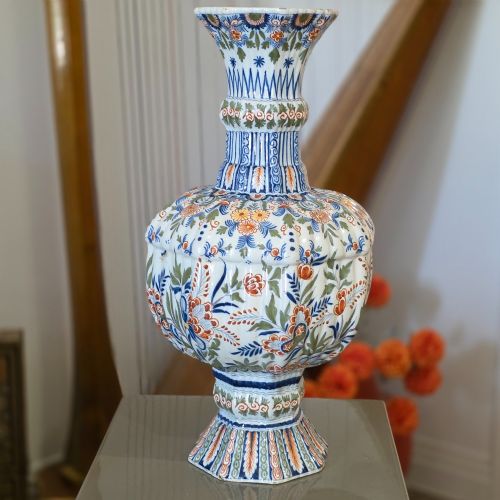
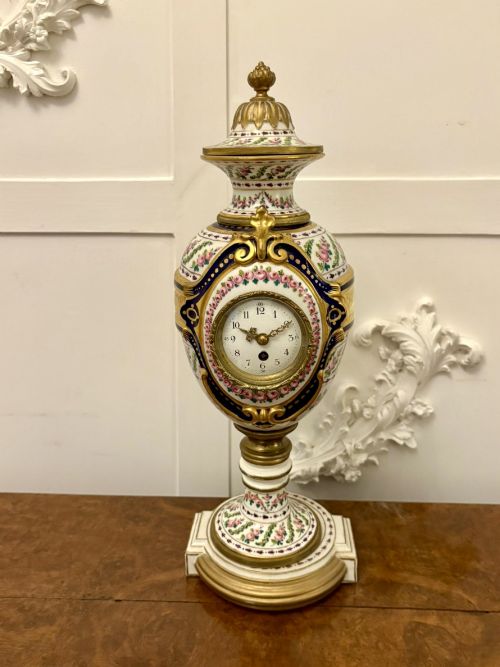
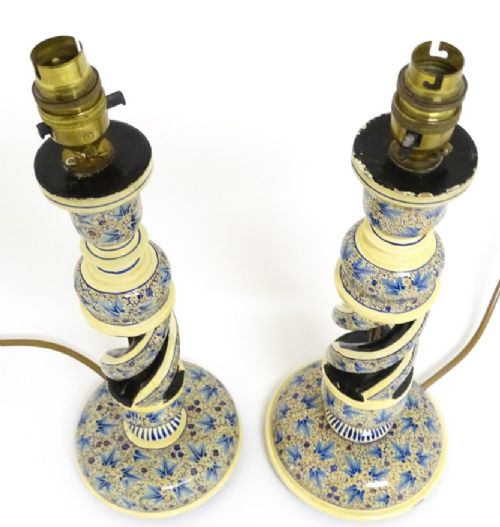
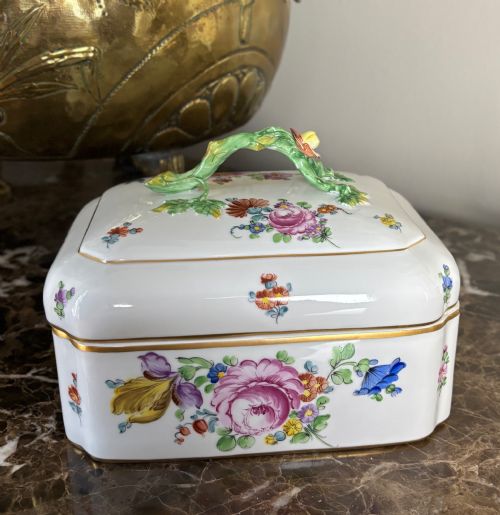
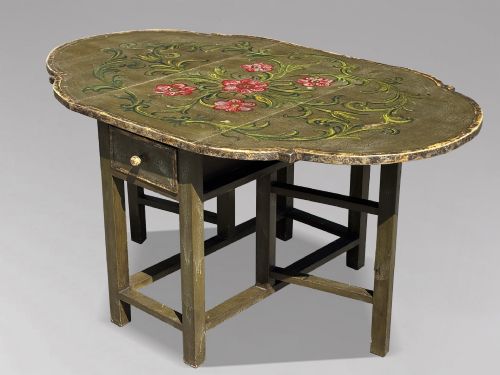
These hand painted floral table pieces bring vibrant botanical motifs to occasional furniture, lighting, and display items spanning the Victorian era to the early twentieth century.
Hand Painted Floral Table
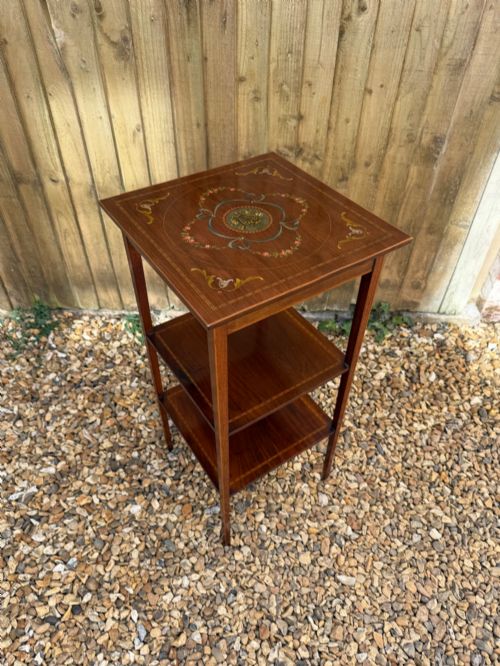
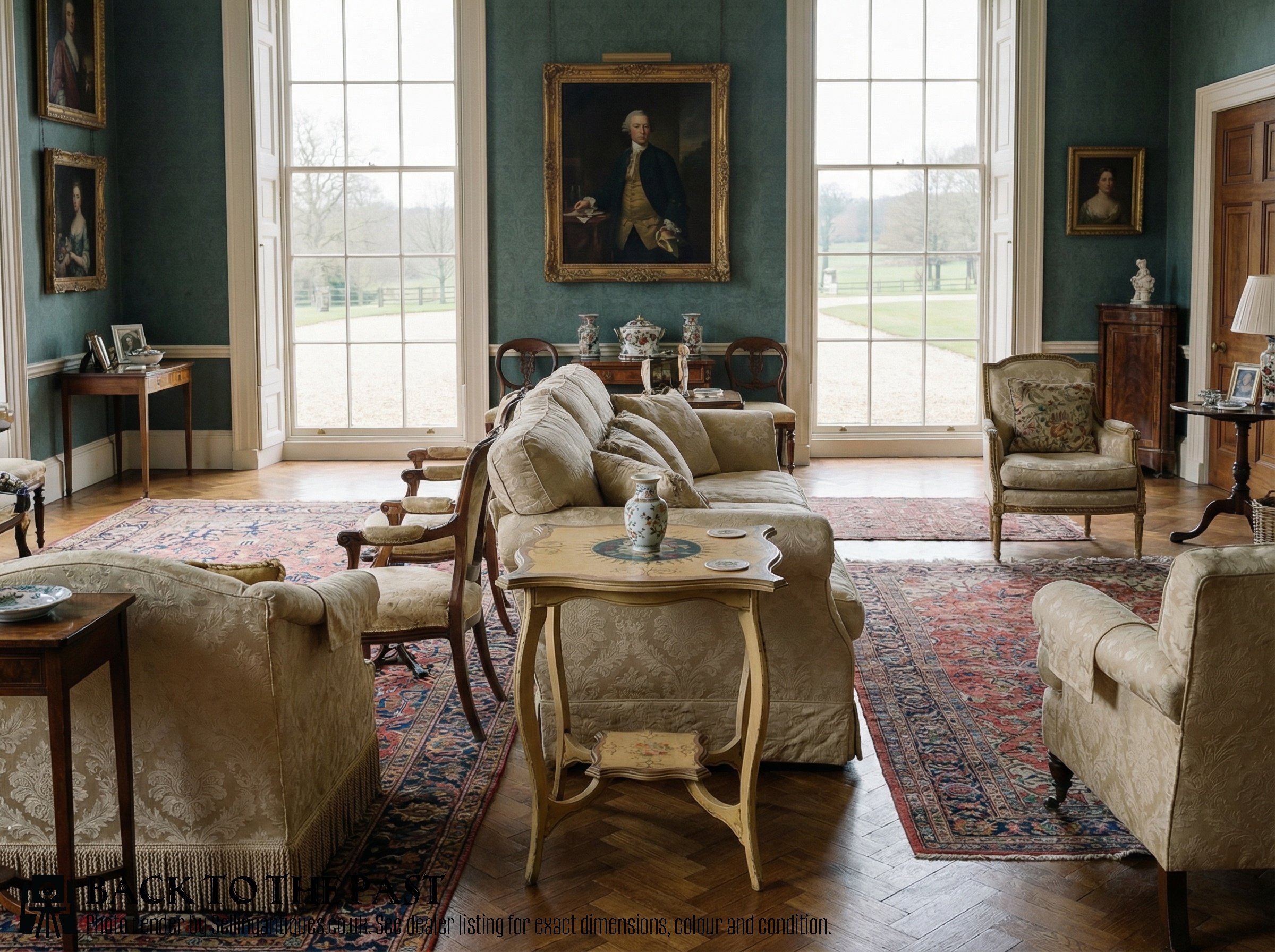
A hand painted floral table encompasses occasional furniture, drop-leaf pieces, and tilt-top designs decorated with botanical imagery across various historical periods. The selection frequently reveals side tables and occasional surfaces fashioned from mahogany, satinwood, and painted wood.
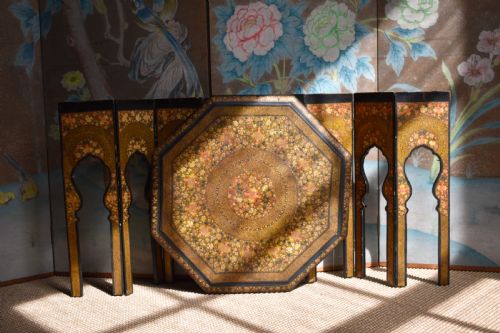
Makers and artisans applied floral motifs to furniture forms ranging from Edwardian satinwood pieces to Victorian tilt-top dining and hall tables. These items often integrate regional traditions, including Kashmiri painted surfaces and Italian green painted woodwork.
Buyers encounter distinct forms such as Pembroke tables and etageres alongside standard occasional surfaces, each displaying botanical decoration upon wood, lacquer, or metal structures.
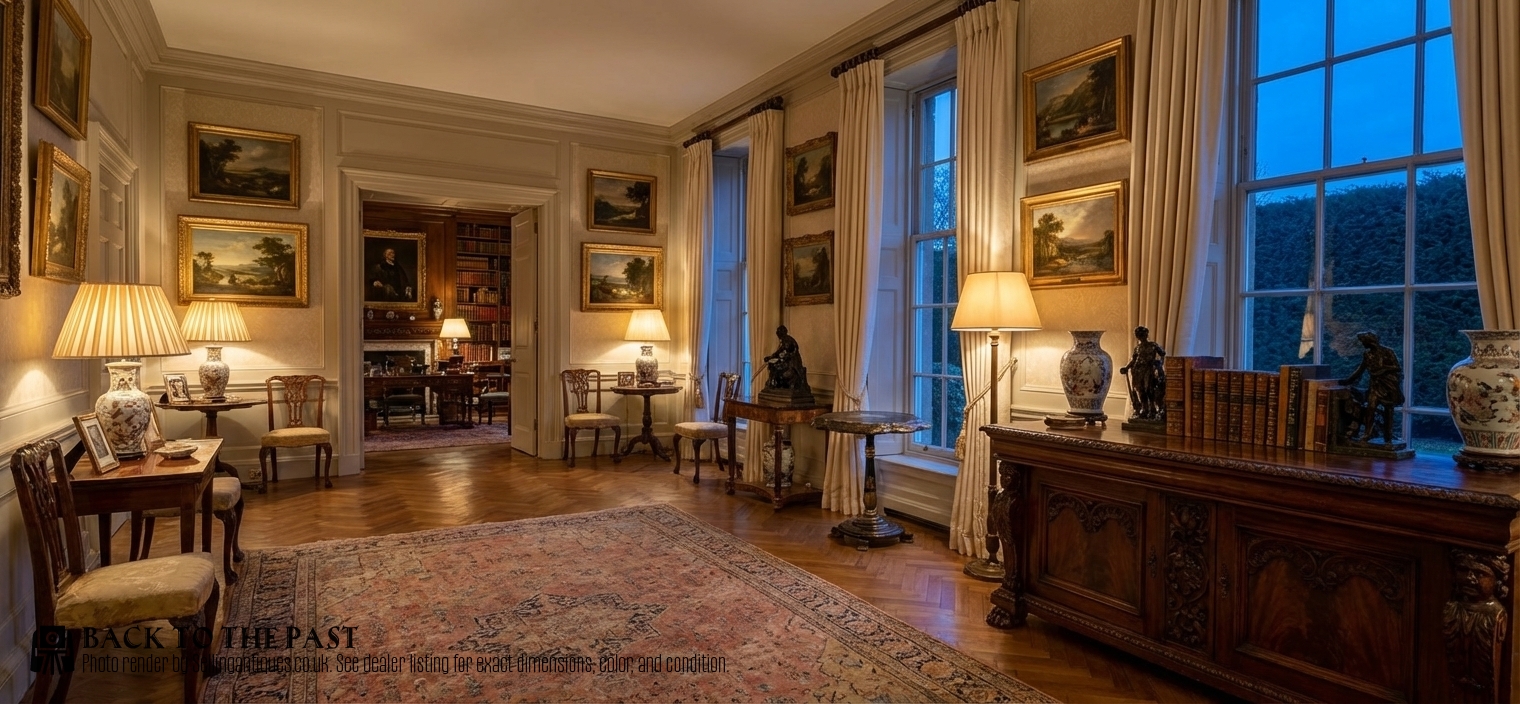
Materials and construction methods
Craftsmen utilised traditional hardwoods like mahogany, satinwood, and oak as the foundational structure for painted tables and occasional pieces. Surfaces were frequently prepared with specialised paint, enamel, or lacquer finishes before artisans applied detailed botanical designs.
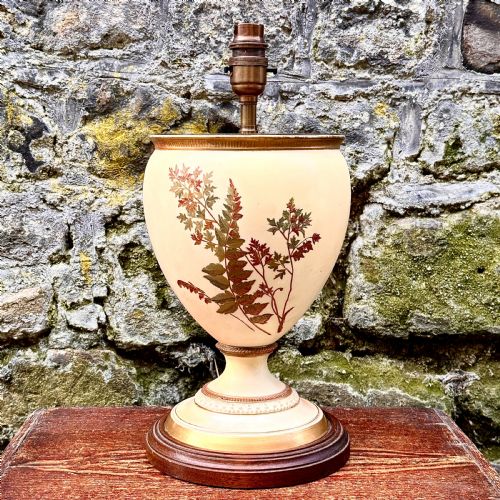
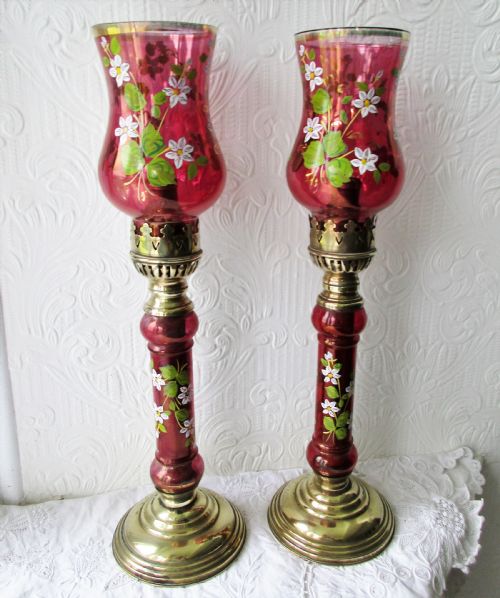
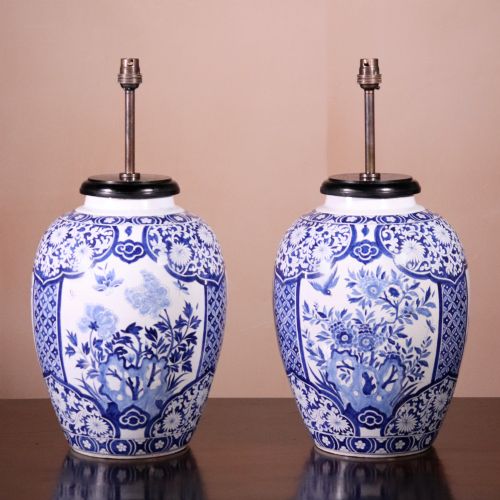
Metal elements such as brass, gilt bronze, and wrought iron appear alongside ceramic and glass components in related decorative items like lamps and centrepieces. Artisans combined these mixed media with hand-applied pigments to achieve durable, ornamental surfaces.
Hand Painted Floral Table Retail Price Guide 2026
Typical asking prices for hand painted floral table among the pieces listed under this phrase on Sellingantiques today, from the lower quarter to the upper quarter. They describe what is for sale here now, not the wider market.
Judging the quality of the work
The refinement of the hand-painted floral decoration separates standard utility pieces from exceptional examples of craftsmanship. Crisp brushwork, nuanced colour blending, and the preservation of the original pigment without heavy overpainting indicate superior execution.
The integrity of the underlying timber structure and the stability of joints dictate the durability of the furniture. Superior examples maintain original surface patination and structural soundness across drop-leaf mechanisms and tilt-top hinges.
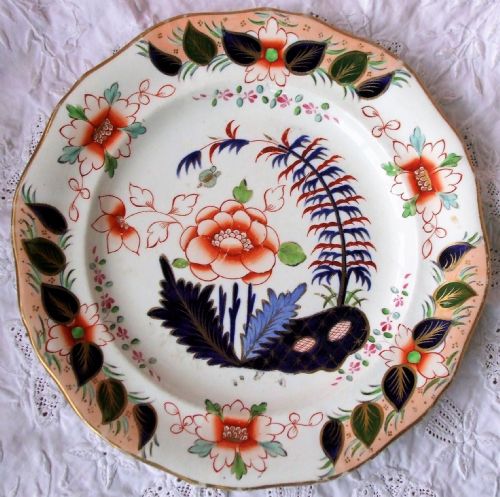
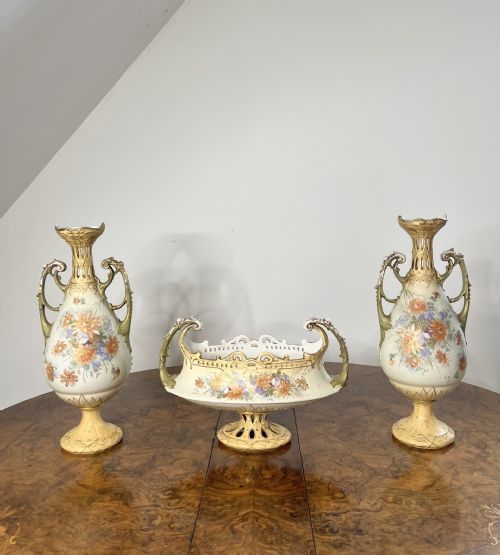
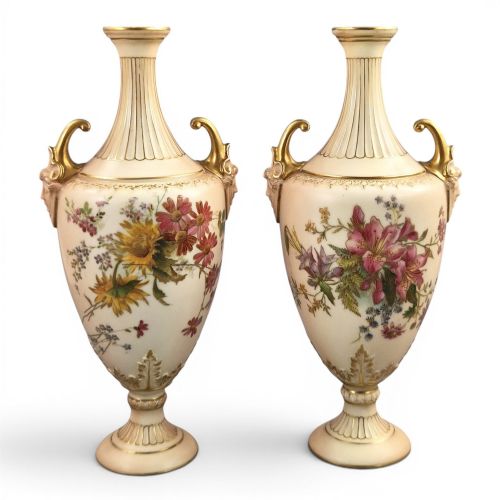
Royal Worcester·John Davenport of Longport·Royal Vienna·Royal Doulton
The Hand Painted Floral Table Glossary
- Tilt-top table
- A small dining or hall table featuring a top that hinges vertically for storage when not in use. These pieces frequently showcase later painted floral designs on circular wooden surfaces.
- Drop-leaf table
- A table with hinged leaves on either side that fold down to save space or raise to expand the surface area. Examples from the early twentieth century often display green painted finishes.
- Satinwood
- A hard, durable timber with a natural golden sheen utilised extensively in fine cabinet making. Artisans often painted floral patterns directly onto satinwood side tables and bonheur du jour desks.
- Etagere
- A piece of furniture consisting of a set of open shelves for displaying small objects. Painted mahogany versions provide tiered surfaces for ornamental display.
- Toleware
- Enamelled or lacquered metalware, typically iron or steel, decorated with painted motifs. Victorian examples include specialised small tables incorporating this durable material.
Hand Painted Floral Table: Frequently Asked Questions
How do I care for painted wooden surfaces?
Keep painted tables away from direct sunlight and excessive moisture to protect the delicate pigments and underlying wood from fading or warping. Dust the surface regularly with a soft, dry cloth rather than applying chemical polishes.
Maintain consistent indoor humidity levels to prevent the timber from expanding or contracting, which can cause the paint layer to crack over time.
What periods do these painted pieces represent?
The pieces span the nineteenth and early twentieth centuries, encompassing Victorian, Edwardian, and Art Deco eras. Styles range from Rococo Revival and Chinoiserie to Kashmiri and Sheraton Revival influences.
Earlier nineteenth-century examples often utilise mahogany and satinwood, while subsequent decades introduce Italian and Kashmiri painted woodwork.
Where were Kashmiri painted items made?
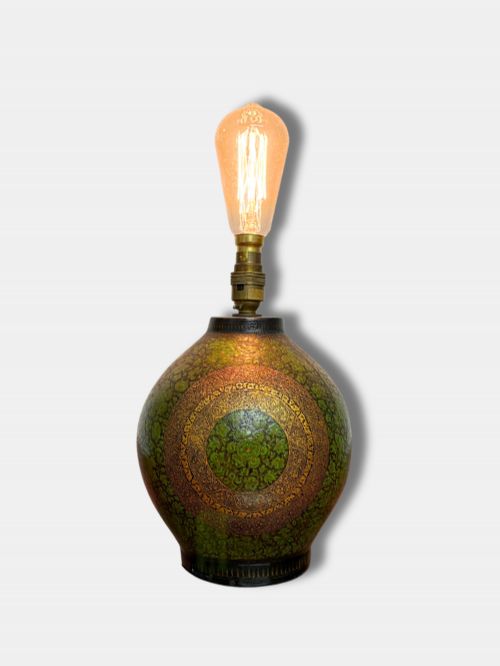
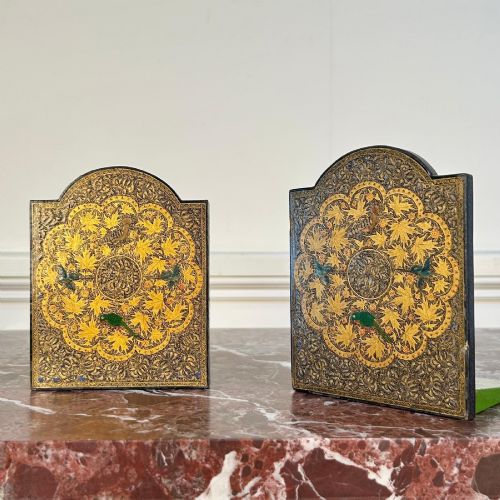
Items attributed to Kashmir originate from the region in northern India, renowned for intricate hand-painted floral and gilt ornamentation. Artisans applied detailed botanical designs onto wooden tables, lamp bases, and bookends.
These pieces frequently combine green or gold painted backgrounds with dense floral patterns, reflecting distinct regional craftsmanship traditions.
Are tilt-top tables structurally stable?
Tilt-top tables rely on a central pillar and catch mechanism to secure the tabletop in a horizontal position during daily use. Inspect the pivoting joint and the tripod base to ensure the mechanism locks firmly without wobbling.
Original brass catches and solid wood pedestals contribute to the overall stability and longevity of the piece.