

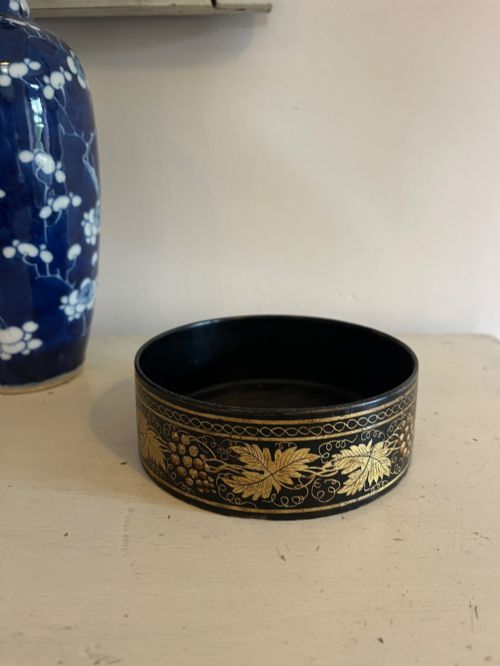
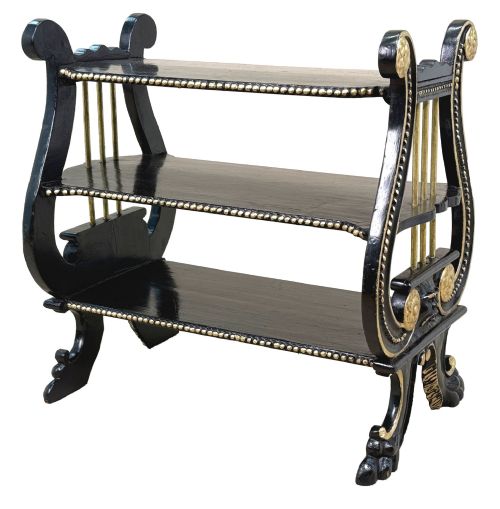
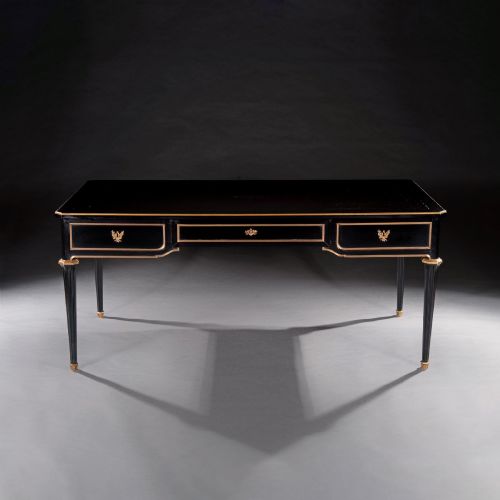
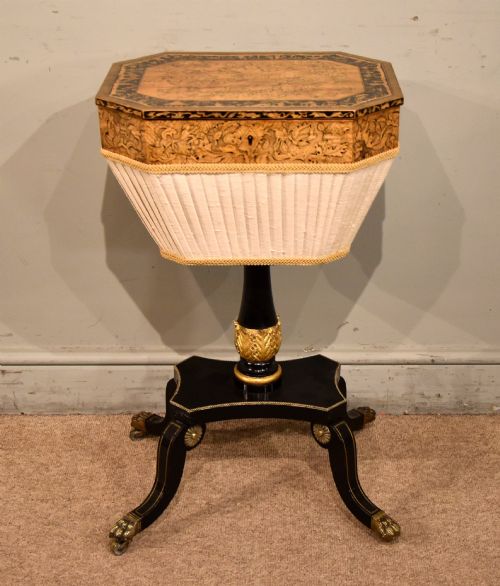
Black and Gold Table
These black and gold table designs bring deep lacquer and metallic detail into a room, offering functional surfaces with distinct decorative presence.
Black and Gold Table
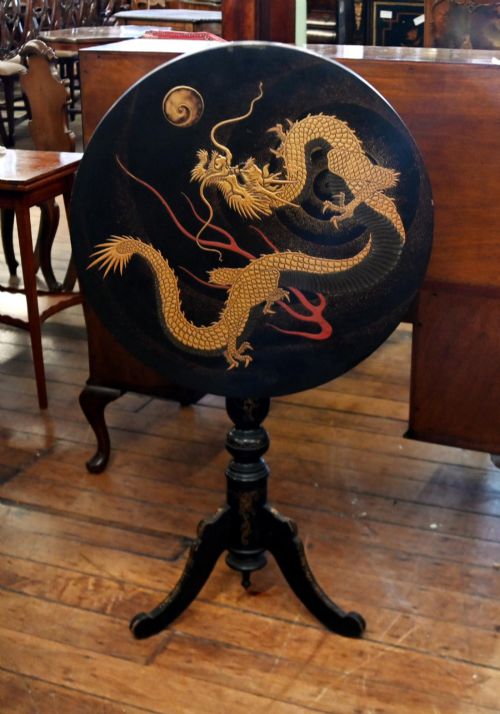
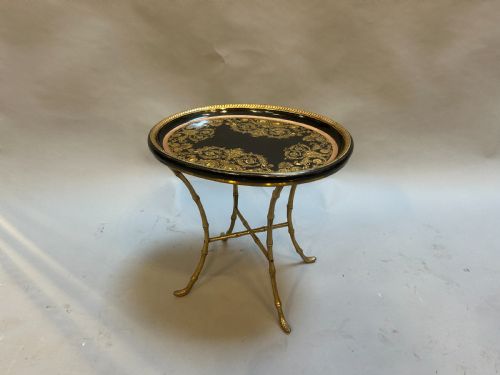
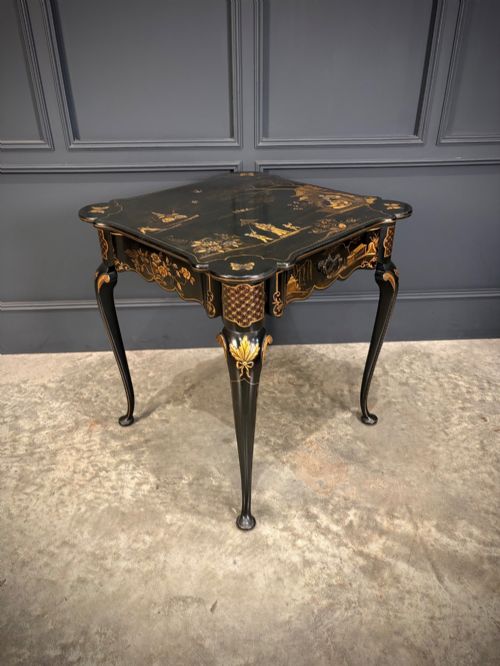
A black and gold table encompasses occasional tables, work tables, and writing tables originating from the Regency, Victorian, and early twentieth-century periods.
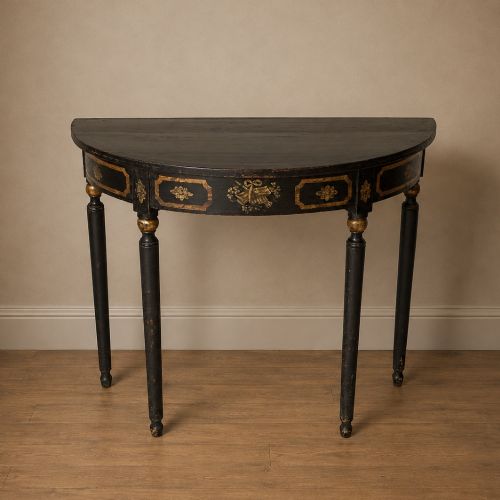
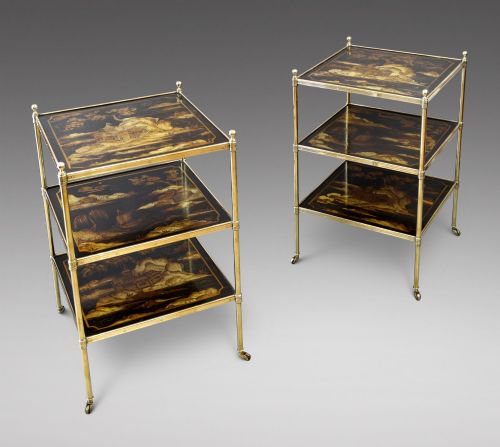
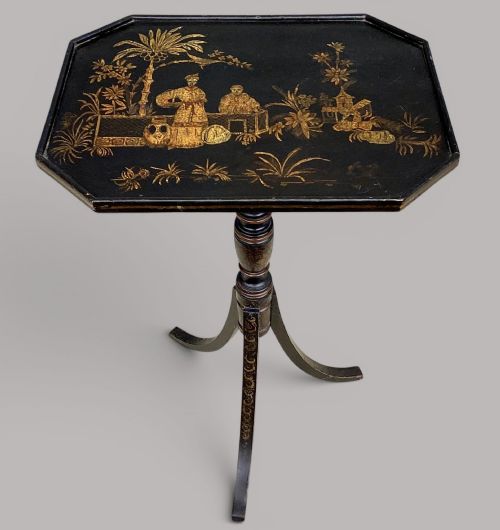
Buyers frequently encounter occasional forms, coffee tables, and nest of tables finished in black lacquer or ebonised wood with gilt decoration.
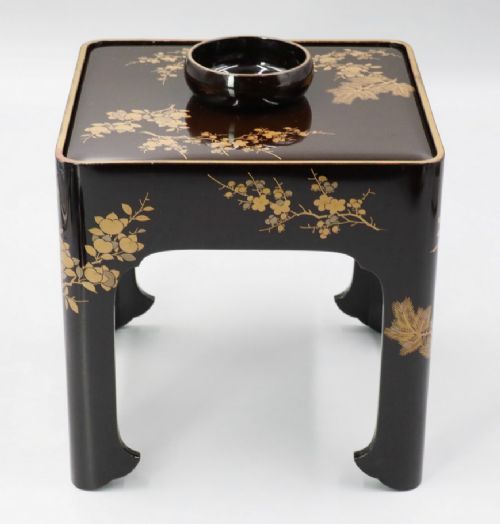
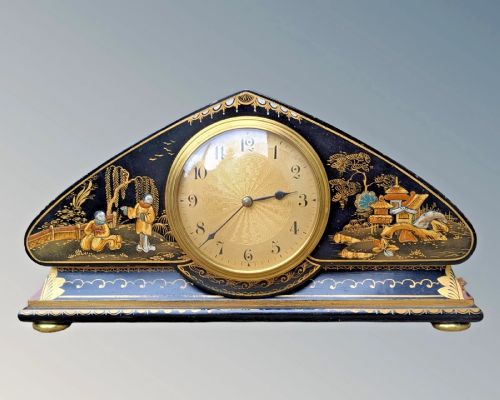
Stylistic influences range from English Chinoiserie and Regency revival to Japanese Meiji lacquer work and French Empire designs.
Assessing the work
Quality rests in the depth of the lacquer finish, the crispness of the gilt or penwork detail, and the integrity of the underlying timber structure.
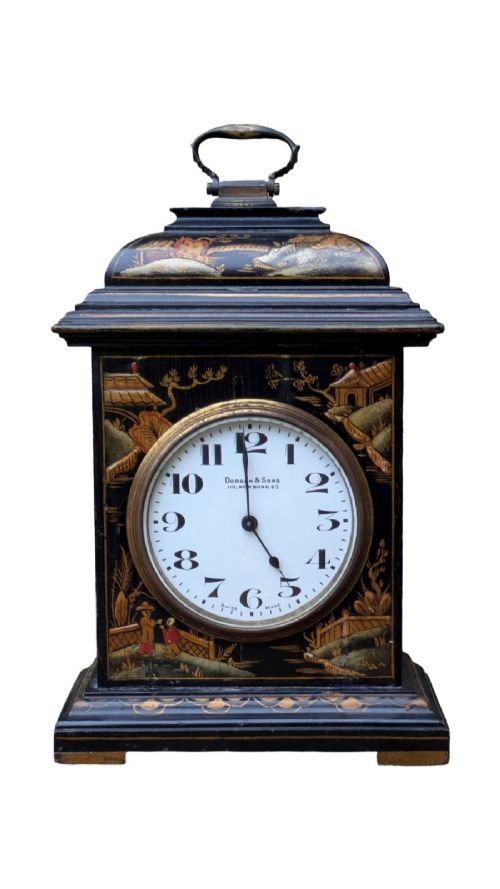
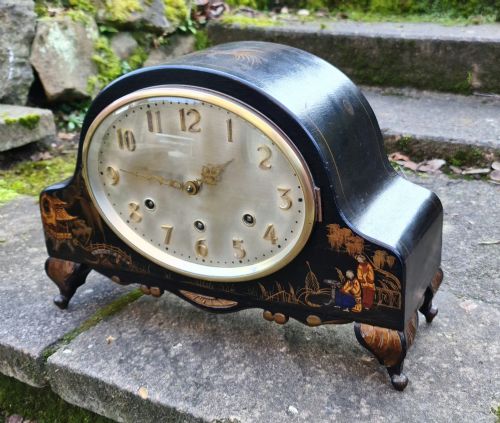
Hand-painted Chinoiserie scenes and original brass fittings demonstrate superior craftsmanship compared to later mass-produced decorative items.
Black and Gold Table Retail Price Guide 2026
Typical asking prices for black and gold table among the pieces listed under this phrase on Sellingantiques today, from the lower quarter to the upper quarter. They describe what is for sale here now, not the wider market.
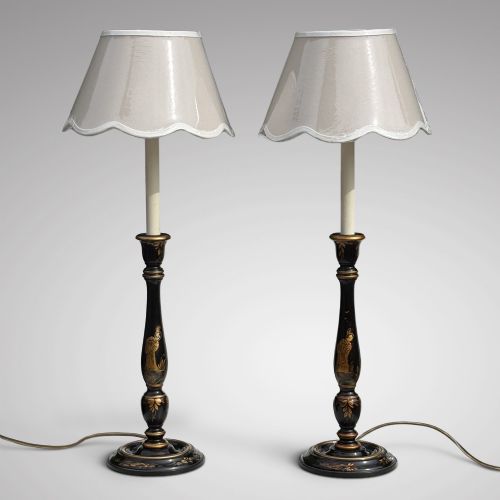
The listings feature pieces spanning the eighteenth to the twentieth centuries, utilising lacquer, ebonised wood, and brass.
The Black and Gold Table Glossary
- Lacquer
- A durable resin finish built up in multiple layers and polished to a smooth, deep black sheen. This technique protects the timber while providing a reflective base for gold decoration.
- Chinoiserie
- European artistic interpretations of Chinese and East Asian decorative styles. Artisans applied this style heavily to furniture and clocks during the eighteenth and nineteenth centuries.
- Ebonised
- Wood stained or painted to imitate ebony. Cabinet makers used this treatment extensively on nineteenth-century tables to create a dense dark background for gilding.
- Parcel Gilt
- Wood or metal partially coated with gold leaf or gold paint. This method highlights carved details, edges, and motifs against a contrasting black surface.
- Bundai
- A low Japanese writing table used for scholarly pursuits. These pieces often feature intricate black and gold lacquer work.
Black and Gold Table: Frequently Asked Questions
How do I clean a lacquer table?
Dust gently with a soft, dry microfibre cloth to protect the delicate surface.
Avoid chemical cleaners, moisture, and direct sunlight, which can damage the black finish and gold leaf over time.
Are these tables sturdy enough for daily use?
Occasional tables, coffee tables, and writing desks provide reliable surfaces for everyday household tasks.
Care should be taken with moisture and heat, using coasters to protect the antique lacquer from rings and marks.
How can I tell a Regency piece from a Victorian one?
Regency tables often display neoclassical proportions, brass inlay, and crisp penwork following classical architectural lines.
Victorian examples frequently incorporate heavier ebonised structures, ornate Chinoiserie motifs, and robust turned supports.
What is Japanese Meiji lacquer?
Meiji period lacquer originates from late nineteenth-century Japan, produced during an era of exceptional craftsmanship.
These pieces feature meticulous gold-dust techniques, known as maki-e, applied over deep black lacquer.