

Antique Demi Lune Console
An antique demi lune console is a half-moon table designed to sit flush against a wall, bringing architectural elegance to an entrance hall or reception room.
Antique Demi Lune Console
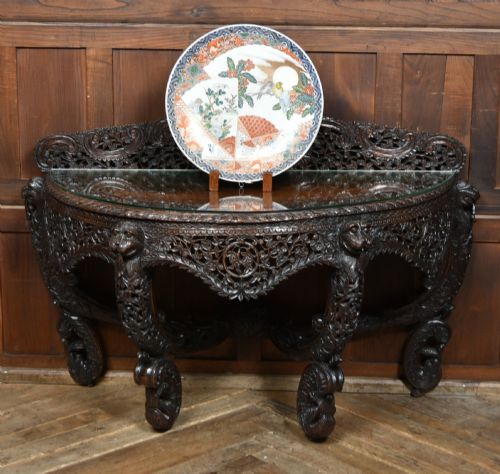
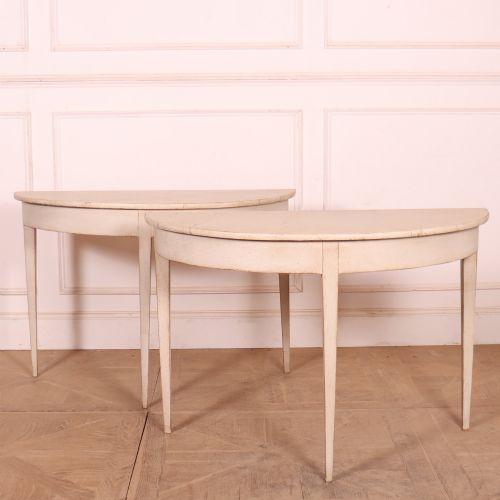
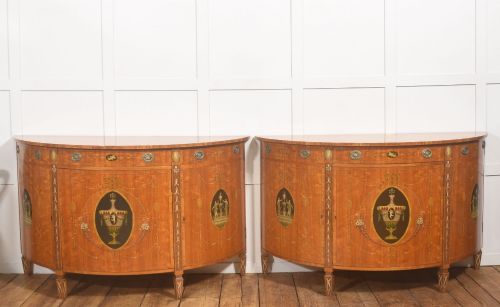
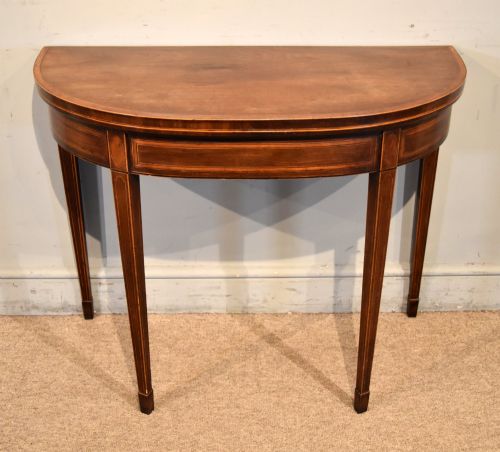
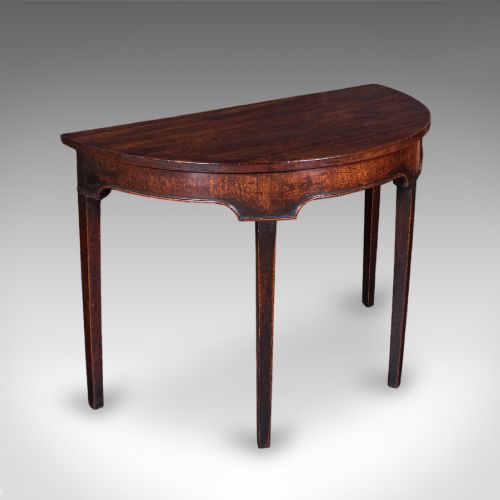
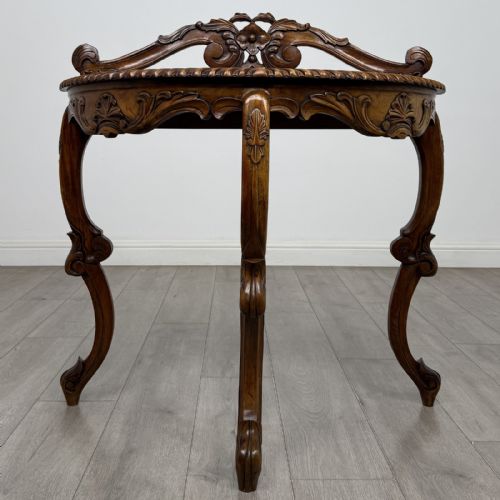
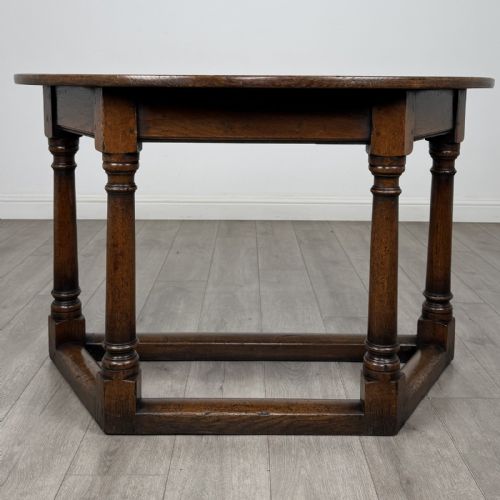
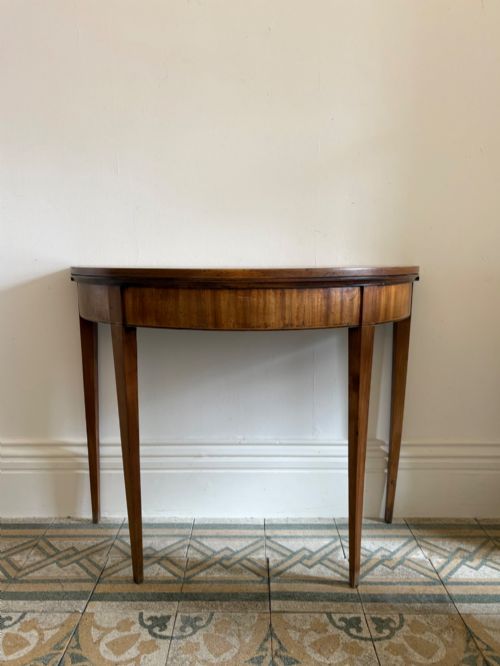
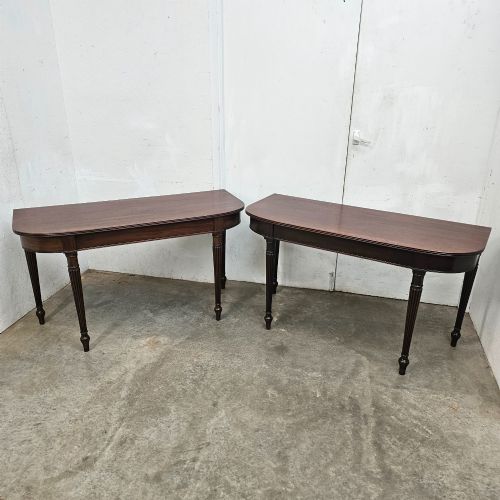
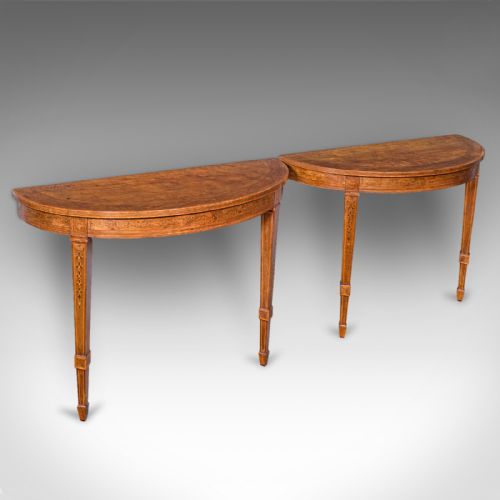
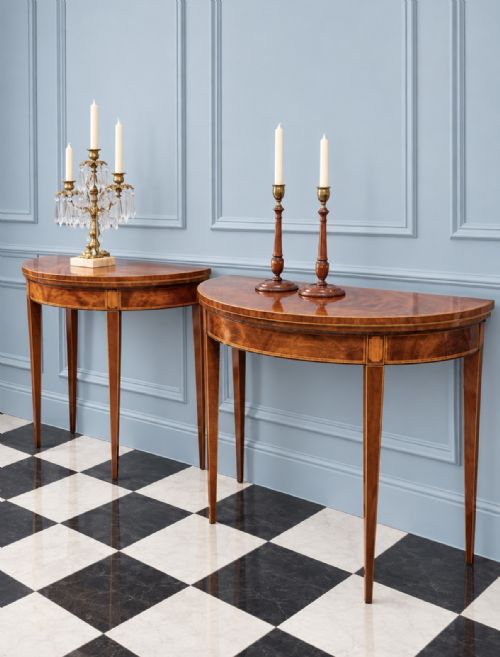
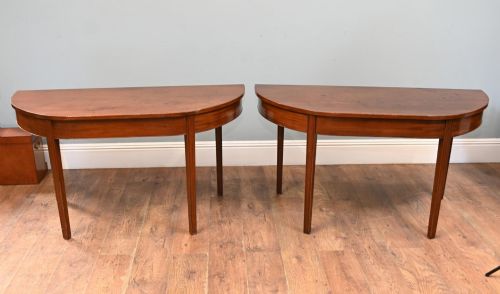
An antique demi lune console takes the form of a half-circle table, constructed specifically to occupy minimal floor space whilst providing a decorative surface. The pieces appearing in these listings span the eighteenth, nineteenth, and early twentieth centuries, encompassing English, French, Swedish, and Chinese origins.
How they were made
Cabinetmakers constructed these half-moon tables using solid and veneered timbers such as mahogany, walnut, elm, pine, and burr yew wood. Tops often feature intricate satinwood inlay or marquetry work, whilst structural framing relies on sturdy native hardwoods.
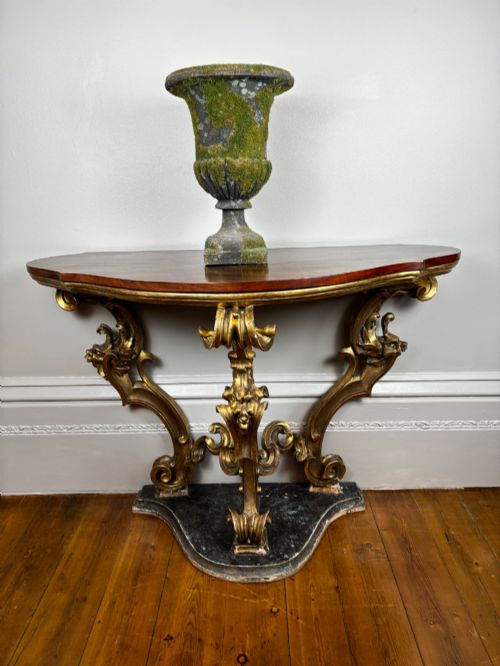
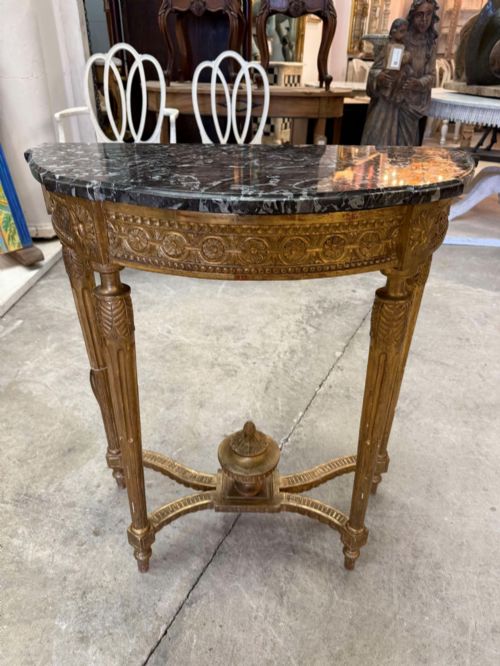
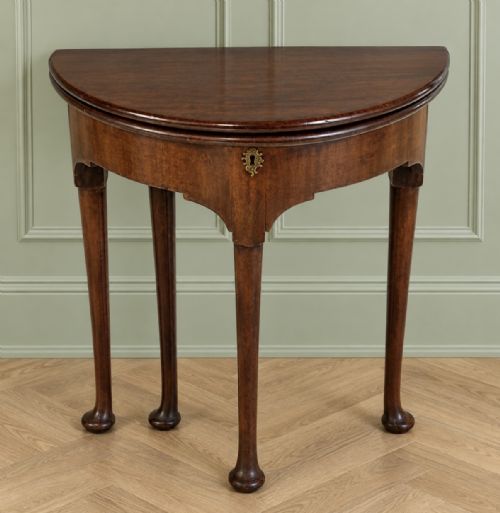
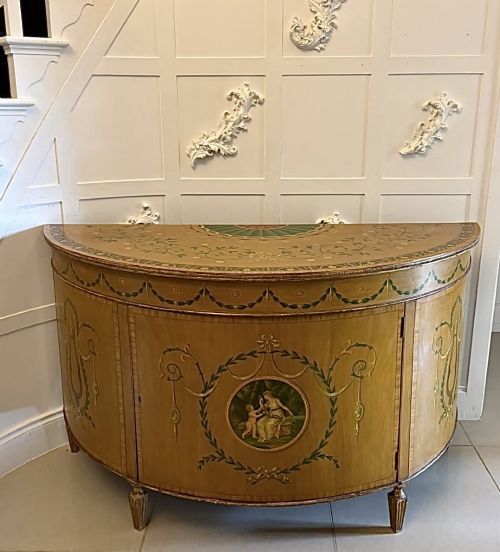
Decorative surfaces employ traditional finishes including hand-applied gold leaf, giltwood, and painted treatments. Many examples incorporate folding mechanisms to function as card or tea tables alongside their primary role as console tables.
Antique Demi Lune Console Retail Price Guide 2026
Typical asking prices for demi lune console among the pieces listed under this phrase on Sellingantiques today, from the lower quarter to the upper quarter. They describe what is for sale here now, not the wider market.
Some demi lune tables hide folding card surfaces, proving that Georgian ancestors took their after-dinner gaming very seriously indeed.
What varies in quality
The grade of timber selection dictates the visual impact, with figured mahogany and burr yew wood displaying richer grain patterns and deeper chatoyancy. Superior examples exhibit precise marquetry and satinwood stringing that demands exceptional cabinetmaking skill.
Surface ornamentation ranges from simple painted wood to elaborate parcel gilding and carved giltwood details. Maker attribution, such as work by Edwards and Roberts, elevates the standing of specific pieces through documented craftsmanship.
Edwards and Roberts
The Antique Demi Lune Console Glossary
- Demi-lune
- A half-moon shape used to describe tables with a flat back edge for placement against a wall.
- Parcel gilt
- A decorative technique where specific carved details or mouldings are partially covered with gold leaf.
- Marquetry
- The art of applying pieces of veneer to a structure to form decorative patterns and pictures.
- Giltwood
- Wood that has been carved and subsequently coated with gold leaf or gold paint.
- Marlborough leg
- A heavy, straight, square leg characteristic of mid-eighteenth-century English furniture.
Antique Demi Lune Console: Frequently Asked Questions
Where should I place a demi lune table?
These half-moon tables suit narrow entrance halls, corridors, and reception rooms where floor space is limited. Their flat back allows them to sit securely against a wall beneath a mirror or painting.
They also function effectively in living spaces as side tables or occasional surfaces for lamps and decorative objects.
What is the difference between a console and a card table?
A standard console table remains fixed as a decorative wall piece with a single display surface. Many period demi lune designs incorporate a fold-over top mechanism that opens to reveal a baize-lined surface for card games.
Fold-over versions served dual purposes in Georgian and Victorian drawing rooms, transitioning from a hall console to a gaming table when required.
How do I identify a Georgian demi lune table?
Georgian examples frequently showcase figured mahogany timbers, delicate satinwood inlay, and straight tapered or Marlborough legs. Construction methods from this era rely on traditional joinery without modern metal fasteners.
Proportions tend to be classical and restrained, reflecting the neoclassical design influences popular during the eighteenth century.
Are painted console tables authentic antiques?
Painted finishes have a long history, appearing on Regency black painted and parcel gilt pieces as well as nineteenth-century Gustavian and French furniture. Original painted surfaces exhibit natural wear and craquelure consistent with age.
Such finishes were employed to brighten rooms and complement specific interior decoration schemes of the period.