


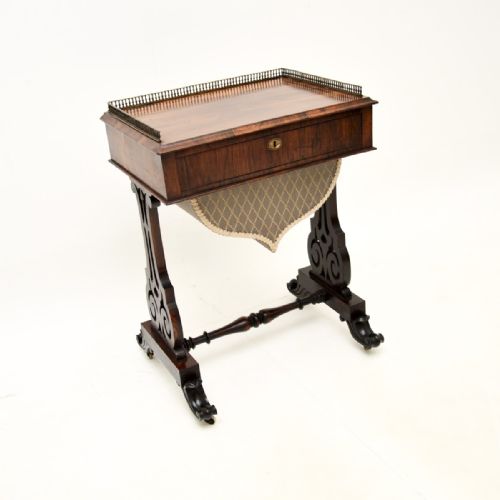

Scroll Leg Side Table
A scroll leg side table delivers architectural weight and elegant curves, anchoring a room with dense mahogany, walnut, or marble.
Scroll Leg Side Table
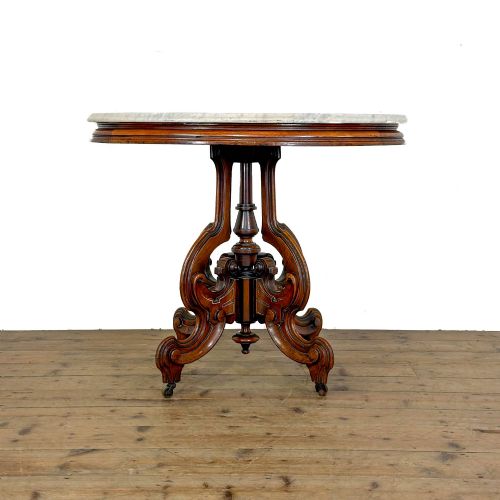
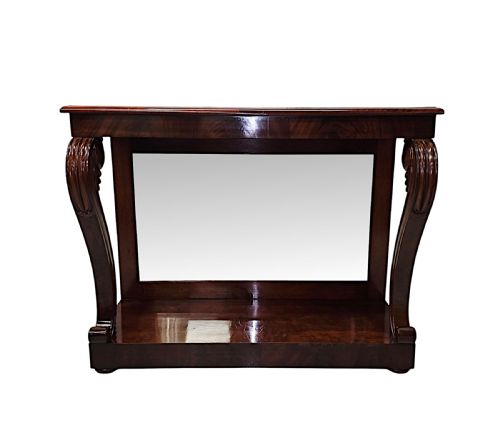
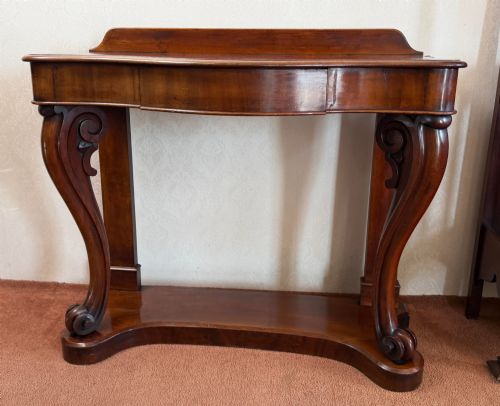
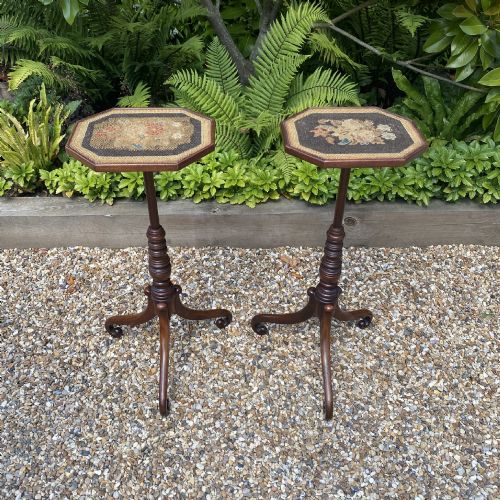
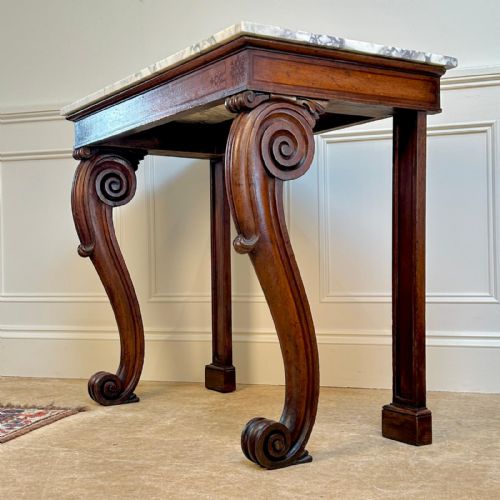
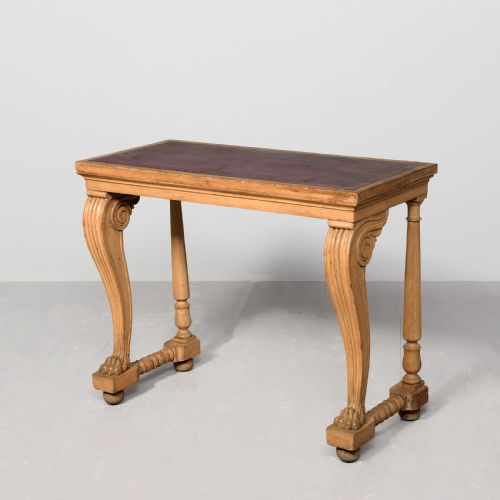
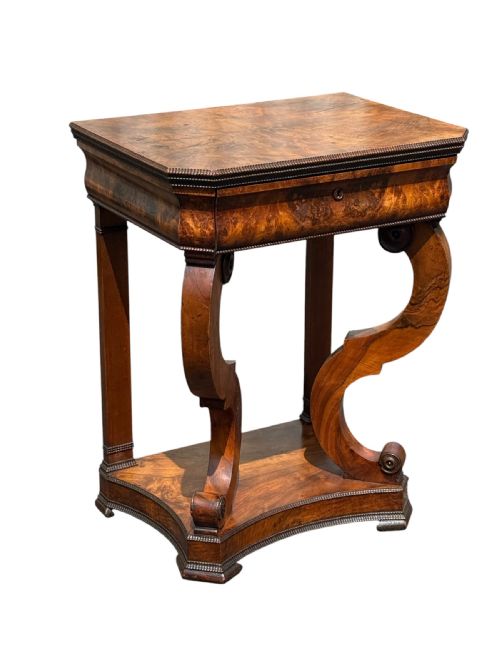
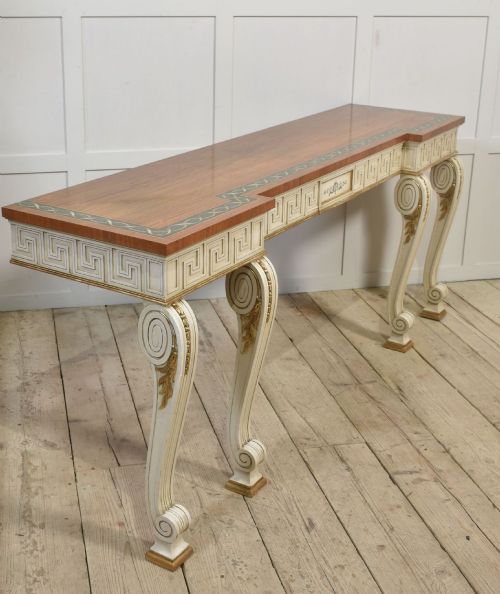
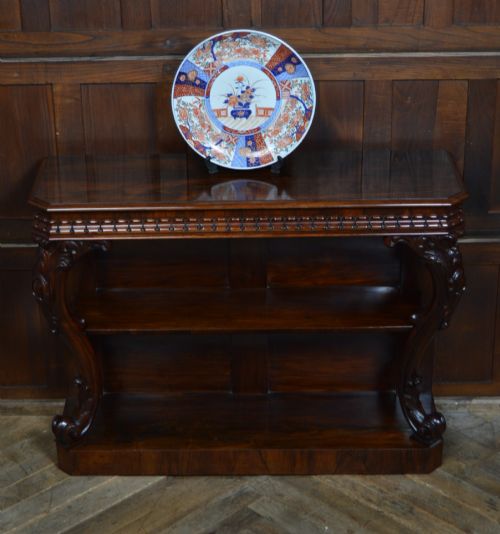
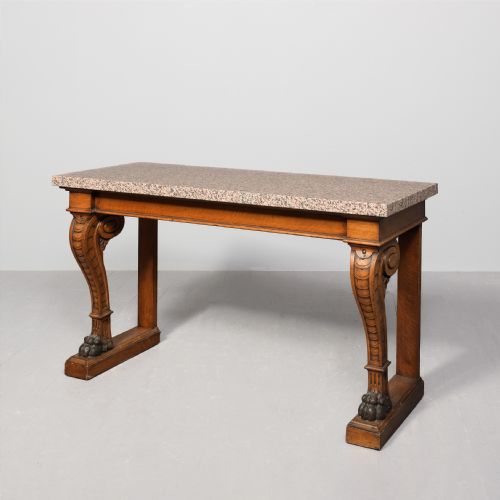
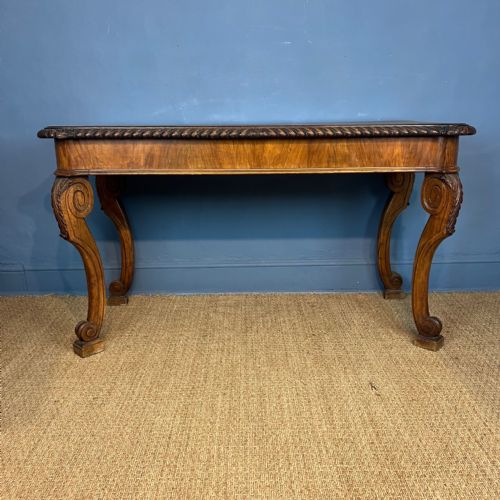
A scroll leg side table represents a diverse group of compact support furniture designed for display or utility against a wall or within a room centre. These items emerge from periods spanning the Georgian era, Regency, and the Victorian epoch into the early twentieth century.
The version most commonly met on this page is the mahogany or walnut side or console table, frequently displaying the curved supports characteristic of Victorian, William IV, and Regency cabinet work. Variations encompass occasional, wine, writing, and lamp tables constructed in oak, rosewood, and pine.
Origins stretch across English workshops, Irish design houses, French Louis Philippe production, and Anglo-Indian output, alongside specific regional makers. Formats shift from serpentine shapes and hexagonal tops to marble, granite, or leather surfaces.
Materials and Construction
Construction relies heavily on dense timbers including mahogany, walnut, rosewood, oak, and padouk, frequently selected for figured grains or flame patterns. Supporting structures often integrate carved wooden scrolls, while secondary elements incorporate brass, iron, glass, and gilt decoration.
Surfaces feature stone additions such as marble and granite tops, or leather inserts on writing formats. Joinery techniques combine traditional cabinet making with decorative carving, turning, and occasional painted or gilded finishes.
Scroll Leg Side Table Retail Price Guide 2026
Typical asking prices for scroll leg side table among the pieces listed under this phrase on Sellingantiques today, from the lower quarter to the upper quarter. They describe what is for sale here now, not the wider market.
Listings feature mahogany, walnut, rosewood, and oak alongside marble and granite tops across the Victorian, Regency, and Georgian periods.
Grading Quality
Quality separates ordinary utility pieces from superior examples through the selection of timber, such as highly figured walnut or flame mahogany, and the crispness of carved scrollwork. Better pieces demonstrate precise joinery and balanced proportions, whether in a large console or a small occasional table.
The integration of substantial stone tops, like marble and granite, or specialised elements such as brass mounts and leather inserts, elevates an item's status. Attribution to documented makers or specific regional schools further distinguishes finer output from standard workshop production.
Gillingtons of Dublin·James Mein of Kelso·Robert Strahan·Alexander McKenzie of Glasgow·Whytock and Reid
The Scroll Leg Side Table Glossary
- Console table
- A table designed to stand against a wall, frequently secured to it with brackets. These pieces often feature ornamental front legs leaving the rear supported by the wall.
- Gueridon
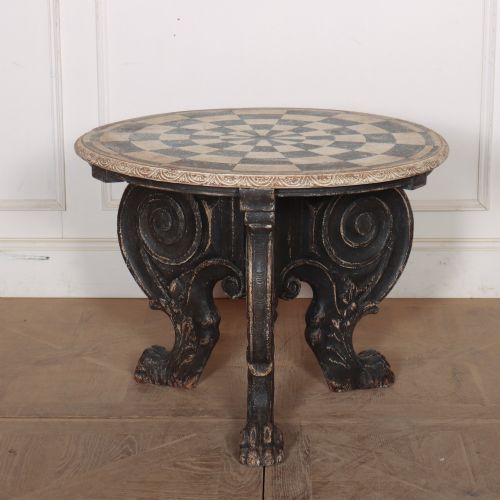
- A small circular table on a central pillar or multiple supports, originating in seventeenth-century France. Later iterations serve as occasional or lamp tables.
- Serpentine shape
- A furniture contour featuring a double-curved line that is convex in the centre and concave at the ends. This profile appears frequently on Victorian and Georgian table fronts.
- Flame mahogany
- A veneer cut from the fork of a mahogany tree where the branches join the trunk. It creates a distinctive, swirling flame-like grain pattern highly prized in cabinet work.
Scroll Leg Side Table: Frequently Asked Questions
Where should I place a side table?
These tables fit well against hallway walls, in living room corners, or behind sofas where surface space is required.
Their compact footprints allow them to serve utility or display functions without crowding a room.
How do I clean wooden surfaces?
Maintenance requires a soft, dry cloth to remove dust and occasional application of appropriate furniture wax to nourish the grain.
Harsh chemical cleaners and excessive moisture should be avoided to protect antique polishes and delicate timber.
Can I use these tables for writing?
Certain designated formats include writing tables fitted with specialised tops, drawers, or folio stands for desk tasks.
Standard side or occasional tables offer flat surfaces better suited to lamps, decorative objects, or serving drinks.
How do I identify the period?
Dating relies on observing structural characteristics, timber choices, and stylistic markers associated with Georgian, Regency, or Victorian eras.
Examining construction methods underneath reveals secondary woods and joinery details typical of specific decades.