
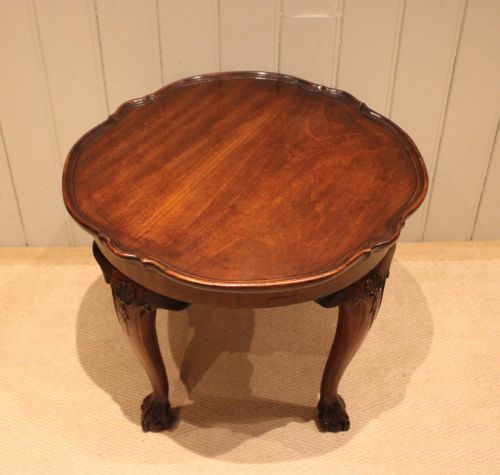
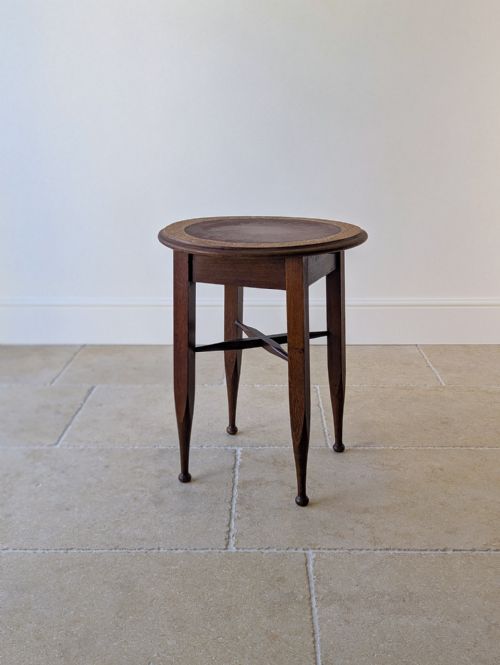

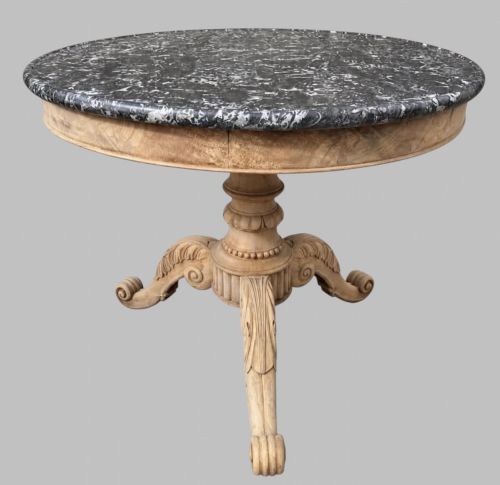
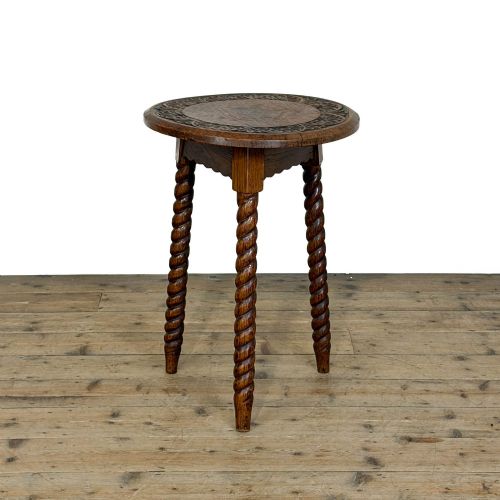
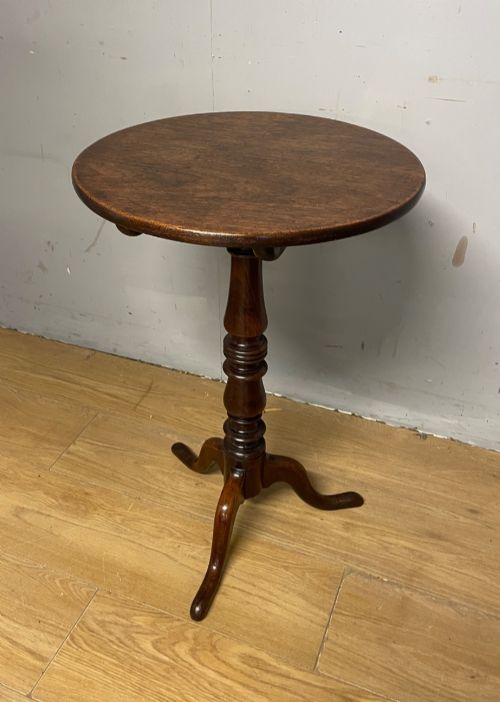
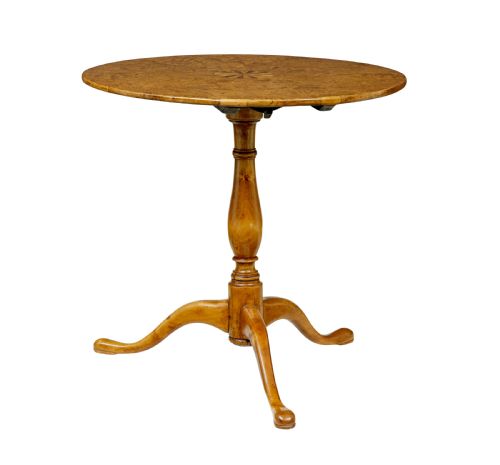
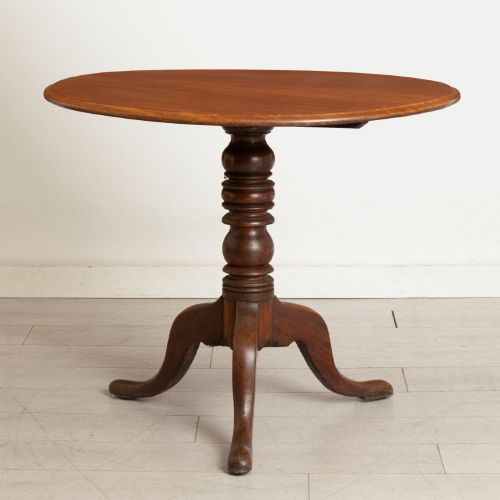
Antique Round Wine Table
An antique round wine table brings compact elegance to a room, offering a sturdy pedestal base and a convenient circular surface for holding small items.
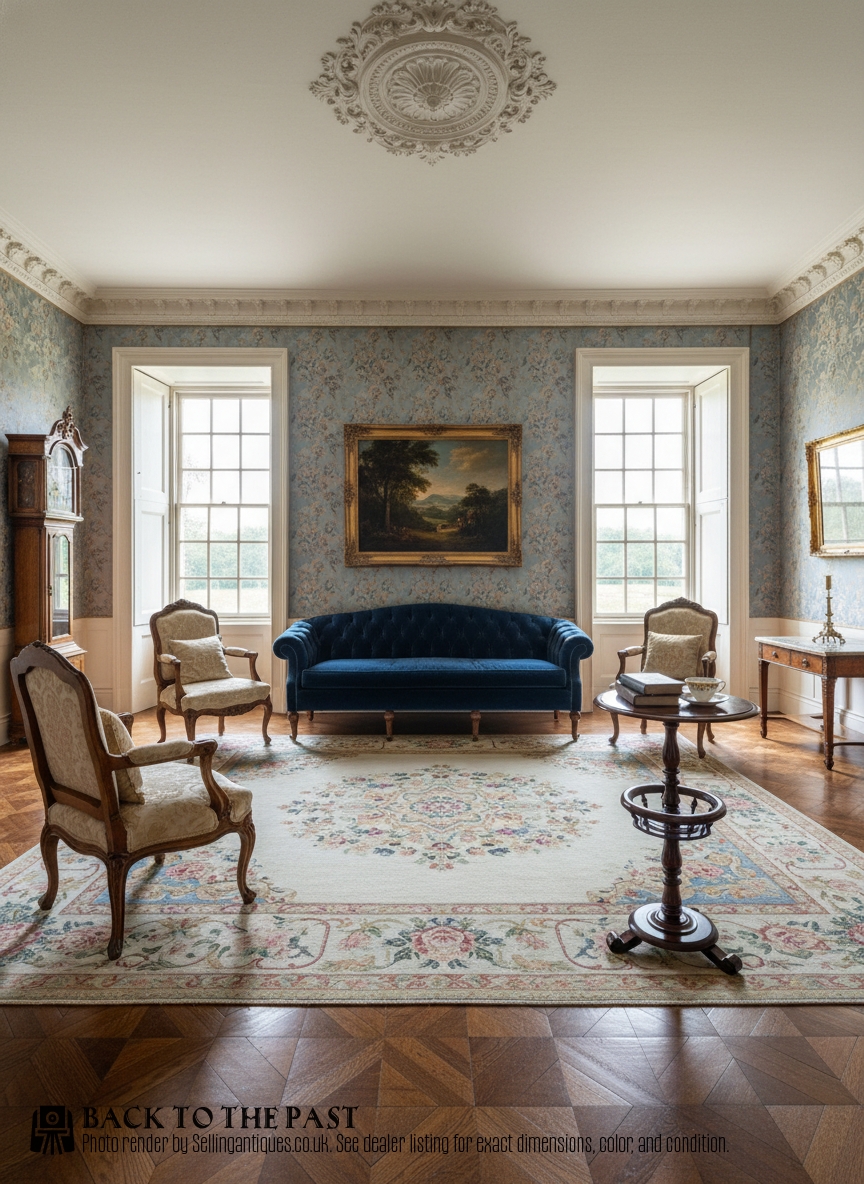
Understanding the Antique Round Wine Table
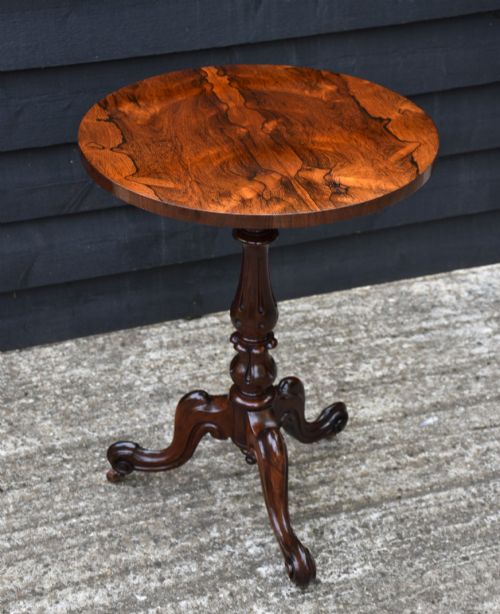
The search for an antique round wine table leads you to versatile small-scale furniture designed for domestic use across several centuries. These pieces function equally well as occasional tables, lamp stands, or bedside supports depending on their height and top design.
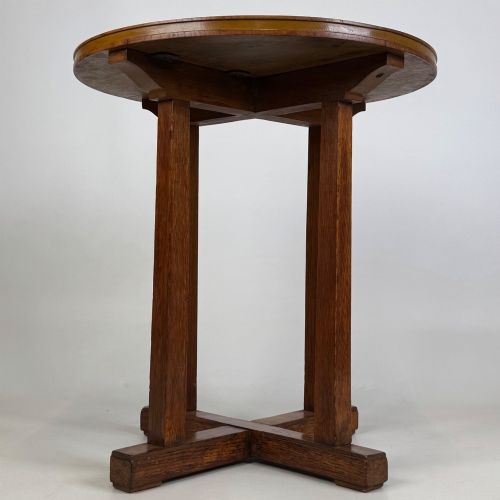
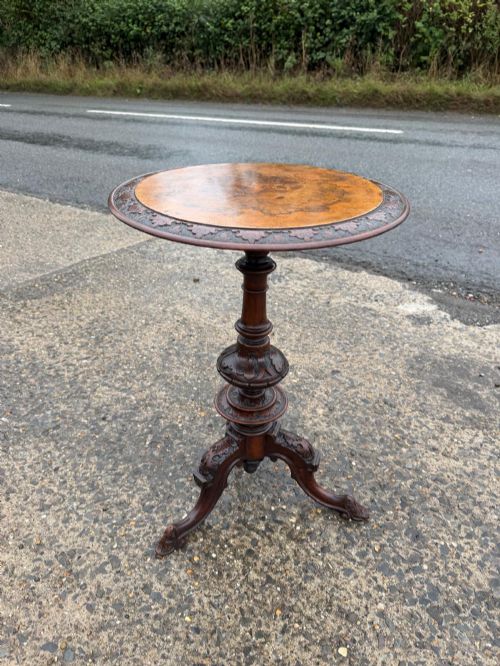
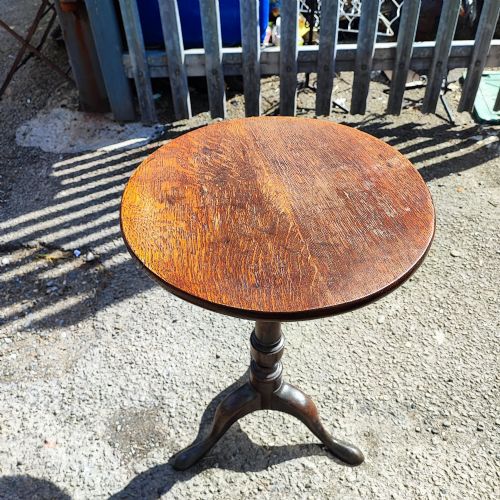
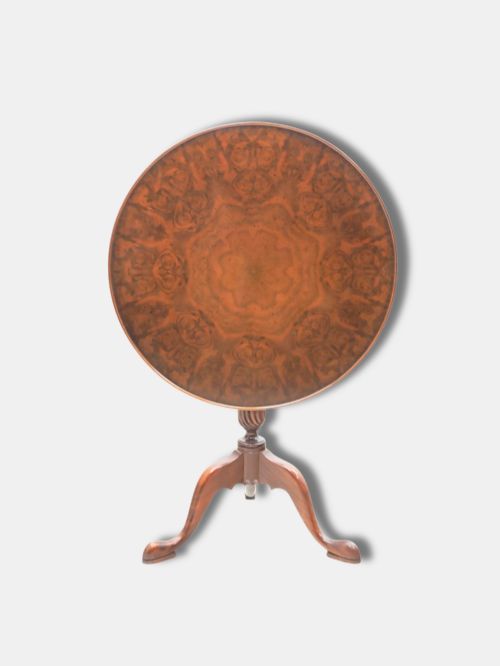
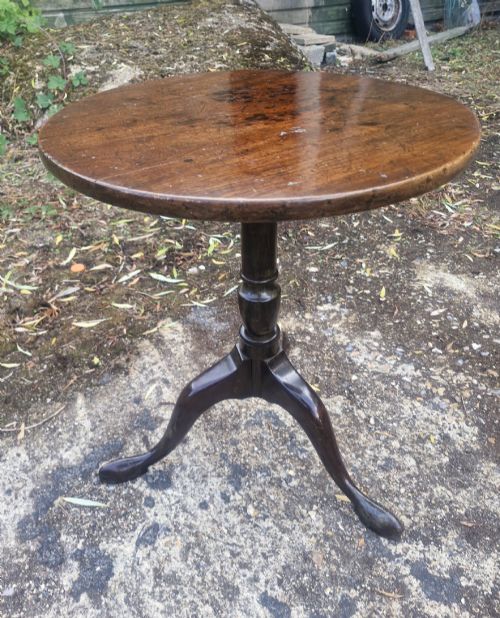
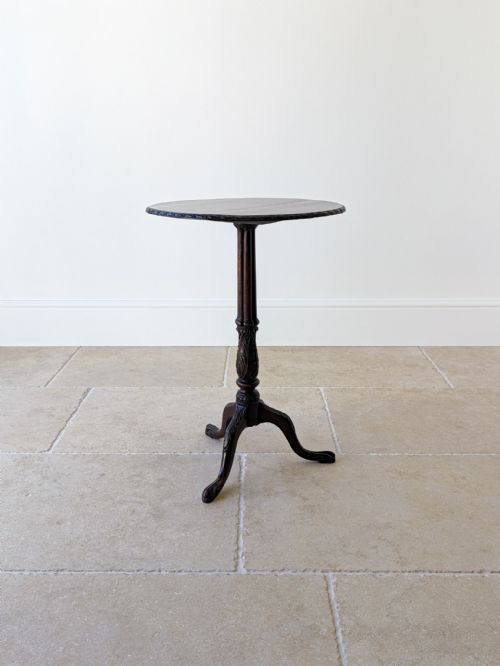
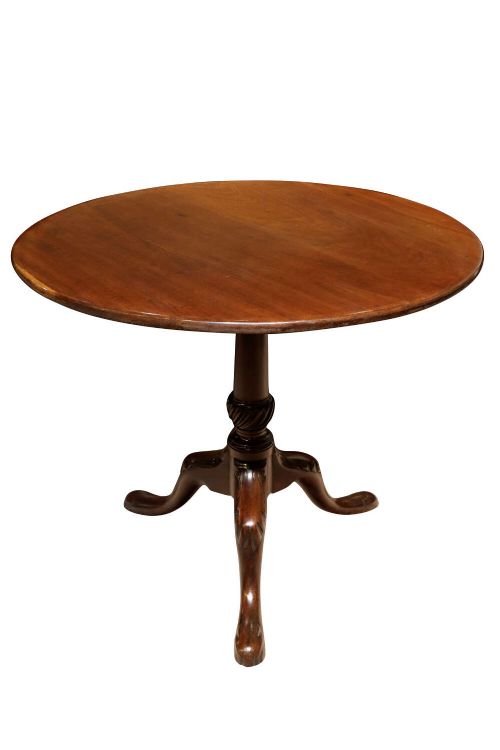
Many of these tables feature circular tops supported by a central pillar and three legs, sometimes incorporating practical mechanisms such as tilt-top actions or birdcage mountings. Their compact proportions make them straightforward to place in modern living spaces.
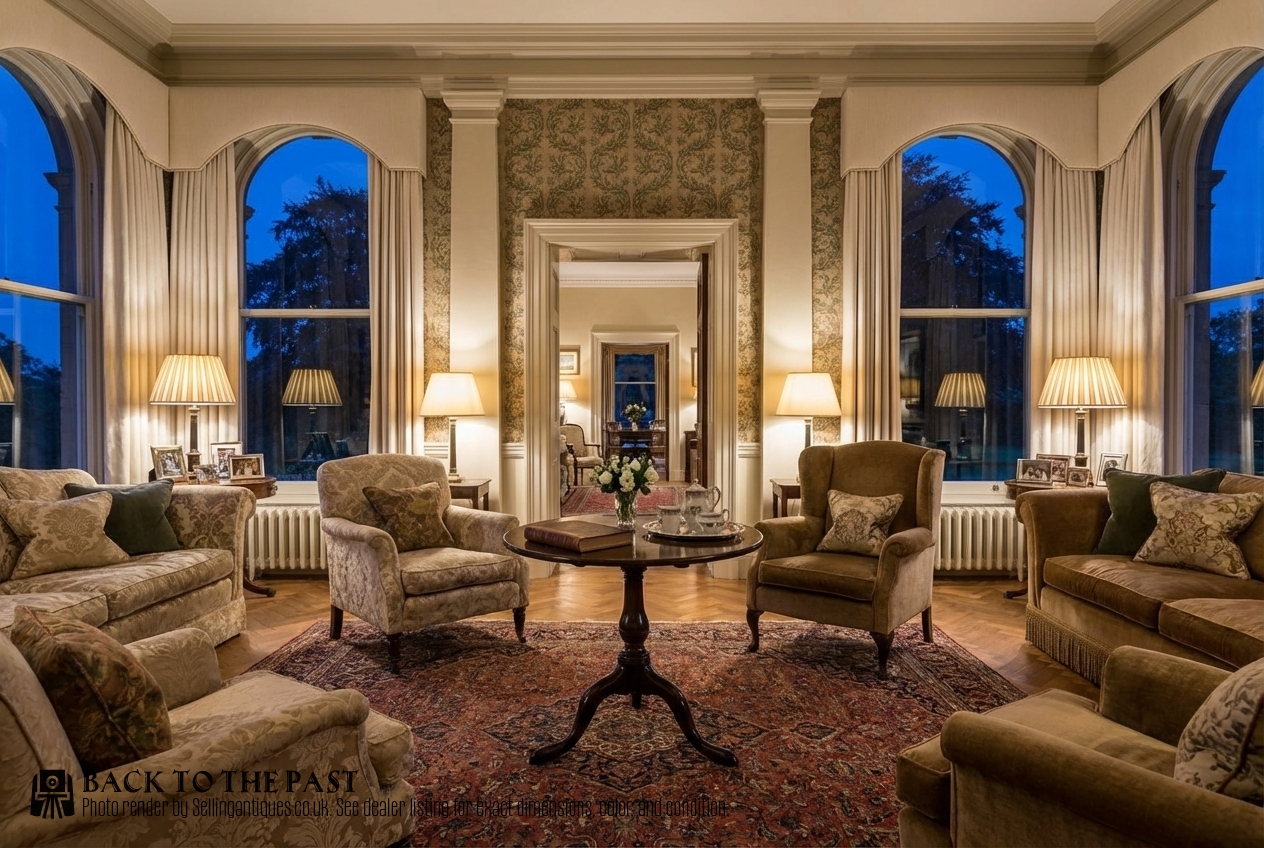
Materials and Construction
Cabinetmakers utilised solid and veneered timbers including mahogany, walnut, rosewood, fruitwood, and oak for the tops and pedestal columns. Decorative elements such as boxwood inlay or marble inserts appear on specific regional and period variations.
Construction techniques typically involved turning the central pillar on a lathe and joining three supporting legs to form a stable tripod base. Tops were frequently mounted to allow rotation or tilting via wooden blocks and metal catches.
Retail Price Guide 2026
Typical UK retail prices for round wine table, calculated from the Sellingantiques database of over a million retail prices indexed since 2003. This retail price guide relies exclusively on Sellingantiques data; no external sources or auction records are used, so the figures do not describe the wider market.
Listings feature woods including mahogany, walnut, rosewood, fruitwood, oak, and boxwood, alongside marble-topped variants from the eighteenth and nineteenth centuries.
Determinants of Quality
Quality in these tables rests upon the selection of timber, particularly the grain figuration visible in flame mahogany or burr walnut surfaces. Finer examples display precise inlay work and carefully carved tripod bases rather than plain turned components.
The structural integrity of the tilt-top or birdcage mechanism demonstrates the precision of the original joinery. Solid brass fittings and well-fitted pivot joints distinguish superior workshop production from simpler utilitarian pieces.
The Antique Round Wine Table Glossary
- Tripod table
- A small freestanding table supported by a central pillar resting on three legs. This construction prevents wobbling on uneven floorboards.
- Tilt-top
- A tabletop hinged to the pedestal so it can be folded flat against the pillar when not in use. This allowed the table to be stored against a wall to save floor space.
- Birdcage
- A revolving wooden framework beneath the tabletop that permits the surface to spin and tilt. It is typically found on finer Georgian pedestal tables.
- Gueridon
- A small ornamental stand or table, often with a circular marble top and French Empire styling. The form originates from seventeenth-century France.
- Inlay
- A decorative technique where contrasting materials like boxwood are set into the wood surface to create patterns. It adds visual detail to the timber top.
Frequently Asked Questions
How were antique round wine tables used?
These pieces served primarily to hold drinking vessels, candles, or small personal items in reception rooms. Their portability allowed servants to move them easily around a house for evening gatherings.
Today, they function as convenient side tables next to armchairs or sofas, holding lamps, books, or decorative objects without occupying much floor space.
How do I identify a Georgian wine table?
Georgian examples, dating through the eighteenth century and early nineteenth century, typically feature simple timber construction in mahogany or oak. They often rely on classic tripod legs terminating in pad or spade feet.
Detailing on these pieces tends to be understated compared to later Victorian iterations, focusing on proportion and timber grain rather than heavy carving or applied ornamentation.
What is a tilt-top mechanism?
A tilt-top mechanism uses a hinged block beneath the circular surface connected to the central pillar. This allows the table top to pivot vertically into a locked flat position.
Historically, this feature enabled the table to be tucked away against the perimeter of a room when entertaining required open floor space.
Are marble top tables difficult to maintain?
Marble top gueridons provide a durable and heat-resistant surface that requires minimal special care beyond regular dusting. The stone insert sits securely within the wooden rim of the table.
Avoid using acidic cleaners on the marble surface to preserve the polish, and use coasters to prevent moisture rings on any surrounding wooden framing.