

Antique Pedestal Occasional Table
An antique pedestal occasional table brings flexible surface space and fine timber grain into a room.
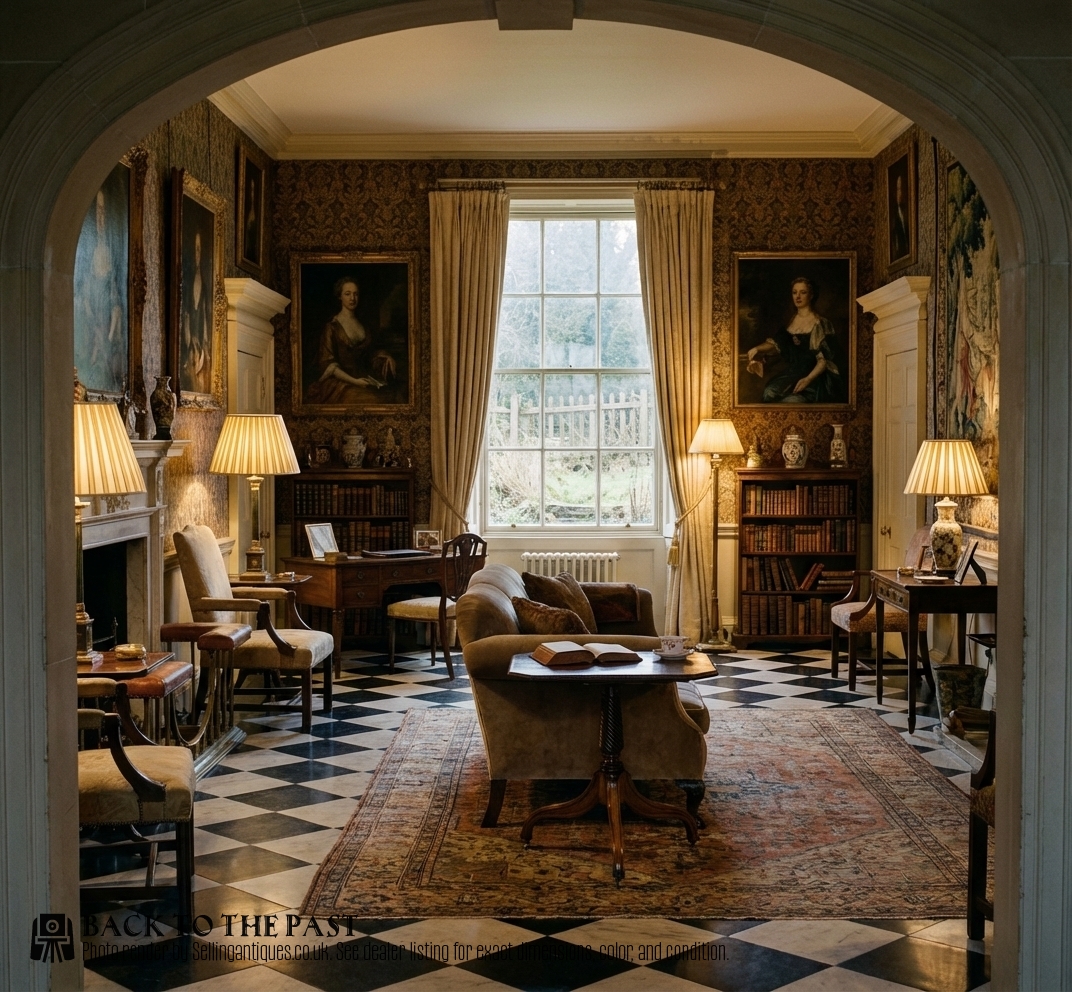
Antique Pedestal Occasional Table
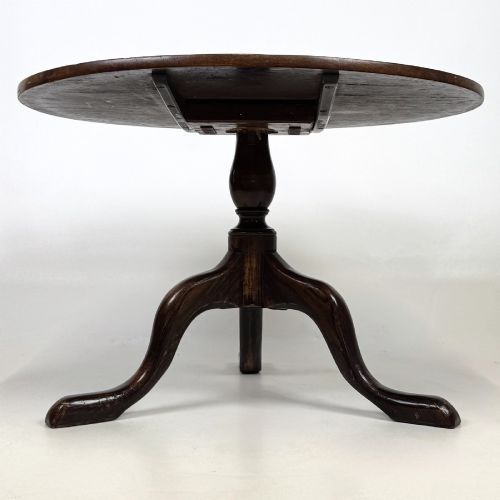
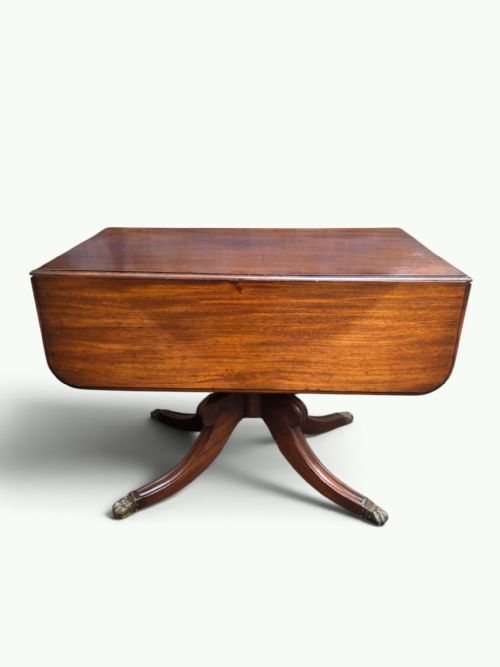
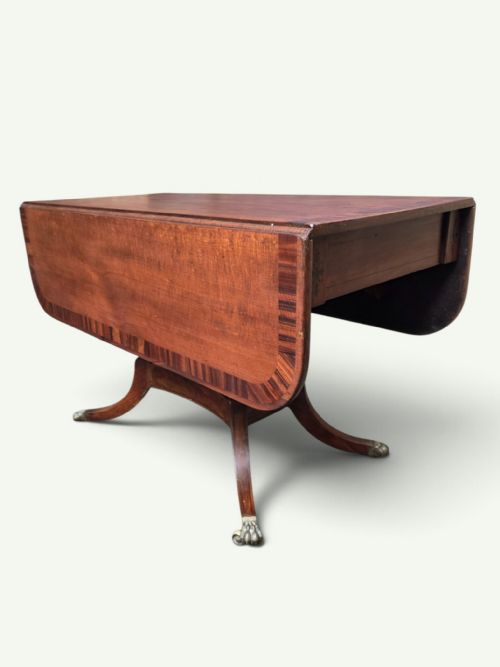
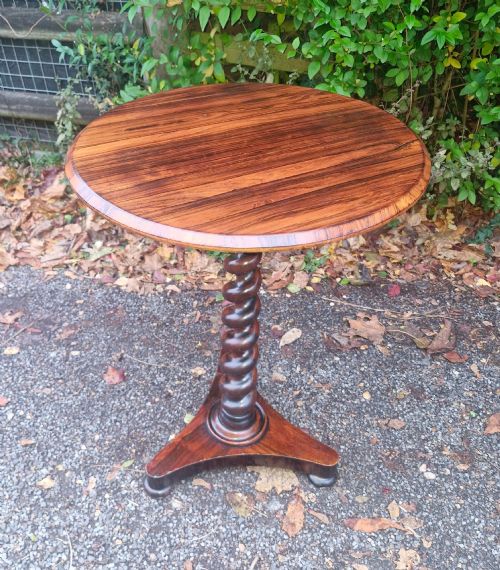
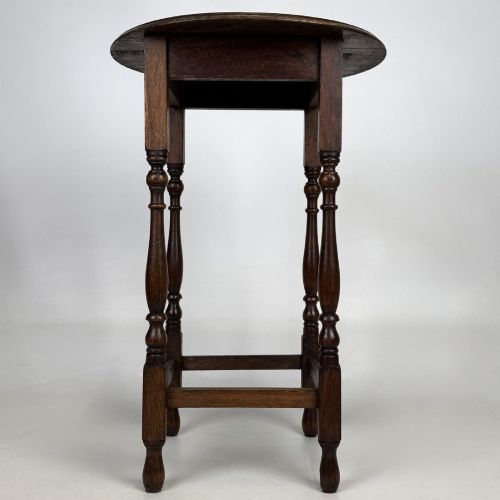
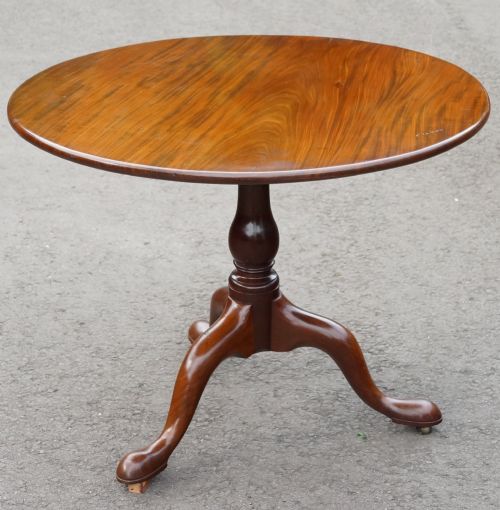
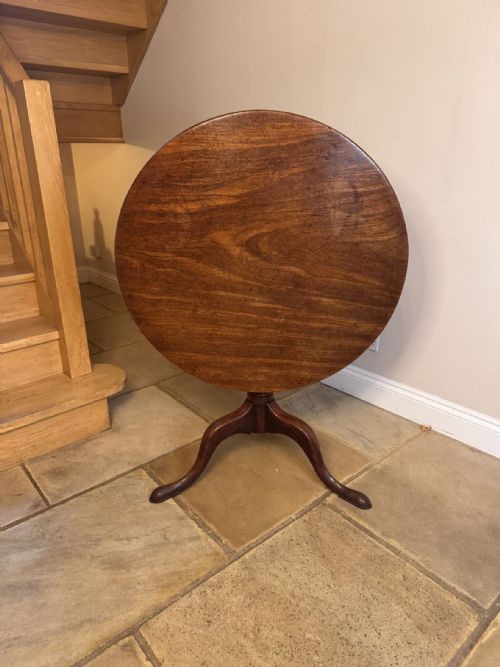
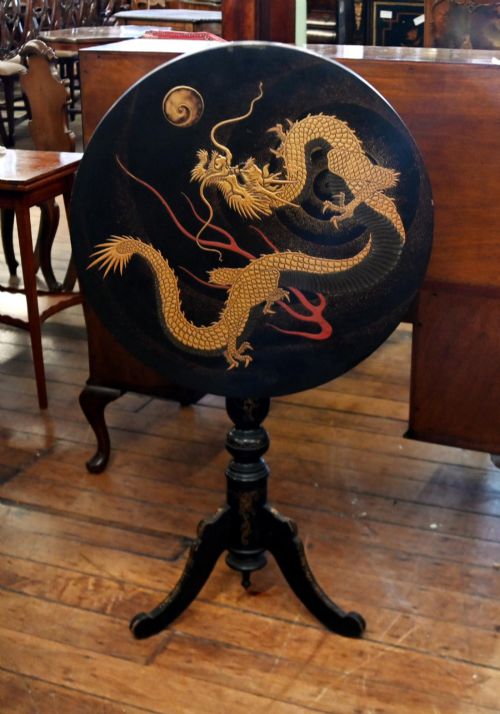
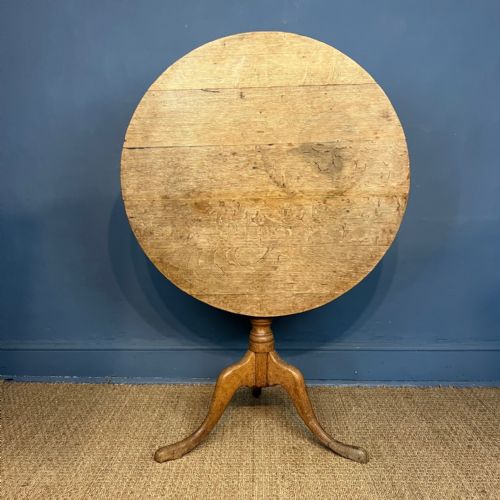
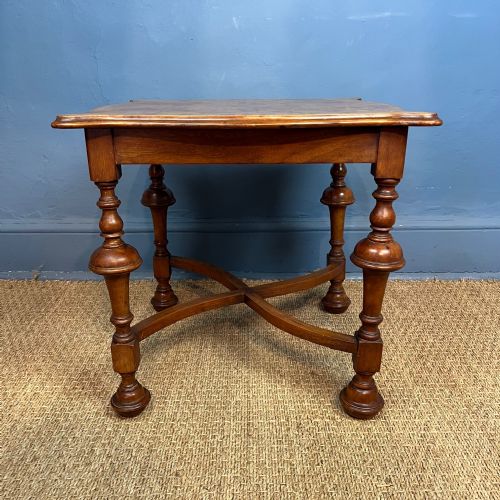
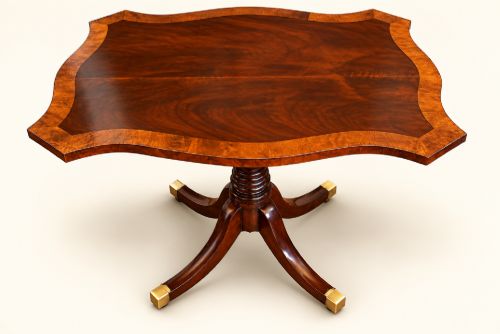
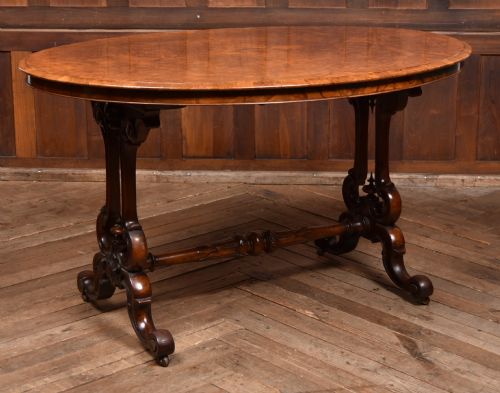
An antique pedestal occasional table sits on a central pillar supported by a tripod or platform base rather than four corner legs. These movable pieces appear in formats such as wine tables, lamp tables, and tilt-top designs designed to be relocated as needed. The examples found here span the eighteenth, nineteenth, and early twentieth centuries, encompassing Georgian, Victorian, Edwardian, and Regency periods.
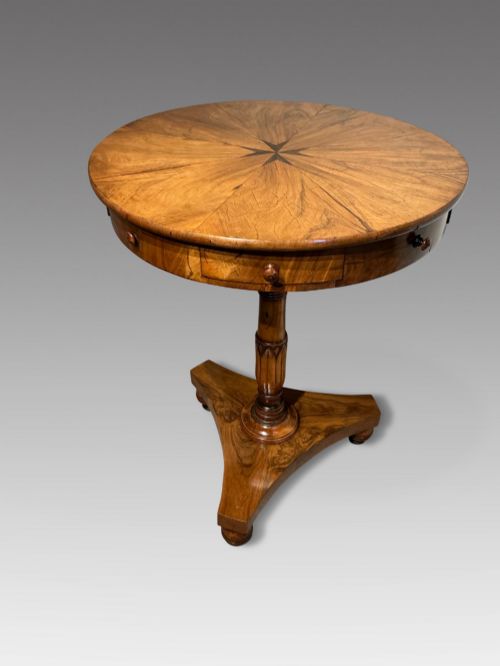
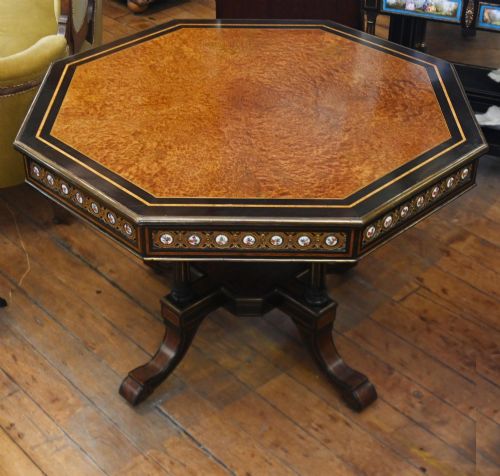
Mahogany and walnut dominate the selection, alongside rosewood, oak, elm, satinwood, burr birch, and occasional marble insertions. Surfaces range from plain timber boards to inlaid marquetry tops, leather inserts, and circular or oval tilt tops. Forms extend from compact tripod candle stands to larger drum tables and sewing tables fitted with internal compartments.
Materials and construction methods
Cabinetmakers constructed these tables using solid native and imported timbers, frequently applying veneers of burr walnut, rosewood, or satinwood over secondary woods to achieve decorative grain patterns. Central pillars commonly join tripod legs via traditional dovetail or tenon joints, ensuring stability for the weighted column above. Tilt-top mechanisms rely on clever wooden catches and brass locking pins to allow the surface to pivot flat when not in use.
Finishes were traditionally built up using shellac-based French polish, which highlights the natural figure of the wood without masking the grain. Marquetry inlays incorporate contrasting light and dark timbers set flush into the primary surface, while brass accents and gilded mounts appear on select Regency and Victorian pieces.
Antique Pedestal Occasional Table Retail Price Guide 2026
Typical asking prices for pedestal occasional table among the pieces listed under this phrase on Sellingantiques today, from the lower quarter to the upper quarter. They describe what is for sale here now, not the wider market.
Several tables include hidden compartments or glass backs designed for needlework, candles, or late-night reading.
Factors of craftsmanship and distinction
The choice of timber sets the baseline for quality, with carefully selected burr walnut, figured mahogany, and exotic rosewood commanding greater attention than plain domestic woods. The execution of the pedestal base determines structural integrity, where finely carved tripod legs with naturalistic acanthus leaves or pad feet demonstrate superior hand labour compared to plain turned posts.
The Antique Pedestal Occasional Table Glossary
- Tilt-top table
- A table with a hinged top that rotates to a vertical position when not in use, allowing the piece to stand flat against a wall. This space-saving design became popular during the Georgian period.
- Tripod base
- A support structure comprising three legs radiating from a central pillar. It provides steady contact on uneven floors.
- Wine table
- A small, low occasional table designed originally to hold glasses and decanters near seating. They usually feature circular tops supported by a single central column.
- Burr walnut
- Timber taken from the gnarled growth of a walnut tree, producing swirling, highly decorative patterns. Cabinetmakers sliced this wood into thin veneers for tabletops.
- Marquetry
- The art of applying pieces of veneer to a structure to form decorative patterns and pictures. Craftsmen cut contrasting woods together to ensure a precise fit.
Antique Pedestal Occasional Table: Frequently Asked Questions
How do I use a tilt-top table?
The tabletop releases via a wooden or brass catch beneath the surface, allowing the board to pivot vertically. This mechanism let owners store the table flat against a wall to clear floor space.
In daily use, the top locks down horizontally to serve as a stable surface for lamps, books, or drinks.
How do I date an antique pedestal table?
Dating relies on combining the timber species, construction methods, and stylistic cues present in the base and top. Georgian examples often show simpler geometric turning and heavy oak or mahogany, while Victorian pieces introduce elaborate carving and exotic veneers.
Hardware types, such as handmade screws or brass fittings, provide further clues to the period of manufacture.
Can I use an antique occasional table every day?
These tables adapt well to daily domestic use as bedside stands, lamp supports, or side tables. Solid timber construction and sturdy tripod bases provide reliable everyday support.
Protecting the surface from heat and moisture helps preserve the historic polish and timber finish.