

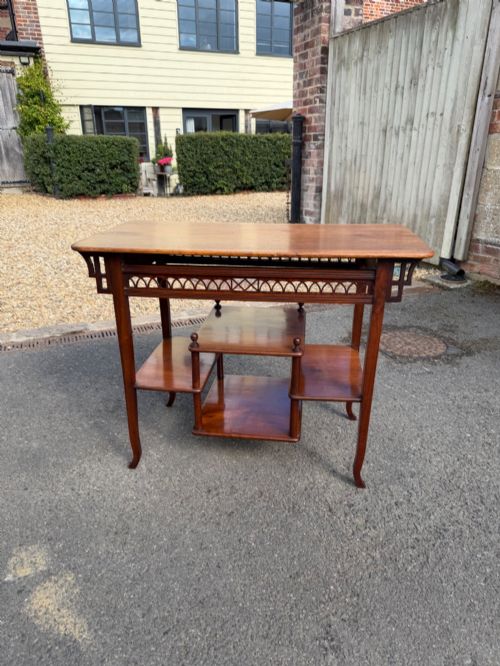
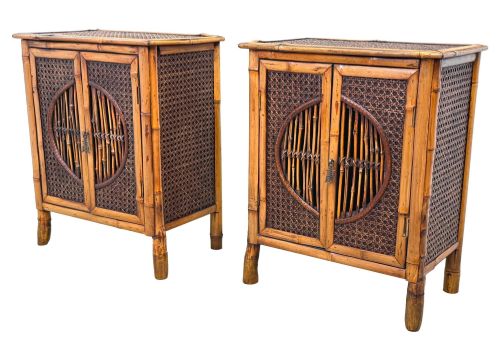
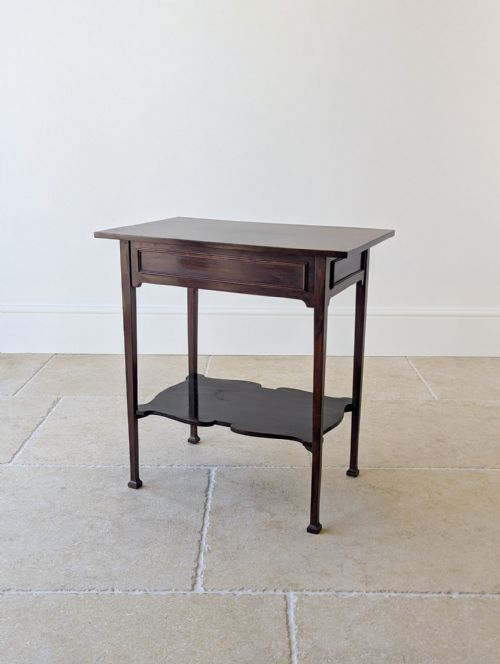
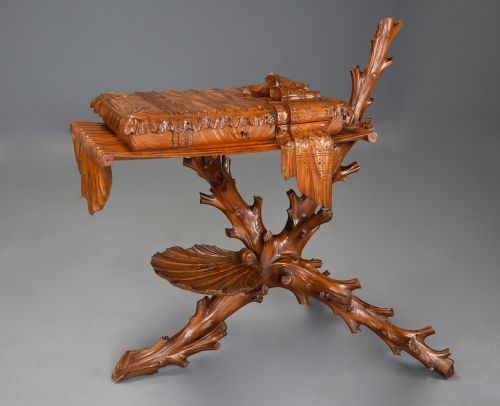

Late Victorian Accent Table
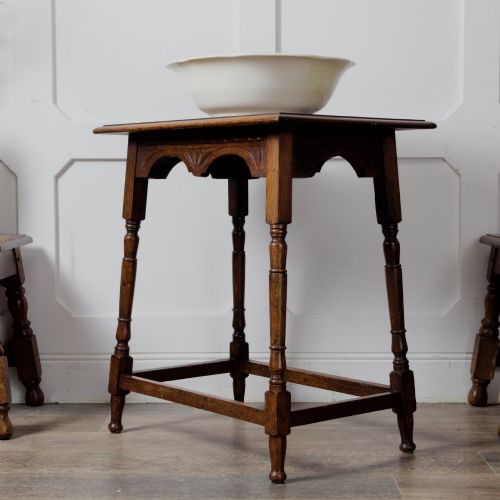
A late victorian accent table brings functional surface space and distinct period character to a room through diverse global influences and native woods.
Late Victorian Accent Table
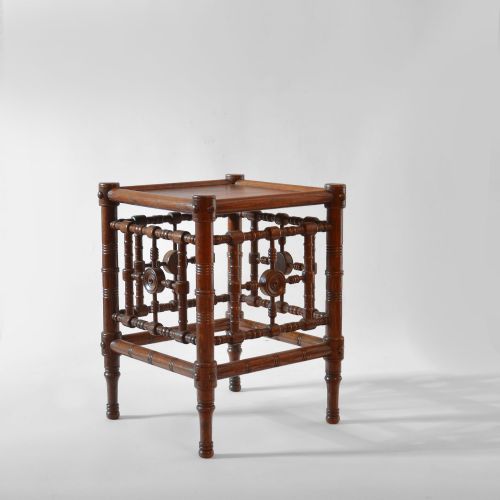
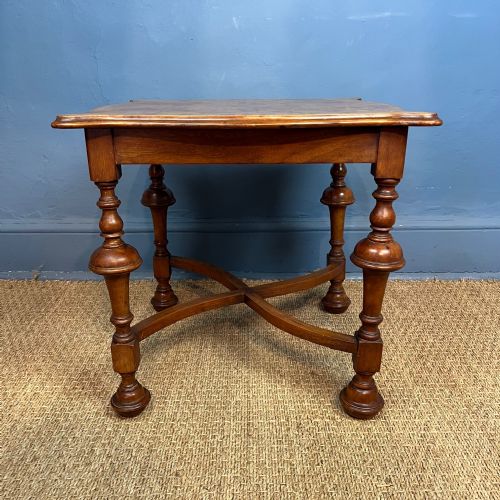
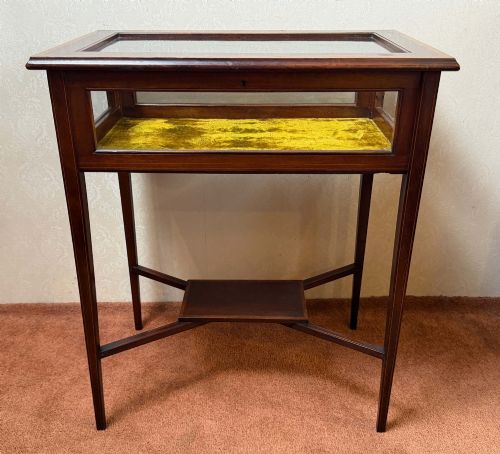
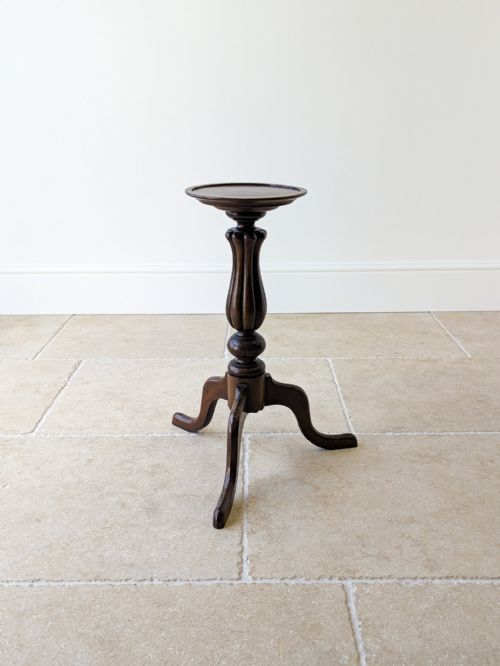
A buyer seeking a late victorian accent table encounters various portable forms including side tables, occasional tables, nests of tables, wine tables, centre tables, and plant stands dating from the late nineteenth century into the early twentieth century.
The material record spans native hardwoods such as mahogany, walnut, oak, and ebonised wood alongside exotic rosewood and teak, reflecting both domestic Victorian production and international stylistic movements.
Makers and workshops of the period drew upon diverse global aesthetics, producing Anglo-Burmese, Anglo-Indian, Moorish Revival, and Aesthetic Movement designs alongside standard revival styles like Chippendale.
Materials and Construction
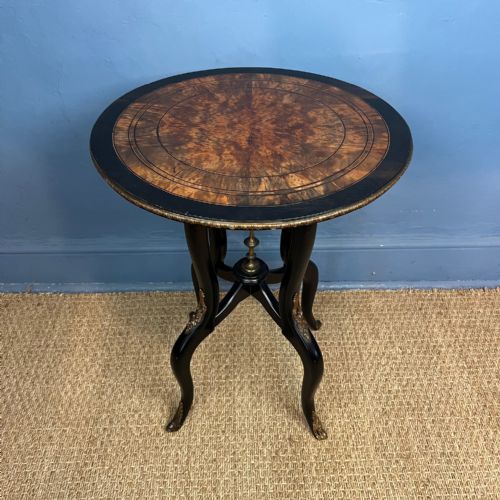
Cabinetmakers utilised solid timbers and veneers, combining structural carcasses of oak, mahogany, or walnut with decorative surfaces of burr walnut, rosewood, and specimen marble.
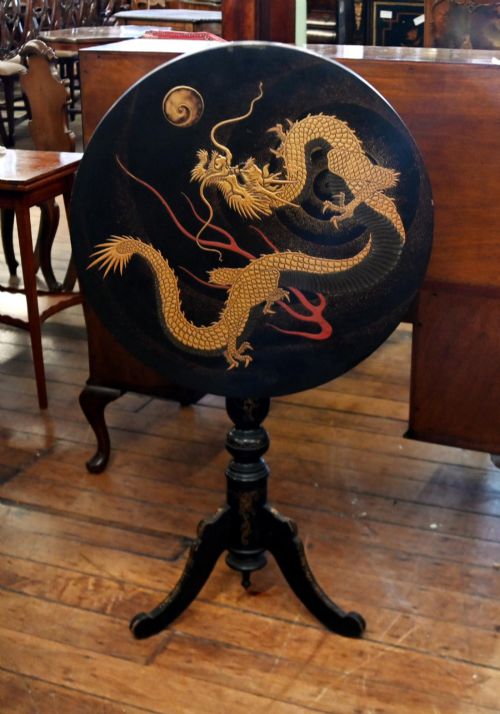
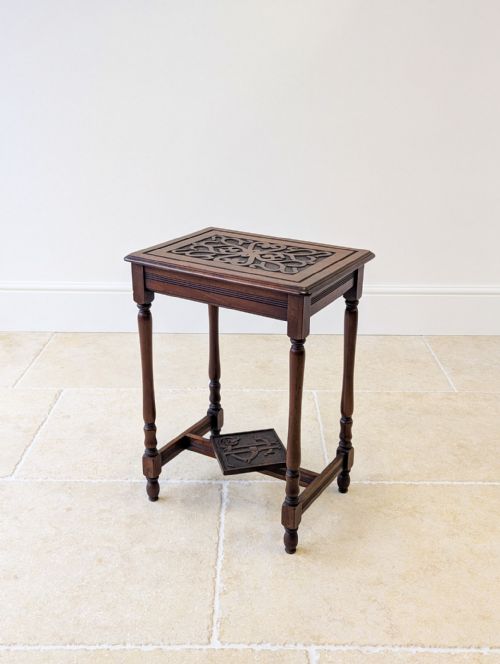
Surface ornamentation relied on specialist techniques including chip-carving, brass inlay, hand painting, marquetry, and intricate pierced work as seen in imported regional furniture.
Late Victorian Accent Table Retail Price Guide 2026
Typical asking prices for late victorian accent table among the pieces listed under this phrase on Sellingantiques today, from the lower quarter to the upper quarter. They describe what is for sale here now, not the wider market.
Listings feature oak, mahogany, walnut, rosewood, teak, and ebonised wood alongside bamboo, linden wood, and cow horn.
Judging Quality
The standard of a piece rests upon the crispness of the carving, the precision of brass or wood inlay, and the structural integrity of the joints, particularly on tripod bases and folding octagonal frames.
Artisanal execution distinguishes mass-produced items from pieces bearing attribution to notable retailers and workshops, where refined proportions and superior timber selection elevate the work.
James Shoolbred·Liberty of London·Edwards and Roberts·William Birch·Gabriel Viardot
The Late Victorian Accent Table Glossary
- Aesthetic Movement
- A late nineteenth-century design style emphasising visual beauty over narrative content, often incorporating Japanese motifs and ebonised finishes. It rejected heavy Victorian orthodoxy in favour of simpler lines.
- Etagere
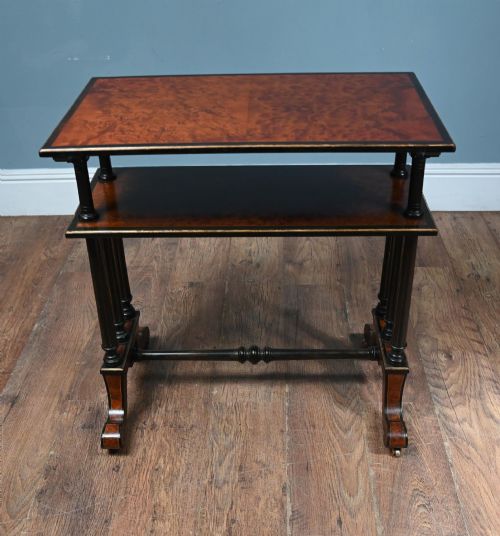
- A set of open shelves for displaying small objects, popular during the late Victorian period. These pieces frequently utilise multiple tiers supported by slender columns.
- Gypsy Table
- A light occasional table with a tripod base, traditionally featuring a cloth drape or a painted wooden top. These tables gained popularity during the late nineteenth century.
- Hongmu
- A traditional Chinese term for dense hardwoods, categorised under rosewood in Western records. Tables in this material demonstrate notable weight and durability.
- Specimen Marble
- A tabletop composed of various geometric or mosaic pieces of coloured marble. This technique creates intricate patterns across occasional tables.
Late Victorian Accent Table: Frequently Asked Questions
What defines a late victorian accent table?
These pieces comprise small occasional, side, and display tables produced primarily between 1880 and 1900. They bridge traditional Victorian forms and the lighter aesthetic movements of the late nineteenth century.
Makers incorporated diverse global styles, producing furniture in oak, walnut, mahogany, and ebonised wood with varied decorative techniques.
How were these small tables used?
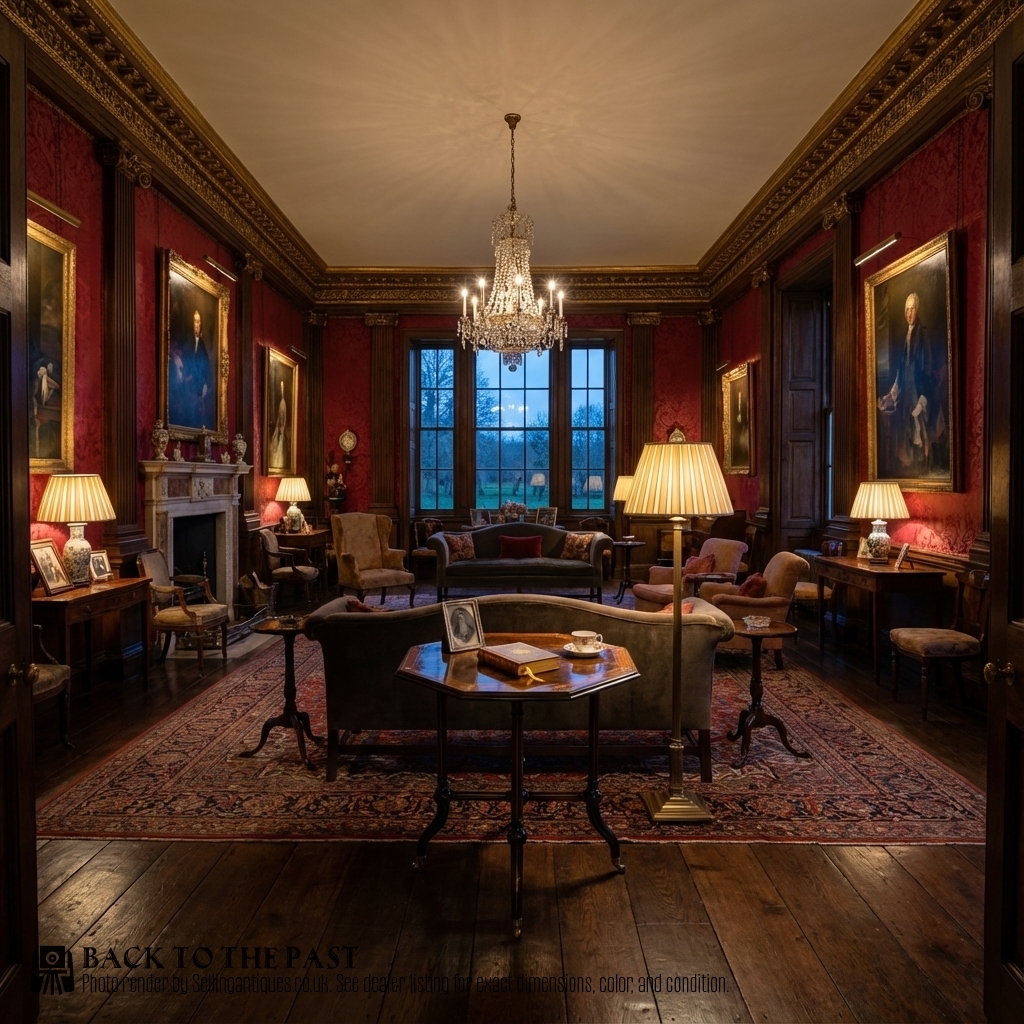
Late nineteenth-century households utilised accent tables for serving tea, displaying ornaments, holding lamps, or positioning reading materials in reception rooms.
Their portable nature allowed owners to move them easily around the room as social habits and interior arrangements shifted.
How do I distinguish stylistic influences?
Aesthetic movement examples often feature ebonised wood and Japanese-inspired motifs, whereas Anglo-Indian or Moorish pieces showcase dense carving and brass inlay on octagonal frames.
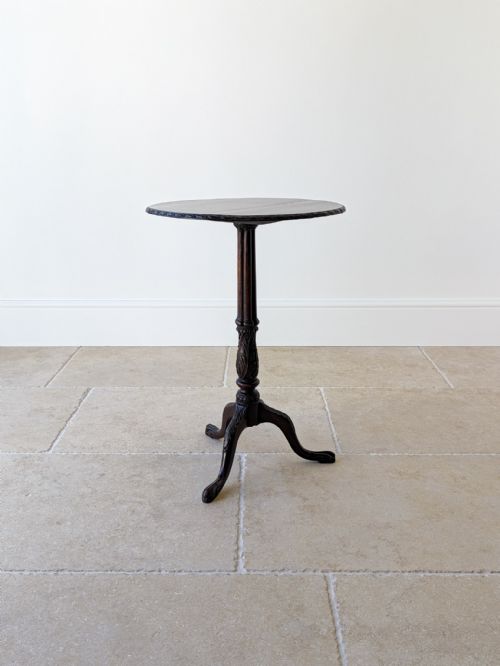
Revival styles draw on earlier eighteenth-century proportions, utilising mahogany and traditional tripod bases.
Are folding or octagonal tables sturdy?
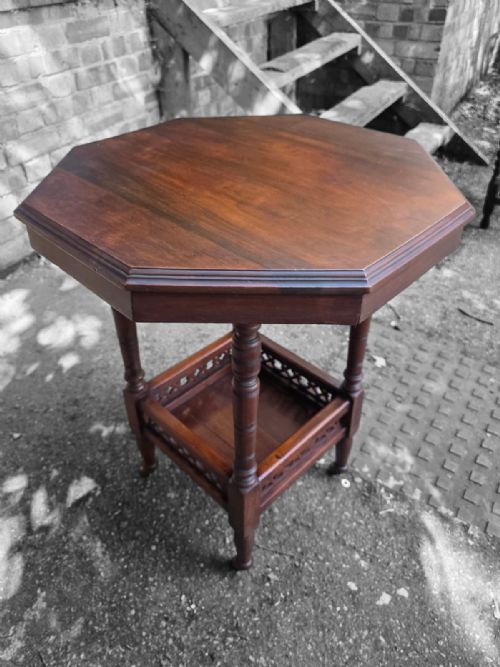
Octagonal occasional tables often rely on an interlocking two-piece folding base that supports a removable top. When properly aligned, this construction provides stable support for daily use.
Care should be taken when lifting these tables to ensure the base components remain securely locked together.