
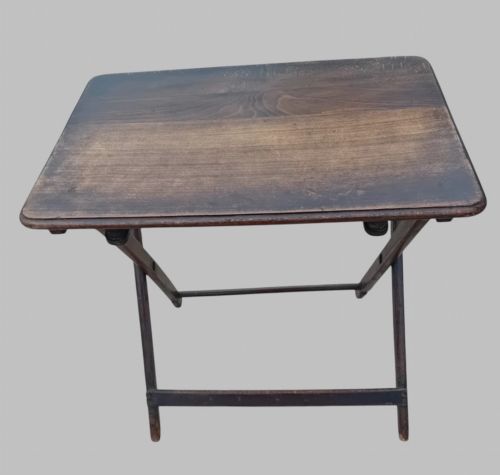
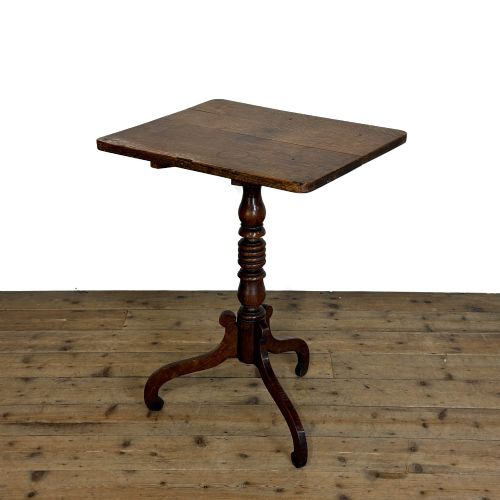
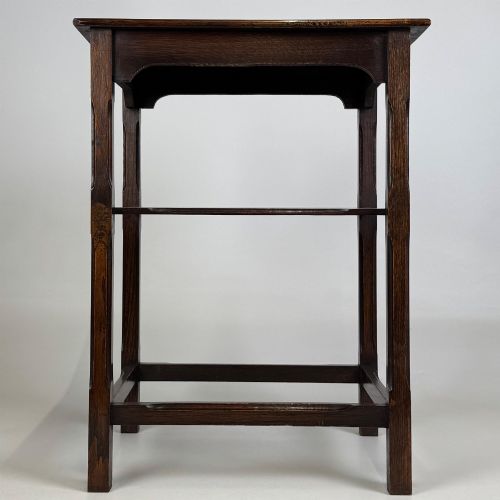
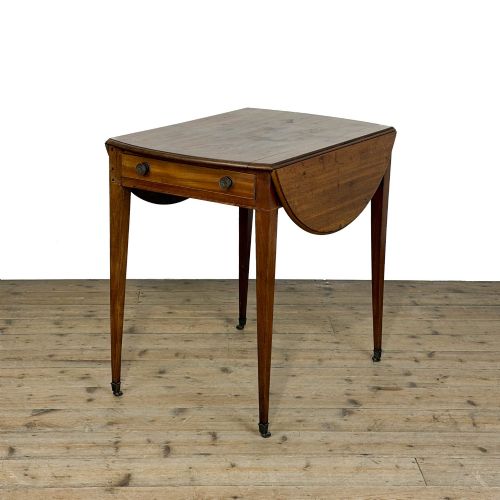


Vintage Wooden Side Table
These vintage wooden side table pieces bring practical surfaces and period character into a room.
What a vintage wooden side table is
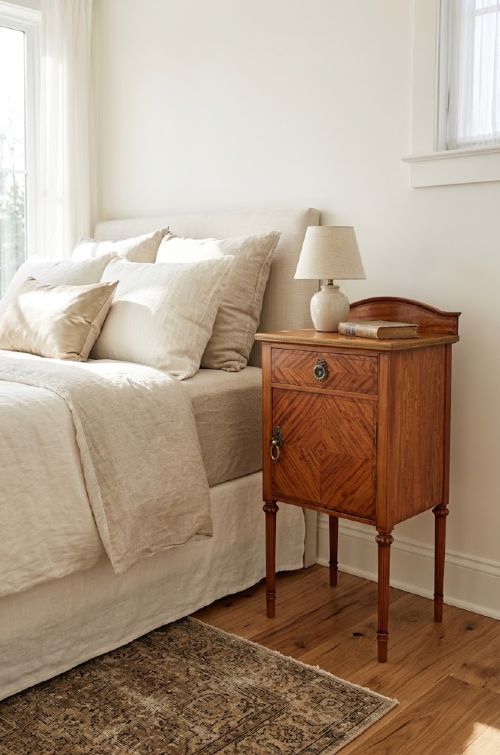
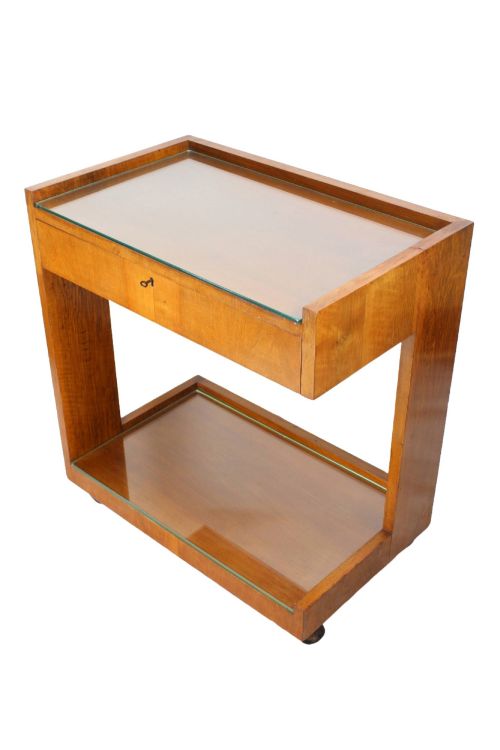
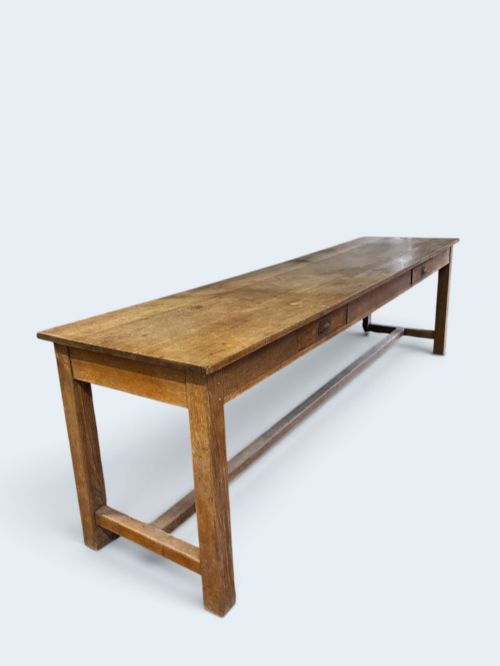
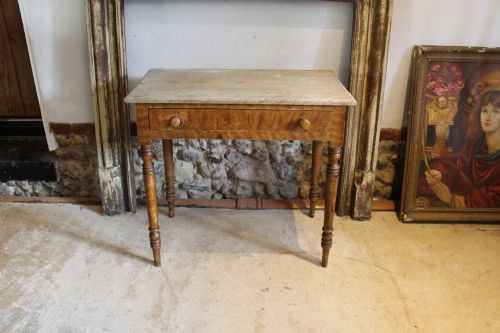
A vintage wooden side table provides a compact surface for lamps, books, or decorative objects within living spaces and reception rooms. These practical items appear in diverse formats including occasional tables, side cabinets, and dropleaf coffee tables.
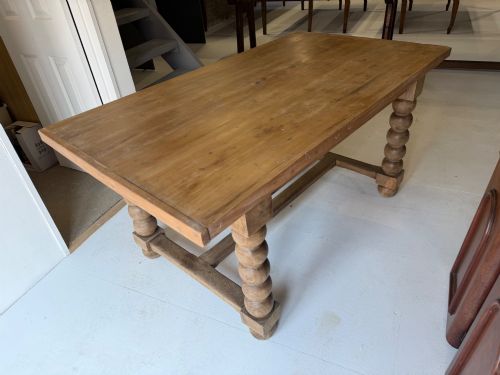
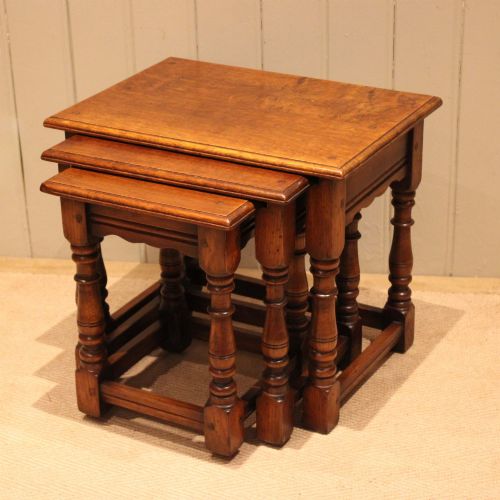
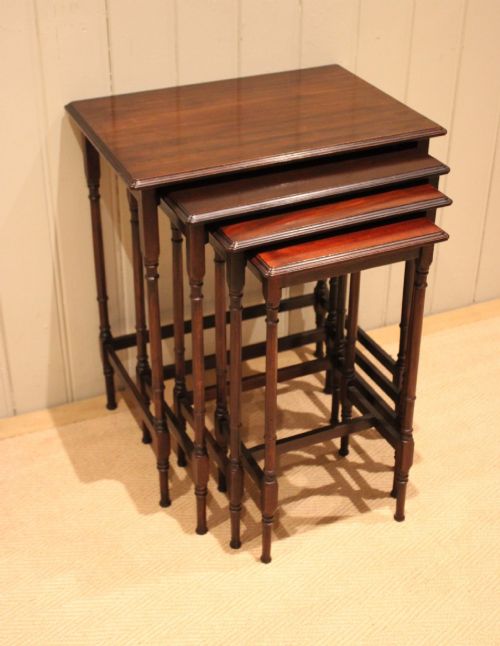
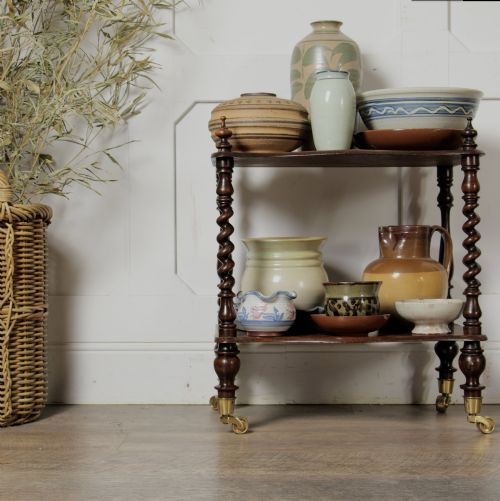
Buyers browsing this selection most frequently encounter Edwardian and Victorian examples alongside later Art Deco designs. Common forms include two-tier occasional pieces and six-legged variants with bevelled edges.
Origins span British and French workshops, utilising traditional cabinet-making forms suited to domestic interiors of the nineteenth and early twentieth centuries.
How they were made
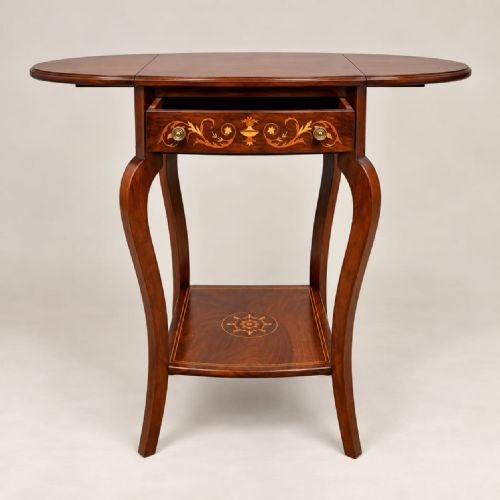
Makers constructed these tables predominantly using solid timbers such as mahogany and walnut, frequently applying timber veneer to create decorative surface patterns. Structural integrity relied on traditional joinery methods suited to domestic furniture.
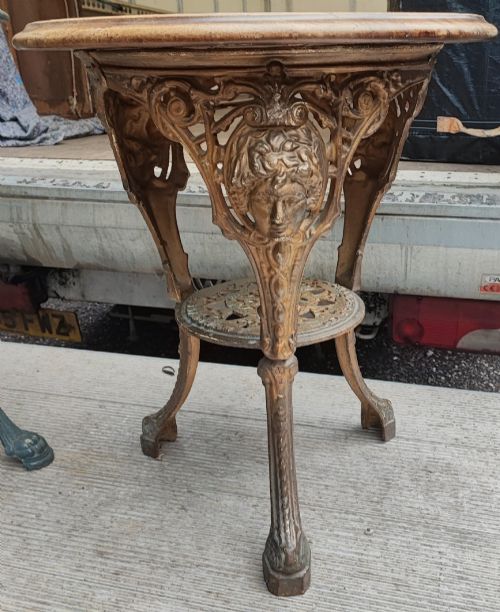
Metal elements including brass and chrome appear as handles, decorative mounts, or structural supports, particularly on later Art Deco pieces and cabinets. Finishes preserved the natural grain of the wood while providing protection against daily wear.
Retail Price Guide 2026
Typical UK retail prices for vintage wooden side table, calculated from the Sellingantiques database of over a million retail prices indexed since 2003. This retail price guide relies exclusively on Sellingantiques data; no external sources or auction records are used, so the figures do not describe the wider market.
Some tables come equipped with six legs for extra stability when holding afternoon tea.
What varies in quality
Quality rests upon the selection of timber, where well-figured mahogany and walnut demonstrate superior visual depth compared to plain secondary woods. The precision of timber veneer application and the crispness of turned or carved details further separate standard examples from finer commissions.
Construction methods dictate longevity, with tight joints and solid secondary framing marking superior cabinet work. The inclusion of thoughtful design elements, such as bevelled edges or functional dropleaf mechanisms, distinguishes more ambitious pieces from basic utility items.
The Vintage Wooden Side Table Glossary
- Timber veneer
- A thin layer of fine wood applied over a base timber to provide decorative surface patterns. This technique allowed cabinet makers to display striking grain figures without using solid expensive hardwoods throughout.
- Dropleaf
- A table design featuring hinged flaps that fold down to save space or lift up to extend the surface area. Supporting brackets swing out to hold the leaves secure when raised.
- Bevelled edge
- An angled border cut along the perimeter of a tabletop or glass insert. This decorative detail softens the profile and catches the light.
- Occasional table
- A small, movable table designed for specific, intermittent use rather than permanent placement. These versatile pieces function easily beside seating or in corners.
Frequently Asked Questions
What is a vintage wooden side table used for?
These tables provide a convenient surface for holding lamps, cups, and books beside seating furniture. Their compact proportions allow them to fit easily into smaller spaces or hallways.
They also serve as display areas for decorative objects, bringing both utility and period character to a room.
How do I date a wooden side table?
Dating relies on examining the timber species, construction methods, and stylistic details present in the piece. Victorian and Edwardian examples often feature solid mahogany or walnut with traditional joinery.
Later pieces, such as Art Deco designs from the nineteen-thirties, introduce materials like chrome alongside French styling and timber veneers.
What is the difference between a side table and an occasional table?
An occasional table is a general term for a small, movable piece built to be used as needed in various parts of a room. A side table typically remains stationed against a wall or beside furniture.
Both forms offer practical surfaces, though occasional tables frequently incorporate extra tiers or dropleaf mechanisms.
How do I clean and care for wooden tables?
Maintenance involves dusting regularly with a soft, dry cloth to prevent the accumulation of grit on the timber surface. Avoiding direct sunlight and excessive moisture protects the wood and veneer from fading or warping.
Occasional application of appropriate wax nourishes the polish and preserves the natural grain.