

Drop Leaf Tea Table
When you search for a drop leaf tea table, you enter a diverse world of folding surfaces designed for refreshment and social gatherings across multiple eras.
Drop Leaf Tea Table
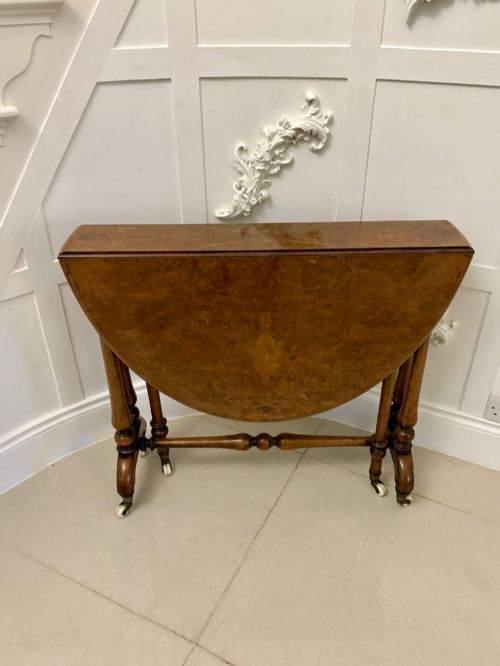
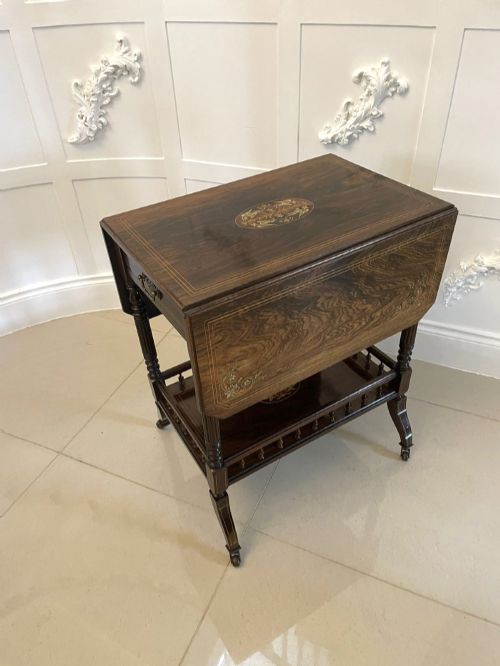
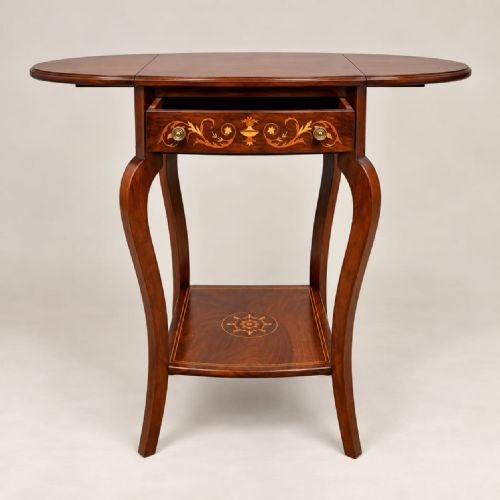
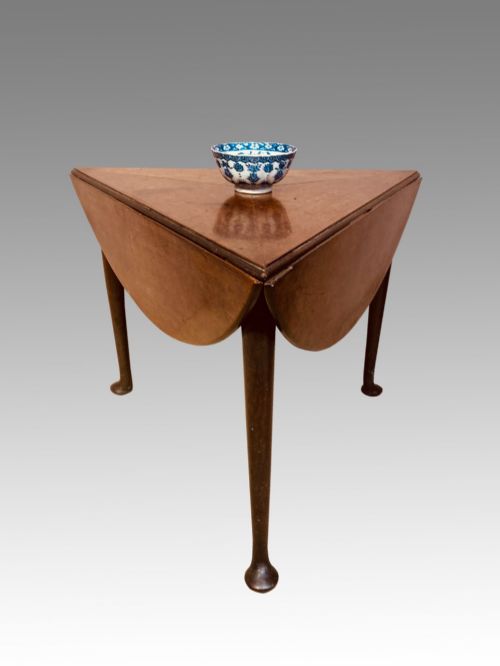
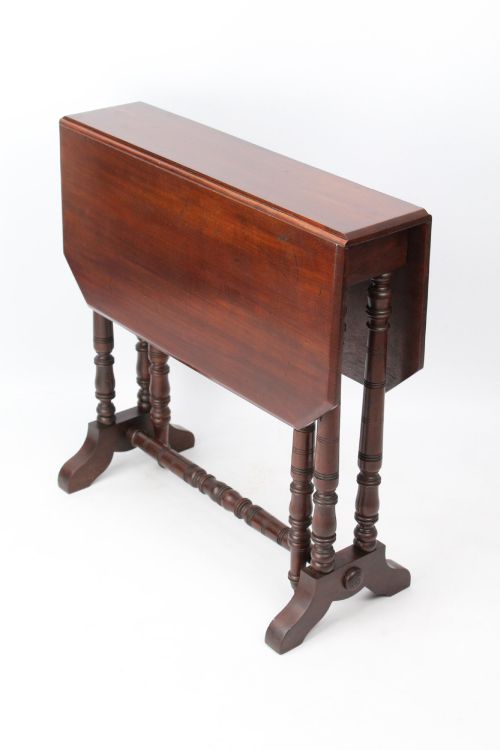
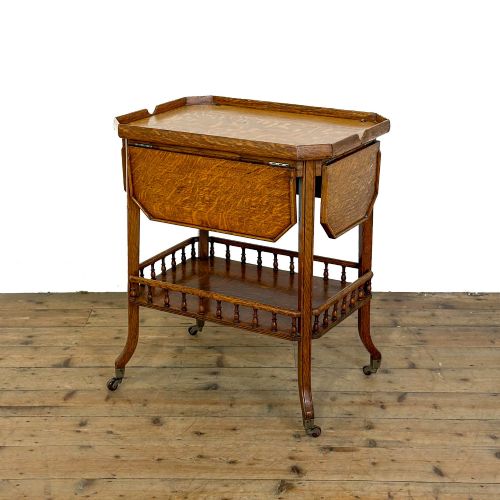
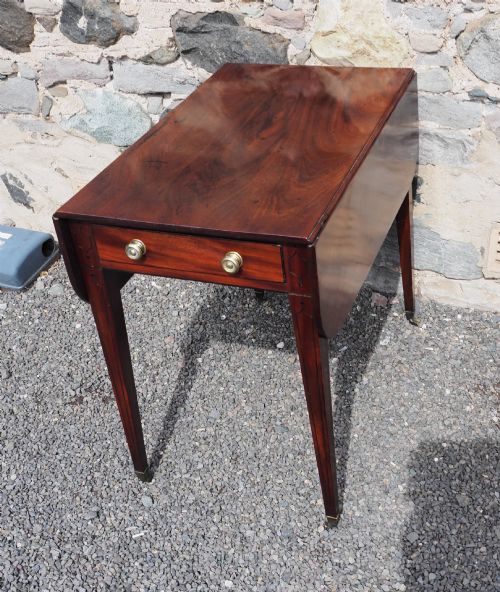
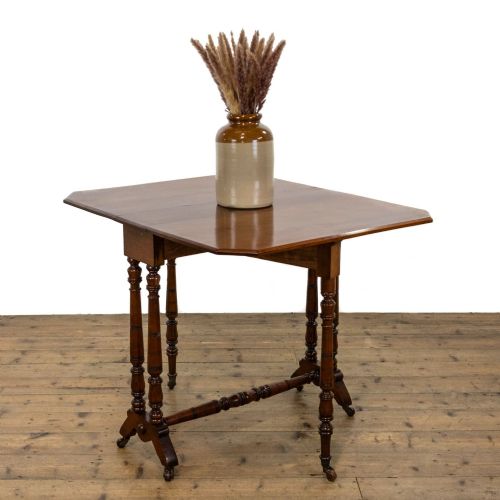
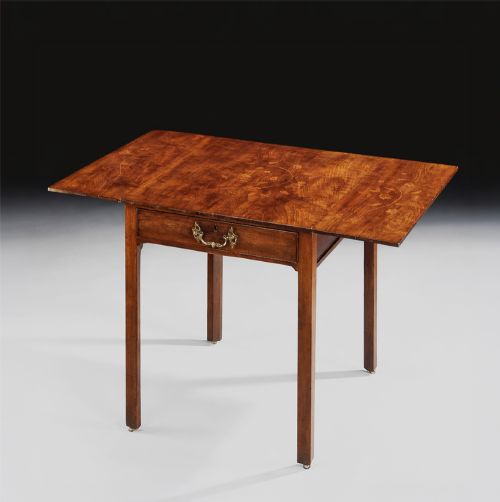
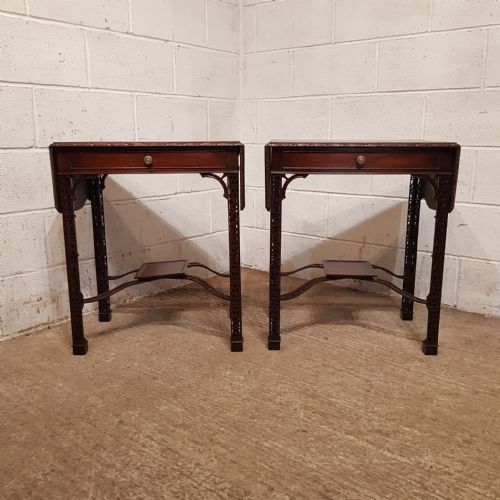
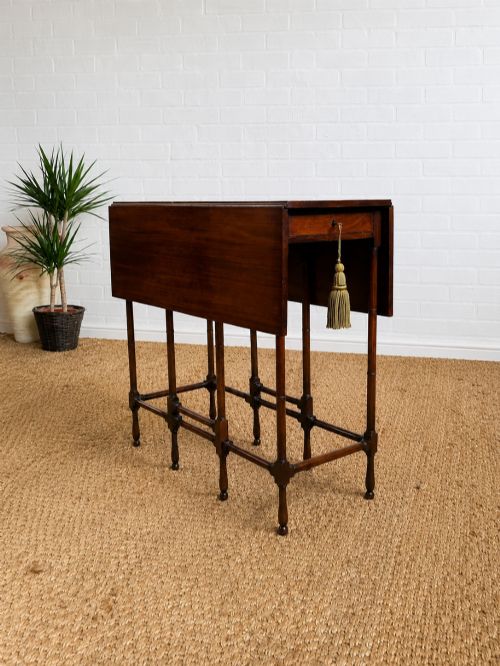
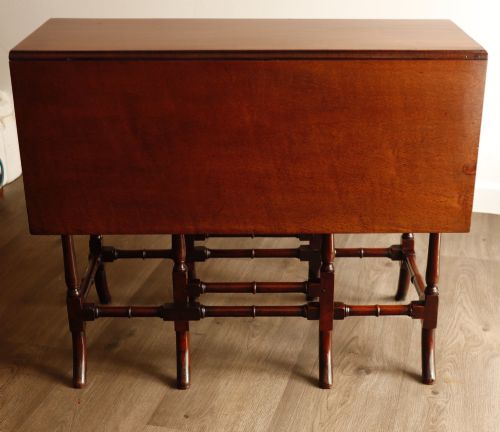
A drop leaf tea table provides an expandable surface through hinged flaps that lower when not in use. These pieces span Georgian, Victorian, and Edwardian periods, appearing in forms such as Pembroke tables, Sutherland tables with scissor actions, and spider leg tables.
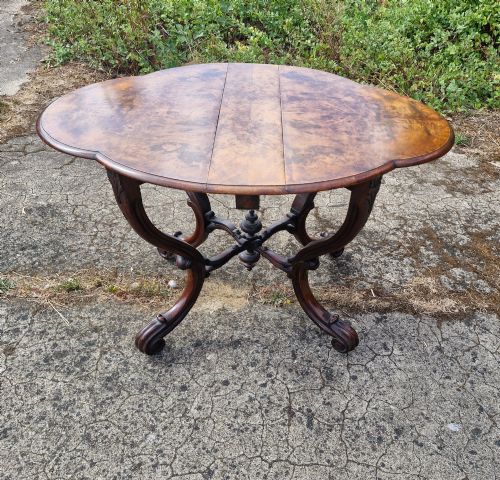
The materials recorded across these eras include mahogany, burr walnut, rosewood, and oak. Surviving examples range from simple Edwardian two-tier trolleys to finely inlaid George III and Sheraton designs created for formal entertaining.
Materials and construction
Cabinet makers utilised dense hardwoods such as mahogany and walnut, frequently enhancing surfaces with satinwood, boxwood, and marquetry inlay. The construction relies on sturdy pivoting legs, drop-leaf hinges, and sometimes delicate bamboo-turned supports.
Tables from the eighteenth and nineteenth centuries demonstrate skilled joinery to manage the movement of folding leaves, balancing structural support with portability.
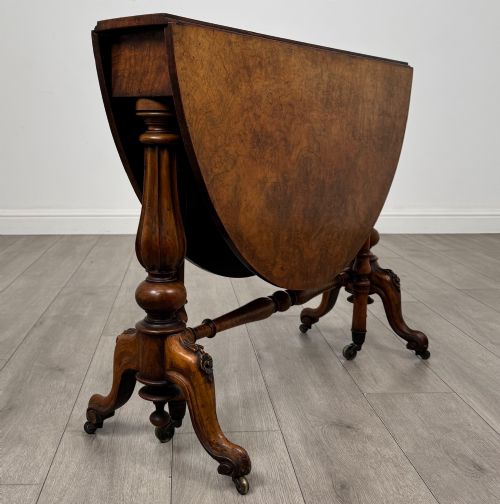
Some Victorian walnut tables deploy a clever scissor action to make the leaves drop smoothly.
Quality differences
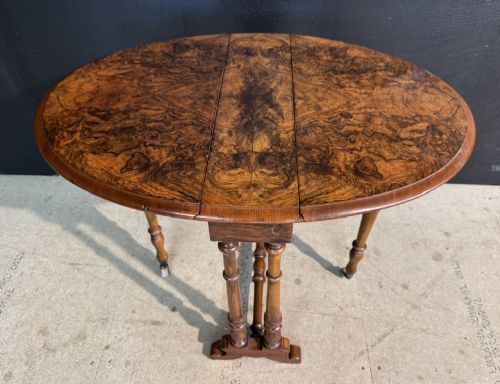
The standard of a drop leaf tea table rests on the selection of timber veneers, such as figured burr walnut or cross-banded mahogany, and the crispness of any inlaid marquetry. Finer examples display meticulous attention to the movement of the folding mechanism and the proportion of the turned legs.
Simpler utility pieces from later periods prioritise straightforward function over decorative wood selection and intricate joinery, separating utilitarian furniture from master cabinet work.
Johnstone and Jeanes
The Drop Leaf Tea Table Glossary
- Pembroke table
- A small rectangular table with two hinged flaps on opposite sides, typically featuring a drawer.
- Sutherland table
- A narrow drop-leaf table where the leaves fold down almost vertically, supported by swinging gate legs operating on a scissor action.
- Spider leg table
- A lightweight table supported by numerous slender, turned wooden legs connected by low stretchers.
- Marquetry
- Decorative patterns created by fitting pieces of various coloured woods and veneers into a prepared surface.
- Pad foot
- A simple rounded foot found on cabriole legs, characteristic of earlier eighteenth-century designs.
Drop Leaf Tea Table: Frequently Asked Questions
How were drop leaf tea tables used?
These tables served primarily for the service of tea, standing compactly against a wall until guests arrived and the leaves were raised.
They functioned flexibly as tea presentation surfaces, work tables, or occasional lamp stands in period reception rooms.
How do I identify a Georgian tea table?
Georgian examples often feature solid mahogany construction, pad feet, or delicate spider legs typical of the eighteenth century.
Look for hand-cut dovetails within drawer construction and conservative proportions suited to intimate rooms.
Where should I place a Sutherland table?
A Sutherland table fits well behind a sofa or in a tight corner because its leaves drop down vertically.
You can easily pull it out and raise the flaps when you need an extra surface for drinks or books.