
Antique Occasional Side Table
An antique occasional side table brings compact surface space and centuries of cabinet-making skill into a room.
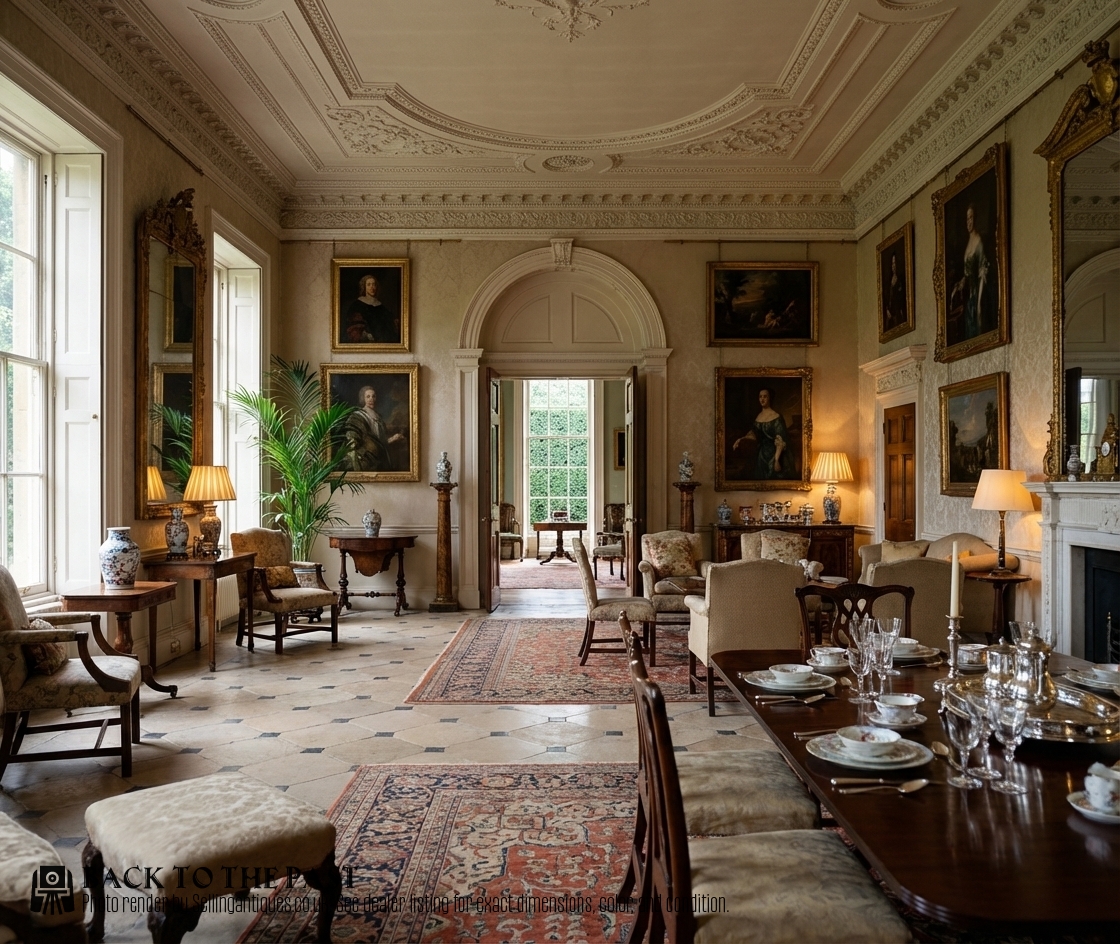
Identifying an antique occasional side table
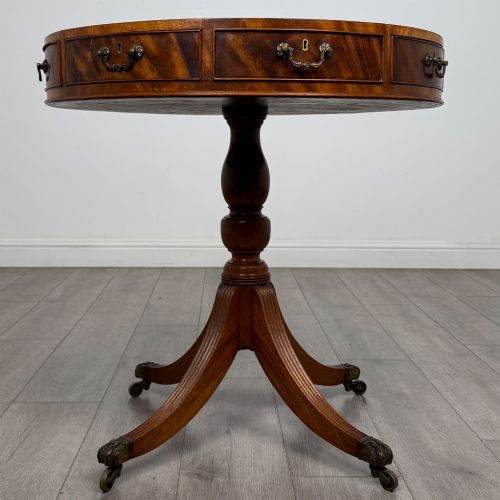
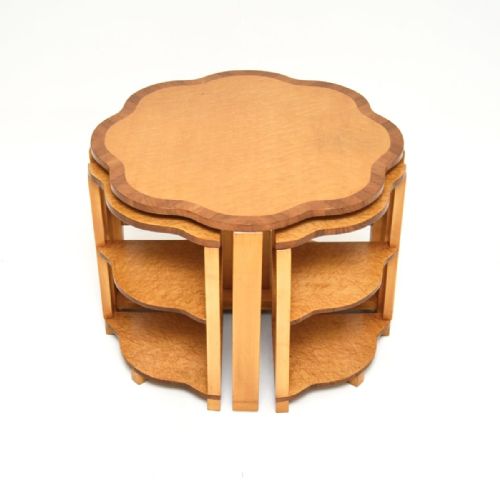
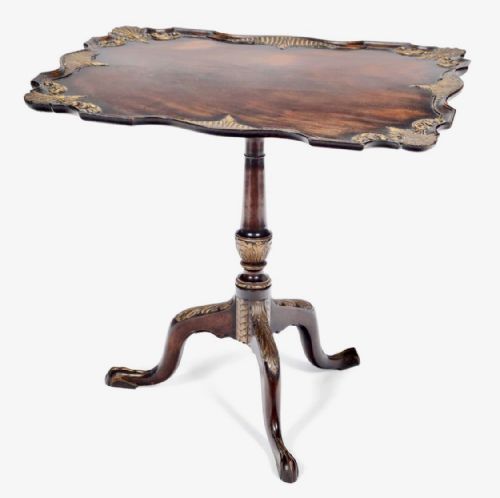
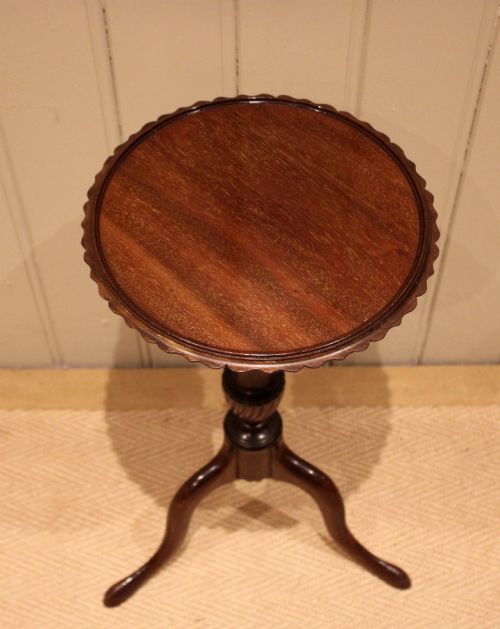
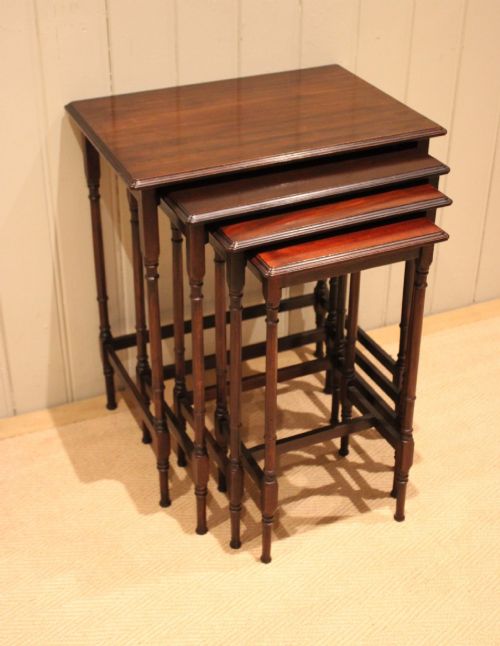
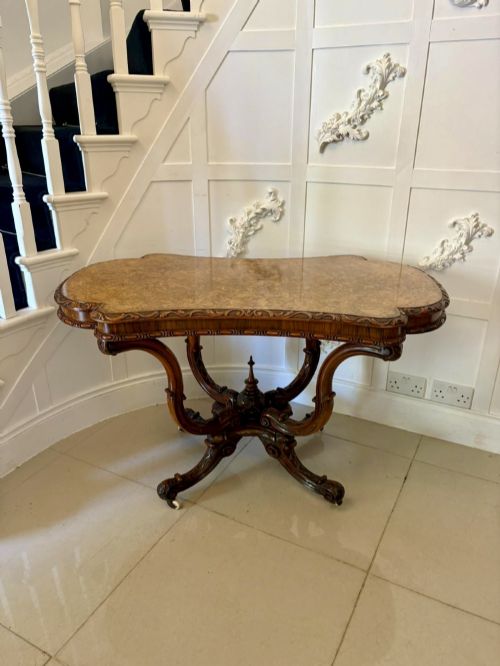
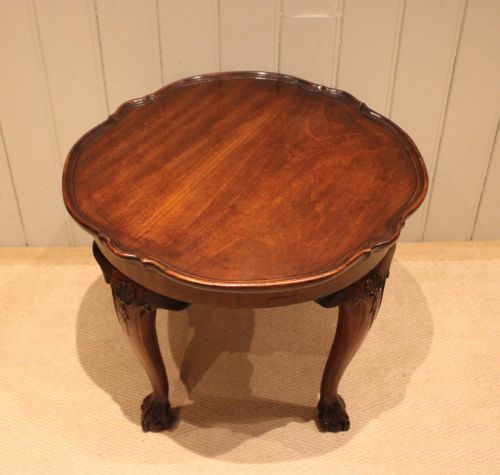
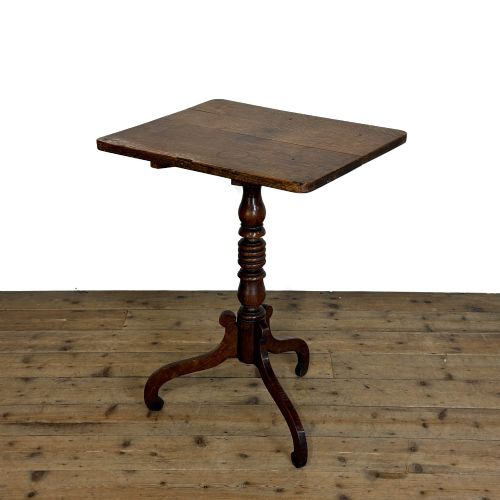
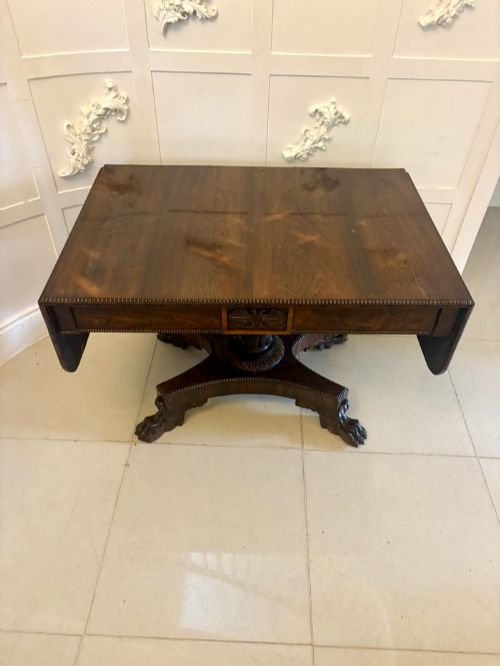
An antique occasional side table covers a wide variety of small movable furniture, from Pembroke and sewing tables to wine and lamp stands. Pieces range across the Georgian, Regency, Victorian and William IV periods, alongside later Edwardian and twentieth-century examples.
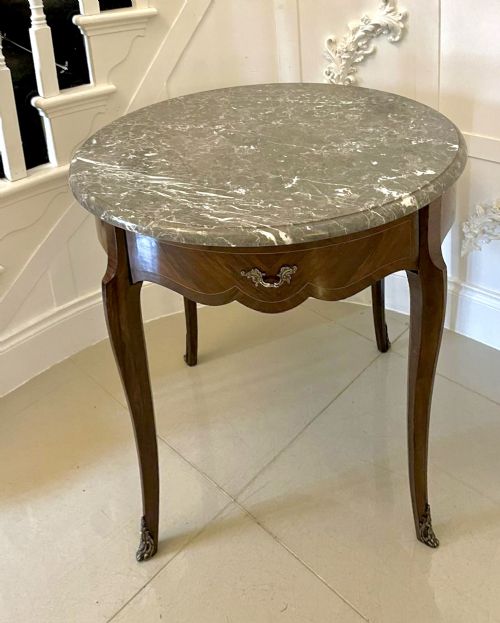
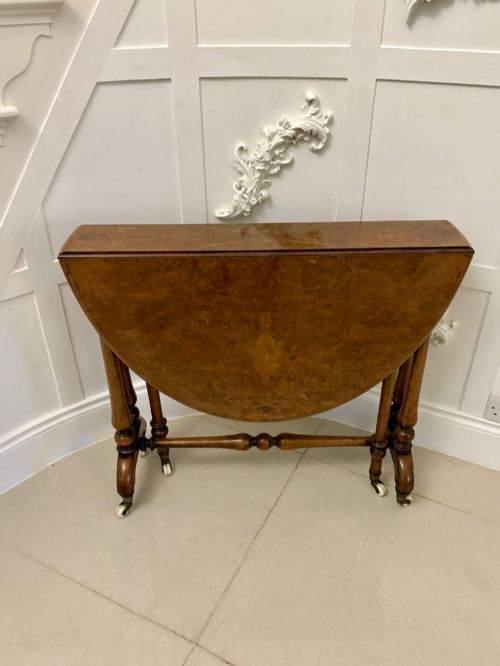
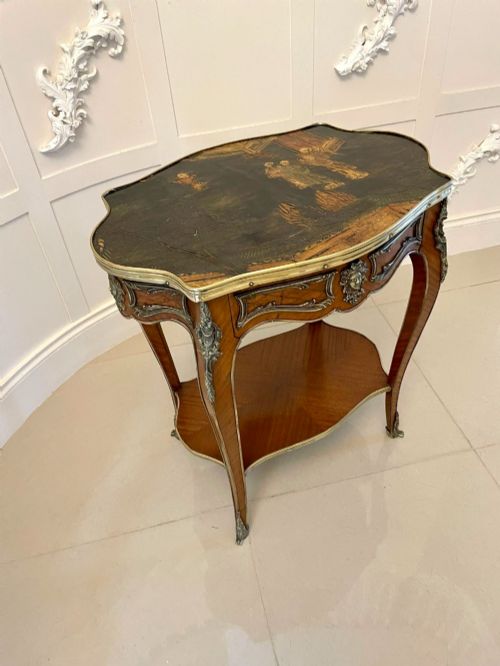
The form appears in mahogany, walnut, burr walnut, oak, yew wood, rosewood, olive wood and beech, often finished with boxwood inlay, satinwood or marquetry. Tables take rectangular, round, demi-lune and serpentine shapes, occasionally featuring drop leaves, drawers or two tiers.
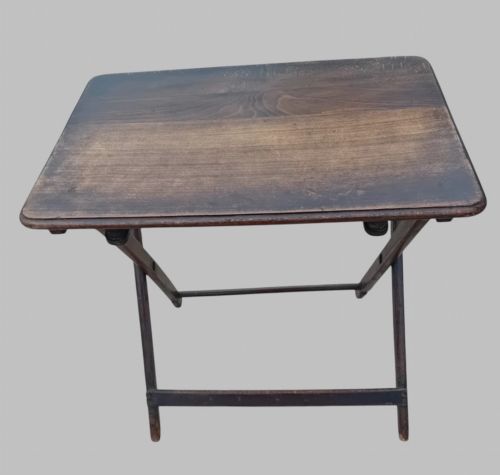
Origin and workshop traditions shape each piece, with English, French, Swiss and Italian examples appearing in the record. Regional country pieces in oak and elm sit alongside finely polished mahogany and burr walnut formal furniture.
Materials and construction
Cabinet-makers relied on solid hardwoods and decorative veneers, selecting mahogany, walnut and oak for structural integrity and burr walnut, satinwood and olive wood for visual grain patterns. Inlays of boxwood and intricate marquetry add contrasting detail to table tops and friezes.
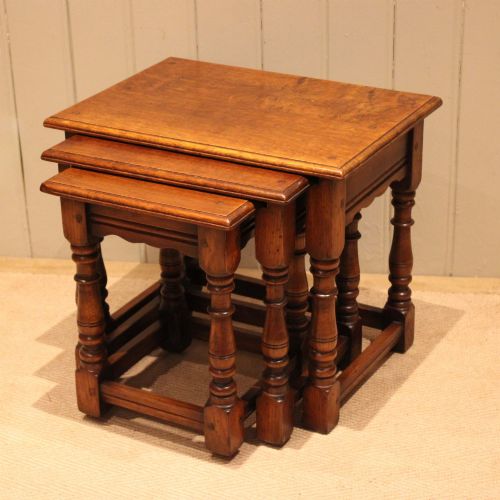
Joinery methods include turned and barley twist legs, snap top mechanisms, drop leaves with hinged flaps, and dovetailed drawers. Metalwork additions such as brass fittings, ormolu mounts and gilt metal accents complement the timber structures.
Retail Price Guide 2026
Typical UK retail prices for occasional side table, calculated from the Sellingantiques database of over a million retail prices indexed since 2003. This retail price guide relies exclusively on Sellingantiques data; no external sources or auction records are used, so the figures do not describe the wider market.
Swiss Black Forest folk art tables introduce carved wooden wildlife and hand-painted alpine scenes directly into the parlour.
Distinctions in quality
Quality rests in the selection of timber veneers and the crispness of carved details such as barley twists or wine table pillars. Superior examples display balanced grain matching across table tops and precise execution of inlaid parquetry or boxwood stringing.
Structural refinement distinguishes finer pieces, seen in smooth-running drawer dovetails, stable snap top catches, and robust joint work that maintains rigidity without excessive weight.
The Antique Occasional Side Table Glossary
- Pembroke table
- A small table with hinged flaps on either side that can be raised or lowered to alter its surface area.
- Snap top table
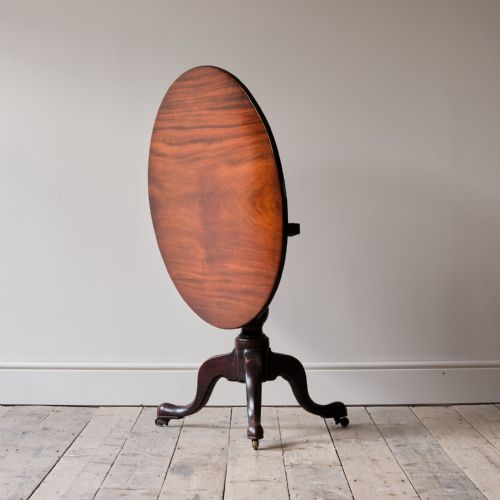
- A table featuring a mechanism that allows the top to tilt vertically when not in use for convenient storage.
- Marquetry
- Decorative patterns formed by fitting together thin veneers of different coloured woods and materials onto a solid base.
- Demilune
- A half-moon shape commonly found on console and side tables designed to sit flush against a wall.
- Barley twist
- A turned wooden column carved into a helical screw shape, popular during the seventeenth and nineteenth centuries.
Frequently Asked Questions
What is an occasional table?
An occasional table is a small, movable piece of furniture designed for specific, intermittent use around a home rather than a permanent central role.
These versatile surfaces function easily as lamp stands, wine tables or bedside companions depending on their height and top dimensions.
How do I style a side table?
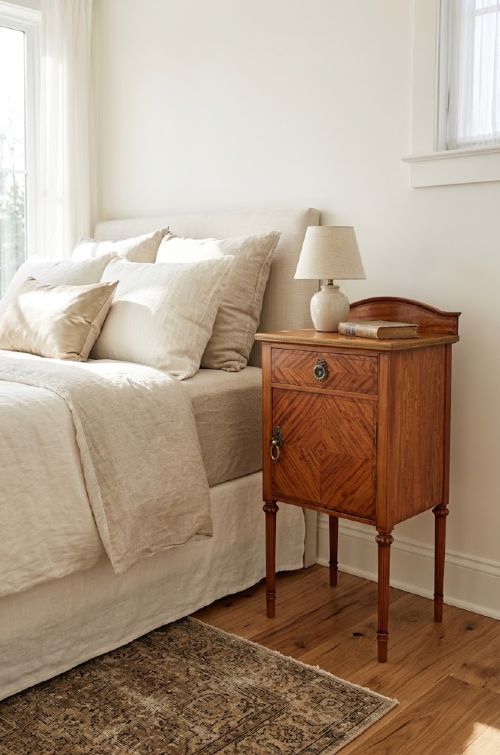
Side tables suit living rooms, halls and bedrooms where a compact surface is useful for a lamp, book or decorative object.
Their varied forms allow them to sit beside seating or against empty wall spaces to introduce warmth and texture from period woods.
How do I date a table?
Dating relies on observing the prevailing style, timber choices and construction techniques characteristic of periods like Georgian or Victorian.
Details such as inlay materials, leg turnings and hardware fixtures provide reliable clues to the era of manufacture.
Are these tables sturdy?
Period side tables were built using traditional joinery like tenons and dovetails to ensure everyday stability and function.
Solid hardwoods and properly maintained mechanisms mean these pieces remain practical for daily household use.