


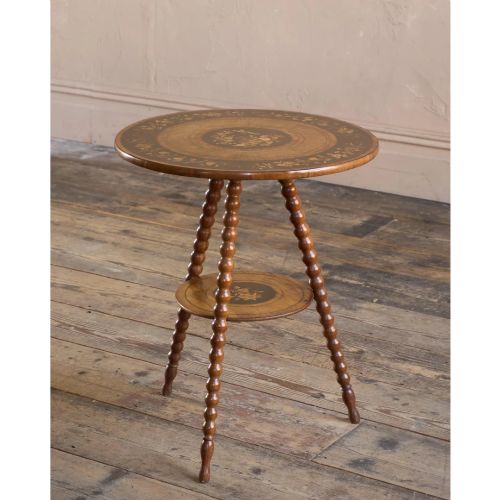
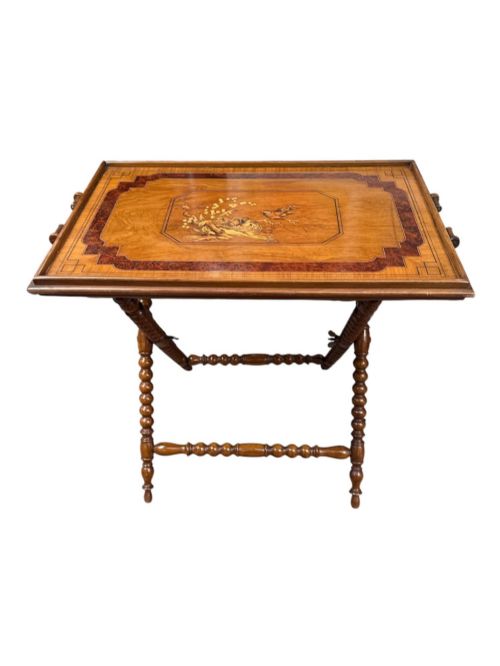
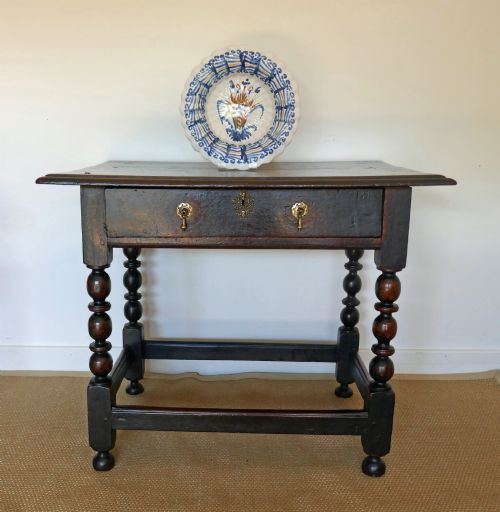
Antique Bobbin Leg Table
An antique bobbin leg table brings tactile turned wood and rich seventeenth-century spirit directly into a room.
Antique Bobbin Leg Table
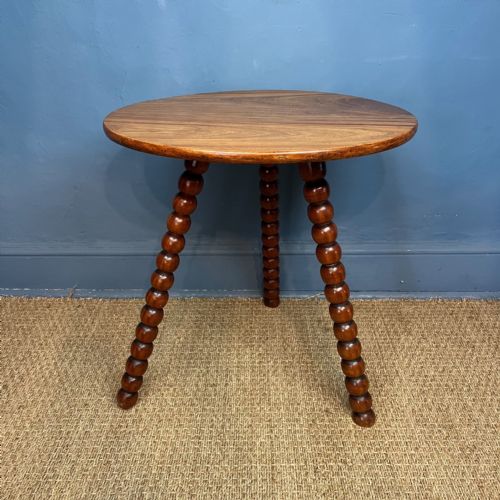
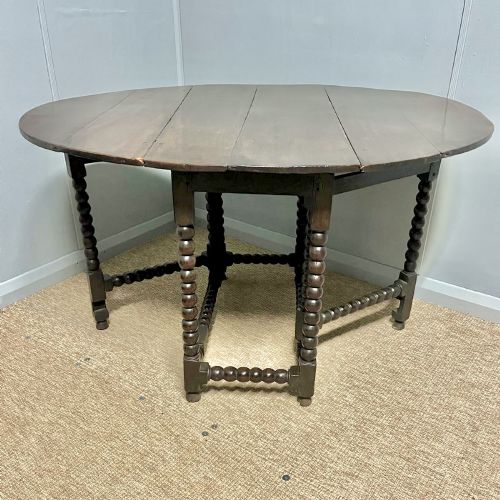
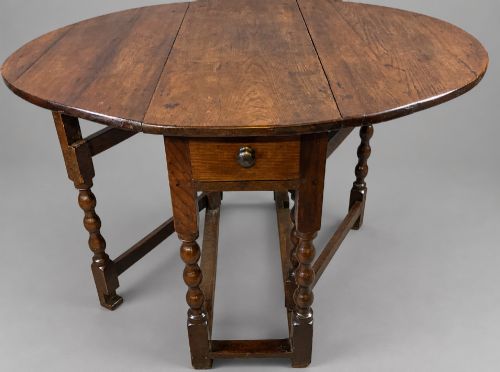
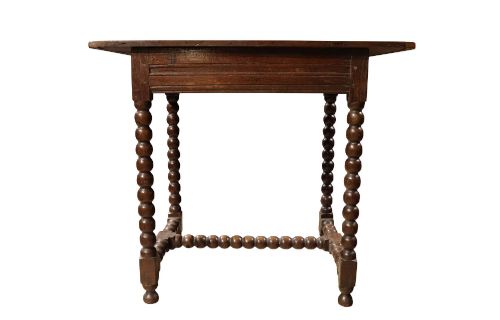
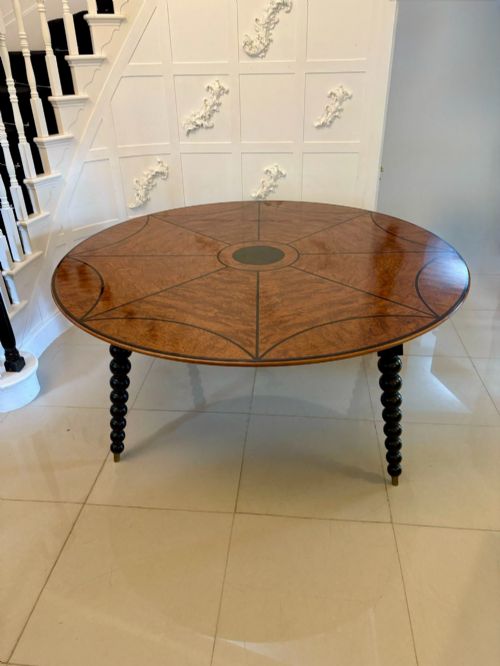
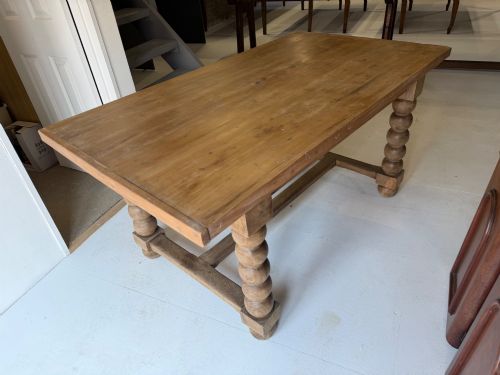
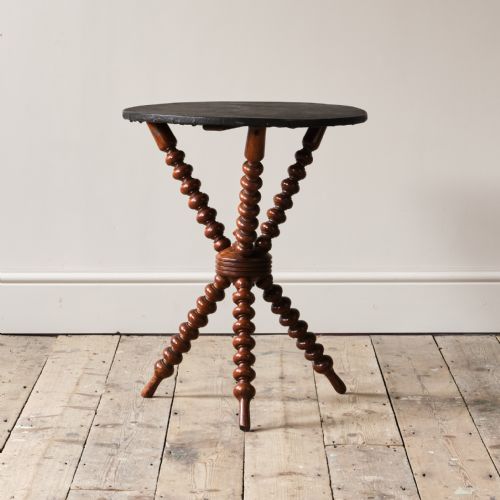
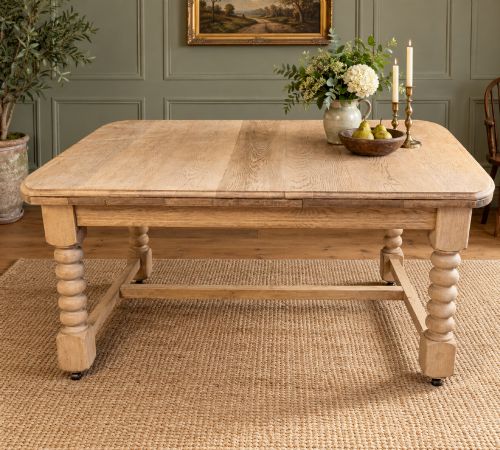
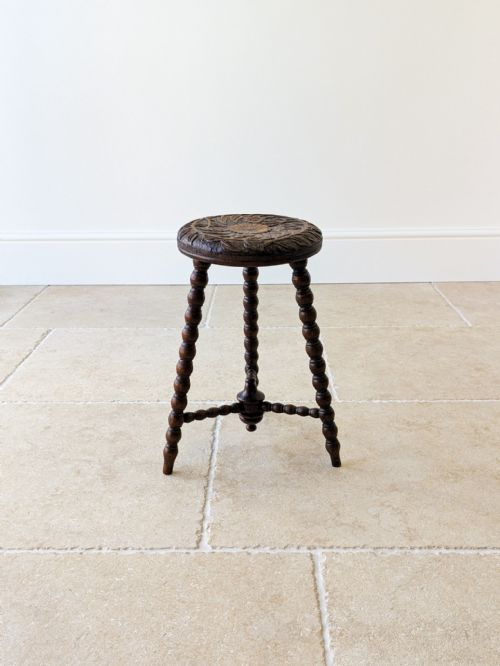
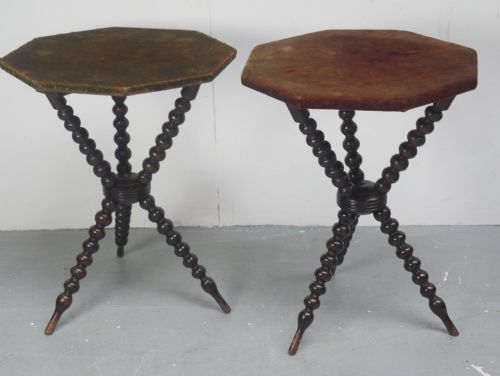
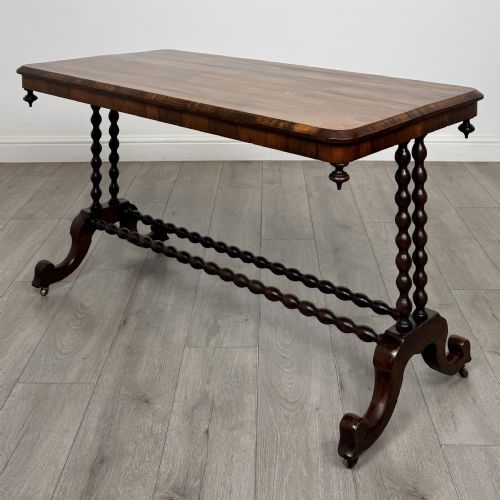
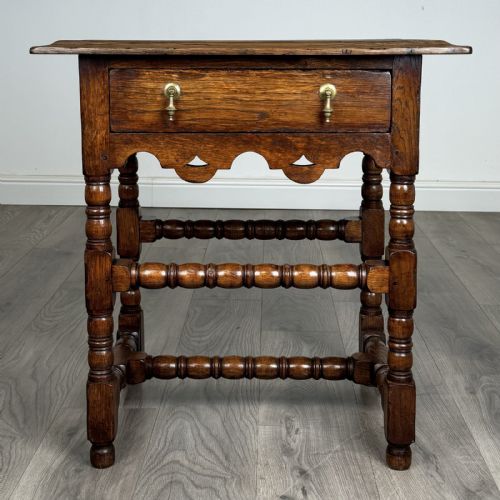
When you search for an antique bobbin leg table, you encounter practical furniture defined by spool-moulded turnings along the supports. The pieces on this page range from compact side and occasional tables to substantial oak gateleg dining tables.
Construction and materials
Cabinet makers produced the distinct spool turnings on these legs using a lathe, shaping solid timber such as oak, beech, and walnut into uniform rounded beads. This labour-intensive turning technique required precision so each spool aligned evenly down the length of the leg.
Joinery on the earlier pieces relied on pegged mortise and tenon frames, whilst later nineteenth-century examples incorporated sturdy screws and drop-leaf mechanisms. Tops were frequently fashioned from single or joined planks of hardwood, occasionally finished with marquetry inlay or ebonised surfaces.
Antique Bobbin Leg Table Retail Price Guide 2026
Typical asking prices for bobbin leg table among the pieces listed under this phrase on Sellingantiques today, from the lower quarter to the upper quarter. They describe what is for sale here now, not the wider market.
Periods represented span from seventeenth-century Jacobean origins through to 1920s revival pieces.
Judging quality in turned furniture
Quality rests in the crispness of the turnings and the selection of the timber. Finer examples display deeply carved or sharply chiselled bobbins that retain their distinct profiles without softening from wear or over-enthusiastic sanding.
The integrity of the frame construction separates ordinary pieces from superior ones. Tables that retain their original timber patination, tight joints, and balanced proportions without excessive structural replacement command greater appreciation.
William Birch·Liberty of London
The Antique Bobbin Leg Table Glossary
- Bobbin turning
- A form of woodturning on a lathe that produces a sequence of rounded spool-like shapes along a shaft. This decorative leg style is also known as spool turning.
- Gateleg table
- A drop-leaf table with hinged legs that swing outward to support the raised leaves. This form allows the table to expand significantly for dining.
- Marquetry
- The art of applying decorative veneer pieces onto a structural surface to create pictorial patterns. It appears frequently on the tops of select occasional tables.
- Ebonised wood
- Timber treated with a dark stain or chemical finish to imitate ebony. This dark surface treatment gained popularity during the Victorian and Aesthetic periods.
- Patina
- The surface sheen and deep colour developed by aged wood through decades of handling and polishing. A good patina reflects the genuine age of the piece.
Antique Bobbin Leg Table: Frequently Asked Questions
How do I date an antique bobbin leg table?
Examine the timber species, construction joints, and tool marks beneath the top. Seventeenth-century examples typically show hand- cleft oak and pegged frames, whereas nineteenth-century revivals utilise machine-sawn components and different secondary woods.
Look closely at the turnings and finish. Earlier bobbin work has a different hand-turned rhythm and richer wax patination compared to later Victorian and Edwardian reproductions.
Where should I place a bobbin leg table at home?
These versatile tables fit easily into hallways as console surfaces or beside seating as lamp tables. Smaller gateleg versions work well folded down against a wall until extra surface space is needed.
Keep them away from direct heat sources and strong sunlight to protect the aged timber and prevent the historic joints from drying out.
Are bobbin leg tables sturdy enough for daily use?
Solid hardwood versions built with traditional joinery remain remarkably robust for everyday tasks. Gateleg variants require care when swinging the leg supports into position to avoid straining the hinges.
Check that the frame sits level on the floor. Regular polishing with traditional beeswax keeps the wood nourished and protects the surface from minor spills.