
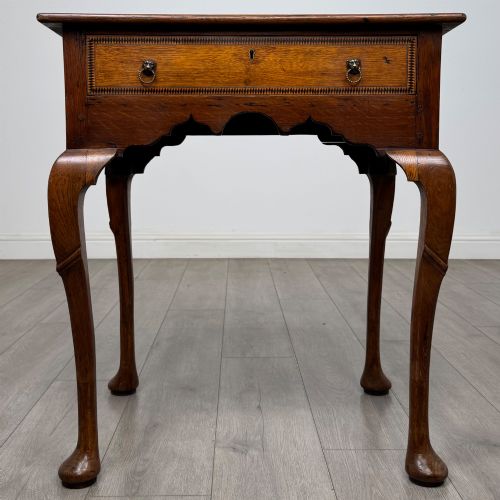

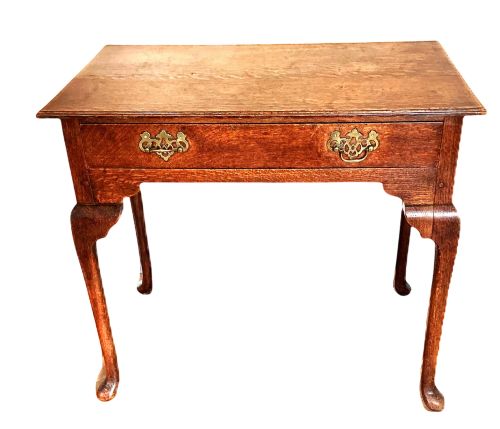
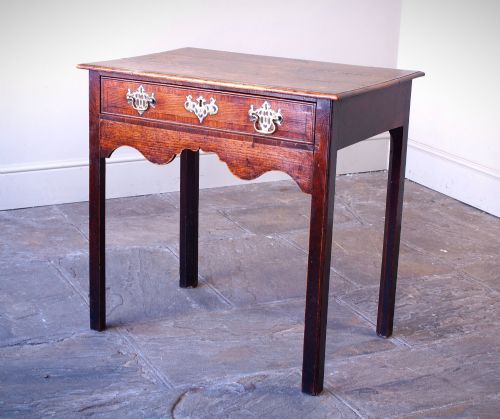
Georgian Oak Occasional Table
A georgian oak occasional table brings practical timber framing and compact utility to a room through centuries of English country craftsmanship.
Types of tables
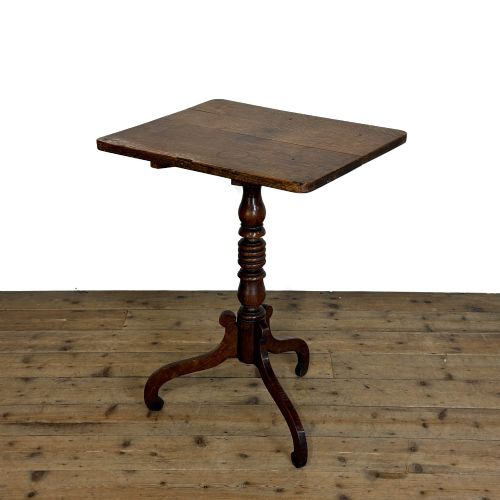
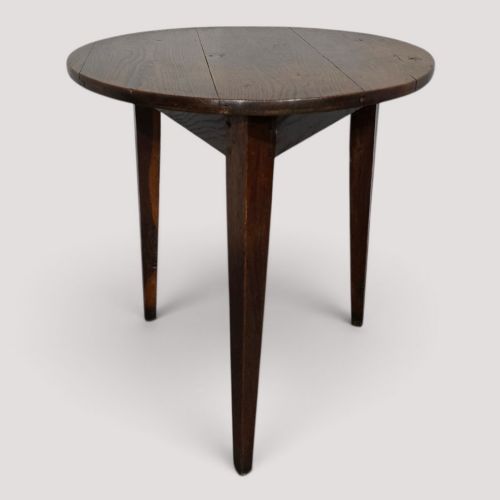
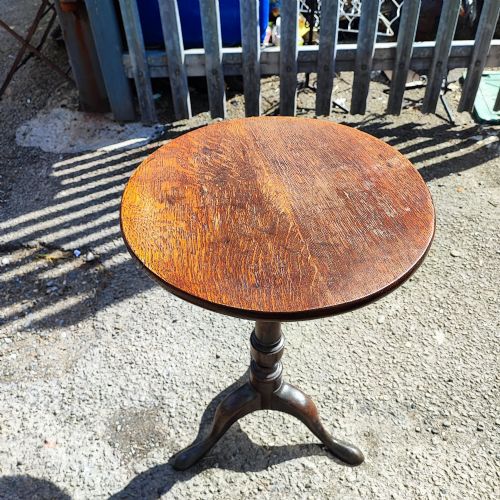
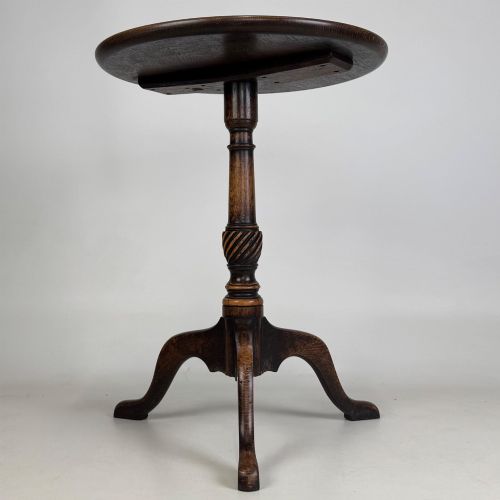
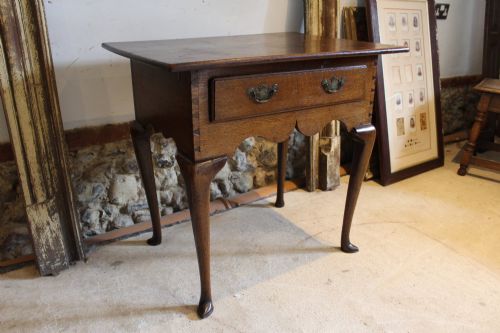
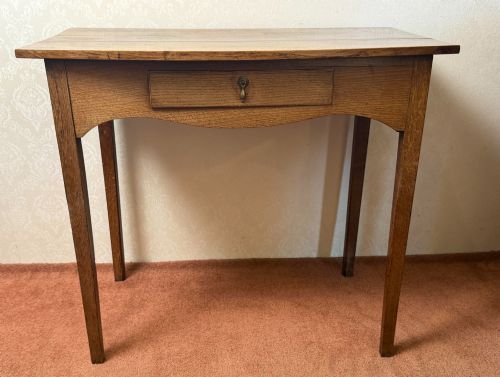
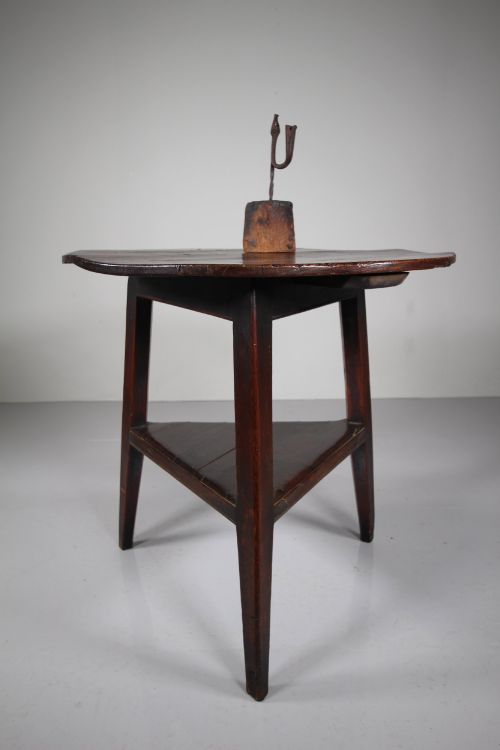
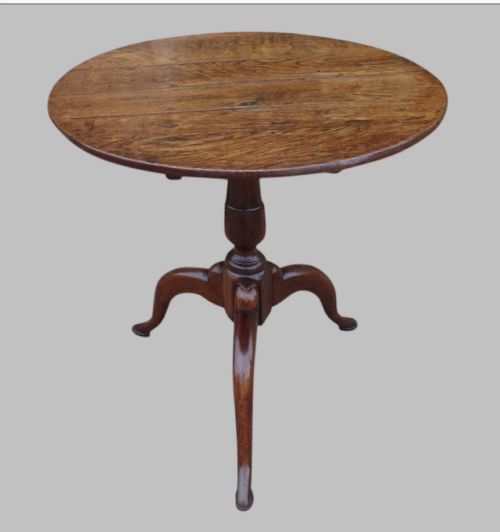
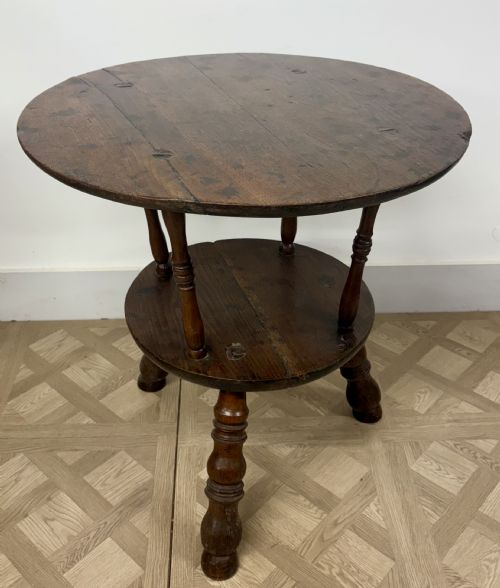
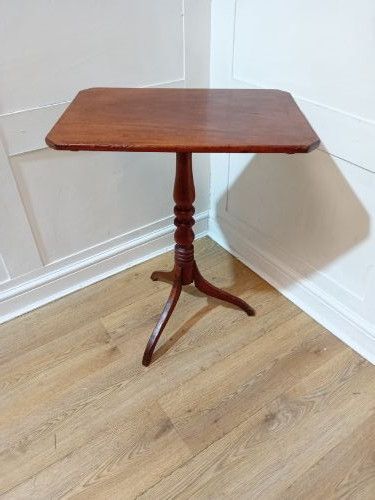
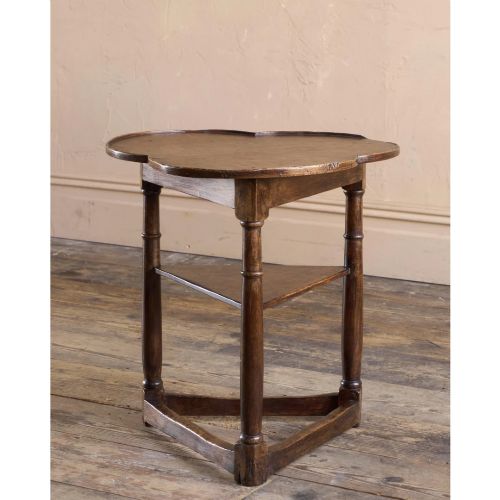
A georgian oak occasional table encompasses a varied group of domestic wooden furnishings spanning the eighteenth century and the early nineteenth century. Buyers encounter forms ranging from tripod wine tables and cricket tables to rectangular side tables, lowboys, and Pembroke tables.
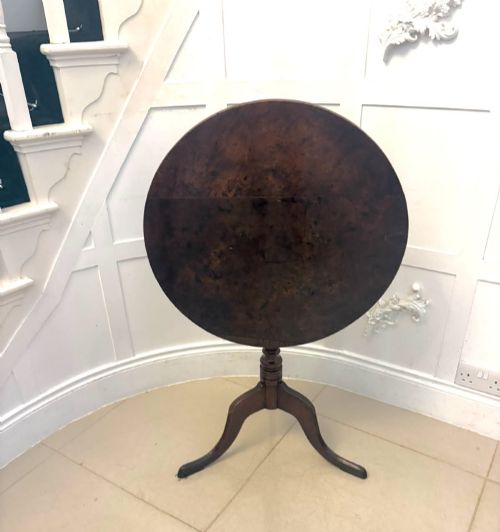
Many examples incorporate tilt tops or revolving mechanisms, reflecting provincial English country design. Others function as writing desks or hall tables equipped with one or two drawers beneath the timber top.
Materials and construction
Makers utilised solid oak supplemented by secondary woods such as elm, ash, and brass fittings. Carpenters shaped circular dish tops, square surfaces, and rectangular panels using traditional hand tools and joinery.
Tripod bases connect central pedestals to three outward-curving legs, while side tables rely on four vertical supports joined by stretchers. Carved details occasionally adorn specific legs and borders.
Retail Price Guide 2026
Typical UK retail prices for georgian oak occasional table, calculated from the Sellingantiques database of over a million retail prices indexed since 2003. This retail price guide relies exclusively on Sellingantiques data; no external sources or auction records are used, so the figures do not describe the wider market.
Some tilt top tables spent centuries pretending to be wall panels between tea times.
Distinctions in craftsmanship
Quality rests on the integrity of the timber selection and the precision of the underlying joinery. Tables featuring well-balanced tripod bases or tightly fitted drawer boxes demonstrate superior workshop execution.
The degree of wear on the oak surface and the retention of original brass hardware influence the character of each piece. Later nineteenth-century interpretations of eighteenth-century styles contrast with items produced during the primary period.
The Georgian Oak Occasional Table Glossary
- Lowboy
- A small side table or dressing table fitted with one or more drawers. These pieces typically stand on four slender legs.
- Tripod table
- A small freestanding table supported by a central pillar and three legs. Many examples feature mechanisms allowing the top to tilt vertically.
- Cricket table
- A small circular occasional table resting on three high legs. The design provides stability on uneven stone floors.
- Pembroke table
- A small rectangular table with hinged drop leaves on two opposing sides. This form offers adjustable surface area for versatile placement.
Frequently Asked Questions
How do I use an occasional table?
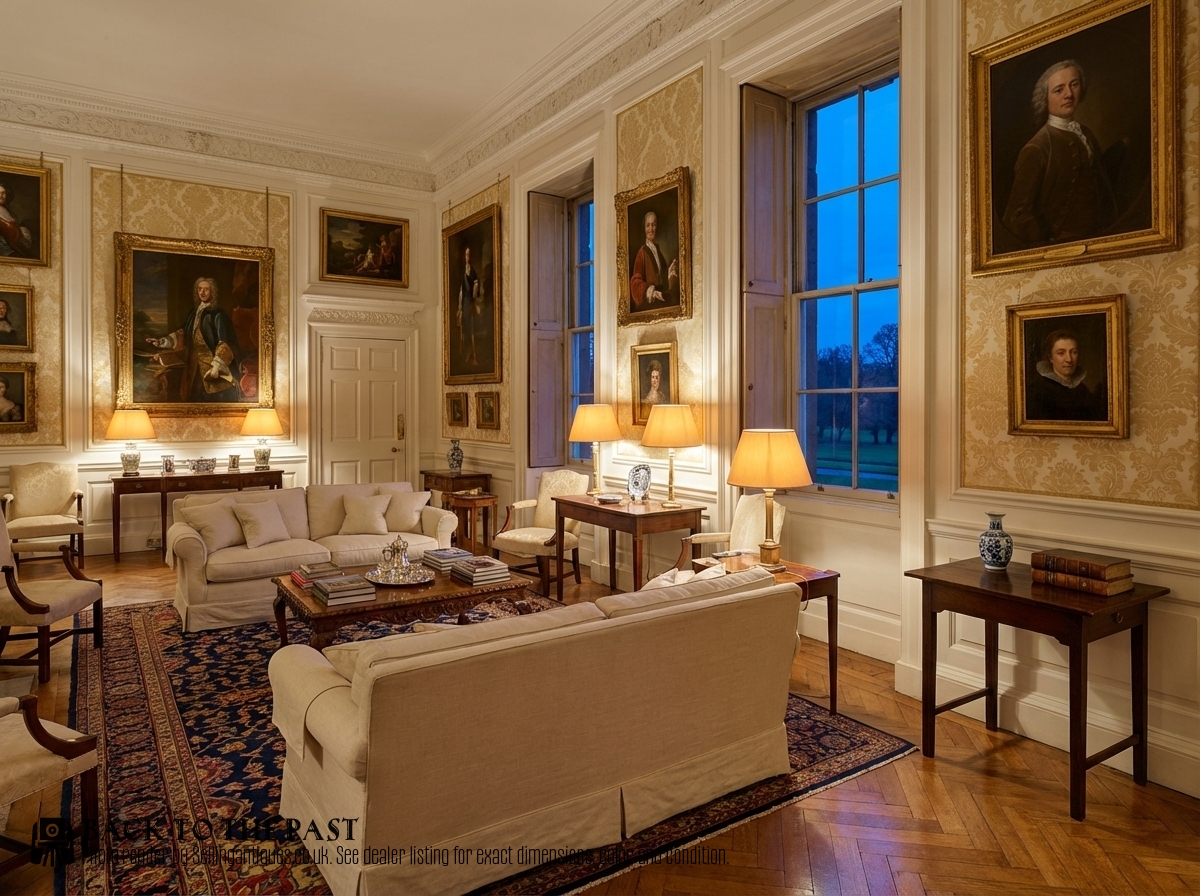
These compact pieces fit easily beside seating or against hallway walls for daily placement of lamps or drinks.
Tilt top versions stand flat against a wall when not in use to save floor space.
What is a lowboy used for?
A lowboy functions as a small writing desk or side storage surface with integrated drawers.
Historically placed in bedrooms or parlours, today they serve various roles in hallways and living spaces.
How do I date an oak table?
Dating relies on observing construction methods, wood patination, and hardware styles across the piece.
Eighteenth-century examples show hand-cut joints and timber ageing consistent with country workshops.
What is a cricket table?
A cricket table is a round occasional table supported by three legs and lower stretchers.
This sturdy provincial design prevents wobbling on irregular domestic floors.