



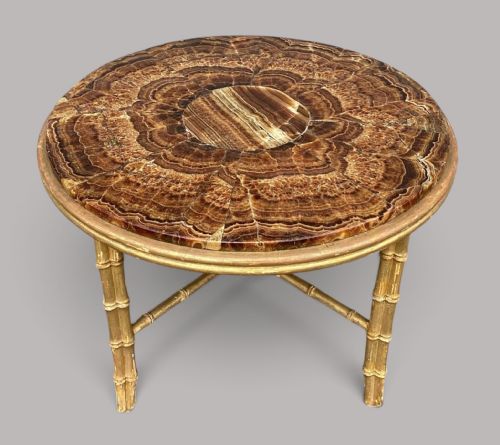
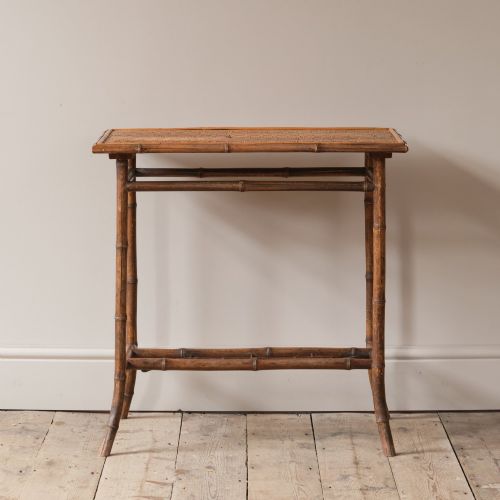
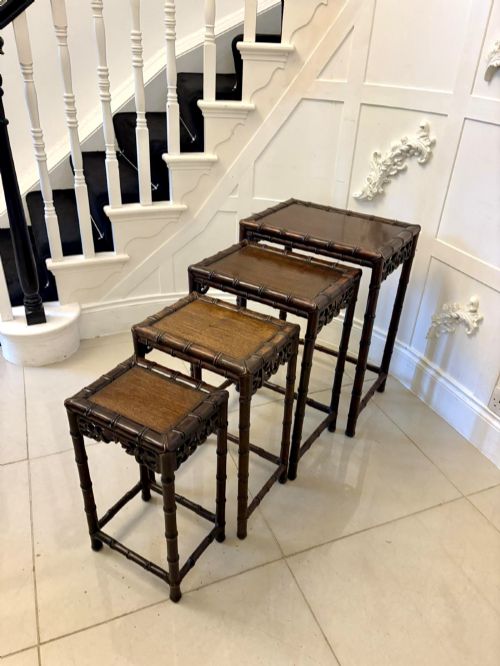
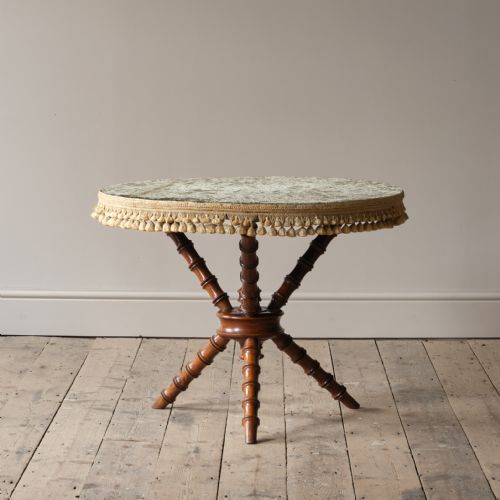
Bamboo Occasional Table
When you search for a bamboo occasional table, you enter a world of lightweight Victorian craftsmanship, export design, and exotic materials.
Bamboo Occasional Table
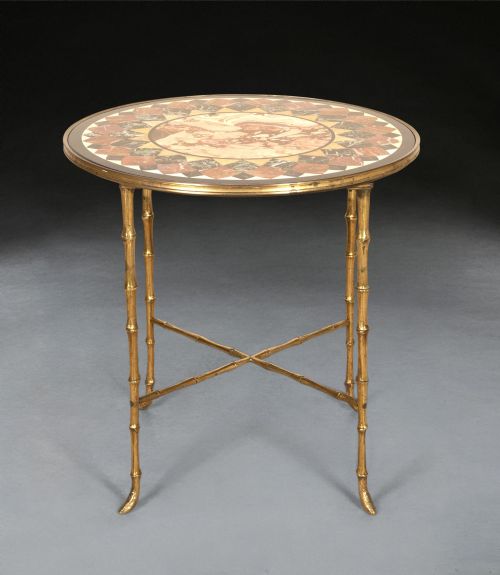
A bamboo occasional table is a lightweight, versatile piece of furniture typically utilised for display, serving, or as a convenient side surface in the home. Most examples encountered in collections date from the nineteenth century, particularly the Victorian and Aesthetic Movement eras, when British interest in Eastern design reached its height.
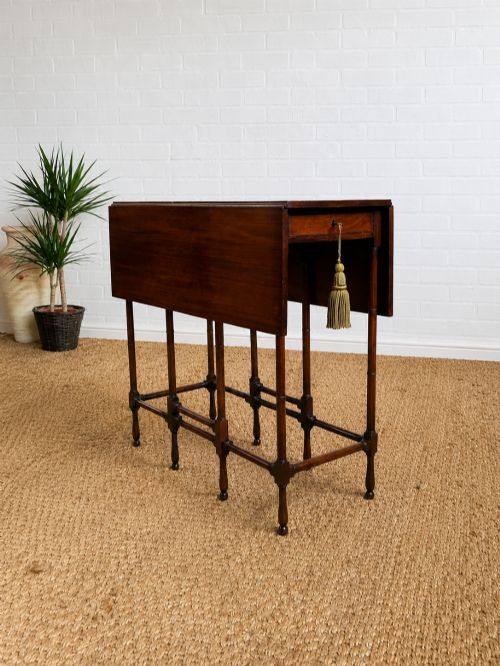
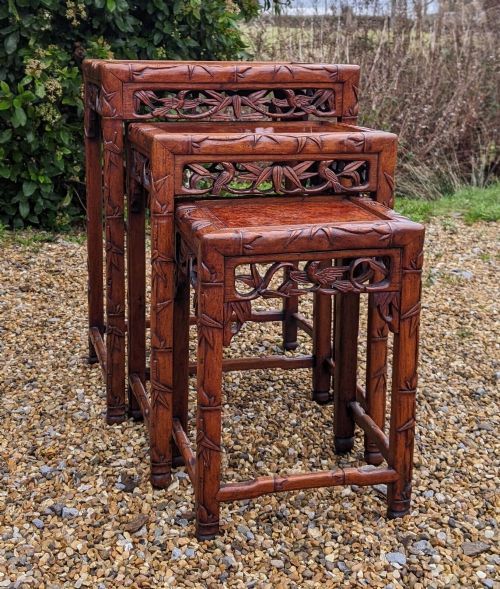
Forms vary widely from simple single-tier surfaces to multi-tiered stands, sewing tables, and nesting sets. Many incorporate lower shelves for books or magazines, while others utilise folding frames designed for easy storage or transport.
Materials and construction
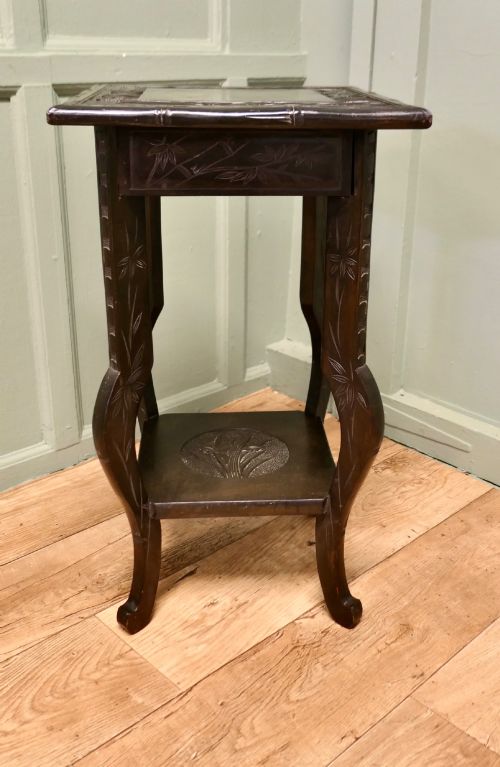
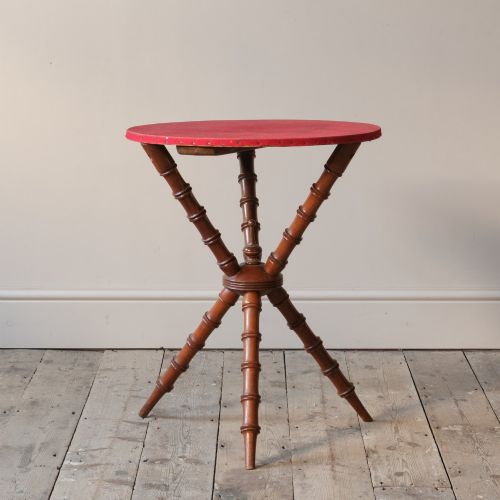
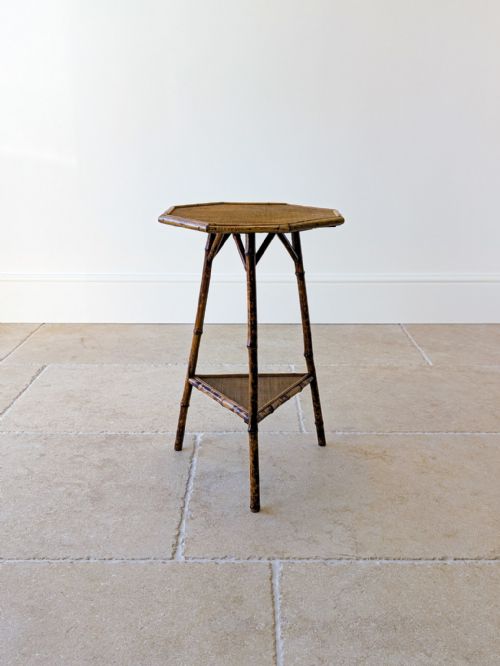
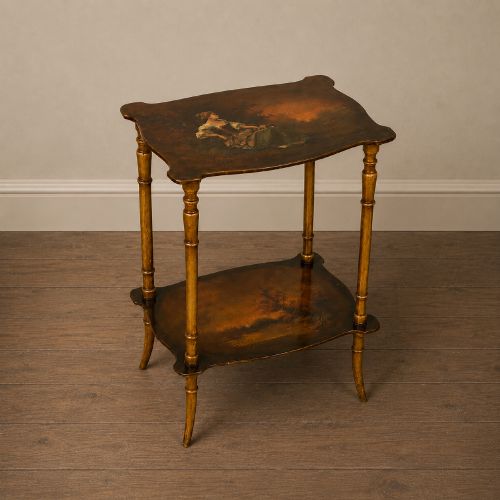
Makers constructed these pieces using natural bamboo, tiger bamboo, or simulated bamboo turned from hardwoods such as mahogany and beech. Surfaces frequently feature decorative lacquer, hand-painted panels, leather inserts, decoupage, or woven reed and rattan panels.
Structural stability relied on secure joints fitted to hollow or solid cane, often enhanced with brass or lacquer finishes. Simulated versions achieved the distinctive jointed look through precise woodturning and paintwork.
Bamboo Occasional Table Retail Price Guide 2026
Typical asking prices for bamboo occasional table among the pieces listed under this phrase on Sellingantiques today, from the lower quarter to the upper quarter. They describe what is for sale here now, not the wider market.
Several Victorian tables incorporate integrated chess boards or built-in magazine racks, ready for an afternoon of quiet recreation.
Assessing quality
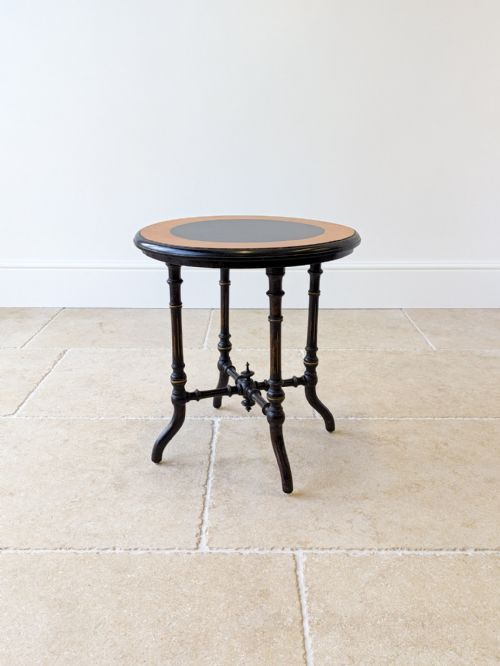
Quality in a bamboo occasional table rests on the rigidity of the frame, the preservation of the natural or lacquered surface, and the intricacy of any added decoration. Tables retaining original black lacquer, hand-painted panels, or specialised materials like tiger bamboo stand apart from plain utility pieces.
The precision of the joinery and the condition of woven panels or leather tops also distinguish finer workshops from mass production. Tables that maintain their original paint, gilding, or maker markings carry greater integrity.
Liberty & Co·John Taylor Edinburgh·Dryad Leicester
The Bamboo Occasional Table Glossary
- Aesthetic Movement
- A late nineteenth-century design style that emphasised decorative art, asymmetry, and Japanese or Chinese influences. Pieces from this movement often combine ebonised wood or bamboo with lacquered panels.
- Tiger bamboo
- A distinctive variety of bamboo featuring natural dark mottled markings resembling tiger stripes. It was highly prized by Victorian makers for its exotic appearance.
- Étagère
- A small open piece of furniture with multiple tiers for displaying ornaments or small objects. These often appear in side table and corner formats.
- Simulated bamboo
- Furniture made from traditional hardwoods such as mahogany or beech that has been turned and painted to mimic the jointed appearance of real bamboo cane.
- Quartetto
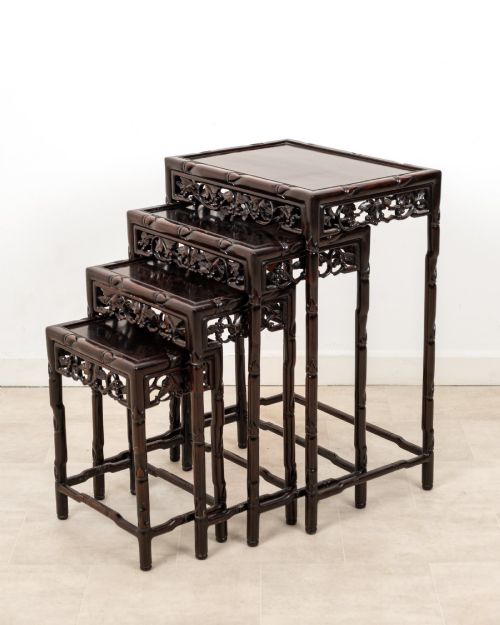
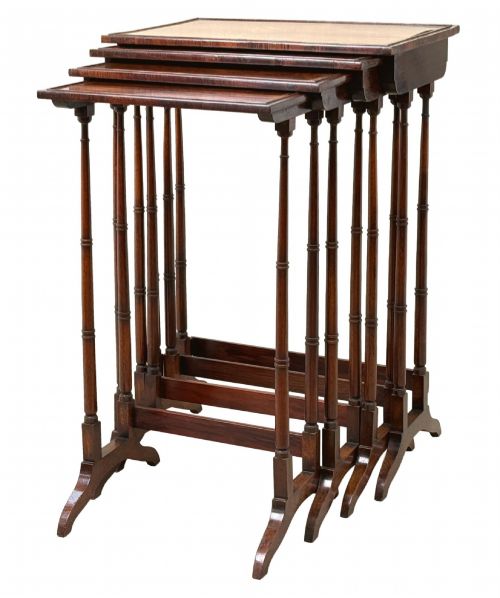
- A matched set of four graduated nesting tables designed to slide neatly beneath one another. Popularised during the Regency period, the form continued into later decades using exotic timbers and bamboo.
Bamboo Occasional Table: Frequently Asked Questions
What is a bamboo occasional table?
A bamboo occasional table is a small, movable piece of furniture designed for general use in sitting rooms, bedrooms, or hallways. They were especially popular during the Victorian period for holding lamps, books, or decorative objects.
These tables range from simple single-shelf stands to complex multi-tiered structures incorporating lacquer panels, leather inserts, or woven rattan surfaces.
How do I date a bamboo table?
Dating relies heavily on style, materials, and construction methods. Pieces showing strong Aesthetic Movement influences or original black lacquer typically point to the late nineteenth century.
Later Edwardian and early twentieth-century examples often display simpler construction or ties to specific retailers like Liberty & Co, whereas simulated bamboo turned from hardwood can span multiple decades.
Where were these tables made?
Many bamboo occasional tables were produced in British workshops influenced by Japanese and Chinese export aesthetics. Others were imported directly from East Asia, particularly China and Anglo-Indian colonies.
British makers adapted these foreign styles to suit Victorian homes, creating domestic versions alongside genuine imported furniture.
Are bamboo tables fragile?
Natural bamboo is surprisingly resilient, but hollow cane can split if exposed to extreme changes in temperature or humidity. Joints may loosen over decades of use if placed in overly dry environments.
Careful handling and regular dusting help preserve the structural integrity and the delicate lacquer or painted surfaces found on many examples.