
Antique Bamboo Stand
An antique bamboo stand brings lightweight utility and distinctive nineteenth-century design to any interior through versatile forms like occasional tables and hall stands.
Antique Bamboo Stand
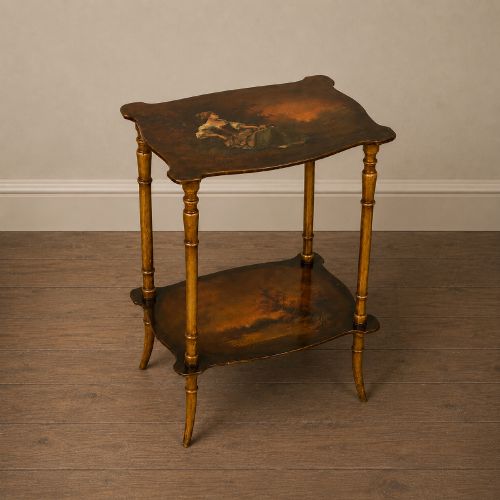
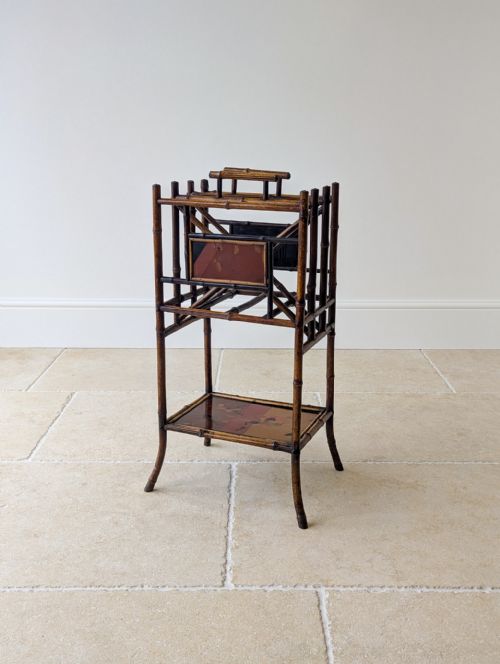
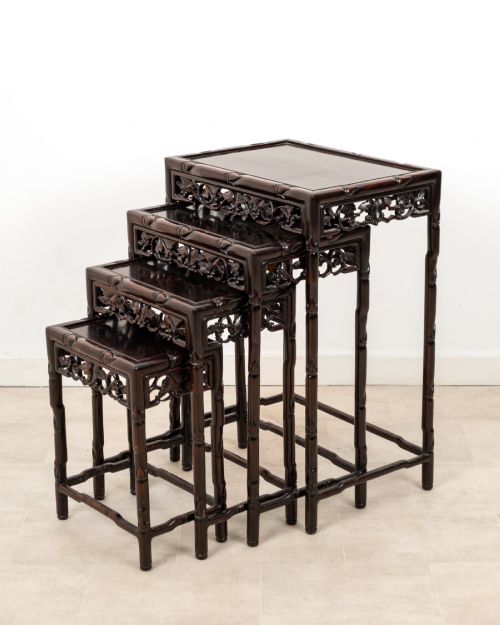
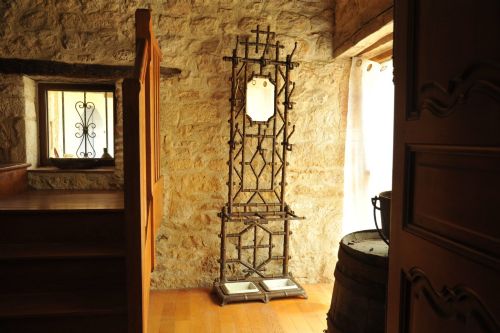
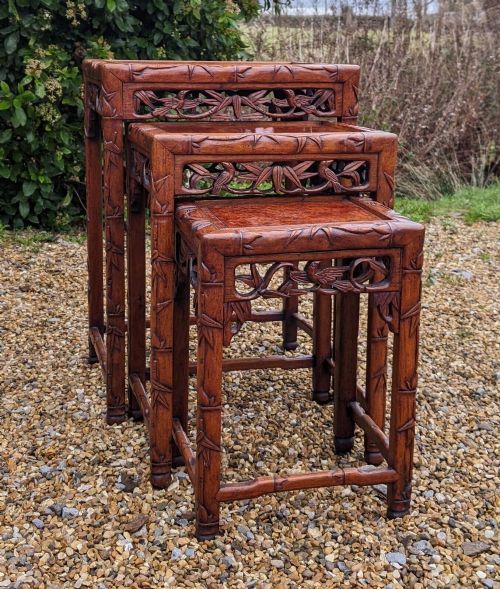
An antique bamboo stand encompasses a diverse array of nineteenth and early twentieth-century furnishings designed for practical domestic use, ranging from small occasional tables to substantial hall stands. Buyers searching for this phrase will most frequently encounter Victorian pieces associated with the Aesthetic Movement and Anglo-Japanese taste, alongside French and Chinese export variations.
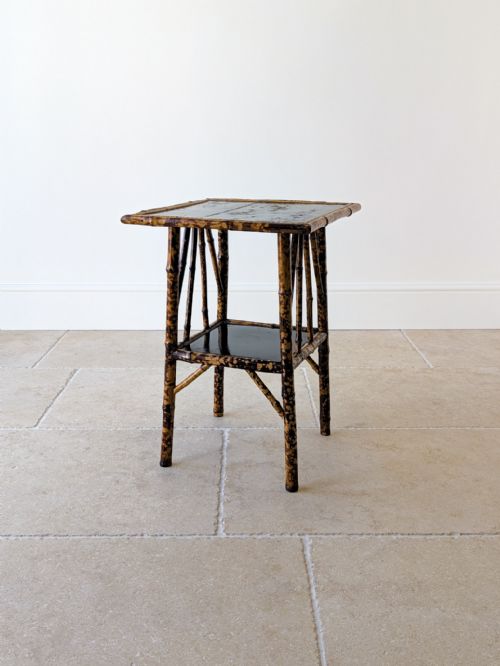
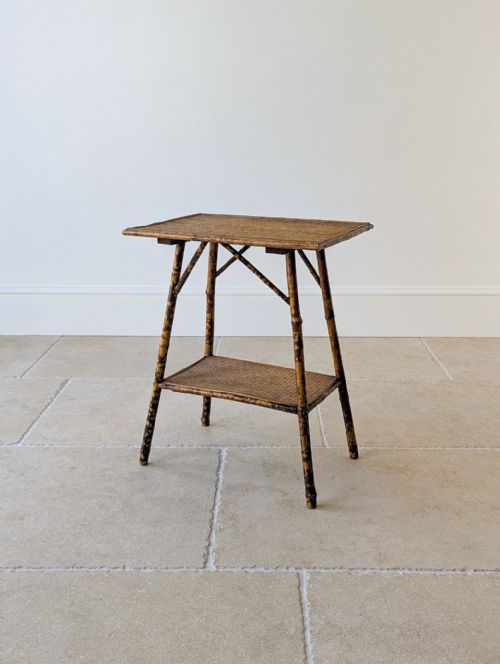
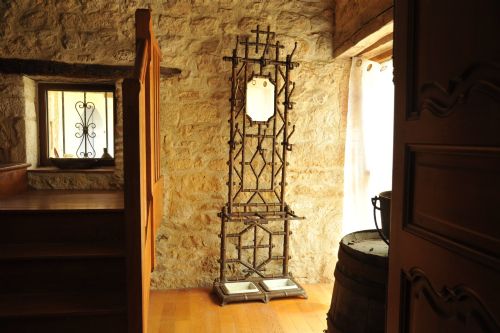
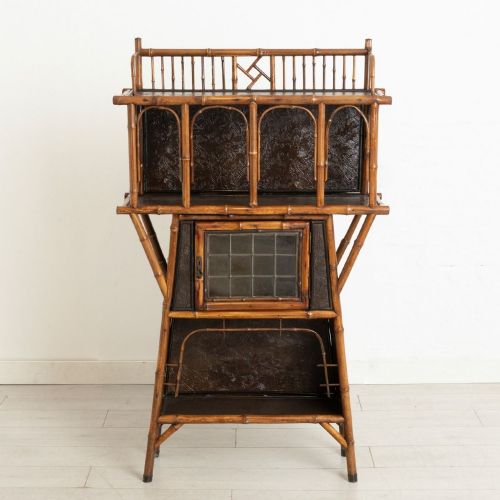
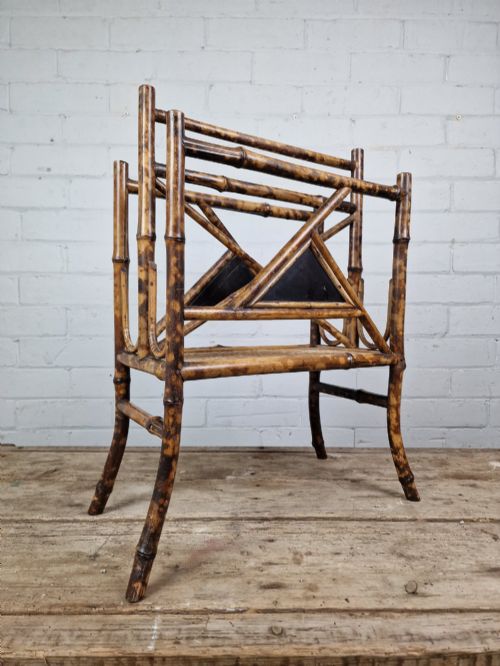
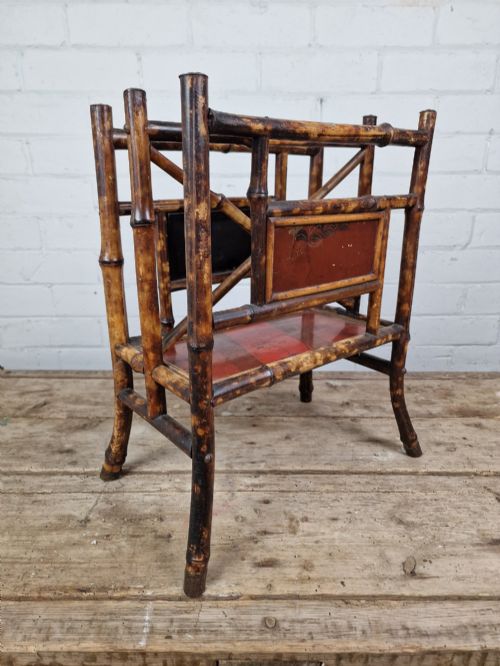
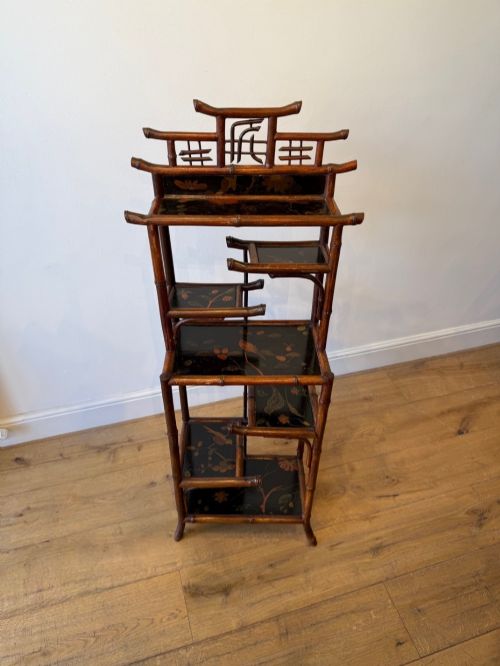
The material repertoire includes genuine natural bamboo, tiger bamboo, and hardwoods, frequently paired with lacquer panels, glass, leather, or woven reed. Forms extend beyond simple tables to include magazine racks, umbrella stands, folding tray tables, and multi-tiered étagères.
Originating largely from the Victorian and Edwardian eras, these stands reflect a period fascination with exoticism and functional interior design. Surviving examples demonstrate how makers adapted oriental influences into sturdy household furniture for British and European homes.
How they were made
Construction relies upon selecting pliable natural bamboo canes or carving hardwoods and metal into simulated faux bamboo profiles. Makers bent heated canes to shape frames, securing joints with pinned dowels, decorative wrapping, or brass brackets.
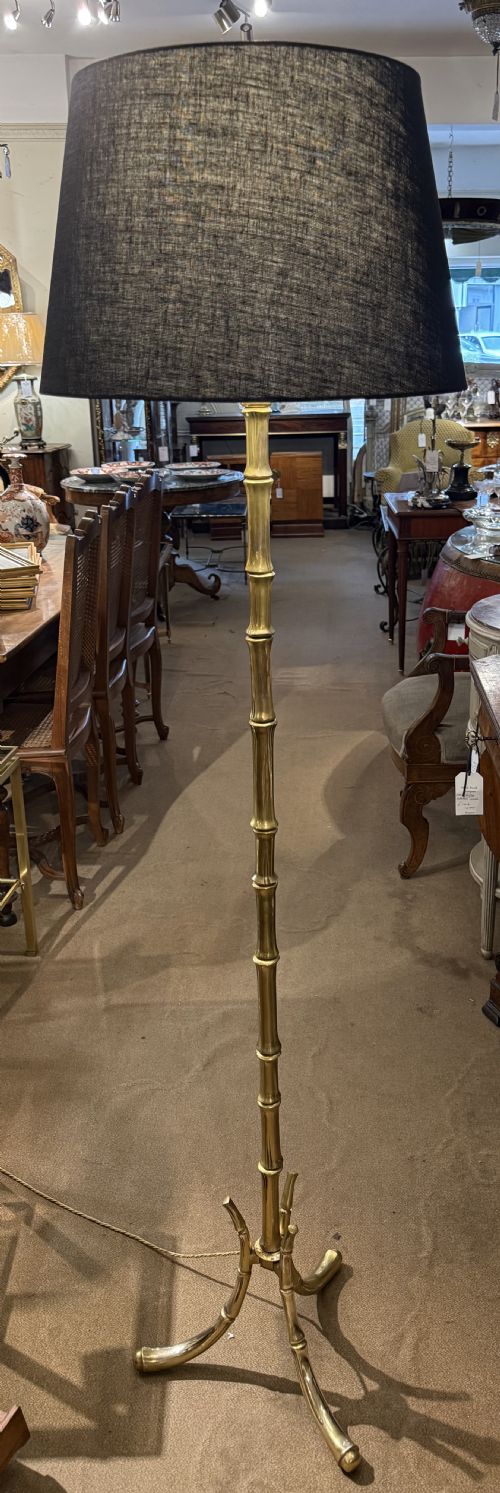
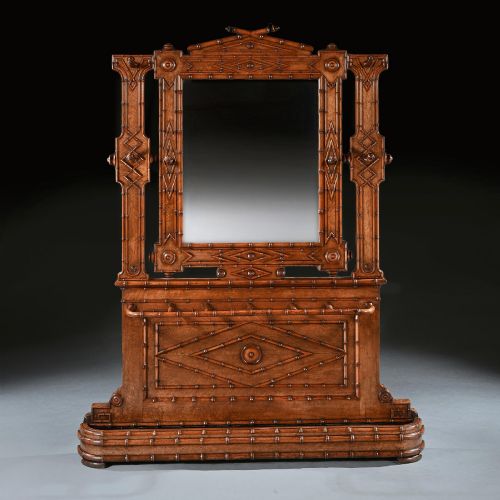
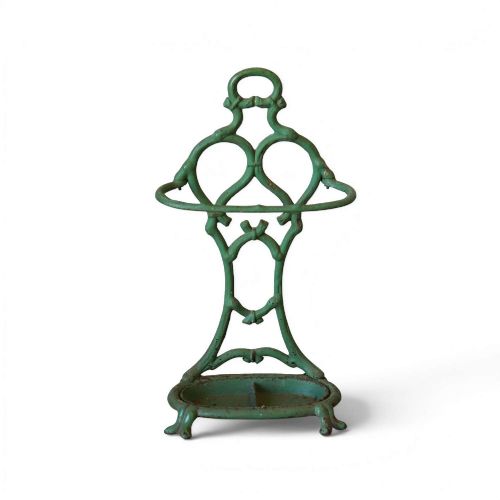
Surfaces frequently received decorative treatments such as hand-painted lacquer, japanning, gilding, or decoupage panels inserted into table tops and cabinet doors. Cast iron and painted pine alternatives utilised metal casting or skilled paint simulation to mimic the appearance of natural cane.
Secondary materials like birdseye maple, leather inserts, and marble tops added durability and contrast to structural bamboo frames. Joinery prioritised lightness and portability, resulting in clever folding mechanisms for occasional tables and tray stands.
A surprising number of nineteenth-century items disguise themselves as bamboo through cast iron and painted pine.
What varies in quality
Quality in these pieces is dictated by structural integrity, the tightness of cane joints, and the precision of applied decoration like lacquer or hand-painted Chinoiserie. Superior examples feature robust internal framing that prevents wobbling, whereas lesser pieces rely solely on surface adhesives and degrade under weight.
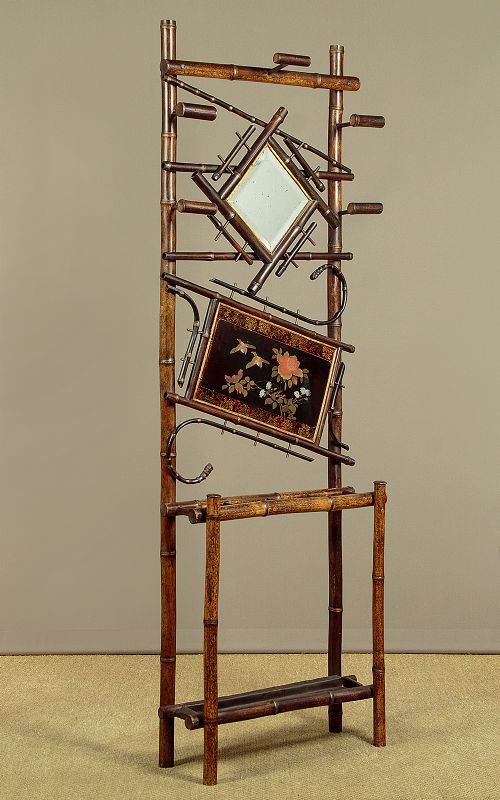
The distinction between standard commercial production and finer workshops appears in the complexity of secondary materials, such as integrated bevelled mirrors, original brass umbrella trays, or finely woven reed shelves. Pieces bearing attributed designs from prominent retailers display superior joinery and thoughtful proportions compared to anonymous utility items.
Liberty and Co·Maison Bagues
The Antique Bamboo Stand Glossary
- Aesthetic Movement
- A nineteenth-century design philosophy advocating art for art's sake and embracing Japanese artistic influences. This style heavily inspired the production of household bamboo furniture.
- Canterbury
- A low multi-partitioned rack originally designed for holding sheet music or books. In bamboo furniture, these frequently serve as magazine or newspaper stands.
- Étagère
- A piece of furniture consisting of a set of open shelves for displaying small objects or ornaments. These multi-tiered stands often utilise bamboo frames with lacquer or glass surfaces.
- Faux Bamboo
- Simulated bamboo carved from hardwoods, cast in iron, or painted onto pine. This technique allowed Victorian manufacturers to achieve an exotic aesthetic using domestic materials.
- Japonisme
- The study of Japanese art and aesthetics that profoundly influenced European decorative arts during the late nineteenth century. It is a defining characteristic of many surviving hall stands and occasional tables.
Antique Bamboo Stand: Frequently Asked Questions
What is an antique bamboo stand used for?
These versatile furnishings served specific domestic duties like holding umbrellas in hallways, displaying books in libraries, or supporting tea trays in drawing rooms.
Today, they adapt easily to modern interiors as compact side tables, plant stands, or hallway storage for everyday accessories.
How do I care for bamboo furniture?
Maintain the material by dusting regularly with a soft, dry cloth and avoiding excessive moisture or direct sunlight that can dry out the natural cane.
Treat painted or lacquered surfaces gently, using mild cleaning products without harsh chemicals to preserve the historic finish.
How can I tell the period of a bamboo stand?
Dating relies on examining construction methods, hardware types, and stylistic cues such as Victorian Aesthetic Movement motifs or Edwardian proportions.
Records show production concentrated heavily between the late nineteenth century and the early twentieth century, aligning with shifts in global trade and design taste.
Are bamboo stands sturdy enough for daily use?
Quality nineteenth-century pieces were engineered for practical household utility and remain surprisingly resilient when handled with reasonable care.
Checking the rigidity of joints and the condition of lower bracing helps ensure a piece will comfortably support everyday items like books or lamps.