



Bamboo Tea Table
A bamboo tea table brings lightweight versatility and exotic charm to a room, offering a distinct alternative to standard timber furniture.
Bamboo Tea Table
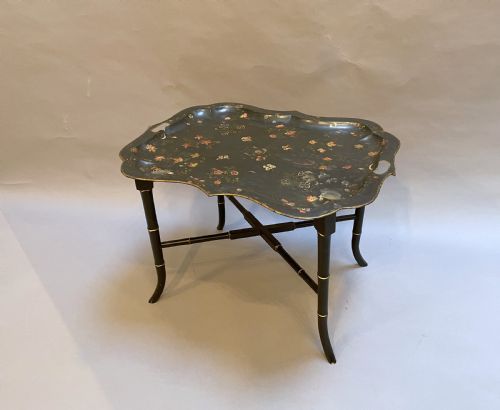
A bamboo tea table encompasses various occasional, side, and tray forms dating from the nineteenth and early twentieth centuries. These pieces reflect diverse aesthetics, ranging from British Victorian interpretations to Chinese Qing Dynasty and Anglo-Indian designs.
Buyers encounter styles influenced by the Aesthetic Movement and Chinoiserie alongside standard Edwardian and Victorian production. Such tables function effectively as small coffee tables, lamp stands, or decorative accents in modern interiors.
What varies in quality
Quality rests upon the structural integrity of the joints and the crispness of any applied decoration. Tables with solid hardwood frames or properly secured bamboo poles demonstrate superior durability compared to lighter decorative items.
The fineness of hand-painted lacquer, intricate decoupage, and preserved surface finishes distinguish high-end export pieces and distinct aesthetic movement examples from standard domestic utility furniture.
Some Victorian households utilised papier-mâché trays originally intended for serving dinner to guests as permanent living room furniture.
The Bamboo Tea Table Glossary
- Chinoiserie
- European artistic style reflecting Chinese motifs and decorative techniques, popular in furniture and lacquerwork. It manifests on papier-mâché trays and occasional tables through painted landscapes and figures.
- Japanning
- European imitation of Japanese and Chinese lacquering techniques utilising heat-dried varnishes. This finish produces a glossy black or coloured surface often adorned with gilt decoration.
- Papier-mâché
- Composite material made from paper pulp or sheets mixed with glue and pressed into moulds. It forms sturdy, lightweight trays designed to sit on folding stands.
- Aesthetic Movement
- Late nineteenth-century design ethos prioritising visual beauty over narrative content, drawing heavily on Japanese art. Pieces in this style frequently combine ebonised bamboo with woven reed.
Bamboo Tea Table: Frequently Asked Questions
Are these tables sturdy enough for daily use?
Most variants serve well for holding drinks, books, or lamps, though lightweight bamboo and papier-mâché examples require sensible handling.
Heavier hardwood and solid mahogany iterations handle regular placement better than delicate export tray tables.
How do I care for a lacquered surface?
Dust surfaces gently with a soft, dry cloth and keep pieces away from direct sunlight and excessive moisture.
Avoid chemical polishes that can degrade historical lacquer and painted finishes over time.
How do I identify an Aesthetic Movement piece?
Look for ebonised frames combined with natural bamboo, woven reed inserts, and minimalist geometric influences.
These designs often reflect late nineteenth-century imports and British interpretations of Japanese decorative arts.