


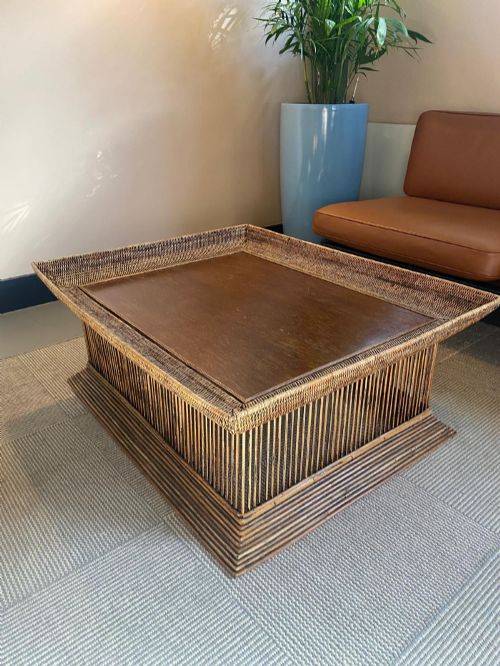

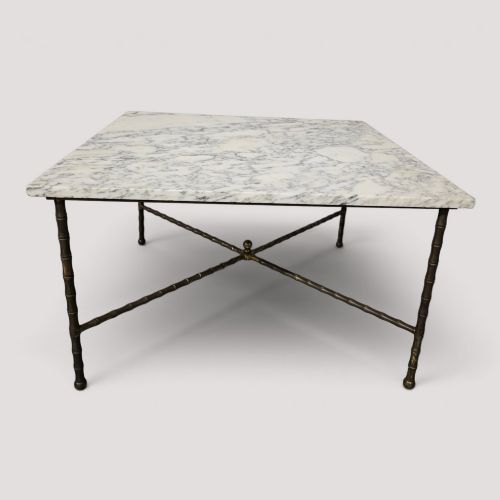
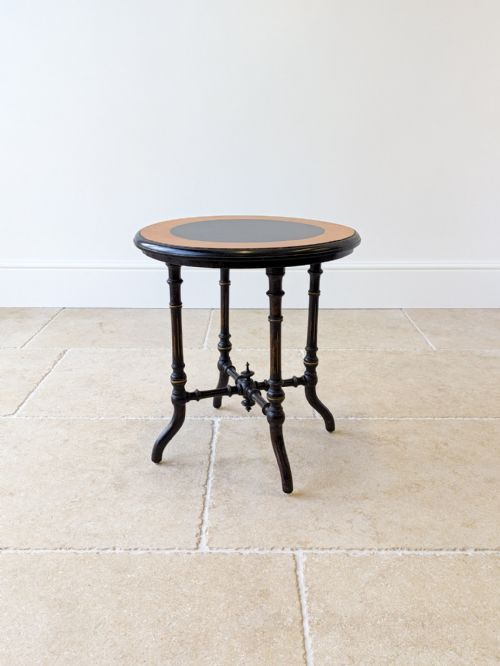

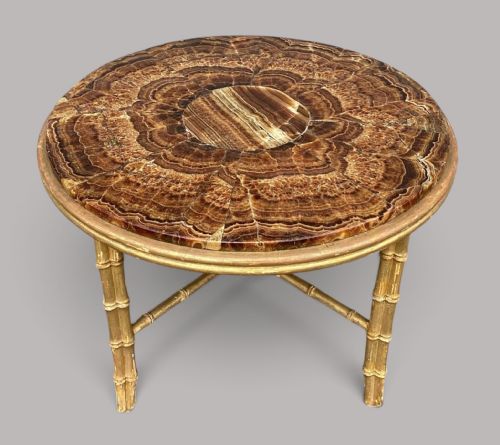
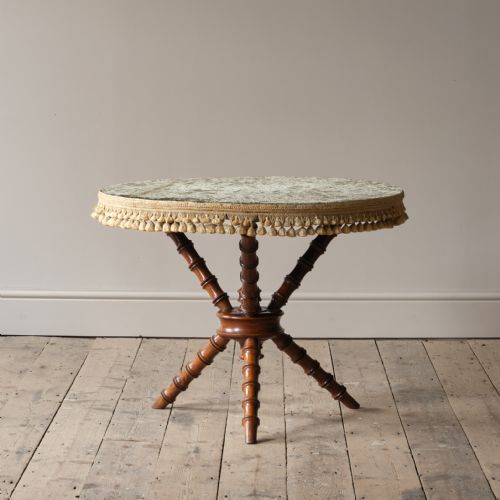
Antique Bamboo Table
When you search for an antique bamboo table, you find pieces built from natural canes or turned hardwoods that bring lightness and texture into a room.
Antique Bamboo Table
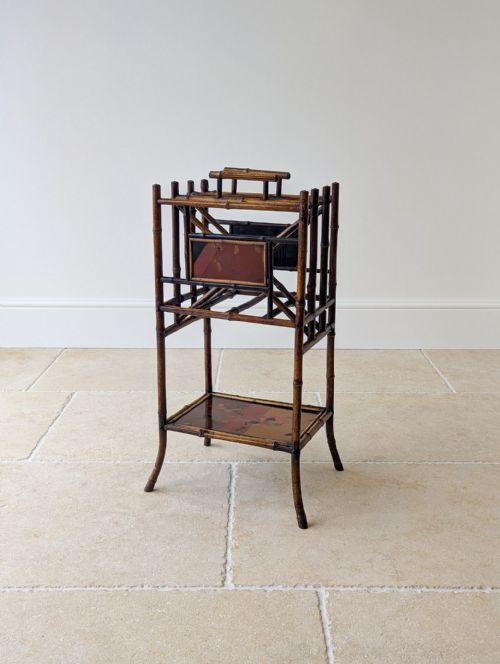
When you search for an antique bamboo table, you encounter pieces designed primarily during the Victorian and Edwardian eras, spanning the late nineteenth century and the early twentieth century. The most common forms on this page are occasional tables, side tables, and multi-tiered stands intended for display and light daily use.
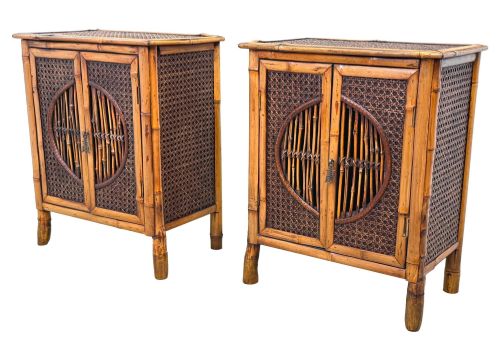
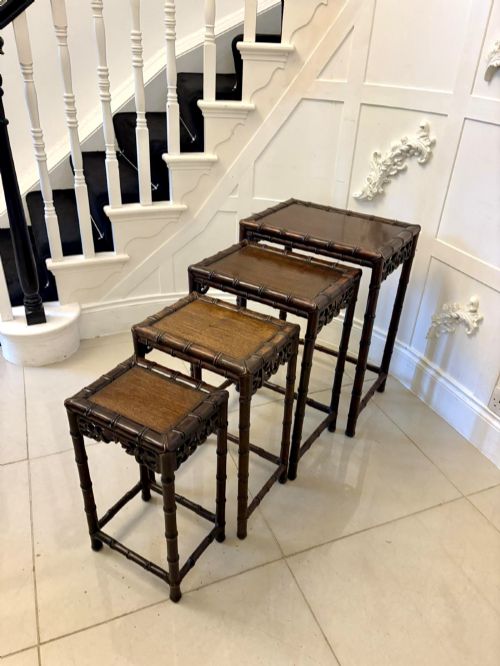
Makers of the period also produced nested sets, bedside cabinets, and dressing tables utilising natural bamboo canes or simulated wooden alternatives. These furniture items reflect the nineteenth-century fascination with Aesthetic Movement design, Chinoiserie, and Anglo-Japanese interiors.
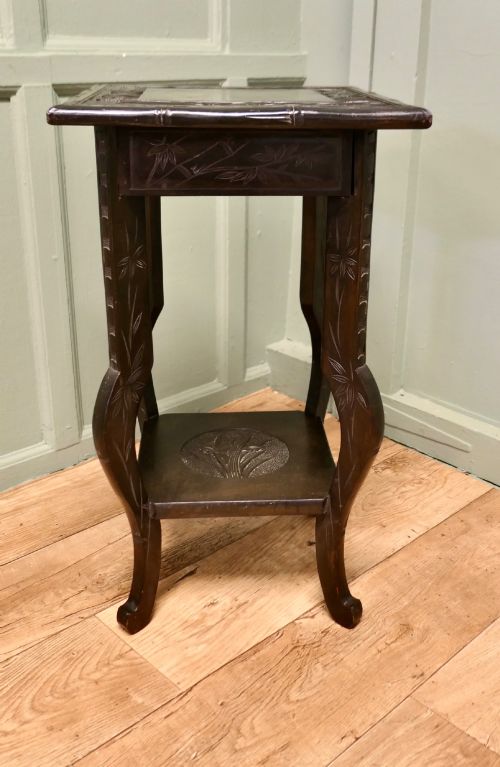
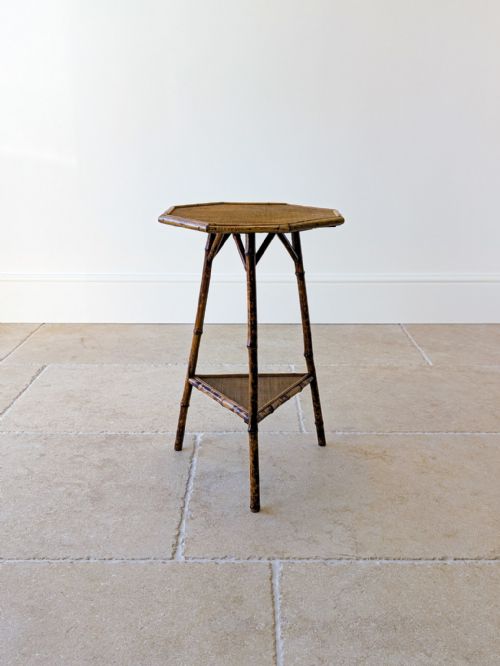
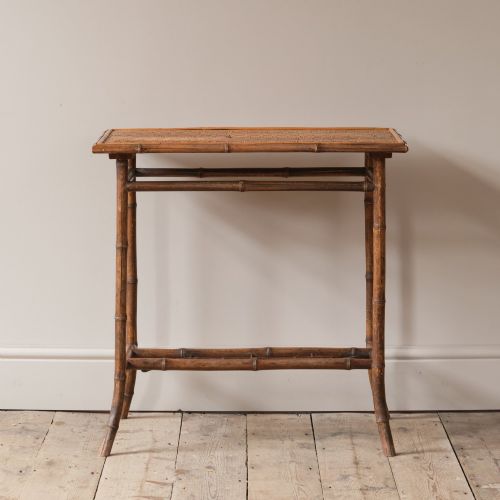
The architectural structure of an antique bamboo table relies on hollow natural stems joined with pinned wooden dowels or wrapped bindings, frequently paired with lacquer panels, leather inserts, or tiled surfaces. Such pieces were built to serve as portable, decorative furniture rather than heavy structural items.
How they were made
Natural bamboo stems were harvested, seasoned, and bent over heat to form the structural legs and framing of the furniture. Artisans secured these joints using hidden internal dowels and strong pins, often wrapping the nodes with split rattan or cord for added stability.
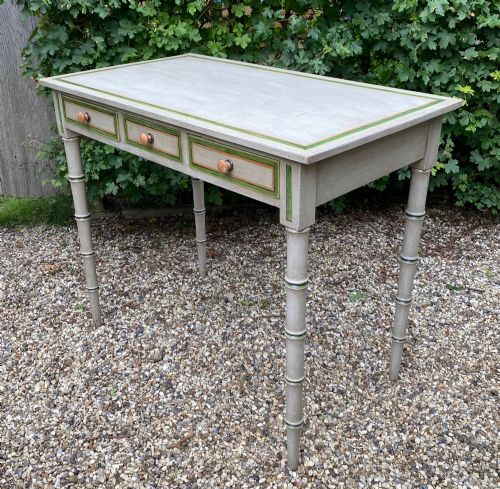
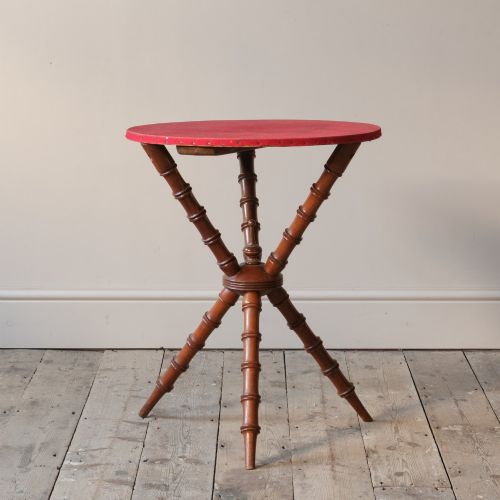
Where solid hardwoods like mahogany, pine, or satinwood were utilised instead of natural cane, turners shaped the timber on a lathe to mimic the characteristic swollen rings and segmented texture of real bamboo. These simulated surfaces were then painted, ebonised, or lacquered to match the desired Aesthetic or Chinoiserie appearance.
Surfaces frequently incorporated decorative panels of Japanese lacquer, painted leather, or marbled paper beneath protective glass or varnish. In some instances, specialised craftsmen applied hand-painted floral motifs or gilding directly onto the bamboo framework or accompanying trays.
Antique Bamboo Table Retail Price Guide 2026
Typical asking prices for bamboo table among the pieces listed under this phrase on Sellingantiques today, from the lower quarter to the upper quarter. They describe what is for sale here now, not the wider market.
Several Victorian tables double as dinner gongs, ready to summon tea with a polite clang.
What varies in quality
Construction rigidity separates basic items from superior examples, as natural bamboo tends to dry out and loosen at the joints over decades. Well-made tables retain tight bracing between the tiers and show minimal wobble under light pressure.
The integrity of surface decoration marks another distinction across the range, with original hand-applied lacquer and intact painted panels holding greater visual depth than later restorations or plain surfaces. The quality of secondary materials, such as genuine marble tops or heavy brass fittings, also elevates the construction standard.
Liberty & Co.·John Taylor Edinburgh
The Antique Bamboo Table Glossary
- Faux bamboo
- Timber that has been turned on a lathe to imitate the segmented appearance of natural bamboo canes. This simulated material was frequently painted or ebonised.
- Aesthetic Movement
- A late nineteenth-century design style emphasising visual beauty over narrative content, drawing heavy inspiration from Japanese art and natural forms.
- Étagère
- A set of open shelves or tiers supported on slender columns, designed for displaying ornaments and small decorative objects.
- Quartetto
- A matched set of four graduated occasional tables designed to slide neatly underneath one another when not in use.
- Chinoiserie
- European artistic style reflecting Chinese motifs and decorative techniques, popular on lacquered furniture surfaces and trays.
Antique Bamboo Table: Frequently Asked Questions
Are antique bamboo tables fragile?
These tables were built for light domestic use rather than heavy weight, relying on hollow natural stems and pinned joints. While durable enough for holding books, lamps, or tea sets, they require careful handling and stable indoor humidity to prevent the cane from drying out.
Placing them away from direct heat sources helps preserve the original bindings and lacquer work across the frame.
How do I clean bamboo furniture?
Dusting with a dry, soft cloth keeps the surface clean without driving moisture into the natural joints or paper panels. Avoid using harsh chemical polishes or soaking the cane in water.
A slightly damp cloth followed immediately by a dry one is sufficient for removing marks from lacquered or wooden surfaces.
What is tiger bamboo?
Tiger bamboo refers to canes featuring natural mottled or speckled dark markings along the surface stems. This distinct pattern occurred naturally in certain species and was prized for its decorative appearance.
Tables built from these marked canes have a more varied texture than uniform yellow bamboo.
Where were these tables used?
Victorian and Edwardian households placed these versatile pieces in drawing rooms, parlours, and bedrooms as plant stands, side tables, or bedside cabinets. Their lightweight construction made them easy to move around the home for entertaining or daily tasks.
Multi-tiered versions provided extra display space for ornaments without occupying a large floor area.