





Country Elm Coffee Table
A country elm coffee table brings warmth and grain to a room through centuries of practical timber.
Country Elm Coffee Table
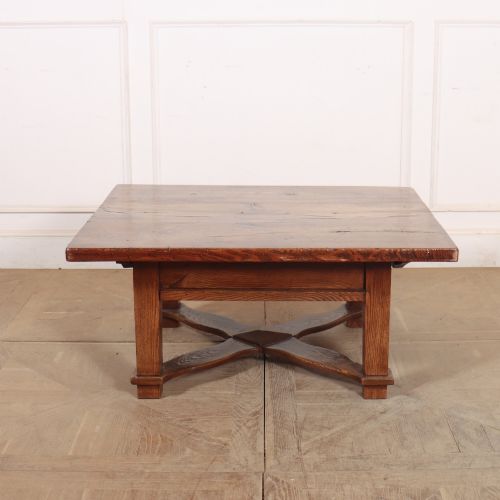
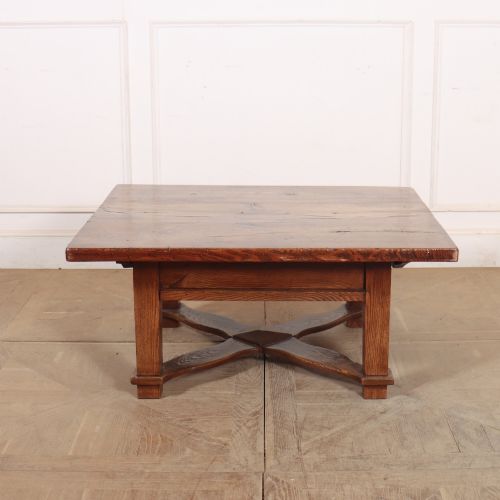
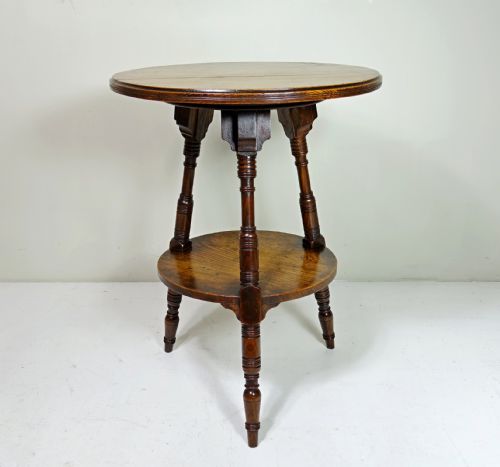
A country elm coffee table gathers low tables and converted forms created across the eighteenth and nineteenth centuries. These pieces originate from English, French, Austrian, and Chinese workshops, shifting from utilitarian domestic objects into low living room tables.
The most common examples on this page are nineteenth century pieces, alongside eighteenth century Austrian tables and low country tables adapted for modern use. Forms range from dedicated low tables to repurposed benches, dough bins, and trunks.
Regional variations span the rustic farmhouse aesthetic of Europe to the distinct profile of Qing Dynasty Chinese elm side tables. Each piece displays the honest wear and character of its working past.
Materials and construction methods
Construction relies primarily on solid elm, often paired with sycamore or ash, and strengthened with wrought iron hardware such as hasps and carrying hoops. Timber selection prioritises durability and distinct grain patterns rather than decorative veneer.
Joining techniques reflect the traditional country workshop, using pegged joints, trestle supports, and sturdy legs built to withstand heavy daily use. Surfaces often show the scrubbed finish of hard-scrabble domestic labour.
Country Elm Coffee Table Retail Price Guide 2026
Typical asking prices for country elm coffee table among the pieces listed under this phrase on Sellingantiques today, from the lower quarter to the upper quarter. They describe what is for sale here now, not the wider market.
Listings feature items spanning the eighteenth and nineteenth centuries, constructed from elm, sycamore, and wrought iron.
Judging quality in country elm
Quality rests in the integrity of the timber, the honesty of the construction, and the depth of the natural surface patina. Tables with untouched original scrubbed finishes or deep, warm colour command greater interest than heavily restored examples.
Proportion and structural balance separate simpler utilitarian items from finer regional pieces. Well-balanced trestles and subtle variations in grain movement elevate a humble form.
The Country Elm Coffee Table Glossary
- Elm
- A hard, tough timber known for its interlocking grain and resistance to splitting, making it the principal material for traditional country furniture. Its characteristic twisting grain gives these tables distinct visual movement.
- Scrubbed
- A finish achieved through repeated vigorous cleaning with water and sand, leaving the bare timber pale and smooth. This treatment is typical of hard-working kitchen and dairy tables.
- Trestle table
- A table consisting of two or more supports carrying a horizontal beam or direct top. This form provides sturdy stability without obstructing leg room.
- Dough bin
- A utilitarian wooden container with a lid, historically used for kneading bread, which is sometimes adapted into a low table. These pieces retain the functional depth of their agricultural origins.
Country Elm Coffee Table: Frequently Asked Questions
What is a country elm coffee table?
These pieces are low tables made from solid elm, often originating from nineteenth and eighteenth century European or Chinese domestic settings. They encompass both purpose-built low tables and repurposed forms like benches and dough bins.
They bring tactile grain and historical character to modern living spaces, serving as sturdy and functional centrepieces.
How do I date an elm table?
Dating relies on examining construction marks, timber weathering, and joinery methods typical of the eighteenth and nineteenth centuries. Regional styles and ironwork details also help place a piece within its proper era.
Changes in surface colour and tool marks offer further clues to a table's age and working background.
Are these tables suitable for daily use?
Elm is a remarkably tough and resilient wood that easily withstands the demands of daily living room use. Its natural resistance to splitting makes it an enduring surface for holding books, drinks, and daily items.
Routine care requires little more than dusting and occasional gentle cleaning to preserve the natural timber.
Where do these tables originate?
The pieces come from diverse rural traditions across England, France, Austria, and China. Each region utilises local woodworking practises suited to the properties of elm.
European examples often reflect farmhouse or provincial styles, while Asian pieces display the clean lines of Qing Dynasty furniture.