



Miniature Wooden Armchair
A miniature wooden armchair offers a delightful window into full-scale domestic history through small-scale craftsmanship.
What these pieces are
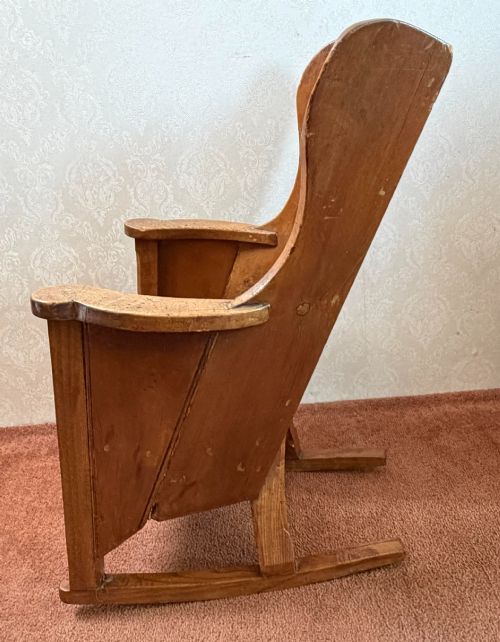
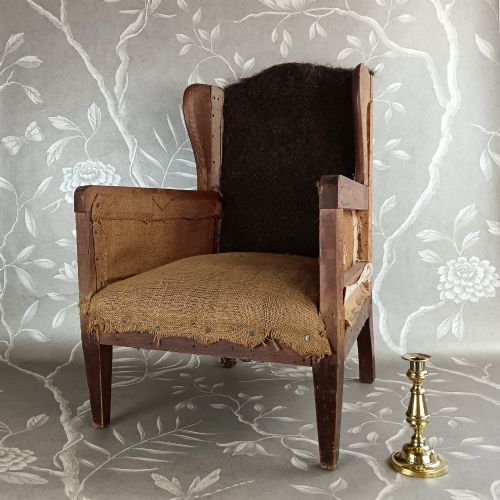
A miniature wooden armchair represents the smaller seating forms produced across several centuries, ranging from the George III and Regency eras into the Victorian period and the nineteen-twenties. These pieces serve as child's chairs, childs arm chairs, and miniature furniture designed for domestic settings or master furniture makers' scale models.
The versions most commonly met on this page span the Georgian, Regency, and Victorian eras, taking the form of stick back Windsor chairs, solid wood rocking chairs, and ash and elm child's chairs. They combine traditional vernacular forms with the stylistic aspirations of their larger counterparts.
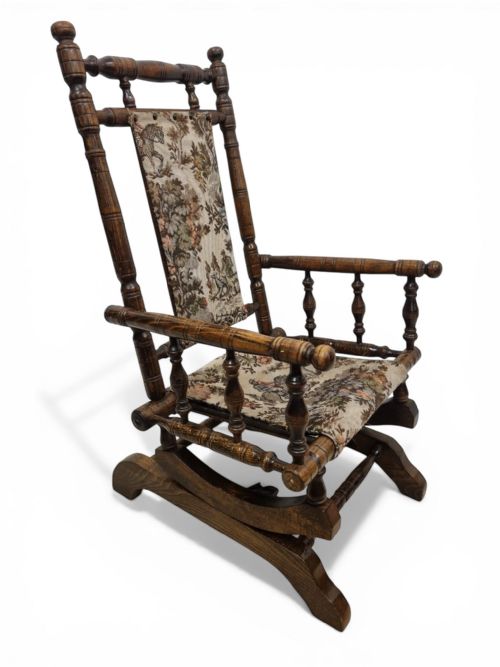
Makers shaped these miniature wooden armchair examples using native timbers, sometimes incorporating tapestry fabric or cane to mirror full-size upholstery trends of the nineteenth century and earlier.
How they were made
Craftsmen utilised regional timbers such as elm, ash, mahogany, fruitwood, and yew, turning spindles and bending wood to create sturdy stick back frameworks and Windsor constructions. These materials reflect the local availability of wood in workshops producing vernacular seating.
Upholstered variants incorporate tapestry fabric and cane work, fixed to solid wood frames to provide comfort and decorative appeal in smaller domestic seating.
Retail Price Guide 2026
Typical UK retail prices for miniature wooden armchair, calculated from the Sellingantiques database of over a million retail prices indexed since 2003. This retail price guide relies exclusively on Sellingantiques data; no external sources or auction records are used, so the figures do not describe the wider market.
These tiny seats let you ponder whether a Georgian toddler ruled the household or if a very bored apprentice simply practiced on a rainy Tuesday.
What varies in quality
Quality rests in the fidelity of the timber selection and the competence of the joinery, distinguishing straightforward utilitarian workshop pieces from refined vernacular expressions. The choice between humble fruitwood and richly figured mahogany or yew sets the tier of ambition.
Proportion and the handling of turned elements dictate visual success, separating pieces where miniature scale feels balanced from those where forms appear clumsy or disproportionate.
The Miniature Wooden Armchair Glossary
- Windsor chair
- A chair built with a solid wooden seat into which the legs and back spindles are directly inserted. This construction method defines many robust vernacular seating forms.
- Stick back
- A chair back constructed from plain turned spindles rather than elaborate splats. This style is typical of traditional country workshop production.
- Fruitwood
- A generic term for timber sourced from fruit-bearing trees such as pear, apple, or cherry. Cabinet makers valued these woods for their dense grain and warm tone.
- Cane
- Woven rattan or split reed material used for seats and back panels. It provides a lightweight and breathable surface for seating.
Frequently Asked Questions
Were these made for children?
Many examples served as genuine seating for young children in domestic households, constructed with the same sturdy joinery as full-size furniture.
Other pieces functioned as apprentice showpieces or scale models for cabinet makers to demonstrate their competence to prospective clients.
How do I date a miniature wooden armchair?
Dating relies on identifying timber choices, turning styles, and structural characteristics that align with known historical periods.
For instance, stick back Windsor forms with yew and elm point towards the Georgian era, while later Victorian and nineteen-twenties pieces utilise different upholstery and manufacturing techniques.
Where should I place one at home?
These compact seats fit easily onto side tables, bookshelves, or dedicated collector's cabinets where their scale can be appreciated.
Keep them away from direct heat sources and strong sunlight to protect the aged timber and any historic fabric elements.
What woods were commonly used?
Workshops drew on readily available native timbers, frequently combining woods such as ash for structural frames and elm for solid seats.
More ambitious pieces turned to mahogany or yew to achieve a finer finish and richer colouration.