
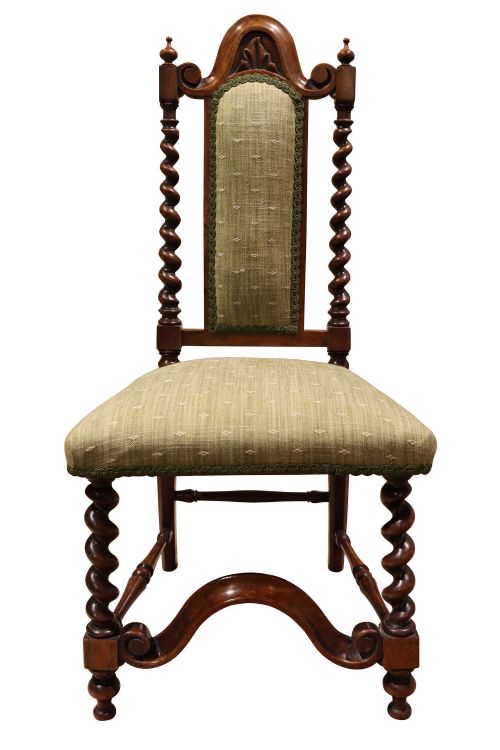
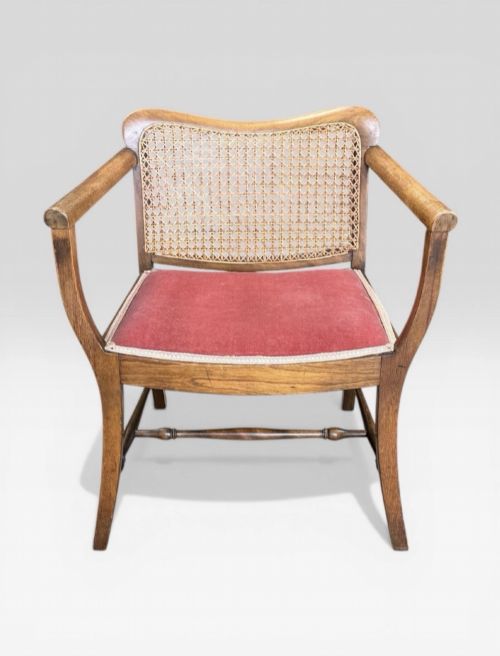

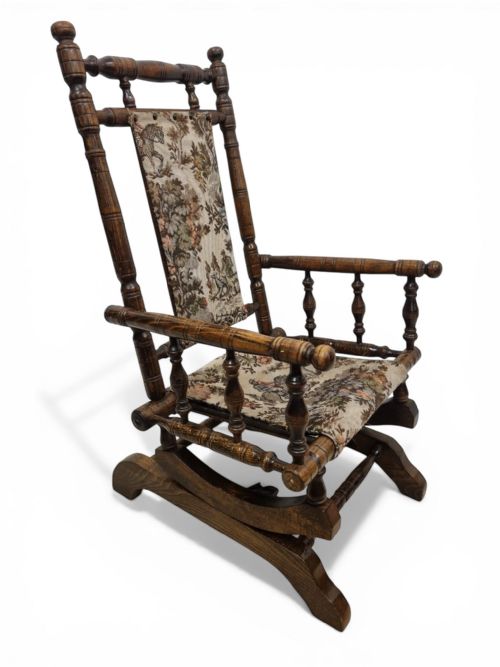


Victorian Miniature Chair
A victorian miniature chair brings the scale and craftsmanship of full-sized seating into a remarkably compact form.
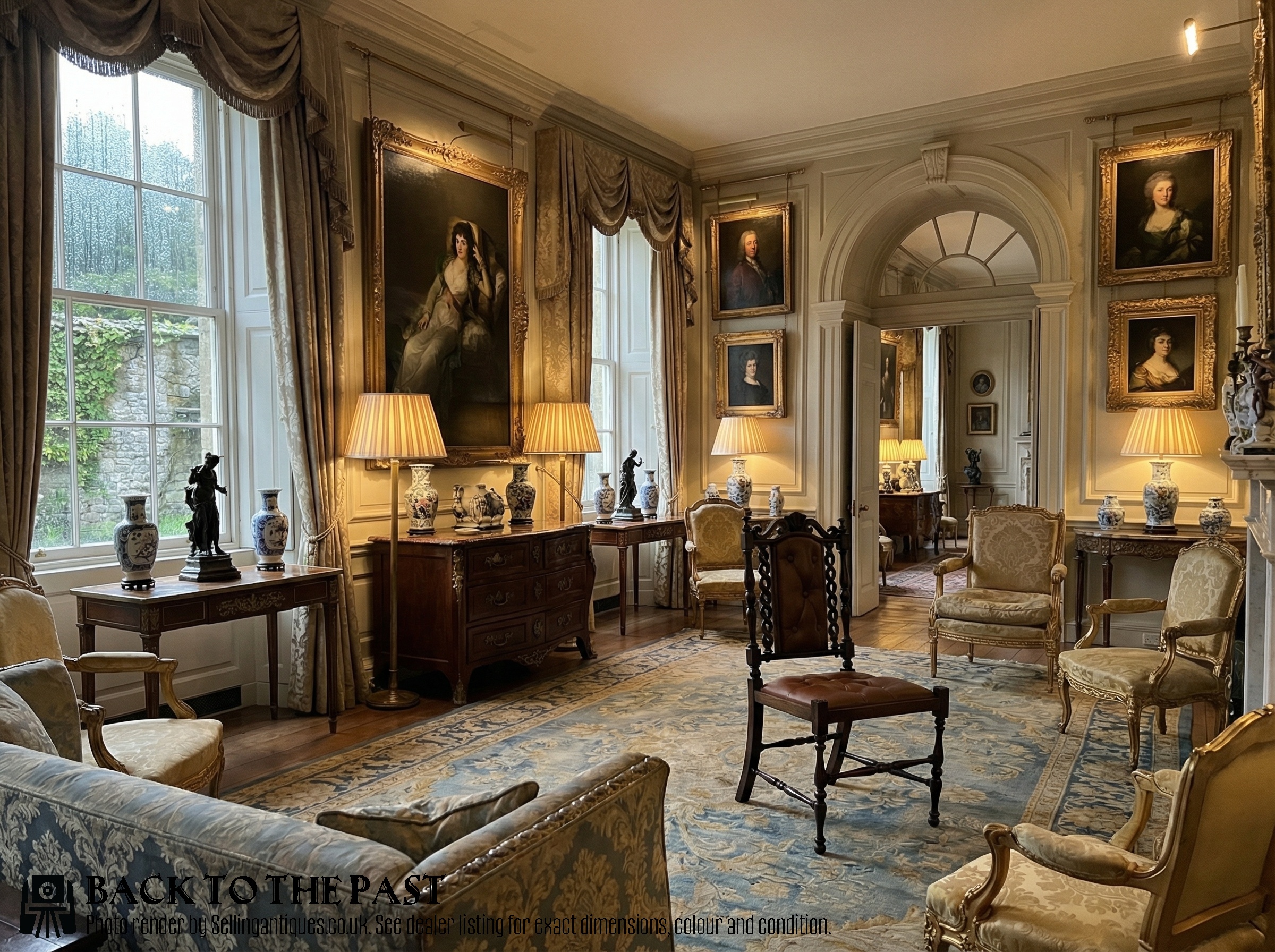
Victorian Miniature Chair
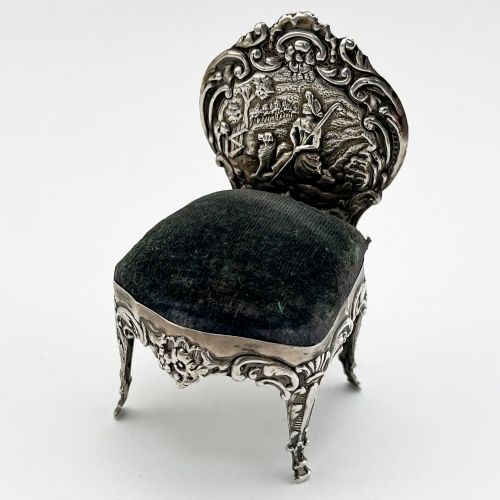
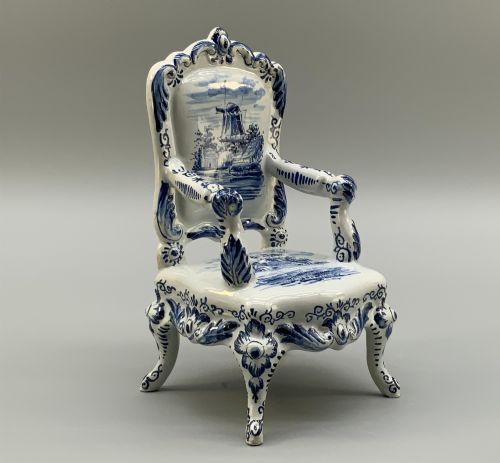
A victorian miniature chair encompasses small-scale seating, salesman samples, doll furniture, and child-sized chairs produced during the nineteenth century. Buyers encounter various interpretations of the phrase, ranging from decorative silver novelties and Delft porcelain models to sturdy vernacular seating built for actual children.
Makers drew inspiration from full-scale domestic furnishings, creating faithful miniature replicas of country vernacular pieces and formal Victorian styles. These items served functional roles in period nurseries, acted as salesman samples for travelling merchants, or functioned as purely decorative ornaments.
Materials and construction
Cabinetmakers and rural bodgers utilised native and exotic timbers such as elm, ash, oak, beech, yew, walnut, and mahogany. Solid wood frames were often turned on lathes or steam-bent to achieve curved spindles, bows, and rocking rails.
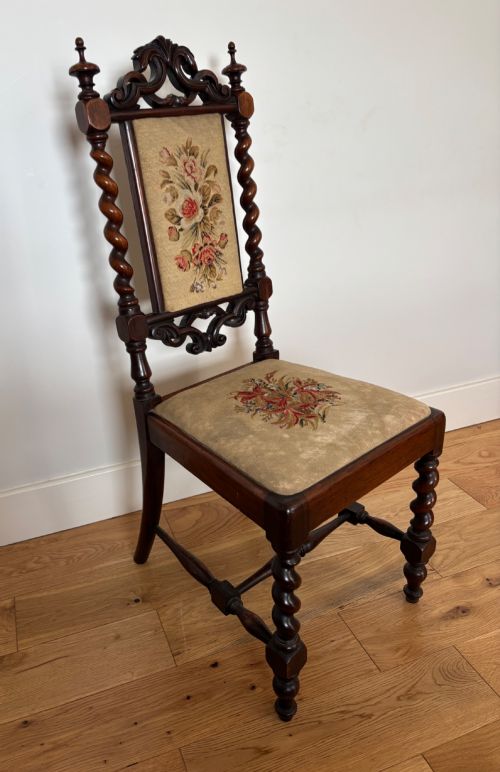
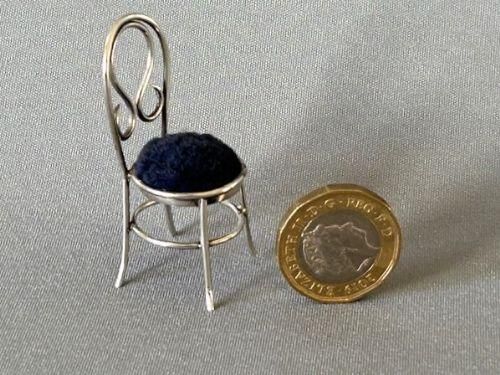
Seating areas frequently incorporated woven cane, rush, or upholstery in leather, fabric, and tapestry. Artisans also employed silver, porcelain, and brass for novelty items like pin cushions and miniature sedan chairs.
Forms span country Windsor armchairs, rocking chairs, and novelty silver pin cushions.
Assessing craftsmanship
Quality rests in the fidelity of the proportions and the joinery used in construction. Pieces that mirror full-sized cabinetmaking standards through pegged joints, precise turning, and careful timber selection command greater attention.
The integrity of the original materials dictates the standing of a piece. Intact woven cane work, uncompromised timber frames, and well-preserved upholstery elevate examples beyond later reproductions or heavily altered items.
James Shoolbred·Thonet
The Victorian Miniature Chair Glossary
- Windsor chair
- A chair built with a solid wooden seat into which the legs and back spindles are wedged directly. These often feature bentwood hoops and armbows.
- Salesman sample
- A portable downscaled model used by merchants to demonstrate furniture designs to prospective buyers without carrying full-sized inventory.
- Bergere
- An enclosed upholstered armchair with wooden frames and woven cane panels on the back and sides. This style appears frequently in nineteenth-century seating.
- Commode chair
- A seated piece of furniture housing a concealed chamber pot beneath a pierced wooden seat or lift-off lid. These were essential nursery items in the Victorian home.
- Barley twist
- A type of decorative turning resembling a rope wound tightly around a cylinder. Craftsmen utilised this technique on legs and uprights.
Victorian Miniature Chair: Frequently Asked Questions
Were these chairs made for children or dolls?
Makers produced these pieces for multiple purposes, including actual use by children in nineteenth-century nurseries, as commercial samples for travelling salesmen, and as display models for dolls.
Examining the scale, wear patterns, and structural sturdiness helps determine whether a specific piece was intended for a child or created as a decorative novelty.
How do I identify a Victorian piece?
Dating relies on timber selection, construction methods, and stylistic cues characteristic of the nineteenth century. Common indicators include traditional joinery, patination on woods like elm and mahogany, and period upholstery styles.
Comparing the construction to documented nineteenth-century furniture provides reliable clues to the era of manufacture.
What is a salesman sample chair?
Travelling merchants utilised downscaled furniture models to show furniture designs to shopkeepers without transporting bulky full-sized inventory.
These functional miniature replicas mirror the exact joinery and proportions of their larger counterparts, built with the same level of care.
How should I display a miniature chair?
These items suit placement on tabletops, sideboards, or within dedicated cabinet displays where their proportions can be appreciated up close. Keeping them away from direct heat sources protects vulnerable timbers and cane work.
Pairing them with other nineteenth-century treen or small decorative antiques creates an effective period arrangement.