






Miniature Furniture Model
These miniature furniture model pieces are remarkable scale examples crafted to test skills or demonstrate designs.
Miniature Furniture Model
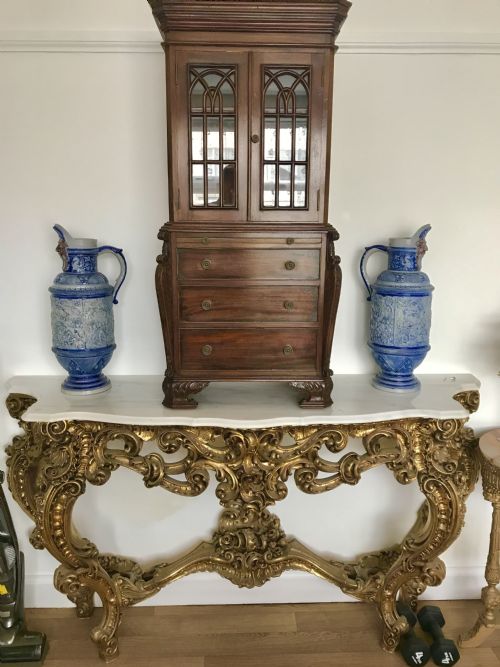
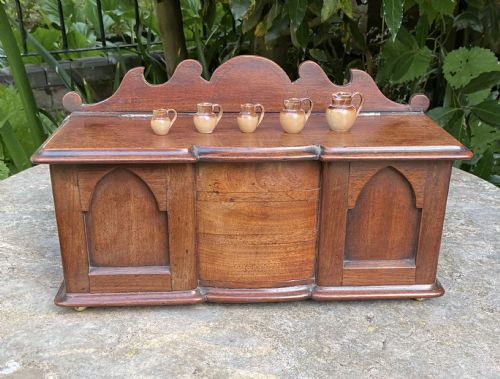
When you search for a miniature furniture model, you encounter scale items created by makers to display their proficiency or record a design in miniature form. These items range from bureau bookcases and chests of drawers to hall chairs, sideboards, centre tables, and fire surrounds.
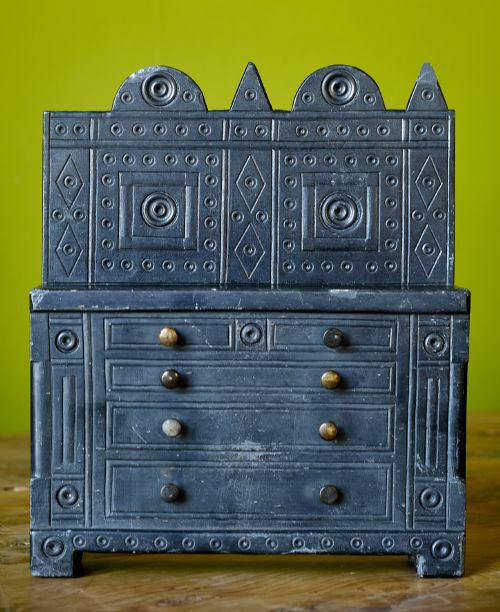
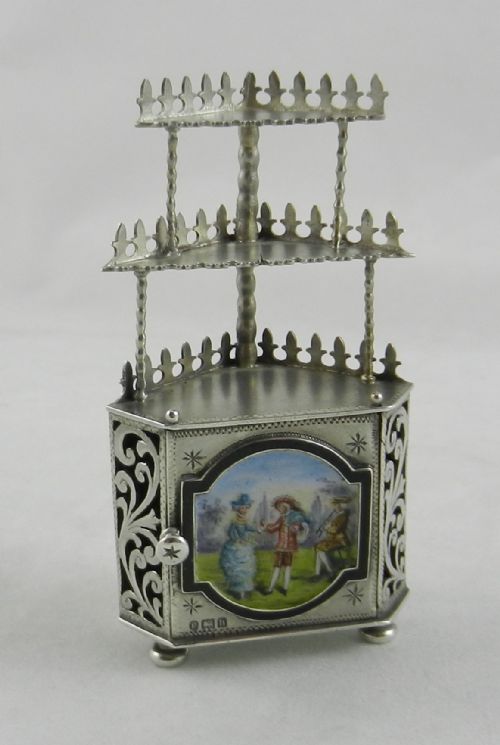
The pieces on this page span the eighteenth, nineteenth, and early twentieth centuries, encompassing Victorian, Georgian style, Art Deco, and folk art traditions. You find mahogany samples alongside carved Welsh slate models, silver and enamel items, and small Windsor chairs.
Materials and construction methods
Makers utilised timber such as mahogany and oak, often finishing surfaces with French polish to replicate full-size furniture grain and sheen. Brass and glass elements appear alongside cream leather upholstery on miniature seating suites.
Regional materials also feature, notably Welsh slate carved into folk art models of chests of drawers and fire surrounds originating from Caernarfonshire. Craftsmen applied traditional woodworking and carving techniques to miniature scale, producing detailed joints and turned components.
Miniature Furniture Model Retail Price Guide 2026
Typical asking prices for miniature furniture model among the pieces listed under this phrase on Sellingantiques today, from the lower quarter to the upper quarter. They describe what is for sale here now, not the wider market.
A tiny three-piece leather suite proves that even miniature occupants require somewhere comfortable to sit after a long day.
Assessing quality in miniature items
Proportion and fidelity to full-scale furniture determine the success of a model, separating careful craftsmanship from rough production. Finer examples maintain correct scale across every drawer, leg, and back rail.
The choice of material and surface finish dictates visual depth, where well-maintained French polish or crisp carving on slate and mahogany elevates a piece above simpler utilitarian samples.
The Miniature Furniture Model Glossary
- Apprentice piece
- A demonstration object made by a trainee craftsman to prove competency in joinery before qualifying as a master. These items often display exceptional detail in difficult techniques.
- Bureau bookcase
- A writing cabinet featuring a sloping desk flap above drawers, surmounted by glazed shelving doors. Miniature versions replicate the complex internal pigeonholes of the full-size originals.
- French polish
- A shellac finish applied in numerous thin layers using a rubbing pad to achieve a high gloss. This technique highlights the grain of timbers like mahogany.
- Folk art
- Self-taught or regional craftsmanship utilising local materials such as Welsh slate rather than traditional cabinet woods. These models reflect domestic traditions rather than formal workshop styles.
Miniature Furniture Model: Frequently Asked Questions
What is a miniature furniture model?
These are small-scale representations of domestic furniture created as apprentice pieces, design samples, or folk art objects.
They reproduce full-size forms including chests of drawers, sideboards, and chairs using materials like mahogany, slate, and silver.
How were miniature furniture models used?
Makers produced them to demonstrate technical skill to guild examiners or to showcase furniture designs to prospective clients.
Some items served as decorative ornaments or personal keepsakes reflecting contemporary domestic interiors.
How do I date a miniature model?
Dating relies on stylistic markers shared with full-size furniture, such as Chippendale revival details, Victorian proportions, or Art Deco forms.
Materials and construction techniques also indicate the period of manufacture, from eighteenth-century timber work to nineteen-thirties leather suites.
Are these models fragile?
Many items feature delicate components such as thin timber legs, miniature brass handles, or carved slate details that require careful handling.
Placing them in stable environments away from direct sunlight protects both the wood and polished finishes.