
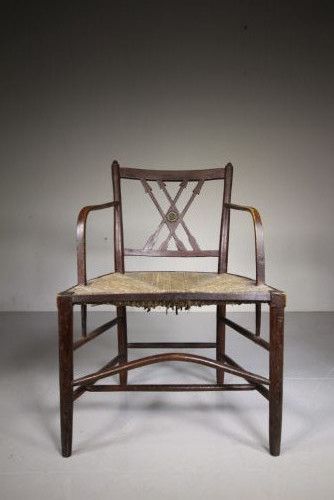



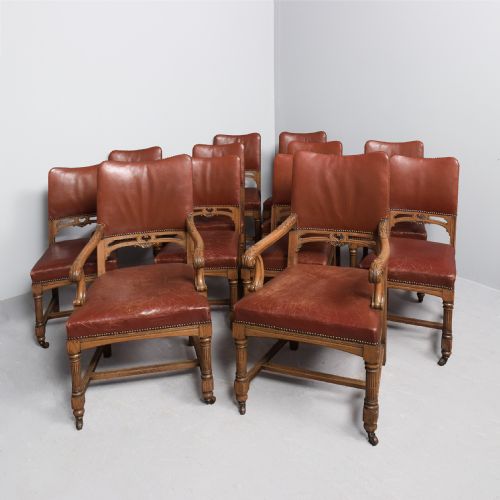
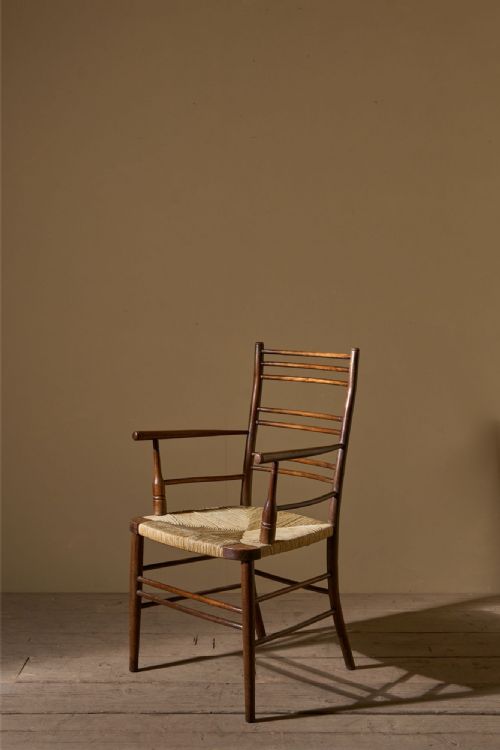
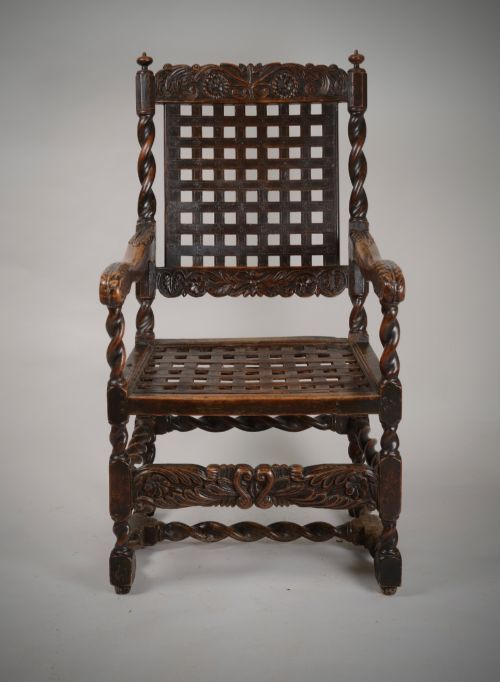
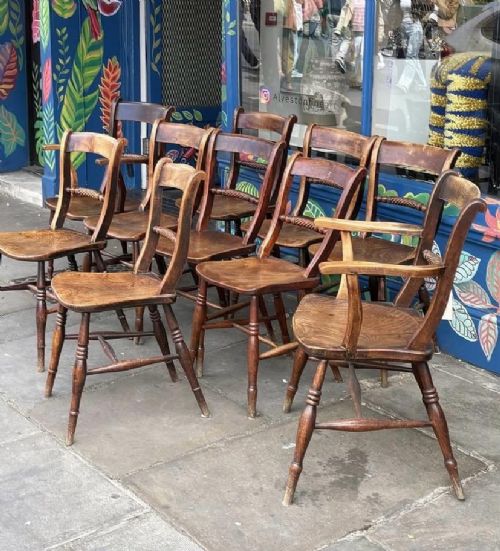
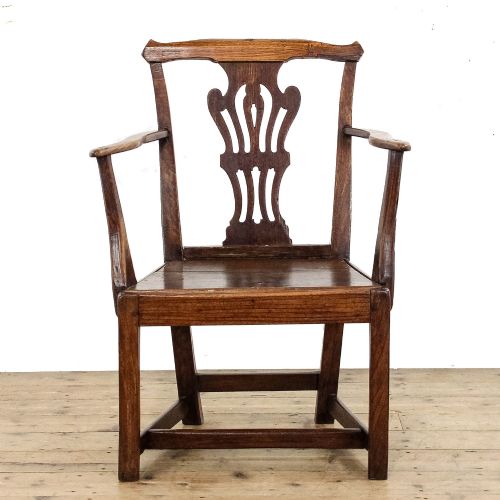
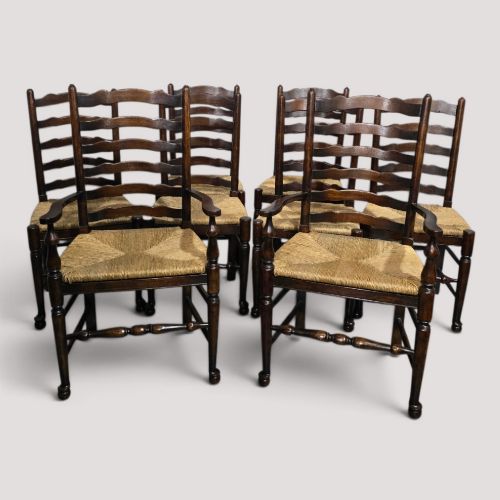
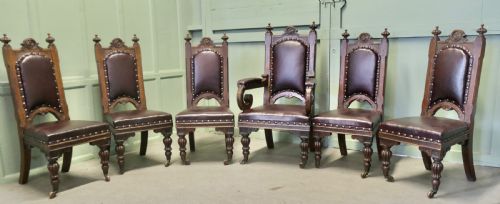
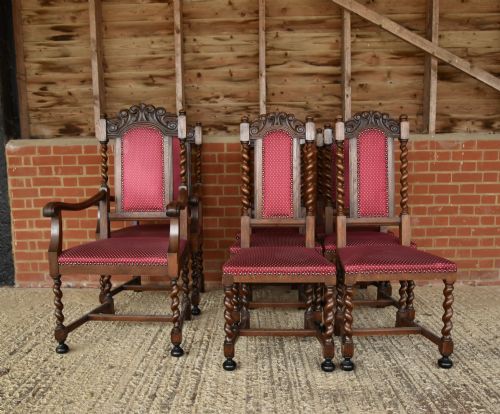
Brown Oak Carver Chair
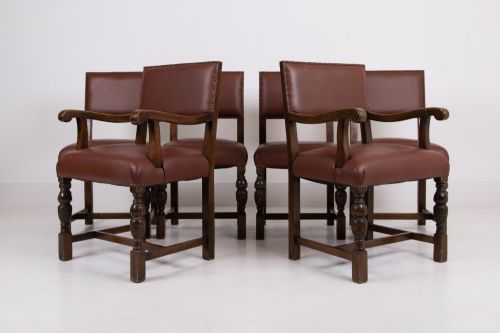
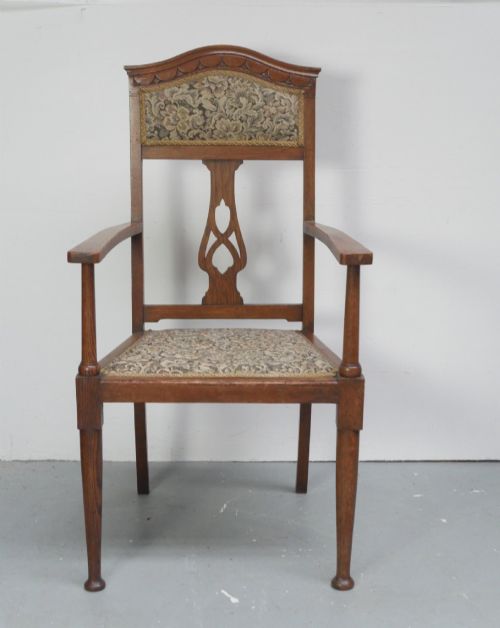
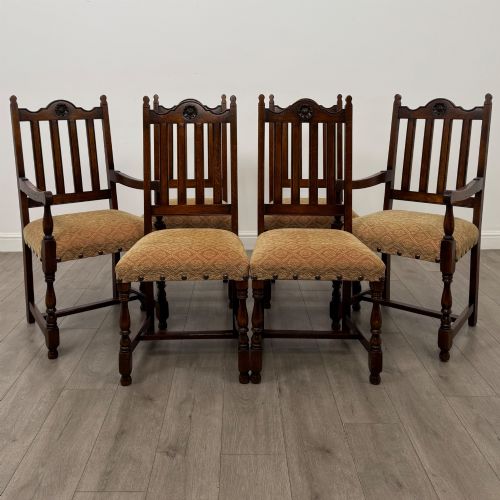
A brown oak carver chair offers solid timber character and supportive arms, bringing substantial warmth to a dining table or study.

Brown Oak Carver Chair
A brown oak carver chair is a substantial timber armchair designed for dining or fireside use, appearing across periods from the seventeenth century through to the 1930s. Buyers searching this phrase look for sturdy wooden frames with integrated armrests, often associated with vernacular country workshops or revival movements.
The versions most commonly met on this page span the Victorian era, the Arts and Crafts movement, and early twentieth century revivals. These examples display the rich, deep tones characteristic of mature oak combined with functional seating forms.
What sets individual pieces apart
Quality in these brown oak carver chairs depends upon the selection of timber and the integrity of the original construction. Denser grain patterns and rich natural patination elevate the visual weight of the wood.
The skill of the maker shows in the comfort of the arm rests and the balance of the proportions. Refined turnings and careful joint placement distinguish workshops dedicated to fine craftsmanship from basic utility production.
Brown Oak Carver Chair Retail Price Guide 2026
Typical asking prices for brown oak carver chair among the pieces listed under this phrase on Sellingantiques today, from the lower quarter to the upper quarter. They describe what is for sale here now, not the wider market.
Listings feature oak combined with rush, leather, and elm across the nineteenth and early twentieth centuries.
Morris and Co·Edward Barnsley
The Brown Oak Carver Chair Glossary
- Carver chair
- An armchair, traditionally placed at the head of a dining table or used as a fireside seat. The term distinguishes armed seating from standard dining chairs.
- Rush seat
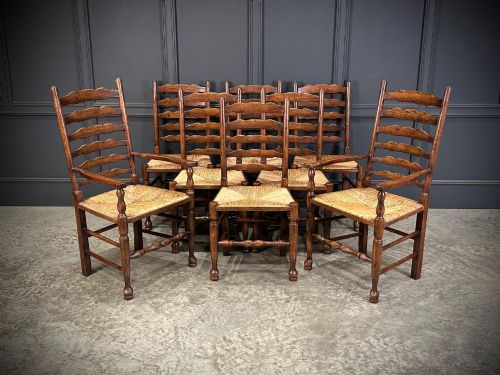
- A seating surface woven from dried marsh rushes, creating a durable and slightly yielding texture. This traditional method appears frequently on country and Arts and Crafts examples.
- Ladder back
- A chair back constructed with horizontal arched slats resembling the rungs of a ladder. This regional country form provides strong lumbar support.
- Joinery
- The wooden woodworking joints used to assemble the frame without relying on metal fasteners. Traditional pegged mortise and tenon joints hold these heavy structures firm.
- Patina
- The surface sheen and colour acquired by mature wood through decades of handling, polishing, and light exposure. A deep patina indicates genuine age and careful maintenance.
Brown Oak Carver Chair: Frequently Asked Questions
What is a carver chair?
A carver chair is an armchair built with integrated armrests, traditionally set at the head of a dining table or utilised as a standalone fireside seat. The form provides extra comfort compared to standard dining chairs while maintaining a matching profile.
These pieces function well in modern dining arrangements as host chairs or as occasional seating in a study. Their sturdy timber construction ensures they handle daily use comfortably.
How do I date a wooden armchair?
Dating involves examining the construction methods, timber preparation, and stylistic details present in the frame. Hand-cut joinery, peg marks, and tool traces often point towards earlier vernacular or revival periods.
Comparing the turning style on the legs and spindles against known historical periods helps narrow down the decade of manufacture. Hardware elements and upholstery foundations also provide clues to the age of the piece.
How do I care for brown oak?
Brown oak furniture requires stable indoor humidity and protection from direct sunlight to prevent the timber from drying out or splitting. Regular dusting with a soft, dry cloth preserves the surface finish.
Applying a traditional beeswax polish occasionally helps nourish the wood and maintain its deep lustre. Avoid placing these chairs near direct heat sources like radiators.
What is the difference between oak and elm?
Oak is a hard, durable timber with a pronounced grain pattern, frequently utilised for structural framing and decorative carving. It ages to a rich warm brown tone over time.
Elm offers a more interlocked, fibrous grain that resists splitting, making it a preferred choice for solid chair seats and Windsor bows. It tends to display a slightly lighter, wilder figure than oak.