





Oak Rush Seat Armchair
An oak rush seat armchair brings vernacular warmth to a room, offering sturdy construction and tactile seating rooted in centuries of country craftsmanship.
Oak Rush Seat Armchair
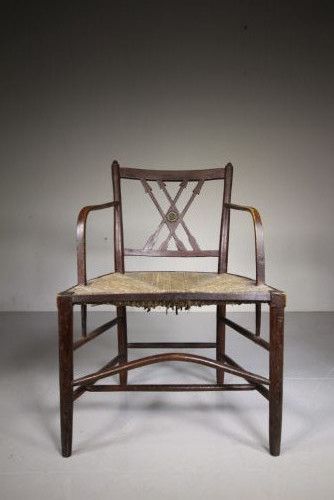
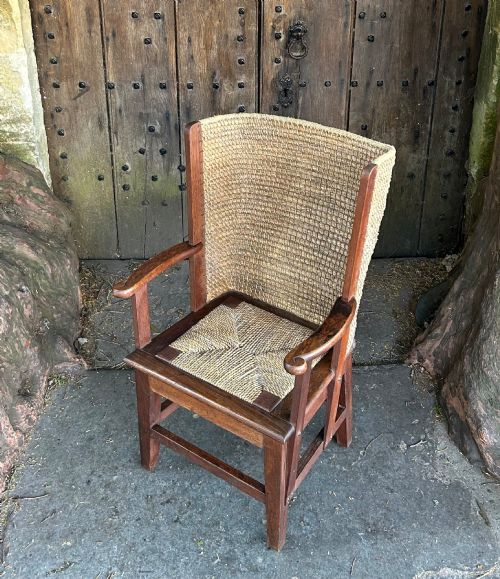
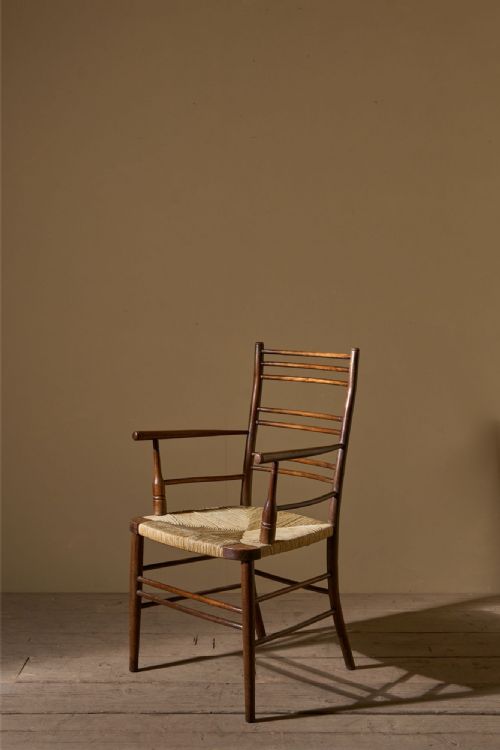
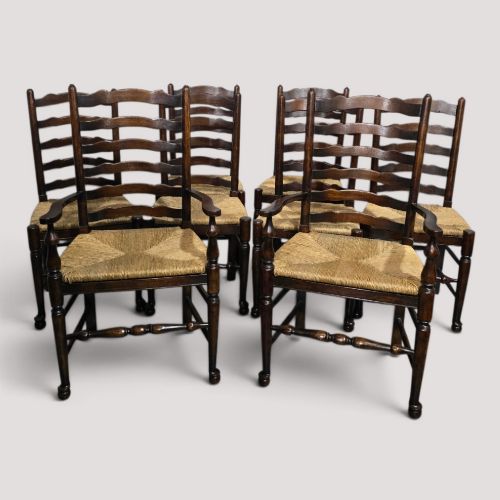
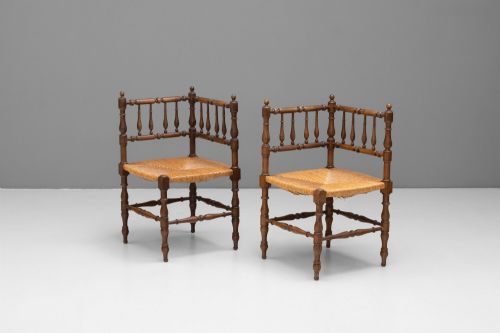
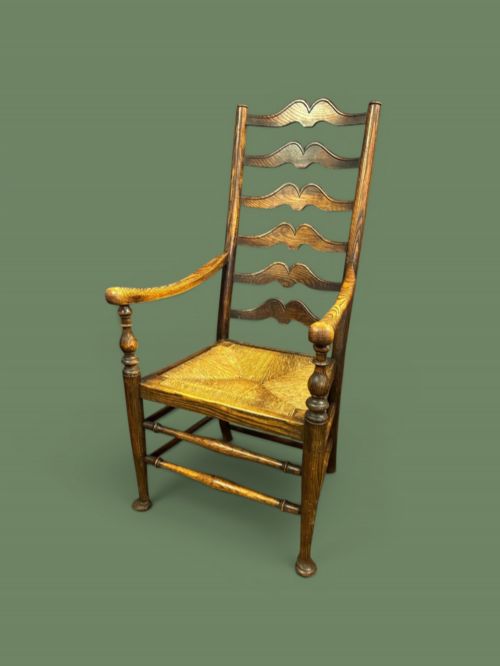
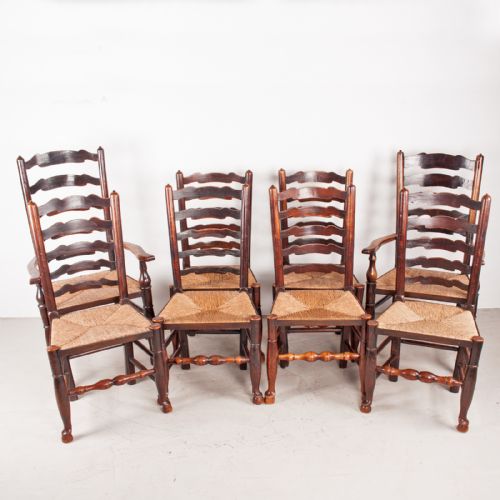
When you search for an oak rush seat armchair, you encounter traditional seating that spans from the Georgian period through the nineteenth century and into early twentieth-century Arts and Crafts movements. The pieces on this page include country vernacular armchairs, spindlebacks, ladderbacks, and regional styles such as Lancashire, Cheshire, and Scottish designs.
Most examples you meet combine a solid oak frame with woven rush seating, occasionally utilising elm, ash, beech, or painted wood for structural elements. These chairs served utility in farmhouses, kitchens, libraries, and studios, evolving from regional vernacular seating into celebrated Arts and Crafts interpretations by makers like Liberty and Morris and Co.
Materials and Technique
Makers built the frames primarily from solid oak, complemented by regional timbers like elm, ash, and beech for turned spindles and structural supports. These woods provided the necessary rigidity to withstand daily domestic use in kitchens and parlours.
The seats are hand-woven using natural rush or straw, tightly coiled and wrapped around the seat rails to create a resilient, textured surface. Frames frequently feature traditional joinery, including ladder backs and spindle backs secured with pegs.
Several miniature child-sized rocking chairs and high chairs survive, proving that toddlers in the past took their seating arrangements very seriously.
The Measure of Quality
Quality rests in the integrity of the timber frame and the tightness of the rush weaving, separating honest domestic pieces from compromised examples. Superior chairs maintain their original structural geometry without excessive timber shrinkage or poorly executed repairs to the arms and legs.
The sophistication of the turning on ladder backs and spindle backs distinguishes standard farmhouse seating from ambitious workshop pieces. Retained original surfaces, whether unpainted oak or period painted wood, hold greater authority than stripped or heavily refinished frames.
Morris and Co·Liberty and Co·Dicon Nance St Ives Studio
The Oak Rush Seat Armchair Glossary
- Rush
- A marshland plant used for centuries to weave durable, flexible chair seats. It provides a tactile, supportive surface that mellows in tone over decades of use.
- Ladderback
- A chair style featuring horizontal slats between the upright posts of the backrest. This form is particularly common in regional English and Welsh vernacular seating.
- Spindleback
- A chair design utilising numerous thin, turned wooden rods in the backrest. These members offer lighter visual weight while maintaining robust structural support.
- Vernacular
- Everyday objects made by local craftspeople using regional materials and traditional methods rather than following high-style academic designs. These pieces reflect the specific needs and timber availability of their locale.
- Carver
- An alternative term for an armchair, often used in the context of dining sets to distinguish the larger seated chairs at the table ends from standard side chairs.
Oak Rush Seat Armchair: Frequently Asked Questions
What is an oak rush seat armchair?
An oak rush seat armchair is a traditional wooden chair featuring a sturdy oak frame and a seat woven from natural marshland rush. These chairs range from simple eighteenth-century country vernacular seating to refined Arts and Crafts designs.
They were built for everyday domestic utility in kitchens, farmhouses, and workshops, combining tactile comfort with robust timber construction.
How do I date an oak armchair?
Dating relies on examining the joinery, timber patination, turning style, and overall proportions of the frame. Eighteenth-century examples often display simpler, heavier construction and deeper patination.
Later nineteenth- and twentieth-century versions incorporate regional variations like Lancashire spindlebacks or bear the distinctive aesthetic hallmarks of the Arts and Crafts movement.
Are rush seats durable for daily use?
Natural rush seating is remarkably resilient and designed to support daily sitting when kept in stable environmental conditions. The tight weave distributes weight evenly across the supportive wooden rails beneath.
Avoiding excessive moisture and placing the chair away from direct heat sources ensures the straw material remains strong and pliable over decades.
Where were these chairs used historically?
Historically, these armchairs found places throughout the home, from farmhouse kitchens and country cottages to libraries and studios. Their robust construction suited practical domestic tasks and long hours of sitting.
Later Arts and Crafts interpretations brought the vernacular form into modern living rooms as functional statements of honest craftsmanship.