


Traditional Ladderback Chairs
Traditional ladderback chairs bring enduring rural character to interiors through rhythmic horizontal slats and robust regional frames.

Traditional Ladderback Chairs
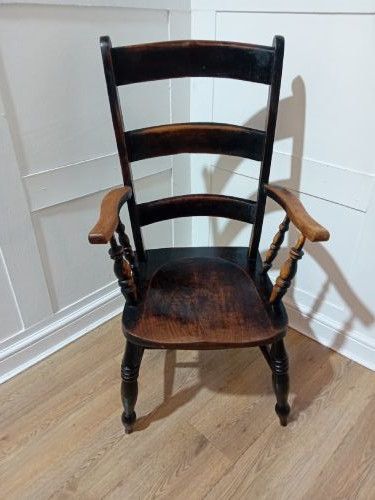
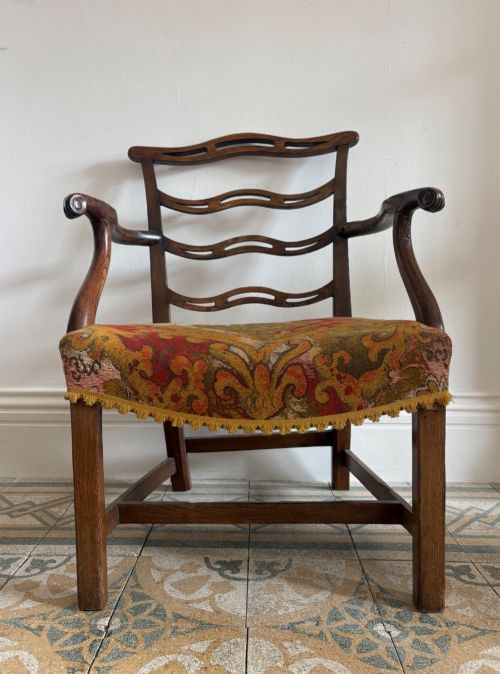
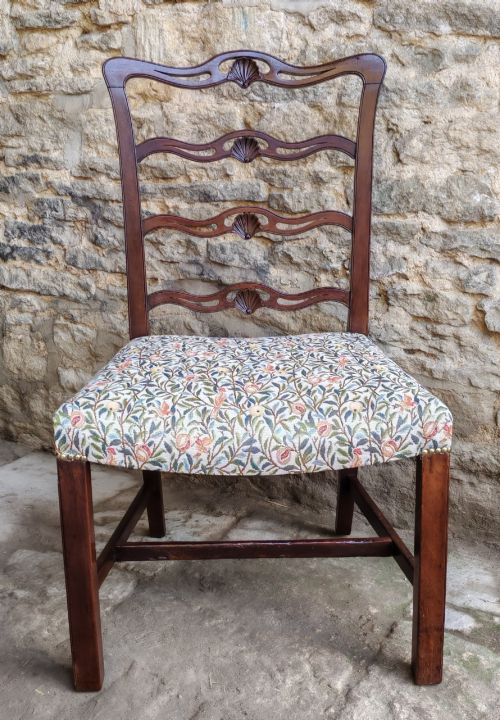
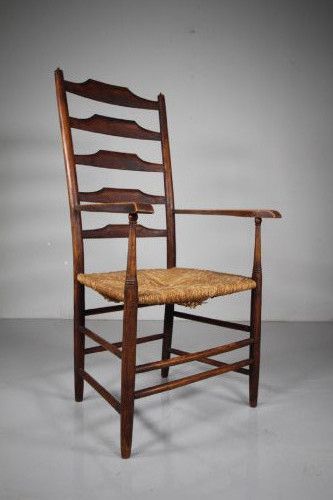
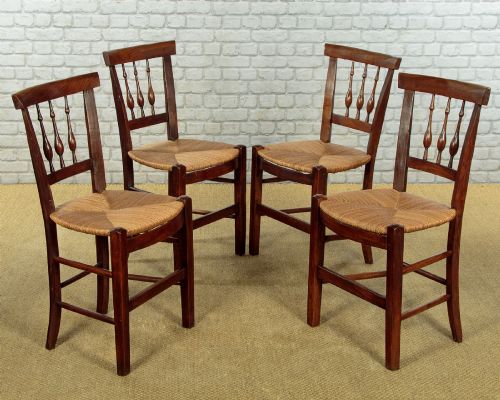
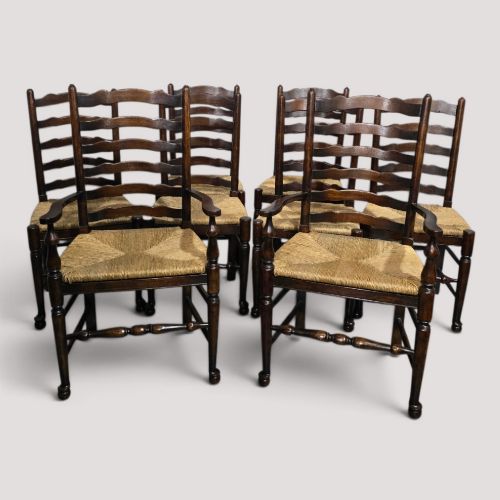
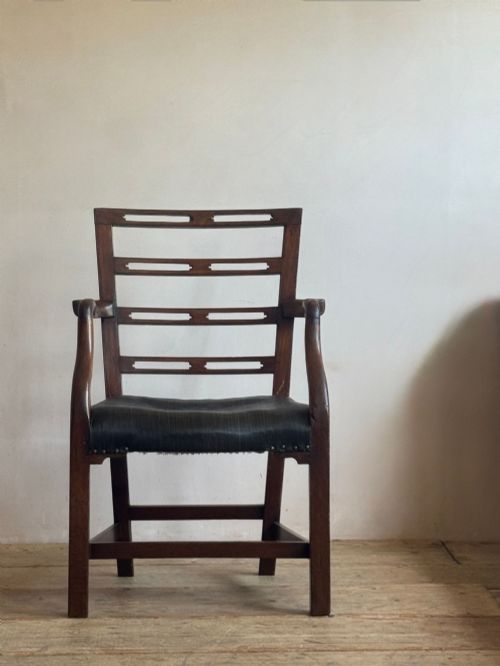
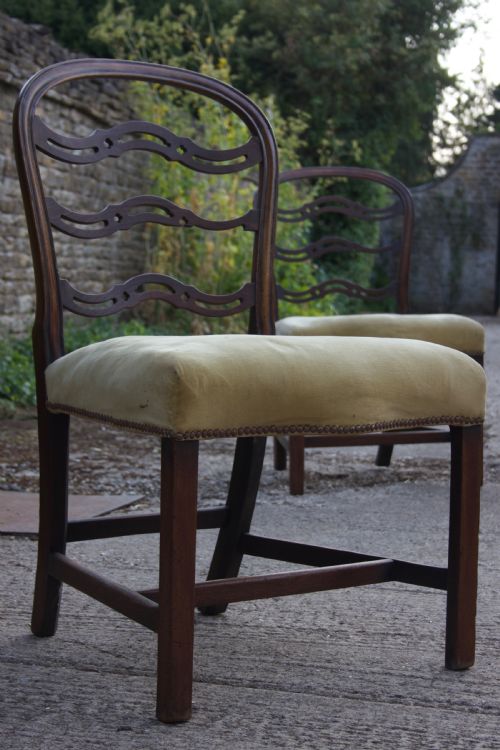
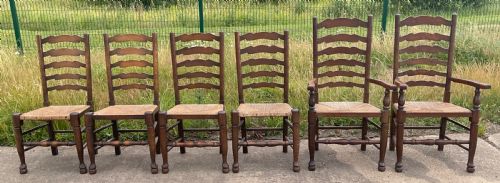
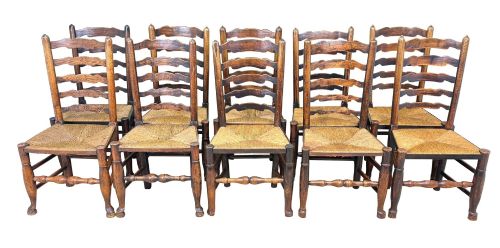
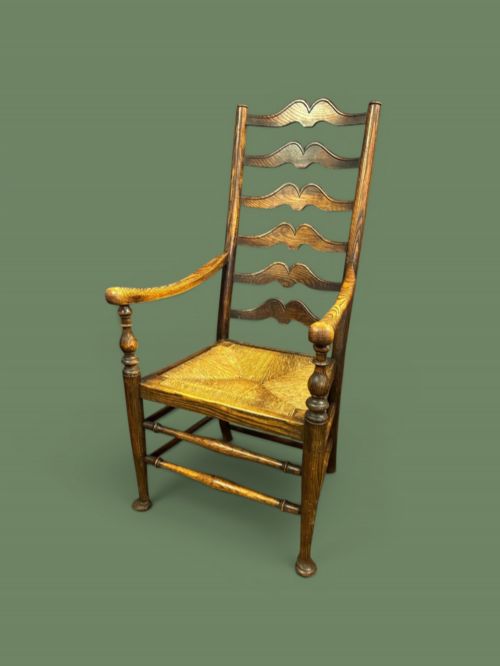
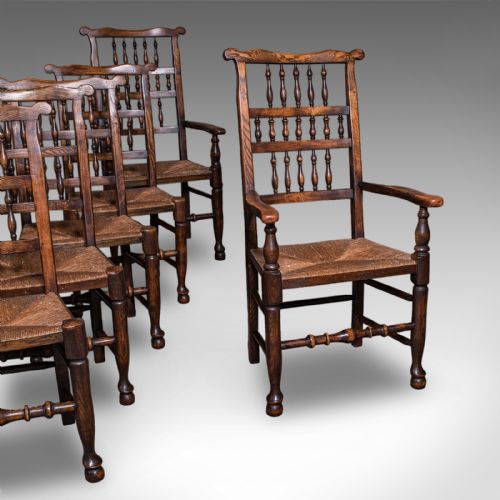
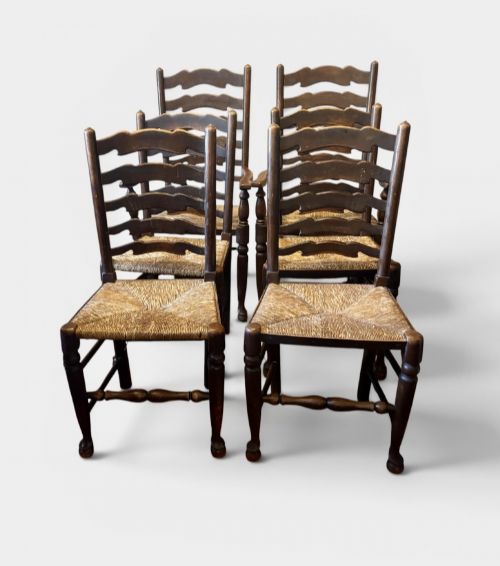
Traditional ladderback chairs form a major category of vernacular seating defined by tiered horizontal slats spanning the upright rear posts. Buyers seeking these pieces encounter an array of forms, ranging from single side chairs and carvers to expansive dining sets, rocking chairs, and high chairs.
The selection spans centuries of regional craftsmanship, featuring Georgian and 18th-century examples alongside Victorian country variations and 1930s interpretations. Oak, ash, and elm frequently form the primary structure, often paired with traditional rush or woven seats.
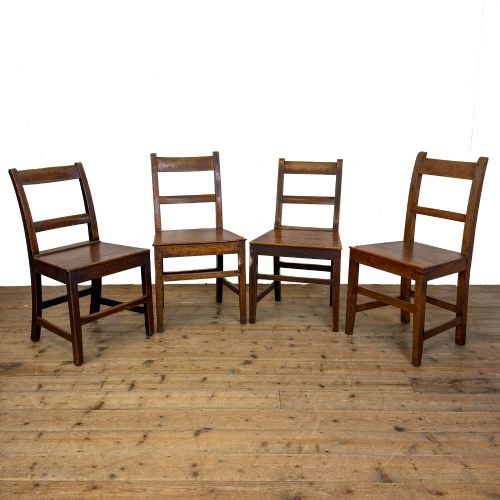
Regional variations emerge clearly across the inventory, including Welsh oak sets, Cheshire painted ash armchairs, and Lancashire beech carvers. These pieces function naturally in farmhouse kitchens and dining rooms, bringing historical texture to everyday seating.
How they were made
Makers utilised native hardwoods such as ash, oak, elm, beech, and mahogany, selecting each timber for its specific structural strength and grain. Frames frequently combine turned uprights with shaped horizontal slats, secured through traditional joinery methods.
Seats traditionally employ natural rush, plaited straw, or woven súgán, though upholstered options featuring tapestry, fabric, or velvet appear in finer Georgian and Victorian iterations. Painted finishes also occur on regional ash and elm variants, protecting the timber whilst adding distinct visual depth.
Traditional Ladderback Chairs Retail Price Guide 2026
Typical asking prices for traditional ladderback chairs among the pieces listed under this phrase on Sellingantiques today, from the lower quarter to the upper quarter. They describe what is for sale here now, not the wider market.
Listings span multiple centuries from the Georgian era through the Edwardian period, featuring oak, ash, elm, and mahogany.
What varies in quality
Quality rests upon the integrity of the timber selection and the precision of the frame's construction, distinguishing robust country workshop output from standard commercial production. Heavier native hardwoods like oak and ash provide enduring stability compared to lighter alternatives.
The finesse of the slat shaping and the tightness of the rush or woven seating define the upper tier of craftsmanship. Consistency across harlequin sets and large dining groupings further separates standard utility seating from master regional pieces.
Philip Clissett·Dicon Nance St.Ives Studio
The Traditional Ladderback Chairs Glossary
- Rush
- Dried marsh plant material used for traditional woven seating. It provides a flexible, supportive surface that patinates richly over decades of use.
- Súgán
- An Irish term for twisted straw or hay rope utilised for plaited chair seats. This material connects vernacular seating directly to rural agricultural traditions.
- Carver
- An armchair designed with arms, traditionally placed at the heads of a dining table. These pieces match the smaller side chairs in a set.
- Harlequin set
- A collection of chairs sharing a similar style or period rather than originating as a single workshop batch. Such sets offer assembled variety while maintaining visual harmony.
- Vernacular
- Objects built by local craftspeople for practical everyday use rather than high academic design. These pieces reflect regional materials and local woodworking traditions.
Traditional Ladderback Chairs: Frequently Asked Questions
How do I date an antique ladderback chair?
Dating relies on examining the turning style of the upright posts, the profile of the horizontal slats, and the method of construction. Earlier 18th-century examples often display hand-shaped components and pegged joinery, while later Victorian and 19th-century pieces incorporate heavier regional turning.
Material choices also offer chronological clues, as native timbers like ash and elm predominate in country pieces, whereas mahogany frequently signals formal Georgian or later revival work.
Are ladderback chairs comfortable for daily dining?
These chairs provide sturdy and upright support, making them well-suited for extended seating around a dining table. The ergonomic curve of the tiered slats accommodates the back naturally.
Original rush or woven cord seats yield slightly over time to contour comfortably with use. Adding loose squab cushions can further adapt them for modern dining comfort.
How do I care for a rush seat?
Rush seats require dry environments and gentle cleaning with a soft brush to remove dust from the woven strands. Avoid excessive moisture, as water can weaken the natural plant fibres over time.
Applying a light microcrystalline wax to the wooden frame preserves the finish without affecting the unvarnished rush seating.
What is a harlequin set?
A harlequin set is a collection of chairs that share matching stylistic traits, periods, or materials without having been manufactured together as a single workshop batch. These groupings often form over time when owners gather individual chairs of the same regional pattern.
They offer flexibility and character for large dining settings while maintaining a unified historic aesthetic.