


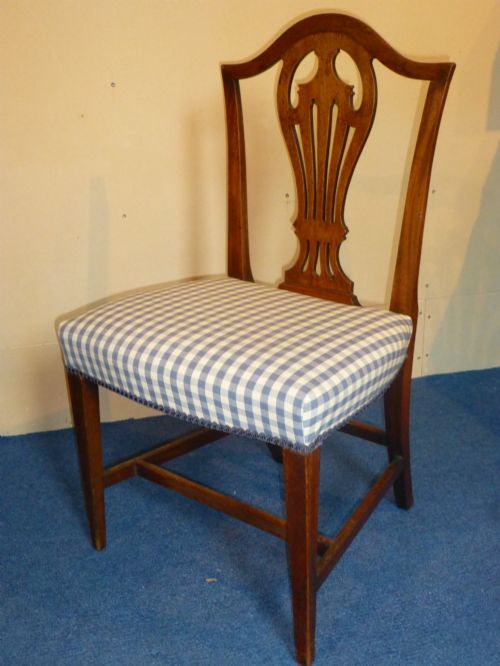
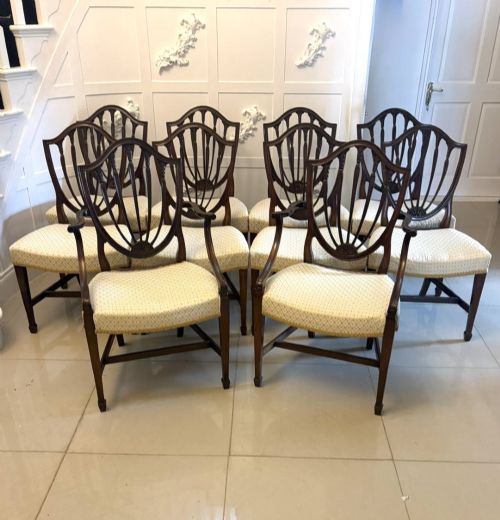
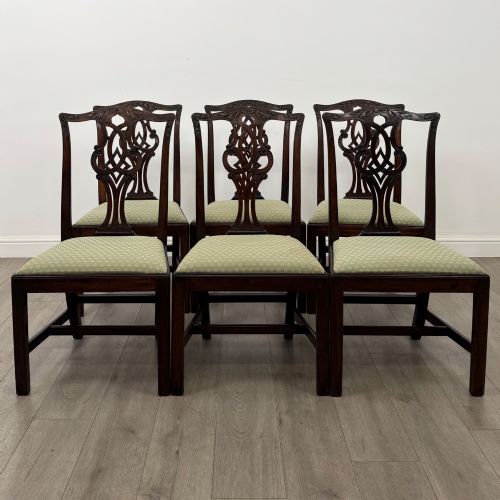
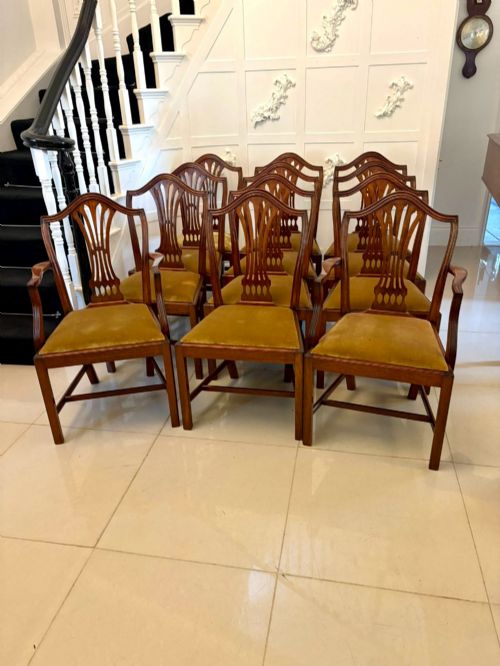
Period Style Dining Chairs
These period style dining chairs bring traditional craftsmanship and grand proportion to the modern dining room.

What period style dining chairs are
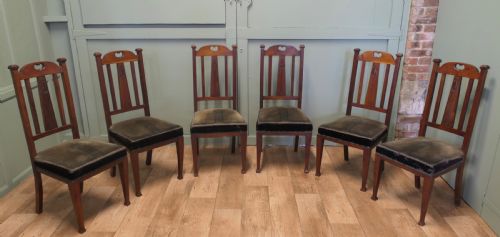
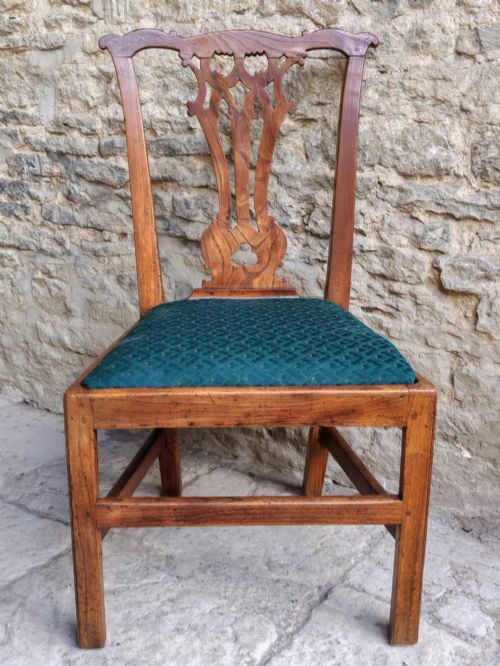
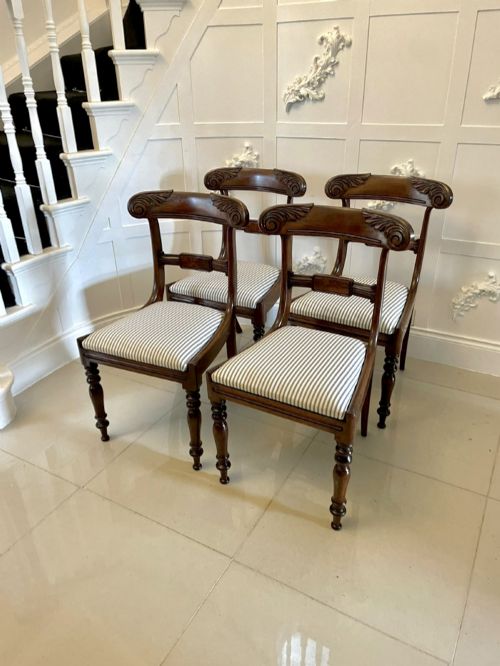
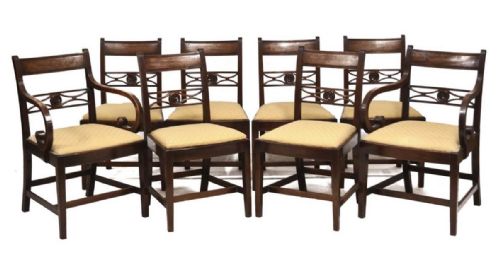
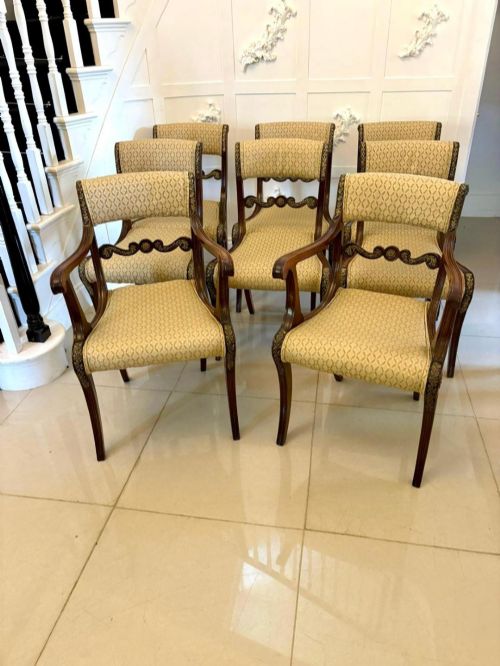
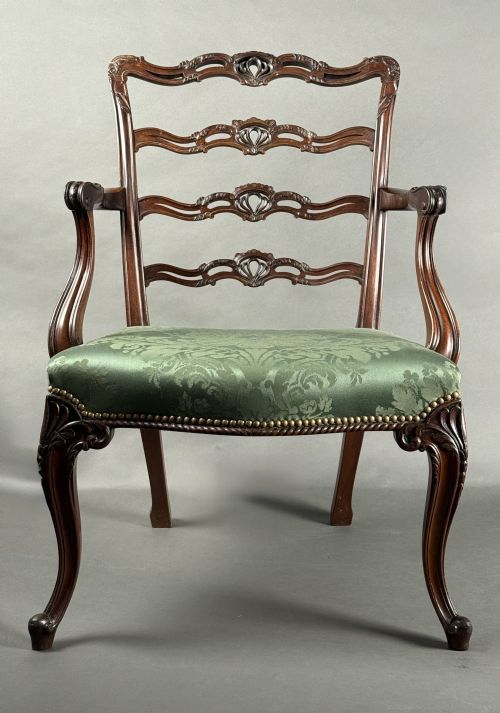
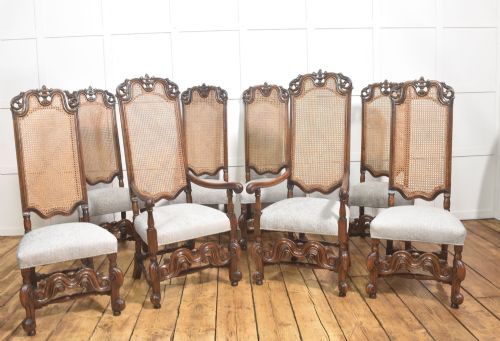
Period style dining chairs encompass historical revivals designed to recreate the distinct elegance of earlier centuries. When exploring this selection, buyers encounter sets rooted in Georgian, Regency, and Carolean aesthetics, alongside seventeenth-century interpretations.
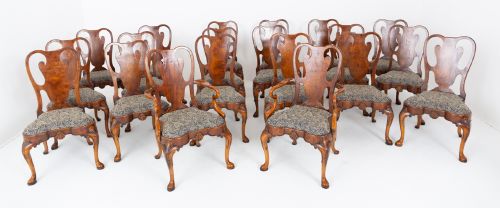
The pieces appearing here span from the Edwardian era through the early twentieth century, incorporating robust seating built in sets ranging from four to fifteen chairs. Mahogany, oak, and walnut dominate the forms, reflecting classic timber choices across multiple decades of revival production.
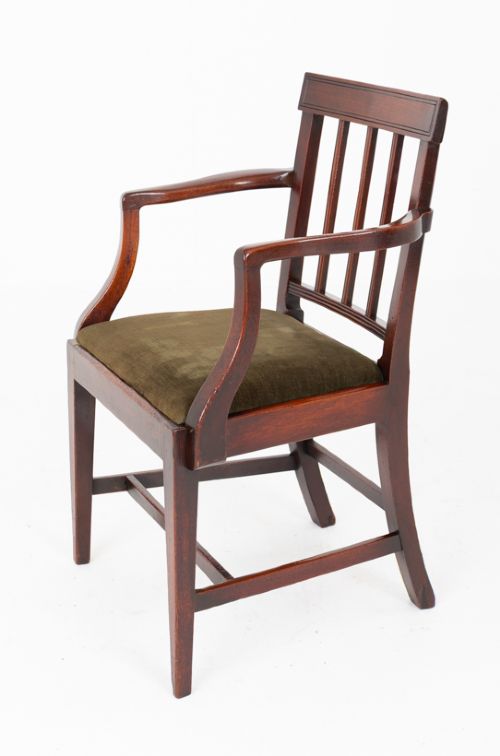
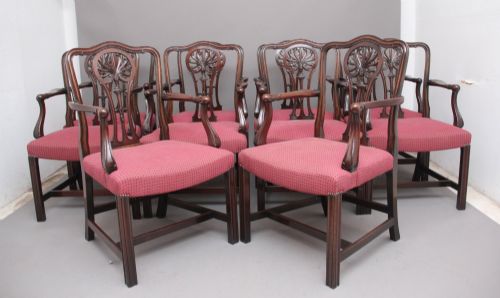
Buyers are most likely to meet mahogany models following Regency and Hepplewhite designs, often produced around nineteen-ten or nineteen-twenty. These revival suites offer the formal presence of earlier centuries combined with the structural reliability of Edwardian and early twentieth-century workshops.
How they were made
Cabinetmakers constructed these dining chairs using dense hardwoods such as mahogany, walnut, and oak, selecting timber for strength and prominent grain patterns. Joinery relied on traditional mortise and tenon construction to ensure lasting stability under daily use.
Seating areas incorporated woven cane panels or padded upholstery secured over textile, fabric, and velvet coverings. Skilled artisans shaped curved ladder-backs, high backs, and revival frames using hand tools to achieve precise period silhouettes.
Retail Price Guide 2026
Typical UK retail prices for period style dining chairs, calculated from the Sellingantiques database of over a million retail prices indexed since 2003. This retail price guide relies exclusively on Sellingantiques data; no external sources or auction records are used, so the figures do not describe the wider market.
The documented production dates stretch from eighteen-eighty through the nineteen-twenties, encompassing Edwardian and early twentieth-century revivals.
What varies in quality
The distinction between standard production and superior examples rests on the depth of hand-carving and the precision of the joinery. Finer sets display crisp detailing on splats, crest rails, and legs that successfully capture the spirit of George II or Hepplewhite originals.
Material selection also dictates overall merit, where dense, well-figured mahogany or walnut elevates a set above plainer timber alternatives. The integrity of original cane work and the quality of traditional upholstery finish distinguish the finest workshop output.
The Period Style Dining Chairs Glossary
- Hepplewhite Style
- A design classification inspired by the eighteenth-century cabinetmaker George Hepplewhite, typically characterised by shield-back or ladder-back forms and tapered legs. These chairs often feature delicate carved details such as wheat ears or drapery.
- Regency Revival
- A nineteenth or early twentieth-century reinterpretation of British furniture produced during the Regency period, noted for classical restraint and saber legs. Such seating frequently incorporates brass inlay or dark mahogany finishes.
- Cane
- Woven rattan material used to form resilient, open-patterned panels for chair backs and seats. This technique provides both structural support and visual lightness.
- Carolean Revival
- A style echoing the ornate carved woodwork of the late seventeenth-century Restoration era, featuring scrolled stretchers and high backs. It draws heavily upon walnut and intricate pierced cresting.
Frequently Asked Questions
How do I care for antique cane seats?
Keep cane panels clean using a soft brush to remove dust and maintain moisture by lightly dampening the rattan occasionally with warm water. Avoid placing these chairs near direct heat sources to prevent the natural fibres from becoming brittle.
Regular inspection of the weave ensures minor tension issues receive attention before splitting occurs, preserving the longevity of the seating.
Are these chairs suitable for daily dining?
Most revival dining chairs are built from sturdy hardwoods like mahogany and oak, making them entirely practical for regular family meals. Their robust mortise and tenon construction withstands the daily push and pull of active dining rooms.
Ensuring the upholstery and frame joints remain secure guarantees comfortable use for modern entertaining.
How do I distinguish Regency style from Georgian pieces?
Regency style chairs generally exhibit heavier classical influences, including saber legs and curved top rails inspired by ancient Greek and Roman furniture. Georgian designs tend to feature straight legs, pierced splats, and more restrained architectural proportions.
Examining the timber grain and the specific carved motifs helps clarify which revival period inspired the maker.